Beat the Clock: How to Conquer Jet Lag in 24 Hours for Your October 2025 Adventures
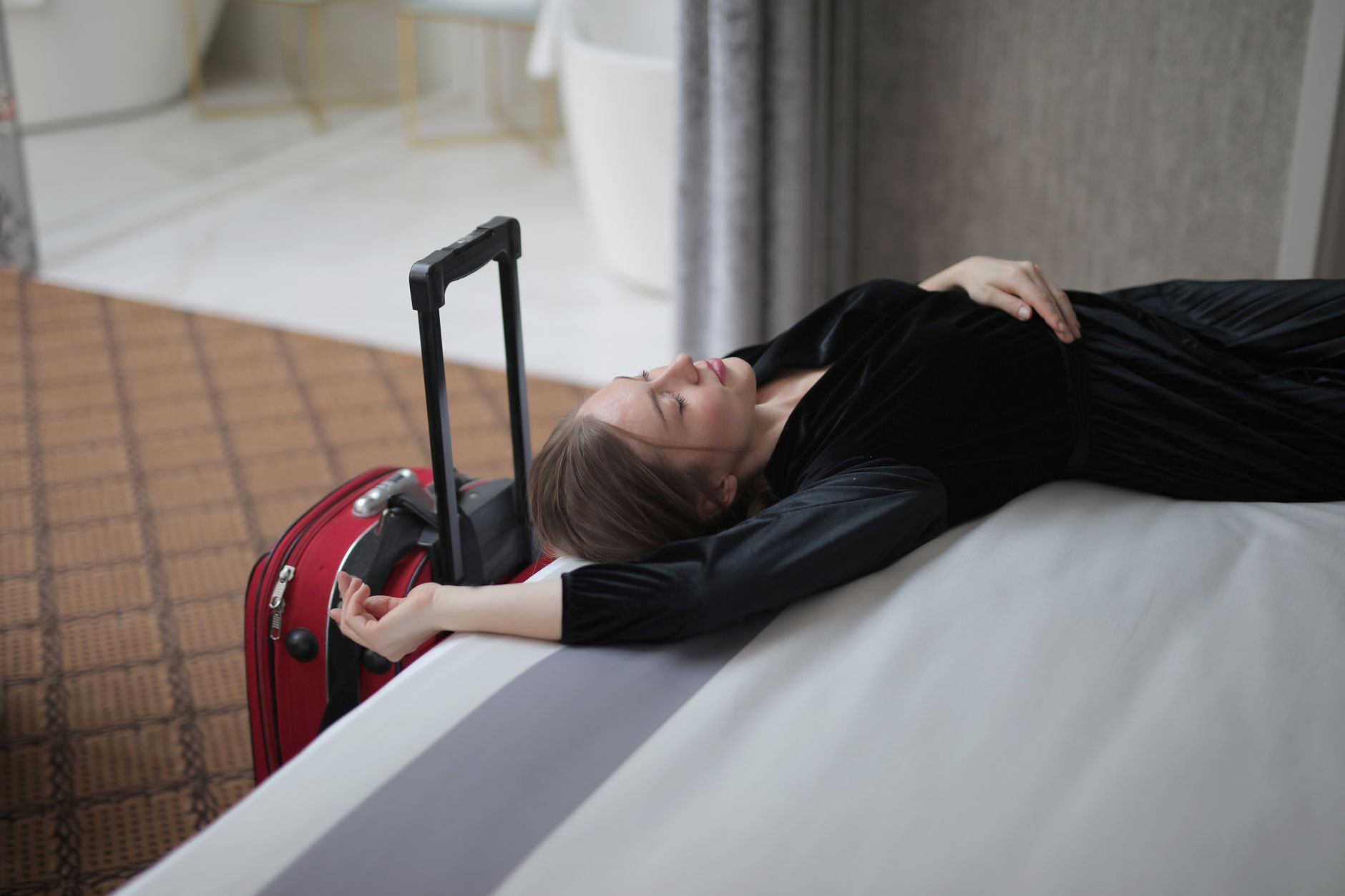
The plane touched down in Rome, a city I’d dreamed of exploring for years. But instead of feeling the usual thrill, a heavy fog clouded my brain. My eyes burned, my stomach churned, and all I wanted was to crawl into bed and sleep for a week. It was 10 AM, but my body insisted it was 4 AM, and the thought of navigating the Colosseum felt as appealing as running a marathon. That, my friends, was the moment I declared war on jet lag.
For years, I let jet lag steal precious hours, even days, from my trips. I’d arrive exhausted, spend too much time napping, and miss out on incredible experiences. But after countless long-haul flights – from New York to Tokyo, London to Bali – I’ve cracked the code. I’ve refined a 24-hour strategy that doesn’t just mitigate jet lag; it defeats it. And as we look ahead to October 2025, with its perfect shoulder-season travel opportunities, I’m sharing my battle-tested blueprint so you can hit the ground running, no matter how many time zones you cross.
This isn't just about surviving; it's about thriving. It’s about ensuring your first day isn't a blurry, caffeine-fueled haze, but a vibrant start to an unforgettable journey. Ready to reclaim your travel energy? Let’s dive in!
1. Pre-Flight Prep: The Unsung Heroes of Jet Lag Prevention (72-24 Hours Before Takeoff)
The fight against jet lag doesn't start when you land; it begins days before you even step foot on the plane. Think of this as your strategic warm-up.
Gradual Time Shift: The Gentle Nudge
This is my secret weapon for eastward travel. If you’re flying east (e.g., US to Europe), try to shift your sleep schedule by 30-60 minutes earlier each night for 2-3 nights before departure. Going west? Shift later. Even a small adjustment can make a huge difference. For my October 2025 trip to Athens, I’ll start shifting my bedtime by 45 minutes earlier for three nights, so by the time I board, I’ve already gained 2 hours on my internal clock. It sounds simple, but it’s incredibly effective.
Hydration, Hydration, Hydration!
Start chugging water like it’s going out of style. Air travel is incredibly dehydrating, which exacerbates jet lag symptoms like fatigue and headaches. Aim for at least 2-3 liters of water daily in the days leading up to your flight. Skip the extra coffee or sugary drinks. Your body will thank you.
Strategic Flight Choices: Red-Eye vs. Day Flight
For eastward travel across multiple time zones, I swear by a red-eye flight that lands in the morning at your destination. This allows you to attempt sleep on the plane and wake up with the local time. For westward travel, a daytime flight that lands in the late afternoon/early evening is often better, as you can stay awake, have dinner, and then go to bed at a reasonable local hour. For my October 2025 trip to Tokyo, I'd opt for a morning departure from the US, landing in the afternoon/evening Tokyo time, so I can have a light dinner and head straight to bed.
Pack Your Jet Lag Toolkit: Essentials Only
Don’t leave home without these:
* High-Quality Eye Mask: Not just any mask. I love the Manta Sleep Mask (around $35) for its complete blackout.
* Noise-Cancelling Headphones/Earplugs: Bose QuietComfort headphones (pricey, but worth it for $300-$350) are my go-to, but good foam earplugs (like Mack's, $5 for a pack) are a budget-friendly alternative.
* Comfortable Travel Pillow: The Trtl Pillow ($40) is a game-changer for neck support.
* Hydrating Face Mist & Lip Balm: Keep your skin happy in the dry cabin air.
* Electrolyte Tablets: Nuun or Liquid IV ($20-$25 for a pack) are fantastic for boosting hydration.
* Small, Healthy Snacks: Nuts, fruit, protein bars – avoid airport junk food.
* Compression Socks: Essential for circulation on long flights, preventing swollen ankles. I picked up a great pair from Amazon for about $15.
2. In-Flight Strategy: Your High-Altitude Battle Plan (During the Flight)
The plane is your temporary home, and how you manage this space is crucial.
Reset Your Watch Immediately
As soon as you board, switch your watch and phone to your destination's local time. Mentally, you’ve already arrived. Start planning your activities according to the new time zone. This simple act primes your brain for the change.
Hydrate Like Your Life Depends On It (Because Your Energy Does!)
This cannot be stressed enough. For every alcoholic drink or coffee, have two glasses of water. Ask flight attendants for extra water bottles when they pass through. I once asked for four water bottles on a flight from Dubai to London and politely explained my jet lag strategy – the flight attendant was incredibly understanding and even brought me more later! Avoid alcohol and excessive caffeine; they disrupt sleep and dehydrate you.
Move, Move, Move!
Every hour or two, get up and walk the aisle. Do some simple stretches in the galley. Circle your ankles, roll your shoulders. This improves circulation and prevents stiffness, making you feel less sluggish upon landing. I always do a few lunges and arm stretches in the back of the plane – yes, you might get a few odd looks, but who cares when you land feeling great?
Strategic Light Exposure
This is key for syncing your circadian rhythm.
* Flying East (e.g., Europe from US): Keep your window shade open during daylight hours at your destination. If it’s daytime where you’re going, expose yourself to light. If it’s nighttime at your destination, try to sleep. Use your eye mask and earplugs.
* Flying West (e.g., Asia from Europe): Do the opposite. Try to sleep when it’s nighttime at your destination, and stay awake during their daytime.
Eat Wisely (or Not at All)
Many airlines offer meal services that don't align with your destination's time zone. If it's 2 AM at your destination but they're serving dinner, politely decline or just pick at something light. Bring your own healthy snacks to munch on when you would normally eat. I usually pack a substantial protein bar and some fruit to bypass the less-than-ideal airplane meals.
3. The Golden Hour: Landing & Immediate Actions (Hour 0-4 Post-Landing)
You've landed! This is where the 24-hour reset truly kicks into high gear.
Embrace the Light (or Avoid It)
This is your most powerful tool.
* Daytime Arrival: Immediately expose yourself to natural light. Head outdoors, go for a walk, sit at a cafe terrace. Sunlight signals your brain to be awake and helps reset your internal clock. When I landed in Lisbon at 8 AM, I immediately found a sunny outdoor cafe, ordered a strong coffee (my one strategic indulgence), and soaked in the morning light. It felt like a jolt of natural energy.
* Nighttime Arrival: Conversely, if you land at night, avoid bright lights, especially blue light from screens. Head straight to your accommodation, dim the lights, and prepare for sleep.
Move Your Body (Gently!)
Resist the urge to collapse onto your hotel bed. Even if you're exhausted, a brisk 20-30 minute walk will do wonders. It boosts circulation, gets you some natural light (if it’s daytime), and helps burn off restless energy. Plus, it’s a fantastic way to get your first taste of your new surroundings! In Paris, I once dropped my bags and immediately walked along the Seine – the fresh air and iconic views were the perfect antidote to cabin fever.
Hydrate Again!
Buy a large bottle of local water as soon as you can. Continue to sip throughout the day. Dehydration is the enemy of energy.
Resist the Nap (Seriously!)
This is the hardest rule, but the most important. A long nap will only perpetuate your jet lag. If you absolutely must rest, limit it to a "power nap" of 20-30 minutes, setting an alarm. I once gave into a 3-hour nap in Rome and woke up feeling even more disoriented. Never again! Push through, even if you feel like a zombie.
4. The Mid-Day Push: Powering Through (Hour 5-12 Post-Landing)
You’ve made it through the initial shock. Now, it’s about sustained effort.
Fuel Your Body with Smart Food Choices
Eat meals that align with local mealtimes. Opt for fresh, light, protein-rich foods. Avoid heavy, greasy meals that can make you feel more sluggish. Embrace the local cuisine, but make smart choices. A fresh salad in Barcelona or grilled fish in Santorini will make you feel much better than a heavy pasta dish.
Strategic Caffeine (If You Must)
If you need a pick-me-up, have a small coffee or tea, but make sure it’s before 2-3 PM local time. Any later, and it could interfere with your ability to fall asleep at night. I usually grab one excellent local coffee (like an espresso in Italy or a flat white in Australia) and that's it for the day.
Stay Active and Engaged
Keep exploring! Visit a museum, wander through a market, find a local park. The key is to keep your body and mind engaged with your new environment. This helps distract you from the fatigue and reinforces the new time zone. When I landed in Dublin for a conference, instead of heading straight to my hotel, I took a detour through St. Stephen's Green, grabbed a sandwich, and people-watched. It felt natural and energizing.
Avoid Prolonged Screen Time
While it's tempting to scroll through social media or catch up on emails, the blue light emitted from phones, tablets, and laptops can interfere with your body's natural melatonin production. Limit screen time, especially as evening approaches.
5. Evening Wind-Down: Preparing for Restful Sleep (Hour 13-18 Post-Landing)
You're nearing the finish line of your 24-hour reset! This phase is all about setting yourself up for a successful first night's sleep.
Light Dinner, Early Bedtime
Aim for a light, easily digestible dinner a few hours before your desired bedtime. Heavy meals too close to sleep can disrupt digestion and keep you awake. Think fresh vegetables, lean protein, or a light soup. If you're in Mexico City, maybe some fresh ceviche instead of a heavy mole.
Create a Relaxing Bedtime Routine
Start winding down 1-2 hours before you want to sleep.
* Warm Bath or Shower: This helps lower your body temperature, which is a signal for sleep.
* Read a Book: Ditch the screens and pick up a physical book.
* Herbal Tea: Chamomile or lavender tea can be incredibly soothing.
* Gentle Stretching or Meditation: A few minutes of quiet stretching or a guided meditation app can calm your mind.
Dim the Lights
As evening progresses, dim the lights in your room. This signals to your brain that it’s time to produce melatonin, the sleep hormone. Avoid bright overhead lights.
Consider Magnesium
Magnesium supplements (around $10-$15 for a month's supply) can help relax muscles and promote better sleep. I often take a small dose (200-400mg) about an hour before bed after a long flight, and it makes a noticeable difference. Always consult with a doctor before starting any new supplements.
6. The Overnight Reset: Your First Night's Sleep (Hour 19-24 Post-Landing)
This is the ultimate test and reward for your efforts.
Optimize Your Sleep Environment
Make your room as dark, cool, and quiet as possible.
* Blackout Curtains: Crucial! If your hotel doesn't have them, improvise with towels or clothes over gaps.
* Thermostat: Set the room temperature to a cool 65-68°F (18-20°C).
* Noise Control: Use your earplugs or noise-cancelling headphones if needed.
Melatonin: A Gentle Aid
For the first 1-2 nights, a low dose of melatonin (0.5mg to 1mg) taken 30-60 minutes before your desired bedtime can be incredibly helpful. It’s not a sleeping pill; it simply signals to your brain that it’s nighttime. Start with the lowest dose to see how you react. I personally find 0.5mg enough to nudge my system. (Again, consult your doctor).
Avoid Clock-Watching
If you wake up in the middle of the night, resist the urge to check the time. Knowing it's 3 AM when you want it to be 8 AM can trigger anxiety and make it harder to fall back asleep. Just acknowledge the wakefulness, practice some deep breathing, and try to drift back to sleep.
Wake Up with the Sun (or Alarm!)
Set your alarm for a reasonable local wake-up time (e.g., 7-8 AM). As soon as it goes off, open those curtains and let the light flood in! This reinforces the new day-night cycle. Get up, stretch, and start your day with purpose.
Beyond 24 Hours: Sustaining Your New Rhythm
Congratulations! If you've followed these steps, you should wake up on Day 2 feeling significantly more refreshed and aligned with your new time zone. The key now is consistency. Continue to:
- Prioritize natural light exposure during the day.
- Stay hydrated.
- Maintain regular meal times according to local hours.
- Engage in moderate activity.
- Stick to a consistent sleep schedule.
By day three, you'll likely feel fully integrated into your new rhythm, ready to fully embrace every moment of your October 2025 adventure, whether it's exploring ancient ruins in Jordan, sipping mulled wine at a German Christmas market, or hiking through vibrant autumn foliage in Vermont.
Your Adventure Awaits, Jet Lag-Free!
Jet lag doesn't have to be an inevitable evil that plagues your travel dreams. With a little planning, strategic action, and a commitment to these 24-hour steps, you can conquer time zones and ensure your October 2025 trips are filled with energy, excitement, and unforgettable memories from the very first moment.
So, next time you're booking that long-haul flight, remember this guide. Pack your toolkit, hydrate relentlessly, embrace the light, and refuse that mid-day nap. Your vibrant, jet lag-free adventure is waiting!
What are YOUR go-to jet lag hacks? Share your tips and tricks in the comments below! Let's build the ultimate jet lag survival guide together!
---