November brings a range of festivals that mark harvests, remembrance, religious observances and the turn toward winter in different parts of the world. Because many of these celebrations happen once a year and follow established calendars, they can be excellent reasons to plan a trip in advance. Some are large public events, while others are intimate family or community gatherings. Attending a festival can offer a deeper look at local life than a standard sightseeing itinerary. This guide explains how to choose an event, plan around its dates and take part in a respectful way.
Festivals with a long tradition
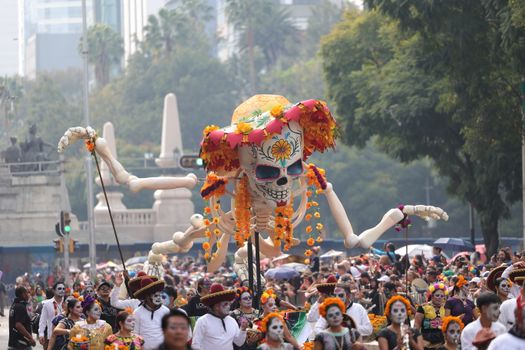
Many November celebrations have deep roots. The Day of the Dead observances in Mexico, which begin on the first days of November, are rich in altars, marigolds, food offerings and visits to cemeteries. In the United Kingdom, Bonfire Night on the fifth of November marks a historical event with fireworks and community bonfires. Diwali, the festival of lights, is observed across India and by many communities worldwide, with dates that follow the lunar calendar and can fall in October or November. Each tradition has its own customs, so learn the background before you attend.
Harvest and seasonal festivals
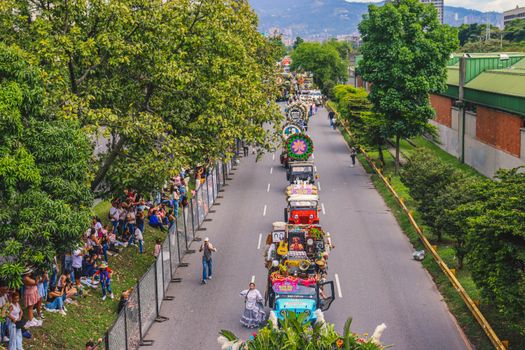
Harvest celebrations take place in many countries as the agricultural year closes. Some are centered on a local crop, with parades, markets and tastings, while others are quieter gatherings in rural communities. Thanksgiving in the United States is a national holiday with regional variations, and it is typically observed on a fixed weekday in late November. Visitors often find that small harvest events in villages offer warm hospitality and local produce.
Light and water festivals
Several Asian countries hold lantern and water festivals in or around November, often linked to the lunar calendar. Loy Krathong in Thailand involves floating decorated baskets on waterways, while similar traditions appear in other regions with their own symbolism. Dates shift from year to year, so confirm the exact timing with tourism offices before planning. Respect the environment around waterways, and choose eco-friendly offerings where recommended.
Religious and community observances
Some November festivals are religious or community-based, such as the feast days of various saints, commemorations of ancestors and remembrance services. These events can be solemn, and visitors are often expected to dress modestly, keep noise to a minimum and follow instructions from organizers. Ask about photography rules and whether visitors are welcome at all parts of a ceremony.
Planning around festival dates
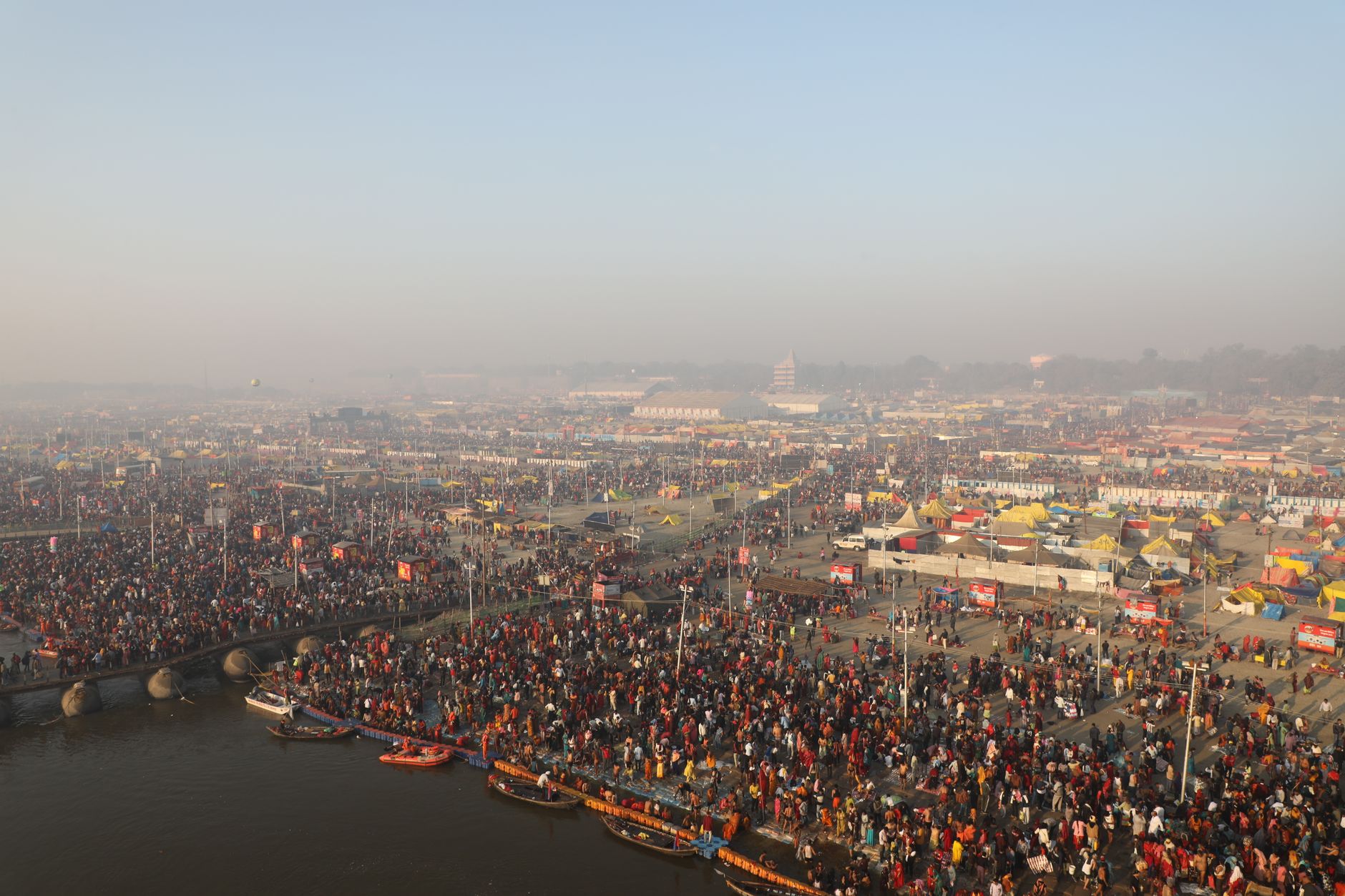
Festival dates can be fixed, lunar or dependent on local announcements, so check the official calendar early. Accommodation and transport often fill quickly around major events, and prices may rise. Book hotels and trains as soon as dates are confirmed, and consider staying slightly outside the center if central rooms are scarce. Allow time for crowds and check whether roads or streets will be closed during parades.
Respectful participation
Festivals are often personal for the people who celebrate them. Learn a few basic customs, such as greetings, appropriate clothing and how to behave around altars or sacred spaces. Ask before photographing individuals, and avoid blocking processions or doorways. If you are invited to join a family meal or activity, accept with gratitude and follow the lead of your hosts.
Practical tips
Check official tourism websites for confirmed dates and event schedules, and be aware that some celebrations are announced only shortly in advance. Book accommodation and transport early, and keep a flexible plan in case of weather changes. Carry small change for local vendors and carry a light rain layer, since November weather can be variable. Learn about any local etiquette before arriving, and check whether any events require tickets. Above all, take time to enjoy the atmosphere rather than rushing from one event to the next.
Common mistakes to avoid
A frequent mistake is assuming that a festival will look the same every year. Dates, routes and programmes can change with local calendars, weather and organisers, so older information may be out of date. Another error is choosing an event only for its crowds or photographs, without understanding what it means to the people who celebrate it. Travelers also tend to underestimate how busy a town will be, leaving limited time to find transport, food or a bed. Some people expect every part of a festival to be open to visitors, when certain ceremonies are reserved for participants. Others overpack or arrive without enough cash for small vendors. Thinking through these points early tends to make the trip calmer and more meaningful.
How to decide: a simple checklist
Use these questions to choose between events:
- Does the festival matter to me because of its meaning, music, food or landscape?
- Can I reach the town on the days I need, and leave afterwards?
- Am I comfortable with large crowds, late nights or early starts?
- Have I checked whether tickets, registration or permits are required?
- Am I willing to follow local customs at sacred or solemn events?
If most answers are yes, plan with a flexible schedule and book accommodation as soon as dates are confirmed. Festival calendars often differ between regions, so a date that works in one area may not work in another.
Who this suits and who it doesn't
Travelers who enjoy lively public events, cultural exchange and seasonal food may find festivals especially rewarding. Those who prefer quiet surroundings, predictable schedules or low-budget travel may find them demanding, since prices can rise sharply around major dates. Families may enjoy daytime parades and craft markets, while travelers with mobility limitations should check whether routes involve steep streets, long queues or uneven ground.
Once-a-year festivals can transform a trip into something memorable, offering insight into local beliefs, food and community life. By checking dates carefully, planning ahead and approaching celebrations with respect, you can take part in these traditions as a welcome guest rather than an uninformed observer.