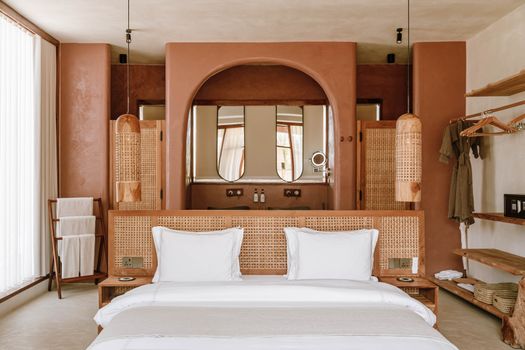
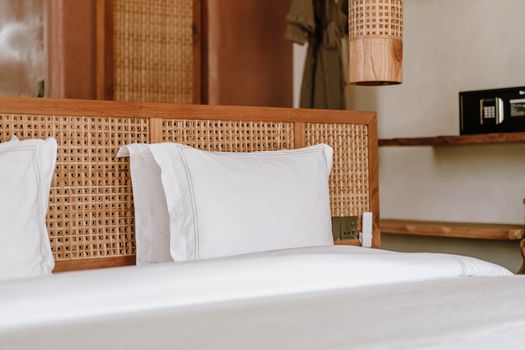
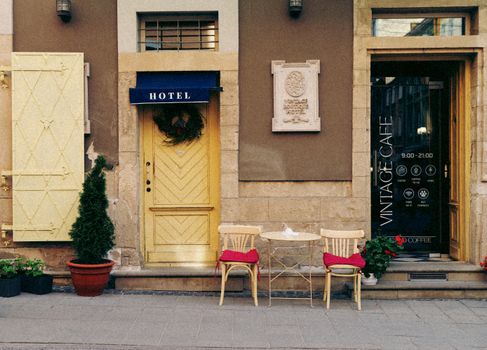
Walk into enough hotels and you start to notice two kinds. In the first, the lobby is a corridor between the front door and the lift, and nobody lingers. In the second, there is a reason to stay downstairs: a good coffee, a table of regulars, a bar with a bartender who remembers names. Over the past decade, more properties have tried to become the second kind, opening their restaurants, bars, gardens and workspaces to people who live nearby.
What that looks like depends heavily on where the hotel sits. A rooftop bar in a big city is a different animal from a village inn that doubles as the only restaurant for miles. This guide is organised by setting, so you can see what to expect and what to look for in each. It avoids precise numbers on purpose, because the shift is better understood by observing what hotels offer than by quoting statistics. As always, check current details with the hotel before you plan around any restaurant, event or opening time.
Why the Setting Changes Everything
A hotel that welcomes locals has to answer a basic question: who lives nearby, and what do they want? In a dense city, the answer might be after-work drinks, brunch and a place to meet clients. By the sea, it could be a relaxed lunch spot that stays open through the quiet months. In a mountain village, it may simply be the only warm, bright place to eat on a winter evening.
Understanding this helps you set sensible expectations. You will not find a coworking-style lobby in a farm inn, and you will not find a village hearth in a downtown design hotel. Each can be excellent at what it does.
City Hotels: Lobbies as Living Rooms
In large cities, local-friendly hotels tend to compete on atmosphere. Think of boutique properties in neighbourhoods like Lisbon's historic quarters, Mexico City's leafy districts, the older streets of Copenhagen or the creative areas of Melbourne. Typical features include:
- A ground-floor cafe that opens early and serves residents as well as guests.
- A bar that functions as a social space, sometimes with live music or DJs.
- Shared tables or sofas where people work in the daytime.
- A rooftop or courtyard that doubles as an event space.
- A small shop selling local goods.
What you gain
Cities can be overwhelming, and a lively hotel is a soft place to land. You can start the morning with good coffee among people who obviously know the neighbourhood, ask staff where to go for dinner and return in the evening to a space that feels like part of the city.
What to watch for
Noise is the main trade-off. Ask for a room away from the bar, and read reviews that mention sound. Also remember that popular restaurants can be fully booked, so reserve if a particular meal matters to you.
Beach and Coastal Hotels: The Year-Round Test
Coastal hotels face a seasonal problem. In high season the beach fills with visitors, and in the quiet months many businesses close. Hotels that cultivate local customers, such as residents who come for Sunday lunch or fishermen who drink at the bar, tend to stay open and alive.
Signs of a genuinely local coastal hotel include:
- A restaurant serving what the local boats bring in, rather than a generic international menu.
- Opening hours that continue outside peak season.
- A terrace where residents gather at sunset.
- Staff who stay year after year and know regulars by name.
What you gain
Off-season visits can be especially rewarding. The hotel is not simply waiting for summer; it still has a pulse. You may find seasonal menus, quieter beaches and a more authentic view of coastal life.
What to watch for
Resort-style properties sometimes claim a local connection while mainly serving package guests. Check whether the restaurant has its own following and whether reviews come from residents as well as visitors.
Mountain and Countryside Inns: The Community Hub
In rural areas, a hotel or inn may be the village's main gathering place. The dining room hosts weddings, birthday lunches and hunters' dinners, while the bar serves as the evening meeting point. Staying there is one of the easiest ways to feel part of a place.
Typical features:
- A restaurant using nearby farms, orchards and dairies.
- Regional specialities that change with the seasons.
- Hosts who are happy to share local walking routes, markets and festivals.
- Simple, comfortable rooms rather than elaborate design.
What you gain
Meals can be some of the best of a trip, and the people running the place often have deep knowledge of local trails, traditions and history. If you are travelling slowly, you may end up chatting with neighbours over a table of local cheese and wine.
What to watch for
Rural inns may close on certain days, have limited menus or require reservations for dinner. Confirm opening days and ask about dietary needs well in advance, since choices may be narrower than in a city.
Historic Conversions: Old Buildings, New Purpose
Many local-oriented hotels occupy old buildings: former convents, townhouses, grain stores, banks or factories. These conversions often keep a public ground floor, such as a bar in an old banking hall or a restaurant in a former workshop, that residents love.
What to expect:
- Dramatic architecture and character.
- Rooms of varied sizes and shapes, which can be charming or quirky.
- Public spaces that reflect the building's history.
- Sometimes stairs instead of lifts, so ask about accessibility if you need step-free access.
Small Guesthouses and Family-Run Hotels
Not every local-friendly hotel looks trendy. A family guesthouse where the owner cooks breakfast and neighbours drop in for coffee can be more genuinely local than any designer property. Look for:
- Hosts who live on site.
- Home-cooked meals based on regional dishes.
- A visible mix of guests and locals in the dining area.
- Personal recommendations rather than printed leaflets.
These places may lack modern gadgets, but their warmth is hard to replicate.
How These Hotels Fit Different Budgets
Price is not tied to being local-friendly. You can find:
- Budget options such as guesthouses and simple inns that rely on neighbours as customers.
- Mid-range boutique hotels with strong restaurants and social spaces.
- Higher-end properties that offer curated experiences, tasting menus and exhibitions.
Compare what is included. A hotel with a slightly higher rate that offers excellent breakfast, interesting public spaces and honest advice can be better value than a cheaper but anonymous alternative. Prices vary by season and demand, so check current rates and cancellation terms.
A Simple Way to Compare Options
When you are choosing between two or three hotels, try scoring each on five points from one to five:
- Public spaces. Are they inviting and used by non-guests?
- Food and drink. Does the restaurant have its own reputation?
- Neighbourhood. Is it walkable, safe and interesting?
- Staff. Do reviews describe warm, knowledgeable service?
- Rooms. Are they quiet, comfortable and well maintained?
Weight whichever matters most to you. A trip centred on food might double the second score, while a work trip might double the first.
Tips for Being a Good Guest
Staying somewhere that belongs to a community comes with a few small responsibilities.
- Greet staff and neighbours. A little friendliness changes the tone.
- Keep noise reasonable in shared and residential areas, especially late at night.
- Eat or drink at the hotel at least once, since that supports the business model that keeps the place lively.
- Ask for recommendations, and then follow them. Staff love it when guests actually go.
- Leave honest reviews that mention specifics, such as the dishes you liked or the staff who helped.
- Respect local customs, from mealtimes to dress codes at certain venues.
Seasonality and Timing
Local life in a hotel is not constant. A seaside inn may be buzzing in summer and nearly silent in January, while a city hotel bar may peak on Thursday and Friday nights. Matching your visit to the rhythm of the place changes what you experience.
- Weekday evenings are often when residents dominate the restaurant, so you see the real character of a place.
- Sunday lunch is a tradition in many regions, and hotel dining rooms can be full of families.
- Shoulder seasons such as spring and autumn offer a balance: places are open, staff have time to talk and prices are often gentler than at the peak.
- Festivals and market days bring extra energy, but also higher demand, so book early.
If you want to meet people, avoid arriving on a day when the restaurant is closed. Check opening days, as many smaller venues close one or two days a week.
What to Pack and Prepare
A few small preparations help you get the most from a hotel that doubles as a community space.
- A light layer for evenings on terraces and in gardens.
- Earplugs, in case you land a room above a lively bar.
- A few phrases in the local language, which warm up almost any conversation.
- A flexible plan for dinner, since popular tables may need reserving.
- A reusable bag or bottle for market visits and day trips suggested by staff.
Frequently Asked Questions
Do all boutique hotels welcome locals?
No. Some are designed primarily for travelers and never attract local customers. Look at restaurant reviews, event listings and photos of public areas to see who actually uses the space.
Is it better to stay in the city centre or a residential neighbourhood?
A residential or mixed neighbourhood often supports hotels with a stronger local connection, but the centre offers convenience. Choose according to how you will spend your days.
Will I be able to sleep if the bar is busy?
Usually, if you choose a room away from public areas and check reviews for noise. Earplugs are a cheap precaution.
Are these hotels suitable for families?
Many are, particularly guesthouses and inns. Check room configurations, early dining options and whether public spaces get loud late at night.
Summary
A hotel that serves its neighbours takes a different shape in every setting. In cities it becomes a lively living room, on the coast a year-round gathering point, in the countryside a village hub, and in historic buildings a stage for the past. Family guesthouses offer the same warmth with less polish. Match the type to your trip, look beyond bedroom photos to public spaces and food, ask honest questions before booking and be a thoughtful guest once you arrive. The reward is a stay that connects you to the place rather than separating you from it.