The Day the Hotel Lobby Grew a Soul
I stepped off the Overground at Shoreditch High Street, the damp autumn air smelling of diesel, wet asphalt, and toasted sourdough. It was 8:30 AM on a Tuesday, a time when traditional hotel lobbies are usually desolate wasteland zones occupied only by jet-lagged business travelers nursing lukewarm drip coffee.
But as I pushed through the heavy glass doors of The Hoxton, I was hit by a wall of energy.
The air smelled of single-origin espresso pulled from a custom Synesso MVP Hydra and the sweet, buttery scent of fresh-baked cardamom buns. Every mid-century teak armchair was occupied. A local graphic designer with a neon-green beanie was furiously sketching on an iPad; next to her, two neighborhood entrepreneurs were pitching an investor over plates of avocado toast; and in the corner, a local dog curled up at the feet of a novelist.
```
Old Hotel Model: Sterile lobby -> Tourist bubble -> Overpriced gift shop -> Disconnected stay
New Hotel Model: Open living room -> Local integration -> Neighborhood hub -> Authentic stay
```
This wasn't a transient waiting room; it was the neighborhood’s living room.
For decades, hotels viewed locals as a nuisance—people who clogged up the Wi-Fi without booking a room. But when global travel ground to a halt, the smart properties realized their survival depended on the people living within a three-mile radius. They tore down the invisible barriers, redesigned their public spaces, launched community-centric programming, and invited the neighborhood in.
The result? A massive upgrade in atmosphere. When you stay at these hotels now, you aren't isolated in a tourist bubble. You are immediately plugged into the authentic, beating heart of the city.
---
1. The Pioneer of the Open-Lobby: The Hoxton, Shoreditch (London)
Shaking Off the Velvet Ropes
Long before the pandemic forced other brands to scramble, The Hoxton pioneered the "open lobby" concept. However, their recent pivot took this philosophy to a whole new level. They realized that Shoreditch freelancers needed more than just a table; they needed a fully integrated ecosystem.
The hotel replaced its underutilized corner spaces with "Working From_," a dedicated, high-spec coworking brand within the hotel. They swapped generic catering for partnerships with local East London roasters and bakeries, ensuring that every penny spent in the lobby supported the immediate community.
The Aesthetic
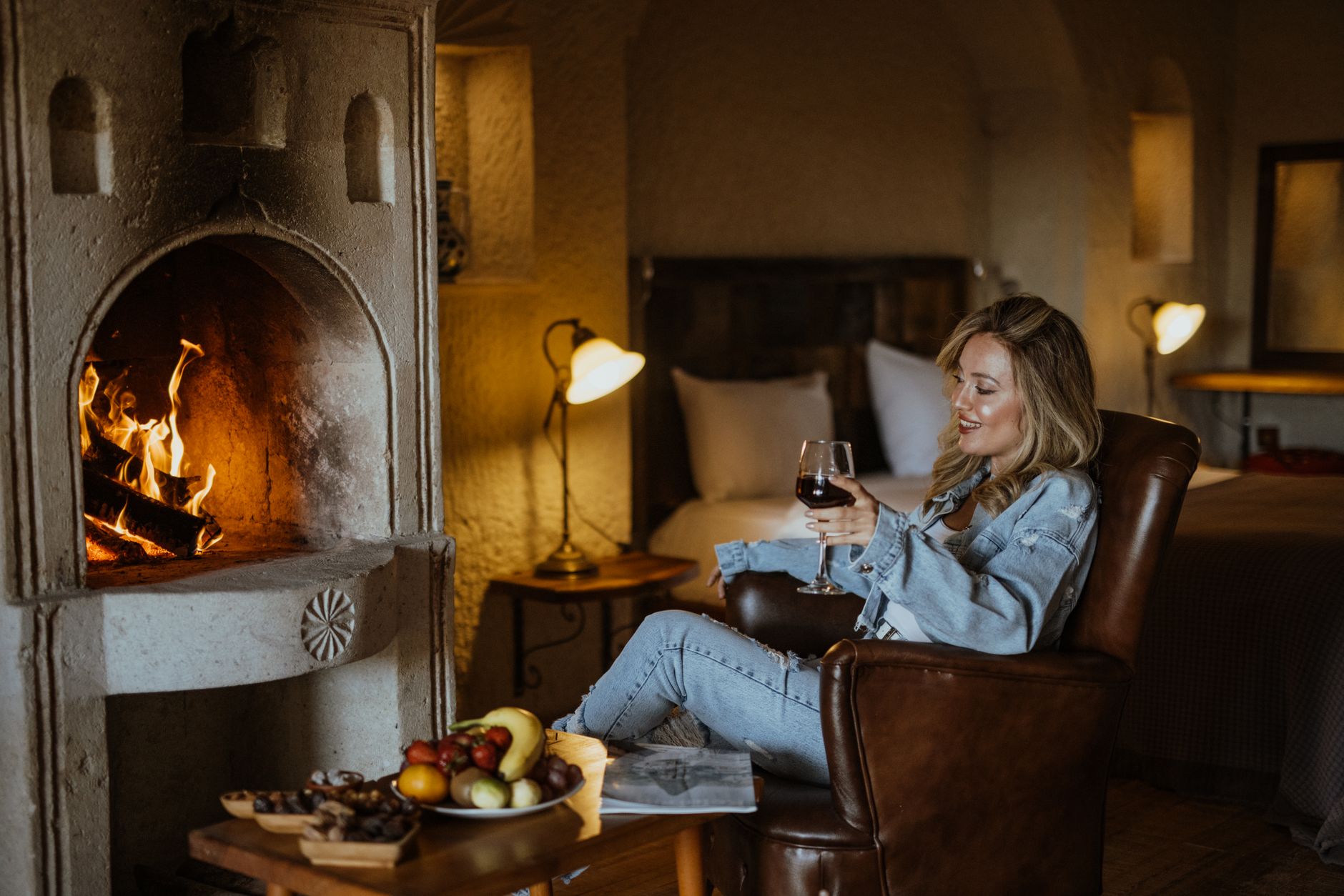
Industrial-chic utility meets residential warmth. Think raw concrete pillars, exposed ductwork softened by trailing pothos plants, plush velvet sofas in burnt orange and olive green, and brick fireplaces that burn real wood during the damp London winters.
*