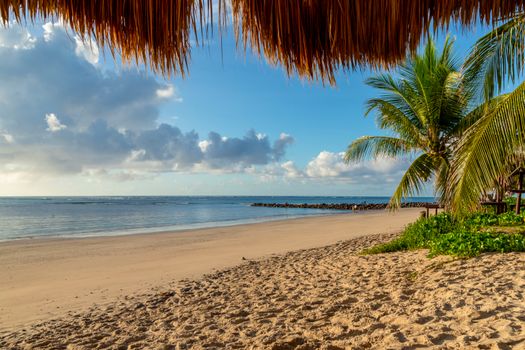
Some beach towns make more sense when the beach is empty. The sand is wide, the cafes become living rooms and the sea changes mood with the weather. If you have only seen a coastal town in August, an autumn or spring visit can feel like meeting a different place entirely.
This guide takes a region-by-region approach rather than a ranked list. Instead of promising a definitive top seven, it explains which kinds of coasts reward off-season travel, offers examples of towns that people often enjoy outside peak months and notes what to check before you go. Seasons, weather, transport schedules and opening times change, so verify details with local tourist offices or official sources.
How to Read This Guide
Each region below covers the best time to visit in general terms, the character of the towns, what is likely to be open and what to watch out for. The towns named are examples of the sort of place that works well in quieter months, not guarantees. Conditions vary from year to year.
The Mediterranean
The Mediterranean basin is a classic off-season destination because its winters are mild compared with northern Europe, and autumn is long.
Best months
September and October are warm and relaxed, with the sea still holding summer heat. April, May and early June bring wildflowers and fresh green hills. Winter is quieter and cooler, with some closures.
Towns to consider
- Cadaqués and the Costa Brava, Spain. Whitewashed houses and rocky coves are attractive in spring and autumn, with fewer visitors and good walking.
- Sozopol and Nessebar, Bulgaria. Old towns on the Black Sea coast that keep a historic atmosphere beyond summer, though winter can be very quiet.
- Cefalù, Sicily. A walkable town with a cathedral and a beach, appealing for its food and history in spring and autumn.
- Hvar and Korčula, Croatia. Island towns that are far calmer after the peak season, though ferry schedules reduce, so check timetables.
- Kardamyli and the Mani, Greece. Hiking, olive groves and stone villages in spring and autumn.
What to watch for
Island ferries and beach clubs may reduce services. Some coastal hotels close from late autumn through spring. Check what is open before you commit.
The Atlantic Coast of Europe
The Atlantic has a different mood: bigger waves, bolder skies and a culture of seafood and surfing.
Best months
Late spring and early autumn often offer a balance of mild weather and quiet. Winter can be wild, with storms that attract photographers and watchers, but wet and windy.
Towns to consider
- Comporta and the Alentejo coast, Portugal. Long beaches, rice fields and relaxed restaurants. Quiet seasons suit walkers and food lovers.
- Nazaré, Portugal. Famous for large winter waves that attract surfers and spectators, plus a historic fishing heritage.
- San Sebastián and nearby coast, Spain. Strong food culture means restaurants and bars stay busy beyond summer, and the surfing and cycling are good in the shoulder season.
- Saint-Malo and the Brittany coast, France. Walled town, seafood and dramatic tides, lively in cooler months with oyster and crêpe culture.
- Whitstable and the Kent coast, England. A town known for oysters and a lively local community that keeps cafes and galleries going out of season.
What to watch for
Weather changes quickly. Bring waterproofs and check sea conditions. Tide times can dictate beach walks.
The North American East Coast
Many North American beach towns revolve strongly around summer, but the shoulder season has a loyal following.
Best months
September is often considered a favourite month, with warm water and thinner crowds. May and June bring pleasant temperatures before peak season. Winter is stark and quiet.
Towns to consider
- Cape May, New Jersey. Victorian architecture, birdwatching and an appealing autumn atmosphere.
- Provincetown, Massachusetts. A creative community and a lively local life that continues beyond summer, though some businesses close in winter.
- The Outer Banks, North Carolina. Long beaches, wildlife and fishing are pleasant in spring and autumn.
- Charleston coast and nearby islands, South Carolina. Mild springs and falls make walking and food tourism enjoyable.
What to watch for
Many seasonal businesses close after summer, particularly in smaller communities. Hurricane season, roughly from June to November, affects the Atlantic and Gulf coasts, so keep an eye on forecasts and flexible bookings.
The North American Pacific Coast
Best months
Late summer and autumn are often clear, as the typical summer fog eases in some areas. Winter brings storms and whale migration in many places.
Towns to consider
- Cannon Beach, Oregon. Rock formations, tide pools and winter storm watching. Dress warmly.
- Carmel-by-the-Sea and the Big Sur coast, California. Coastal trails and galleries are pleasant outside high season, though road conditions can change due to weather.
- Tofino, British Columbia. Known for surfing, rainforest and storm-watching in winter, with a cozy atmosphere.
What to watch for
Cold water, strong currents and sneaker waves are real hazards on the Pacific coast. Follow safety signs and local advice.
Australia and New Zealand
Seasons are reversed in the southern hemisphere, so their winter is June to August.
Towns to consider
- Byron Bay and the north coast, New South Wales. Warm days can persist into autumn and winter, and the surf culture continues.
- Margaret River, Western Australia. A wine and coast region that is rewarding in winter and spring, with whale watching in some months.
- Kaikōura, New Zealand. Marine wildlife viewing is available year-round, and the dramatic mountains meeting the sea add to the appeal.
What to watch for
Distances are long, and some coastal roads may close due to weather. Check conditions before travel.
Tropical Regions: Choose Carefully
In the tropics, the off-season usually means the rainy season, which can be pleasant in some places and miserable in others.
- Southeast Asia. Monsoon patterns differ between coasts. When one side is rough, the other may be calm, so research regional patterns.
- The Caribbean. Hurricane season requires flexibility and good travel insurance, and some islands see closures. Shoulder months at the edges of the season can offer calmer weather.
- Mexico and Central America. Rain often arrives in afternoon bursts, and mornings can still be sunny. Some beach towns become quiet and lush.
Tropical off-season travel can be rewarding, but weather risk is higher, so choose flexible bookings and follow local advice.
Common Traits of Great Off-Season Towns
Across regions, the best off-season beach towns tend to share certain traits.
- They are real communities. Schools, markets and everyday services keep the place alive.
- They have a food scene. Cafes, bakeries and restaurants that depend on locals stay open.
- They offer indoor options. Museums, galleries, spas and covered markets provide shelter.
- They have walking or cycling routes. Coastal paths add purpose to any day.
- They have reliable transport. Trains or buses run in the quiet months.
A Sample Off-Season Weekend
A weekend in a small coastal town might look like this. Arrive Friday afternoon, check in and take a walk along the shore as the light fades. Have dinner at a local seafood restaurant where the staff chat with regulars. On Saturday, rise late, visit the morning market, hike along a coastal path with a packed lunch and return to a warm cafe. In the evening, find a local event or enjoy a quiet drink. Sunday could include a leisurely brunch, a final beach walk and a slow journey home.
Budgeting for a Quiet-Season Trip
Costs behave differently outside the peak. Accommodation often drops, sometimes noticeably, and many hotels and guesthouses are willing to negotiate for longer stays. Restaurant prices usually stay similar, but you may find set lunch menus aimed at locals that offer good value. Car hire can be cheaper, but remember that some rural roads are slower in winter, and fuel and parking costs still add up.
Transport is where savings can vanish. If trains or buses run less frequently, you might need taxis or a rental car, which changes the equation. Check timetables early, and where service is thin, plan a base that lets you walk or cycle for most activities.
A reasonable approach is to set a loose daily budget that includes lodging, meals, local transport and one paid activity, then compare two or three destinations on total expected spend, not only the room rate. Prices change with season and demand, so rely on current quotes.
Questions to Ask Your Host Before You Book
A short message to your hotel or guesthouse can prevent surprises.
- Is the heating reliable, and are rooms insulated well?
- Which restaurants and shops are open during my dates?
- Is parking available and easy in the quiet season?
- Are there local events or festivals that week?
- Are there any works or renovations nearby?
- What would you suggest to do if the weather turns bad?
Hosts in off-season towns are often delighted to hear from guests and are usually generous with advice.
Frequently Asked Questions
Is winter too cold for a beach trip?
It depends on your expectations. If you want sunbathing, choose tropical or mild climates. If you enjoy walks, food and storm watching, colder coasts can be wonderful.
How do I know if a hotel is open?
Check the hotel's official website or contact them directly. Booking platforms may not always reflect seasonal closures.
Which coastal region is best for a first off-season trip?
The Mediterranean in September, October, April or May is a gentle introduction, with mild weather and many open businesses.
Do I need travel insurance?
Insurance is sensible for any trip, especially where storms and cancellations are possible. Read the policy for weather-related coverage.
Summary
Beach towns reward off-season visits in many parts of the world, but the best timing and the best towns differ by region. The Mediterranean shines in spring and autumn, the Atlantic coast in shoulder months and for storm watchers, North American coasts in September and spring, and the southern hemisphere during its own mild seasons. Tropical areas need more caution. Choose real communities with food, indoor options and reliable transport, confirm what is open and respect the sea. A quiet coast, visited at the right time, can be the most memorable version of a familiar holiday.