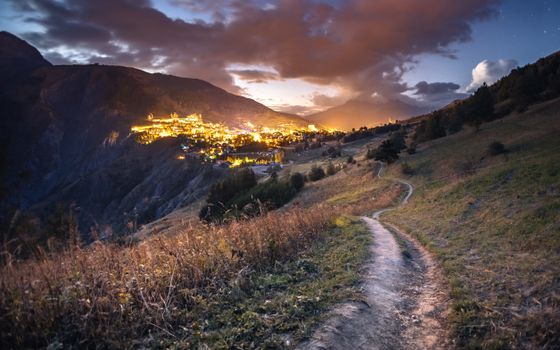
Unveiling November's Magic: Hike Your Way to Hidden Villages in 2025
You know that feeling, right? That insatiable itch for something more than just another tourist trap. The yearning for a journey where every step feels like a discovery, every turn reveals a secret, and the destination isn't just a point on a map, but a living, breathing story. For me, that feeling often culminates in one particular obsession: finding hidden villages at the end of a winding trail.
I remember my first encounter with true village magic. It was late autumn, a few years back, in a remote corner of the Italian Dolomites. The air was sharp, carrying the scent of pine and damp earth. Golden larch trees blazed against the stark grey of the peaks, and the trails, usually bustling, were quiet save for the crunch of my boots. After hours of climbing, just as the sun began its descent, painting the sky in fiery hues, I rounded a bend and there it was: a cluster of ancient stone houses clinging to a hillside, smoke curling lazily from chimneys, and a tiny, impossibly charming church spire piercing the twilight. There wasn't a gift shop in sight, just the genuine warmth of a family-run rifugio and the feeling of having stumbled upon a piece of untouched history. That, my friends, is the kind of magic I live for.
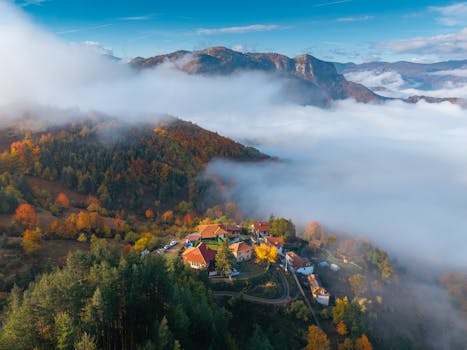
And guess what? November 2025 is your golden ticket to experience just that. Forget the summer crowds and the winter closures. November offers a unique, liminal space – a sweet spot where the landscape is painted in dramatic hues, the air is invigorating, and the locals are more inclined to share a story over a steaming cup of something delicious. So, lace up those boots, adventurer. It’s time to plot your escape.
Why November is the Secret Sauce for Hidden Village Hikes
Before we dive into the specific trails and villages, let's talk about why November is truly special for this kind of adventure. It’s often overlooked, sandwiched between the vibrant fall foliage peak and the festive winter holidays, but that's precisely its charm.
- Fewer Crowds, More Authenticity: This is the big one. Popular trails and villages that are swarming with tourists in peak season become serene havens in November. You'll find yourself sharing paths with local shepherds, not selfie sticks, and experiencing genuine interactions with villagers who aren't overwhelmed by mass tourism.
- Dramatic Landscapes & Unique Light: The autumn colors might be fading in some regions, but they give way to a more subdued, rugged beauty. Think misty mornings, crisp, clear afternoons, and sunsets that paint the sky in deep oranges and purples. The low-angle sun creates incredible light for photography, highlighting textures and shadows that get lost in the harsh summer glare. Plus, in higher elevations, you might even catch the first dustings of snow, creating a truly ethereal scene.
- Crisp Air & Invigorating Hikes: The heat of summer is long gone, making strenuous climbs far more enjoyable. The cool, fresh air is a natural energizer, and there’s a distinct satisfaction in earning that warm meal and cozy bed after a day of brisk hiking.
- Off-Season Perks: Often, accommodation prices drop, and it's easier to find availability. Some smaller, family-run establishments might even offer more personalized service.
- A Sense of Discovery: There's a profound joy in exploring when you feel like you're one of the few. It elevates the experience from a mere trip to an expedition, a personal quest for discovery.
Practical Tip:
While November offers many advantages, it also means shorter daylight hours and potentially unpredictable weather. Always check forecasts, pack layers, and be prepared for rain, wind, or even early snow, especially at higher altitudes.
Europe's Enchanted Paths: Alpine & Mediterranean Secrets
Europe, with its ancient history and diverse landscapes, is a treasure trove of hidden villages. In November 2025, these paths promise an unparalleled journey into the heart of authentic culture.
1. The Dolomites, Italy: Val di Funes' Postcard Perfection
- The Vibe: Imagine snow-dusted peaks, golden larches, and charming wooden chalets nestled in verdant valleys. The Dolomites in November are breathtakingly beautiful, offering a serene counterpoint to their summer bustle.
- The Hike: Focus on the Val di Funes (Villnöß in German), specifically trails around Santa Maddalena and San Pietro. The Adolf Munkel Trail (Geisleralm loop) is usually still accessible, offering iconic views of the Geisler peaks. Look for less-traveled paths leading up to smaller hamlets like St. Johann or Tiso. The goal isn't just the famous church views (though they are stunning!), but the quiet paths that connect these tiny communities.
- The Village Magic: Santa Maddalena, with its iconic church set against the towering peaks, feels like a real-life postcard. But venture beyond the main viewpoint. Stay in a local agriturismo (farm stay) in a smaller hamlet. I remember one crisp evening, after a long hike, sharing a hearty bowl of Schlutzkrapfen (spinach and ricotta dumplings) and a glass of local wine with the family running my guesthouse. They told stories of winters past, and the sense of belonging, even for a night, was palpable.
- Practical Details (November 2025):
- Accommodation: Expect prices from €60-€150 per night for a cozy guesthouse or agriturismo. Book directly with local hosts for the best experience.
- Food: Hearty South Tyrolean cuisine is a must. Budget €20-€40 per meal. Don't miss speck, local cheeses, and apple strudel.
- Getting There: Fly into Venice (VCE) or Verona (VRN), then take a train to Bolzano, followed by a local bus to Val di Funes. A rental car offers the most flexibility for exploring smaller villages.
- Instagram Moment: The Santa Maddalena church with the Geisler peaks in the background, especially at sunrise or sunset. Use #DolomitesHiddenGems #ValDiFunesMagic.
2. Sierra de Gredos, Spain: Chestnut Forests and Stone Houses
- The Vibe: Tucked away in central Spain, the Sierra de Gredos is a rugged, wild landscape often overshadowed by more famous Spanish regions. In November, its chestnut forests are ablaze with color, and its ancient stone villages exude a timeless charm.
- The Hike: Explore the trails around villages like Cuevas del Valle and El Arenal. The GR-10 long-distance path traverses the region, but countless smaller, local trails connect these villages, often passing through old castañares (chestnut groves). These aren't high-altitude treks, but rather rolling hills and valleys, perfect for a crisp autumn walk.
- The Village Magic: These villages are characterized by their unique arquitectura negra (black architecture) – houses built with dark stone and slate roofs. Life moves at a slower pace here. I once spent a delightful afternoon in Cuevas del Valle, stumbling upon a calbotada (traditional chestnut roasting) in the village square. The aroma filled the air, and locals, bundled in sweaters, offered me a handful of warm chestnuts and a glass of homemade wine. It was spontaneous, authentic, and utterly unforgettable.
- Practical Details (November 2025):
- Accommodation: Rural guesthouses (casas rurales) typically range from €40-€100 per night.
- Food: Hearty mountain fare, often involving game meats, legumes, and, of course, chestnuts. Budget €15-€30 per meal.
- Getting There: Fly into Madrid (MAD), rent a car, and drive approximately 1.5-2 hours to the region. Public transport is limited, making a car highly recommended.
- Instagram Moment: The unique black stone architecture of the villages, framed by colorful chestnut leaves. #SierraDeGredos #HiddenSpain #ChestnutTrails.
3. Zagori Region, Greece: Stone Bridges and Ancient Paths
- The Vibe: Northwestern Greece's Zagori region is a land of dramatic gorges, ancient stone bridges, and 46 traditional villages (Zagorochoria) built into the mountainsides. November offers a quieter, more atmospheric experience, with misty mornings and a sense of ancient mystery.
- The Hike: Focus on trails connecting villages around the Vikos Gorge, one of the deepest canyons in the world. Hikes from Monodendri to Vikos village (or vice-versa) offer stunning views into the gorge, while gentler paths connect villages like Papingo, Aristi, and Dilofo, crossing magnificent Ottoman-era stone bridges. These trails are well-marked but feel incredibly remote.
- The Village Magic: Each Zagori village has its unique charm, with stone houses, cobbled streets, and central squares dominated by plane trees. Staying in a traditional guesthouse in Papingo, I remember waking to the sound of distant cowbells and the smell of woodsmoke. The evenings were spent by a roaring fire, savoring slow-cooked lamb and local cheeses, feeling a deep connection to the land and its history.
- Practical Details (November 2025):
- Accommodation: Traditional stone guesthouses range from €60-€150 per night.
- Food: Hearty mountain cuisine, including pies (pites), slow-cooked meats, and local herbs. Budget €20-€35 per meal.
- Getting There: Fly into Ioannina (IOA), then rent a car (essential for exploring the region) for the 1-1.5 hour drive to the Zagori villages.
- Instagram Moment: Photographing the iconic stone bridges (like Kokkori or Plakidas) enveloped in mist, or the dramatic views into Vikos Gorge. #ZagoriGreece #StoneVillageAdventures #VikosGorge.
Asia's Timeless Trails: Himalayan & Southeast Asian Gems
Beyond Europe, Asia offers a different kind of hidden village magic, often intertwined with ancient spiritual traditions and breathtaking natural grandeur.
4. Annapurna Region, Nepal: Gurung Culture on the Lower Trails
- The Vibe: While November is peak season for clear skies and epic mountain views in Nepal, we're not talking about the bustling main Everest Base Camp trail. Instead, focus on the lower Annapurna regions, exploring trails that branch off the main Ghorepani Poon Hill trek or the Annapurna Base Camp (ABC) route, leading to more remote Gurung villages.
- The Hike: Consider a trek that incorporates villages like Ghandruk, Chomrong, or even lesser-known hamlets like Landruk or Dhampus on shorter loops. Instead of rushing to the viewpoint, spend extra time exploring the side trails around these villages. Engage with locals, learn about their daily lives, and truly immerse yourself. These are often multi-day teahouse treks, where each night brings you to a new community.
- The Village Magic: Ghandruk, a large Gurung village, is famous for its slate-roofed houses, terraced fields, and panoramic views of Annapurna South and Machhapuchhre. But the real magic lies in the smaller, unnamed hamlets you pass through, where children greet you with "Namaste," and the smell of yak dung fires fills the air. My most cherished memory from a Nepal trek was an evening spent in a tiny teahouse, sharing stories (through a translator) with the elderly owner, sipping butter tea, and feeling the profound peace of the Himalayas.
- Practical Details (November 2025):
- Accommodation: Teahouse accommodation is basic but comfortable, typically €5-€15 per night for a room. Food costs add up, budgeting €20-€40 per day.
- Food: Dal Bhat (lentil soup, rice, and curried vegetables) is the staple, incredibly nourishing. Try momo (dumplings) and local teas.
- Getting There: Fly into Kathmandu (KTM), then take a domestic flight or bus to Pokhara. Treks usually start with a short drive from Pokhara. Permits (TIMS card, ACAP permit) are required. A guide/porter is highly recommended for safety and cultural insight (budget €25-€40/day for a guide, €20-€30/day for a porter).
- Instagram Moment: Terraced fields with Himalayan peaks in the background, Gurung women in traditional dress, or a sunrise view from a village rooftop. #NepalTrekking #HiddenHimalayas #GurungCulture.
5. Mai Chau Valley, Vietnam: Lush Rice Paddies & Stilt Houses
- The Vibe: While Sapa gets all the fame, the Mai Chau Valley, a few hours drive from Hanoi, offers a more tranquil and authentic experience of Vietnam's ethnic minority cultures. In November, the rice paddies are often a vibrant green or golden, and the weather is pleasantly cool.
- The Hike: The beauty of Mai Chau lies in its network of easy to moderate trails that crisscross the valley, connecting White Thai villages like Ban Lac and Pom Coong. You can spend days walking through rice fields, past bamboo groves, and along small rivers, discovering new hamlets around every bend.
- The Village Magic: Staying in a traditional stilt house homestay in Ban Lac was a highlight of my Vietnam travels. The evenings were filled with shared meals, traditional music, and the quiet hum of village life. I remember learning a few basic Vietnamese phrases from my host family, who taught me how to cook a simple but delicious stir-fry. It’s an immersive experience that goes beyond mere sightseeing, offering a true glimpse into the local way of life.
- Practical Details (November 2025):
- Accommodation: Homestays in traditional stilt houses are the best option, ranging from €20-€50 per night, often including breakfast and dinner.
- Food: Delicious Vietnamese home cooking. Budget €10-€20 per day. Try local sticky rice wine and fresh spring rolls.
- Getting There: Take a local bus or private transfer from Hanoi (approx. 3.5-4 hours).
- Instagram Moment: The lush green or golden rice paddies, traditional stilt houses, and the friendly faces of the White Thai people. #MaiChauVietnam #HiddenVietnam #HomestayAdventures.
Essential Gear & Safety for Your November Adventure
Before you embark on your quest for hidden villages, remember that preparation is key, especially in the shoulder season.
- Layering is Your Best Friend: Pack moisture-wicking base layers, insulating mid-layers (fleece or down), and a waterproof/windproof outer shell. Temperatures can fluctuate dramatically throughout the day and with elevation changes.
- Waterproof Hiking Boots: Sturdy, waterproof boots with good ankle support are non-negotiable. Trails can be muddy, rocky, or even have patches of ice.
- Navigation Tools: Don't rely solely on your phone. Bring a physical map, compass, and consider downloading offline maps (like Maps.me or AllTrails). A GPS device or app is a great backup.
- Headlamp/Torch: Daylight hours are shorter. A headlamp is crucial for early starts, late finishes, or unexpected detours.
- First-Aid Kit: A basic kit with blister treatment, pain relievers, antiseptic wipes, and any personal medications.
- Hydration & Nutrition: Carry enough water and high-energy snacks. A thermos with hot tea or coffee can be a game-changer on a chilly day.
- Power Bank: Keep your phone charged for photos and emergencies.
- Travel Insurance: Always, always, always get comprehensive travel insurance that covers hiking and any potential medical emergencies.
- Inform Someone: Let a friend or family member know your itinerary and expected return time.
- Respect Local Culture: Learn a few basic phrases, ask before taking photos of people, and be mindful of local customs. You are a guest in their home.
Beyond the Trail: Immersive Experiences
The hike itself is only half the adventure. The true magic of hidden villages lies in the immersion.
- Savor Local Cuisine: Don't just eat; experience. Seek out the regional specialties, dine at family-run tavernas, and ask about the ingredients. Food is a window into culture.
- Embrace Homestays & Guesthouses: Opt for local accommodations over international chains. This is where you'll meet the people, hear their stories, and gain a deeper understanding of their way of life.
- Capture the Moment (Respectfully): November light is a photographer's dream. Capture the landscapes, the village architecture, and the genuine smiles. But always be respectful when photographing people, asking permission first.
- Practice Slow Travel: Resist the urge to rush. Spend an extra day in a village, sit in the square, observe, and simply be. These are the moments that linger.
- Learn a Few Words: Even a simple "hello" or "thank you" in the local language can open doors and warm hearts.
- Support Local Artisans: Look for handmade crafts, textiles, or local produce. Your purchases directly support the community you're visiting.
Your November 2025 Adventure Awaits!
There’s a profound satisfaction in stepping off the well-trodden path, in trading the noise of the world for the whisper of the wind through autumn leaves. These hidden villages, nestled in the folds of mountains and valleys, offer more than just picturesque views; they offer a chance to reconnect with something ancient, authentic, and deeply human.
November 2025 is your invitation to embark on an adventure that will nourish your soul and fill your memory banks with stories you’ll tell for years to come. So, which path will you choose? Which hidden village will reveal its secrets to you?
Tell us in the comments below: Which hidden village are you dreaming of discovering in November 2025? And don't forget to share this post with your fellow wanderlusters! Let's inspire each other to find the extraordinary.
---