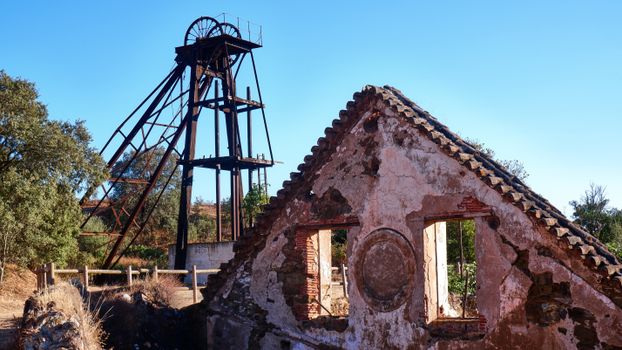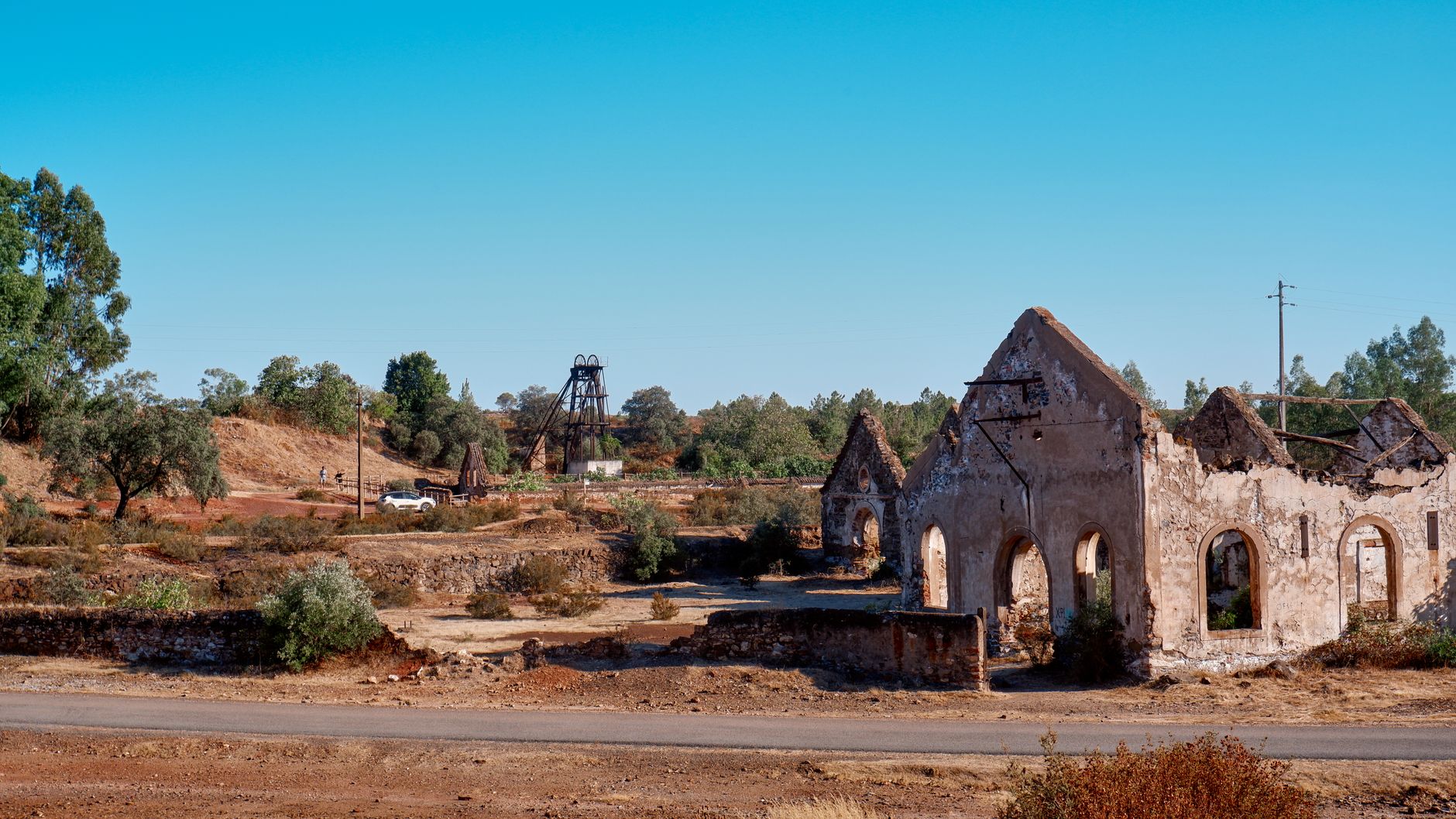
The dust motes danced in the sliver of sunlight piercing a broken windowpane. Before me, a wooden table stood, still laden with a half-eaten meal – a rusted fork, a plate, and what looked like the desiccated remains of a biscuit. It wasn't a movie set; it was a home, abandoned over a century ago in the skeletal remains of a forgotten mining town. The silence was profound, broken only by the whisper of the wind through empty doorways, carrying with it the ghosts of conversations long past.
This wasn't some "secret spot" I’d found on a trending TikTok video, nor was it a meticulously curated "authentic experience" peddled by a travel influencer. This was real. This was a place where history hadn't just been preserved; it had been left. And in that moment, as I stood in the palpable presence of the past, I realized something profound: the most incredible travel experiences aren't found where everyone else is chasing the same shot. They're found where the world has moved on, leaving behind stories waiting patiently for a respectful ear.
Welcome, fellow wanderers, to the world of forgotten ghost towns – the untouched, the eerie, the profoundly beautiful places that influencers typically avoid. Why? Because they're often challenging to reach, lack luxury amenities, and don't always offer the kind of "pretty" backdrop that translates into instant viral content. But for those of us who crave genuine discovery, who yearn for the thrill of stepping back in time, these are the ultimate destinations. Forget the crowds; let's talk about the echoes.
The Allure of the Abandoned: Why Ghost Towns Whisper to Our Souls
There's a primal fascination with places left behind. It’s more than just morbid curiosity; it’s a deep-seated human desire to connect with the past, to understand the lives that once thrived where only silence now reigns. For me, it’s the profound sense of narrative. Every crumbling wall, every rusted artifact, every overgrown path tells a story of hope, struggle, and ultimately, departure.
These towns are time capsules, often preserved not by human effort, but by the sheer indifference of the elements. They offer a raw, unfiltered glimpse into history – be it the frantic boom and bust of a gold rush, the quiet dignity of a farming community, or the tragic aftermath of war or natural disaster. Unlike museums, where history is presented, in a ghost town, you walk through it. You feel the grit under your boots, the sun on your face, and the weight of forgotten dreams.
And this is precisely why they remain largely untouched by the influencer circuit. They demand effort. They demand respect. They demand a willingness to forego creature comforts for the sake of an unparalleled experience. There are no trendy cafes, no perfectly lit selfie spots (unless you bring your own lighting and a very patient friend). What they offer instead is an authenticity that money can't buy and filters can't create. It's the thrill of genuine exploration, the quiet satisfaction of finding something truly unique.
Navigating the Echoes: Essential Preparation for Ghost Town Exploration
Before you trade your Wi-Fi for wilderness, remember that these forgotten places often come with forgotten infrastructure. Safety and preparedness are paramount. My first solo trip to a particularly remote ghost town taught me a valuable lesson: always tell someone where you're going and when you expect to return. My phone died, and for a few hours, I was truly off the grid, feeling a mix of exhilaration and mild panic. Don't make my mistake!
Here’s your essential ghost town explorer's checklist:
- Research, Research, Research: Not all ghost towns are open to the public. Some are on private land, some are dangerous, and others are protected historic sites with specific rules. Always verify access and any permits required.
- Tell Someone Your Plans: This is non-negotiable, especially for remote locations. Provide your itinerary and estimated return time.
- Gear Up:
- Sturdy Footwear: Uneven terrain, broken glass, rusty nails – your feet need protection.
- Plenty of Water & Snacks: Services are non-existent.
- First-Aid Kit: For minor scrapes and emergencies.
- Headlamp/Flashlight: Even in daylight, buildings can be dark and hazardous.
- Offline Maps/GPS: Cell service is often a luxury. Download maps beforehand.
- Sun Protection: Hat, sunscreen, sunglasses.
- Layers of Clothing: Temperatures can fluctuate wildly.
- Power Bank: For your phone, even if it's just for emergencies.
- Respect & Ethics:
- Leave No Trace: Pack out everything you pack in. Absolutely nothing should be left behind.
- Take Only Photos, Leave Only Footprints: Do not take "souvenirs." These artifacts are part of history and belong where they are. Removing them is illegal and unethical.
- Do Not Disturb: Do not move items, climb on unstable structures, or deface anything. These places are fragile.
- Private Property: If a ghost town is on private land, seek permission from the owner. Trespassing is illegal.
- Wildlife: Be aware of local wildlife (snakes, spiders, bats, etc.).
The Untouched West: North America's Eerie Gold Rush Relics
North America, especially the American West, is a treasure trove of ghost towns, born from the frenzied gold and silver rushes of the 19th century. These are places where fortunes were made and lost, and entire communities vanished almost overnight.
1. Bodie, California, USA: A Town Frozen in Time
- Location: East of the Sierra Nevada mountains, near Mono Lake.
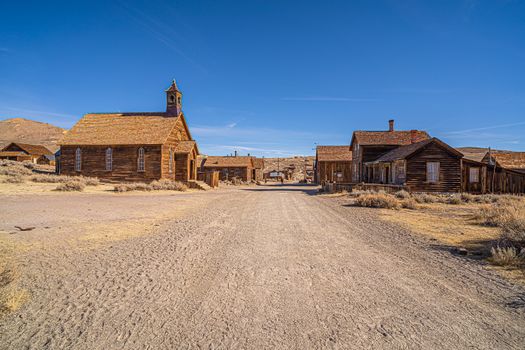
- Details: This is arguably one of the best-preserved ghost towns in the world, designated a State Historic Park. Bodie isn't just ruins; it's a town in a state of "arrested decay." Buildings are filled with original furniture, goods, and personal items, exactly as they were left. Imagine walking into a general store with bottles still on the shelves, or a schoolhouse with books on the desks. It’s profoundly eerie and beautiful.
- My Experience: The first time I stepped into the church, the light filtering through the dusty windows, I felt a shiver. The pews were still there, the altar intact. You could almost hear the hymns. Walking past the saloon, I imagined the raucous laughter and clinking glasses. It truly feels like the inhabitants just stepped out for a moment and will return any second.
- Practical Tips:
- Getting There: Accessible via a well-maintained dirt road (Highway 270), but check road conditions, especially in winter.
- Cost: ~$8-10 per person entry fee (subject to change).
- Best Time to Visit: Spring and fall offer pleasant weather and fewer crowds. Summers can be hot, winters snowy and often closed.
- Photography: Golden hour (early morning/late afternoon) casts incredible shadows and warmth on the weathered wood. Focus on the intricate details inside the buildings.
- Rules: Strict rules against entering unroped buildings or removing anything. Rangers are vigilant.
2. Rhyolite, Nevada, USA: Desert Specter on the Edge of Death Valley
- Location: Just outside Beatty, Nevada, near the entrance to Death Valley National Park.
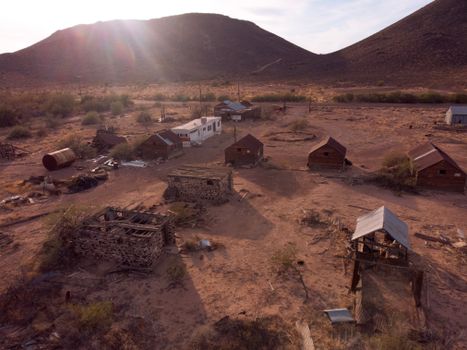
- Details: Rhyolite boomed in the early 1900s thanks to gold, but its glory was short-lived. Today, it’s a stark, open-air museum of stone and concrete ruins against the vast Nevada desert. Highlights include the remains of the bank, the jail, and the iconic Bottle House, built from 50,000 discarded glass bottles.
- My Experience: Rhyolite feels like a dreamscape. The silence here is even more profound than Bodie, punctuated only by the wind. The scale of the ruins, particularly the three-story bank building, speaks to the immense ambition of its founders, now humbled by the desert. The Bottle House, in particular, is a testament to ingenuity and resourcefulness.
- Practical Tips:
- Getting There: Easily accessible via paved roads, just off US-95.
- Cost: Free to enter and explore.
- Best Time to Visit: Avoid summer months (June-August) due to extreme heat. Spring and fall are ideal.
- Photography: The stark desert landscape provides a dramatic backdrop. Experiment with wide-angle shots to capture the scale, and telephoto lenses for details on the crumbling structures. Don't miss the unique "Last Supper" sculptures nearby.
- Note: Limited services nearby; stock up in Beatty.
3. Kennecott, Alaska, USA: The Giant of the Wrangell Mountains
- Location: Deep within Wrangell-St. Elias National Park and Preserve, Alaska.
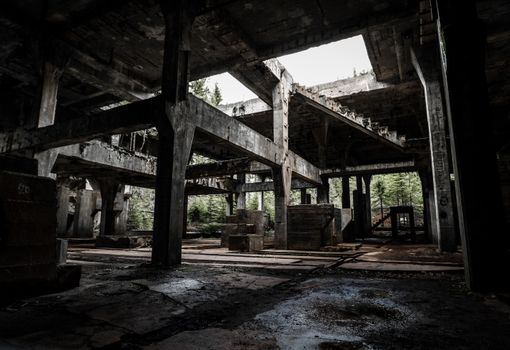
- Details: This isn't your roadside stop. Kennecott was a massive copper mining operation from 1911 to 1938, nestled amidst some of North America's most spectacular mountain scenery. Today, its massive red and white mill building, processing plant, and numerous other structures stand as a testament to human endeavor in a harsh environment. It's a UNESCO World Heritage site and a truly epic adventure to reach.
- My Experience: Getting to Kennecott was an adventure in itself, involving a small plane ride and then a hike. But seeing that colossal mill building emerge from the wilderness, dwarfed by glaciers and towering peaks, was breathtaking. Walking through the abandoned hospital, imagining the lives of the miners, felt like uncovering a secret chapter of history. This is the definition of a truly "forgotten" place for most.
- Practical Tips:
- Getting There: The McCarthy Road (a challenging 60-mile gravel road) leads to a footbridge, then a shuttle/walk to Kennecott. Many opt for a bush plane flight. It requires significant planning and is not for the faint of heart or budget traveler.
- Cost: No entry fee for the town itself, but transportation and lodging in McCarthy/Kennecott can be expensive. Guided tours of the mill are available (recommended for safety and insight).
- Best Time to Visit: Late spring to early fall (June-September) when roads are open and weather is milder.
- Photography: The juxtaposition of massive industrial structures with pristine wilderness is incredible. Capture the scale, the textures of rust and wood, and the dramatic mountain backdrop.
European Echoes: Villages Lost to Time and Tragedy
Europe's ghost towns often tell different stories – of natural disasters, economic collapse, or the profound scars of war. They offer a more ancient, sometimes haunting, perspective.
1. Craco, Basilicata, Italy: The Hilltop Ghost
- Location: Southern Italy, in the region of Basilicata.
- Details: Perched dramatically on a conical hill, Craco is a medieval village abandoned primarily due to landslides and earthquakes in the 20th century. Its crumbling stone structures and winding pathways are incredibly picturesque, offering a poignant glimpse into a bygone era. It's become a popular filming location for its unique, melancholic beauty.
- My Experience: Approaching Craco, it looks like a phantom city rising from the landscape. The sense of walking through a medieval maze, seeing homes half-collapsed, with incredible views over the valley, was surreal. You can almost hear the church bells that once rang across the hills. It feels like a place time forgot, a true testament to nature's power.
- Practical Tips:
- Getting There: Best reached by car. It’s a few hours drive from Naples or Bari.
- Cost: Access to the historic center is restricted for safety reasons. You must take a guided tour (usually around €10-15) which provides a hard hat and ensures a safe, informative visit.
- Best Time to Visit: Spring or fall for pleasant weather. Summers can be hot.
- Photography: The dramatic hilltop setting and crumbling stone architecture are incredibly photogenic. Capture the panoramic views, the texture of the old stones, and the play of light and shadow.
2. Oradour-sur-Glane, Nouvelle-Aquitaine, France: A Village Frozen in Grief
- Location: West-central France, near Limoges.
- Details: This is a ghost town of a different, profoundly tragic nature. On June 10, 1944, the village was destroyed, and its 642 inhabitants massacred by the Waffen-SS. The ruins have been preserved exactly as they were left, a permanent memorial to the victims. It's a powerful, sobering, and utterly essential visit.
- My Experience: The silence here is deafening. Walking through the rusted remains of cars, the burnt-out church with children's shoes still inside, the skeletal frames of homes – it’s an overwhelming experience. There are no words, only a heavy sense of sorrow and a deep understanding of the horrors of war. This isn't about Instagram likes; it's about remembrance and respect.
- Practical Tips:
- Getting There: Easily accessible by car, well signposted.
- Cost: Free to enter the preserved village and the accompanying museum/visitor center.
- Best Time to Visit: Any time of year, though a quiet, reflective day is best.
- Photography: While photography is allowed, approach it with utmost respect and sensitivity. Focus on documenting the preserved tragedy rather than seeking "pretty" shots.
- Note: A new village of Oradour-sur-Glane was built nearby, but the original stands as a silent witness.
3. Kayaköy, Fethiye, Turkey: The Ghost Village of Thousands
- Location: Near Fethiye, on the southwest coast of Turkey.
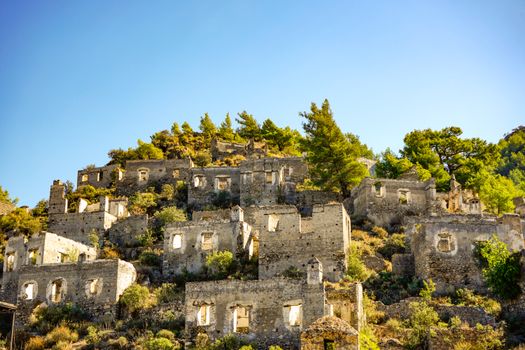
- Details: Kayaköy (formerly Levissi) is an abandoned Greek village, deserted after the 1923 population exchange between Greece and Turkey. Thousands of stone houses, a church, and a school stand empty on a hillside, slowly being reclaimed by nature. It's a poignant symbol of lost communities and cultural shifts.
- My Experience: The sheer scale of Kayaköy is what strikes you first. Thousands of roofless houses tumble down the hillside. You can wander freely through the narrow streets, imagining the bustling life that once filled these now-empty shells. The views over the valley and towards the sea are stunning, providing a beautiful, yet melancholic backdrop to a forgotten history.
- Practical Tips:
- Getting There: A short drive from Fethiye, easily accessible by car or local dolmuş (minibus).
- Cost: Small entrance fee (a few Turkish Lira).
- Best Time to Visit: Spring or fall for pleasant temperatures. Summers can be very hot, making the uphill walk challenging.
- Photography: The repetitive patterns of the empty houses, the interplay of light and shadow, and the panoramic views offer endless photographic opportunities.
Beyond the Obvious: Asia's Hidden Haunts and Unexpected Discoveries
Asia, with its rich and complex history, also holds its share of extraordinary ghost towns, often with stories vastly different from their Western counterparts.
1. Hashima Island (Gunkanjima), Nagasaki, Japan: The Battleship Island
- Location: Off the coast of Nagasaki, Japan.
- Details: A UNESCO World Heritage site, Hashima Island (nicknamed "Battleship Island" due to its silhouette) was once the most densely populated place on Earth, a thriving coal mining community. Abandoned in 1974 when the coal ran out, it's a stark, brutalist landscape of concrete apartment blocks, factories, and seawalls, slowly crumbling into the ocean.
- My Experience: The boat ride approaching Gunkanjima is incredibly dramatic. The island rises from the sea like a dark, formidable fortress. Walking the designated path (access is strictly controlled for safety) felt like stepping into a post-apocalyptic movie. The sheer scale of the buildings and the silence were overwhelming, a powerful testament to Japan's industrial past.
- Practical Tips:
- Getting There: Only accessible via authorized boat tours departing from Nagasaki. Book well in advance.
- Cost: Tours typically range from ¥4,000-¥5,000.
- Best Time to Visit: Any time of year, but tours can be cancelled due to rough seas. Check weather forecasts.
- Photography: Capture the stark architecture, the dramatic coastal views, and the sense of decay. Wide-angle lenses are great here.
- Note: Access is restricted to specific viewing platforms for safety. You cannot wander freely.
2. Houtouwan, Shengshan Island, China: Nature's Embrace
- Location: Shengshan Island, one of the Shengsi Islands archipelago, off the coast of Shanghai.
- Details: Once a bustling fishing village, Houtouwan was gradually abandoned in the 1990s as residents moved to the mainland for better opportunities. Today, it’s famous for being almost entirely swallowed by a lush blanket of ivy and other vegetation. Houses, walls, and even entire structures are covered in a vibrant green, creating a surreal and beautiful scene.
- My Experience: This place is pure magic. The ferry ride to Shengshan Island, then the hike or local taxi to Houtouwan, feels like a journey to a secret garden. Seeing entire buildings completely consumed by greenery, with glimpses of windows and doors peeking through, is breathtaking. It’s a powerful visual reminder of nature's relentless power to reclaim.
- Practical Tips:
- Getting There: Requires a ferry from Shanghai (usually from Nanpu Bridge bus station to Shenjiawan, then another ferry to Shengshan Island). It's a multi-stage journey; research ferry schedules carefully and book ahead, especially on weekends.
- Cost: No official entry fee to the village, but transportation costs can add up.
- Best Time to Visit: Late spring to early fall when the vegetation is at its lushest. Avoid typhoon season.
- Photography: Focus on the intricate patterns of the ivy, the way nature has intertwined with human structures. Close-ups and wide shots are equally compelling.
Capturing the Silence: Photography Tips for Ghost Towns
Ghost towns are a photographer's dream, offering unique textures, light, and narratives. But capturing their essence requires more than just pointing and shooting.
- Look for Details: The peeling paint, a rusted cooking pot, a child's forgotten toy, a faded newspaper – these are the elements that tell the most powerful stories.
- Play with Light: Golden hour (sunrise/sunset) creates dramatic shadows and warm tones, enhancing the aged textures. Overcast days offer soft, even light, perfect for capturing intricate details without harsh contrasts.
- Composition is Key: Use leading lines (roads, fences, collapsed walls) to draw the viewer's eye. Frame subjects with doorways or windows. The rule of thirds is your friend.
- Embrace the Imperfection: Don't try to make things "pretty." The beauty of a ghost town lies in its decay, its raw authenticity.
- Go Wide, Go Tight: A wide-angle lens can capture the vastness and context of the town, while a telephoto lens is excellent for isolating those compelling details.
- Tripod for Low Light: Inside buildings, or for long exposures at dusk, a tripod is essential for sharp images.
- Be Respectful: Never move or alter objects for a shot. Capture what's there, as it is. Remember, you're a documentarian, not a set designer.
The Unspoken Rule: Leave No Trace, Take Only Memories
This isn't just a tip; it's a mantra for any true explorer of forgotten places. The allure of ghost towns lies in their untouched nature. If every visitor took a piece, disturbed an artifact, or left trash behind, these precious historical sites would quickly lose their magic.
Our responsibility as travelers is to be custodians of these places, ensuring they remain for future generations to discover and ponder. The difference between an authentic adventurer and a destructive tourist is respect. Respect for the history, respect for the environment, and respect for the stories that these silent towns hold.
These ghost towns aren't Instagram backdrops to be exploited for likes. They are sacred spaces, brimming with the echoes of human experience. Let's keep them that way.
Your Next Unforgettable Adventure Awaits
So, are you ready to ditch the curated feeds and embark on a genuine journey into the past? Are you prepared to trade the comfort of the well-trodden path for the thrill of discovery, the quiet contemplation of history, and the profound beauty of places time forgot?
These forgotten ghost towns offer more than just photo opportunities; they offer a chance to connect with something deeper, to understand the passage of time, and to experience travel in its purest, most authentic form. They are the ultimate antidote to over-tourism, inviting you to slow down, listen to the whispers of the wind, and truly explore.
Which ghost town will be your first pilgrimage into the past? Share your forgotten finds and inspire fellow adventurers to step off the beaten path. Let's keep these secrets alive, not by broadcasting them to the masses, but by sharing them thoughtfully with those who truly appreciate the magic of the untouched.
---