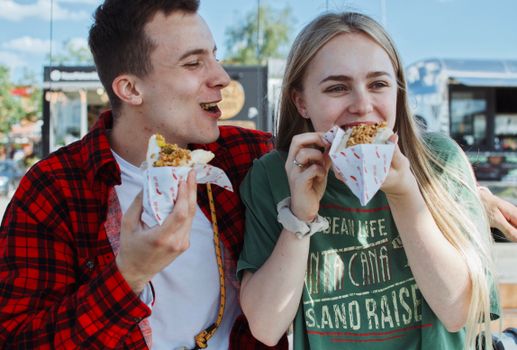
You know that feeling, right? You scroll through your feed, seeing the same iconic landmarks, the same "must-try" dishes, the same crowded festivals everyone and their aunt has already attended. Don't get me wrong, there’s a certain charm to the classics. But for us true explorers, the real magic lies in discovering something new, something authentic, something that hasn’t yet been diluted by the mainstream.
I remember my first "viral" food festival experience. The lines were endless, the food was overpriced, and the vibrant local culture I'd read about felt manufactured for the Instagram generation. That day, I vowed to seek out the culinary experiences that still hold their soul, the ones where the food tells a story, the traditions run deep, and the crowds are filled with genuine enthusiasts, not just selfie-seekers.
And guess what? I found them.
After years of chasing flavors across continents, I’ve curated a list of five extraordinary food festivals that are absolutely worth planning an entire trip around. These aren't just events; they're immersive cultural journeys, gastronomic adventures, and vibrant celebrations of local heritage. Go now, before the secret gets out and they become the next big thing. Trust me, your taste buds (and your travel blog) will thank you.
1. Hokitika Wild Foods Festival, New Zealand: Dare to Delight Your Palate
Why it's a must-visit:
Imagine a festival where the menu includes huhu grubs, gorse flower wine, stallion semen shots, and whitebait patties. No, I’m not kidding. The Hokitika Wild Foods Festival on New Zealand’s rugged West Coast is an annual celebration of the region's unique, foraged, and often bizarre culinary offerings. It’s an adventure for the truly fearless foodie, a place where you challenge your perceptions of what "food" can be.
My Experience:
I’ll never forget the nervous excitement, bordering on sheer terror, as I approached the huhu grub stall. These plump, creamy larvae are a traditional Māori delicacy, and while my brain screamed "NO!", my adventurous spirit (and the encouraging smiles of the locals) urged me on. The first bite was... earthy, nutty, and surprisingly not terrible! It was a moment of pure culinary bravery, a story I still tell with a mixture of pride and slight revulsion. Beyond the grubs, I sipped on surprisingly delicate gorse flower wine, sampled delicious wild venison, and even tried a bite of possum pie. The atmosphere is electric – a mix of local pride, good-natured humour, and a collective willingness to embrace the wild. It’s less about Michelin stars and more about connecting with nature and local traditions in the most unexpected ways.
Practical Tips:
* When to go: Annually in March. Check the official festival website for exact dates as they can vary.
* Getting there: Hokitika is a small town on the West Coast of New Zealand's South Island. Fly into Christchurch (CHC) and rent a car for a stunning 3-4 hour scenic drive through Arthur's Pass, or fly into Hokitika (HKK) directly from Christchurch.
* Accommodation: Book well in advance! Hokitika has charming B&Bs, motels, and holiday parks, but they fill up fast. Consider staying in nearby Greymouth if Hokitika is fully booked.
* Cost: There's an entry fee (around NZD $20-$30), and then you purchase tokens for food and drink items. Many items are quite affordable, allowing you to try a wide variety.
* Instagram-worthy moment: A close-up of a huhu grub (if you dare!), the vibrant market stalls, or the stunning backdrop of the West Coast scenery.
2. Terra Madre Salone del Gusto, Turin, Italy: A Connoisseur's Dream of Slow Food
Why it's a must-visit:
Forget the generic Italian food tours. Terra Madre Salone del Gusto, held biennially in Turin, is the global gathering of the Slow Food movement. It’s a celebration of sustainable, artisanal, and culturally significant food from every corner of the planet. This isn't just about eating; it's about understanding the stories behind the food, meeting the passionate producers, and appreciating the biodiversity of our planet’s larder.
My Experience:
Stepping into the vast pavilions of Lingotto Fiere in Turin felt like entering a living encyclopedia of global gastronomy. My senses were overwhelmed – the rich aroma of aged cheeses, the sweet scent of artisanal chocolates, the earthy notes of rare truffles. I spent hours meandering, tasting, and chatting with producers from small Italian villages to remote African communities. One conversation stands out: an elderly shepherd from Sardinia, his hands gnarled from years of milking, offered me a sliver of his pecorino. His eyes sparkled as he explained the specific mountain herbs his sheep grazed on, the traditional methods passed down through generations. That single bite, infused with his passion and history, was more profound than any Michelin-starred meal. It’s a powerful reminder that food is deeply intertwined with culture, landscape, and human connection.
Practical Tips:
* When to go: Biennially, usually in September or October. The next edition is typically in even-numbered years (e.g., 2024, 2026). Check the Slow Food International website for precise dates.
* Getting there: Fly into Turin Caselle Airport (TRN) or Milan Malpensa (MXP) and take a train to Turin Porta Nuova or Porta Susa. The festival takes place at Lingotto Fiere, easily accessible by metro.
* Accommodation: Turin is a beautiful city with plenty of hotels, B&Bs, and apartments. Book well in advance, especially if you plan to attend the festival.
* Cost: Entry to the main market area is often free, but there are ticketed workshops, tasting labs, and special dinners that are highly recommended (and worth the price!). Expect to spend on delicious products to take home.
* Instagram-worthy moment: A vibrant stall showcasing unique cheeses or cured meats, a close-up of a rare fruit or vegetable, or a candid shot of a passionate producer sharing their story.
3. Galway International Oyster & Seafood Festival, Ireland: A Shucking Good Time
Why it's a must-visit:
If you're a seafood lover, particularly an oyster aficionado, this is your pilgrimage. The Galway International Oyster & Seafood Festival is one of the world's longest-running oyster festivals, celebrating the start of the oyster season with unparalleled Irish craic (fun). It's not just about eating; it's about the vibrant atmosphere, the World Oyster Opening Championships, and the joyous celebration of Galway's rich maritime heritage.
My Experience:
The air in Galway during the festival is absolutely electric. The rhythmic 'clack-clack-clack' of oyster shuckers, the cheers from the crowd as competitors race against the clock in the championships, and the lively traditional Irish music spilling out of pubs – it's an intoxicating symphony. I spent an entire afternoon sampling different varieties of oysters – the sweet, briny native flat oysters, the creamy Pacific rock oysters – each paired perfectly with a crisp white wine or, of course, a creamy pint of Guinness. The highlight was watching the World Oyster Opening Championship, where master shuckers from across the globe displayed incredible speed and precision. The sense of community and shared passion for seafood is palpable, making it feel less like a tourist event and more like a massive, joyful family reunion.
Practical Tips:
* When to go: Annually in late September. This marks the start of the native oyster season.
* Getting there: Fly into Dublin Airport (DUB) and take a direct bus or train to Galway (approx. 2.5-3 hours). Galway is a very walkable city.
* Accommodation: Galway is popular, so book hotels or guesthouses several months in advance. Many pubs offer rooms above them for a truly immersive experience.
* Cost: There are various ticketed events, from the main marquee entrance to specific galas and tasting sessions. Plan to spend a good amount on delicious oysters and drinks!
* Instagram-worthy moment: A perfectly shucked oyster on the half shell with a squeeze of lemon, the vibrant crowds in the marquee, or a shot of the World Oyster Opening Championship in action.
4. Panaad sa Negros Festival, Bacolod City, Philippines: A Province's Culinary Heartbeat
Why it's a must-visit:
While the Philippines boasts countless festivals, the Panaad sa Negros Festival in Bacolod City, Negros Occidental, is a true hidden gem for food and culture enthusiasts. Known as the "Festival of All Festivals," it gathers all 13 cities and 19 municipalities of Negros Occidental into one grand showcase. Each town sets up its own "pavilion" or "village," offering a deep dive into its unique produce, crafts, and, most importantly, its distinct culinary traditions. It's an unparalleled opportunity to experience the diverse flavors of an entire province in one go.
My Experience:
Stepping into the Panaad Park and Stadium during the festival felt like embarking on a lightning-fast culinary road trip across Negros Occidental. Each pavilion was a microcosm of its respective town – from the sugarcane-rich areas offering freshly pressed juice and sweet treats like piaya (flaky flatbread with muscovado sugar) to coastal towns serving up incredible seafood and kinilaw (Filipino ceviche). I remember trying cansi, a sour beef soup unique to Bacolod, and being blown away by its comforting, tangy flavor. The sheer variety was astounding, and the pride of each town in showcasing its heritage was infectious. It wasn't just about the food; it was about the vibrant dances, the local crafts, and the genuine warmth of the Negrenses. It felt incredibly authentic, a true celebration by the people, for the people, offering a rare glimpse into the heart of regional Filipino culture.
Practical Tips:
* When to go: Annually in April. The festival usually runs for a week.
* Getting there: Fly into Bacolod-Silay Airport (BCD). From there, it's a short taxi ride to Bacolod City. The festival grounds are easily accessible by public transport (jeepneys, tricycles) or taxi.
* Accommodation: Bacolod City has a range of hotels and guesthouses. Book well in advance, as the city fills up during Panaad.
* Cost: Entry to the festival grounds is usually free. You'll spend money on food, drinks, and souvenirs, which are generally very affordable.
* Instagram-worthy moment: A colorful spread of diverse Filipino dishes, a candid shot of locals performing traditional dances, or a close-up of a unique local delicacy like piaya being freshly made.
5. Mushroom Festival, Kennett Square, Pennsylvania, USA: Fungi Fun in the Mushroom Capital
Why it's a must-visit:
Tucked away in Chester County, Pennsylvania, Kennett Square proudly proclaims itself the "Mushroom Capital of the World." This charming town, responsible for a significant portion of the USA's mushroom production, throws an annual Mushroom Festival that is quirky, delightful, and surprisingly diverse. It’s a celebration of all things fungi, from gourmet dishes to unique crafts, and offers a charming small-town American festival experience before it gets overrun.
My Experience:
I’d heard about Kennett Square’s mushroom obsession, but nothing prepared me for the sheer scale and charm of their festival. The entire town transforms, with mushroom-themed decorations, parades, and street vendors selling everything from mushroom soup and mushroom cheesesteaks to mushroom ice cream! Yes, I tried the mushroom ice cream, and it was... surprisingly good, with a subtle earthy sweetness that worked. My favorite part was wandering through the farmers' market, chatting with mushroom growers who explained the nuances between different varieties, from common button mushrooms to exotic lion's mane and shiitake. I learned so much about cultivation and the incredible versatility of fungi. It's a testament to local pride and a truly unique culinary niche, far removed from the generic fairground food. It's wholesome, educational, and genuinely fun.
Practical Tips:
* When to go: Annually on the weekend after Labor Day in September.
* Getting there: Kennett Square is about an hour's drive southwest of Philadelphia (PHL). Renting a car is recommended. Parking can be challenging, so arrive early or use designated shuttle services.
* Accommodation: The town has charming B&Bs and a few hotels. Nearby towns like West Chester also offer options. Book several months ahead.
* Cost: There's usually a small entry fee (around $10-$15), and then you pay for food, drinks, and souvenirs.
* Instagram-worthy moment: A vibrant stall piled high with different mushroom varieties, a quirky mushroom-themed craft, or a close-up of a unique mushroom dish (like the aforementioned ice cream!).
General Tips for Planning Your Off-the-Beaten-Path Festival Trip:
Venturing to lesser-known festivals requires a little extra planning, but the rewards are immense. Here’s my playbook for a smooth, authentic, and unforgettable experience:
- Book Early, Always: This applies to flights and accommodation. While these festivals aren't mainstream globally, they are often major local events, meaning hotels in smaller towns fill up quickly.
- Research Local Transport: Smaller towns might not have extensive public transport. Understand local bus routes, taxi availability, or consider renting a car for flexibility.
- Embrace the Local Language (a little): Learning a few basic phrases (hello, thank you, please, how much) goes a long way. It shows respect and can unlock warmer interactions.
- Be Open-Minded & Adventurous: This is key! You’re stepping outside your comfort zone, so be prepared for new flavors, different customs, and unexpected experiences. That's where the magic happens.
- Cash is King (Sometimes): While cards are widely accepted in many places, smaller vendors at festivals might prefer or only accept cash. Always carry some local currency.
- Check the Weather: Festivals are often outdoors. Pack appropriate clothing – layers are always a good idea. Comfortable walking shoes are non-negotiable!
- Engage with Locals: Don't just observe; participate! Ask questions, share smiles, and let the locals guide you to their favorite stalls or traditions. They are the heart and soul of these events.
- Stay Flexible: Things might not always go exactly as planned. Embrace the spontaneity and slight chaos that can come with authentic local events.
- Capture the Vibe (Responsibly): These festivals are incredibly photogenic. Look for vibrant colors, unique food presentations, candid moments, and the joyous energy of the crowd. Always be respectful when taking photos of people, especially children or cultural ceremonies.
Conclusion: Your Next Culinary Quest Awaits!
The world is brimming with incredible flavors and cultural celebrations that deserve our attention. These five festivals are just a taste of the authentic, soul-stirring experiences waiting for you beyond the well-trodden tourist paths. They offer more than just food; they offer stories, connections, and a profound appreciation for the diverse tapestry of human culture.
So, ditch the predictable, embrace the unknown, and start planning your trip around one of these culinary hidden gems. Trust me, the memories (and the bragging rights!) will be worth every moment.
Which of these festivals sparks your wanderlust first? Have you discovered another incredible, non-mainstream food festival? Share your thoughts and tips in the comments below! Let’s inspire each other to explore the world’s most delicious secrets.
---