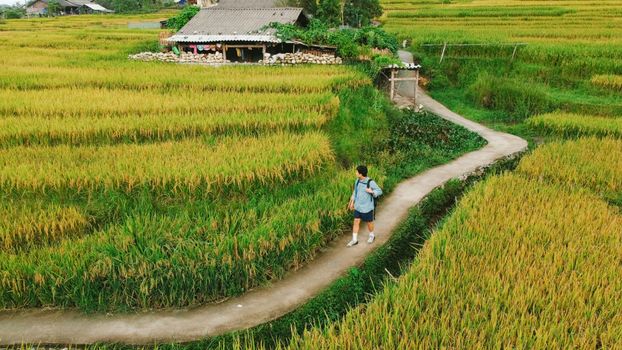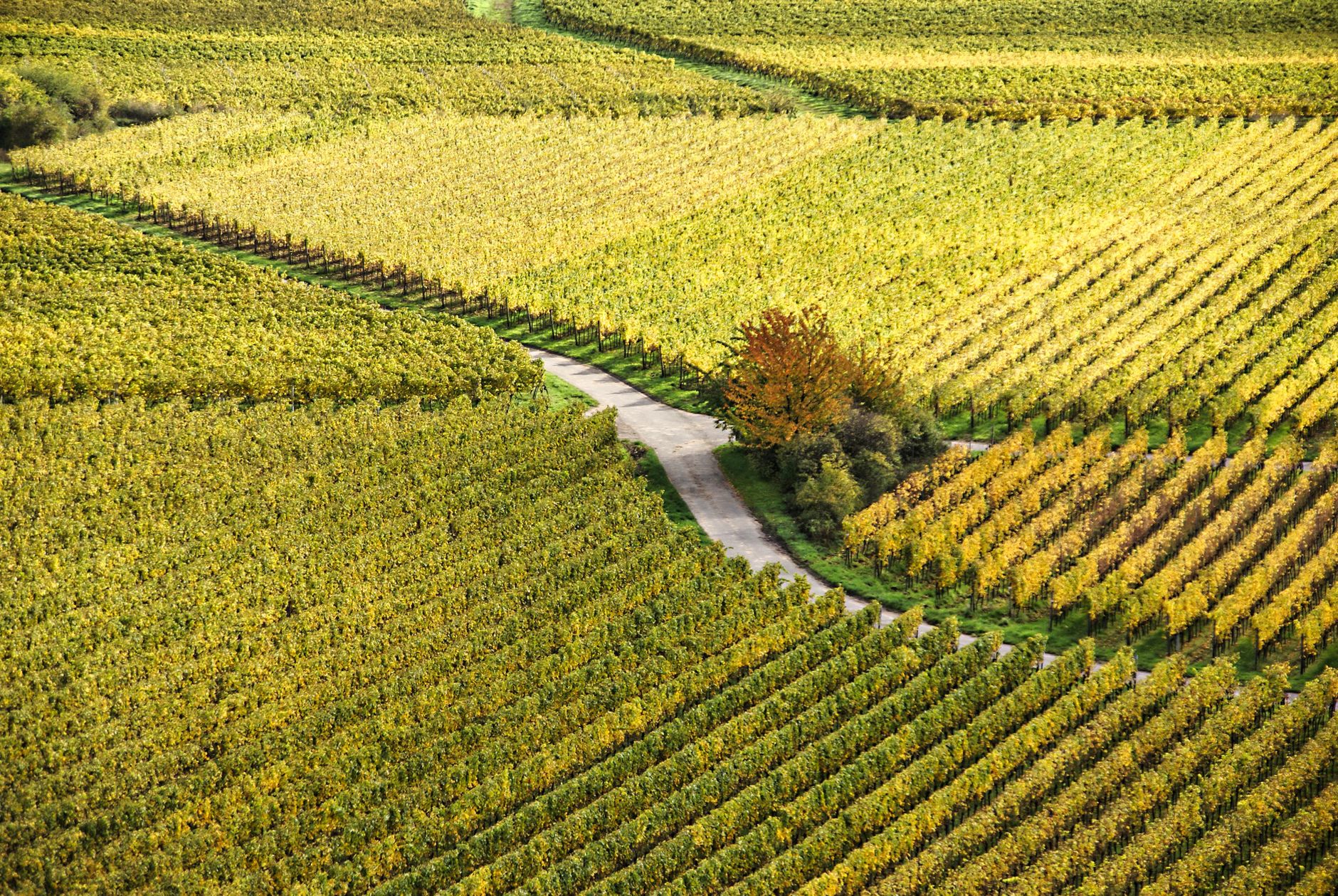
The crisp air, the kaleidoscope of changing leaves, the scent of woodsmoke mingled with earthy aromas – autumn is a sensory symphony, a time of winding down and gathering in. For years, my autumns followed a predictable, albeit lovely, rhythm: apple picking at the same orchard, a visit to a pumpkin patch, maybe a local wine harvest festival. Don't get me wrong, these are wonderful traditions. But a few years ago, after one too many crowded cider mills, I started wondering: what else is out there? What harvests are happening, away from the tourist throngs, where I could truly get my hands dirty and connect with the land in a meaningful way?
That curiosity led me down a rabbit hole of research, and eventually, onto some of the most extraordinary travel experiences of my life. I discovered a world of "hidden harvests" – unique, often labor-intensive, and incredibly rewarding agricultural pursuits that offer a rare glimpse into local traditions and the sheer effort behind our food. These aren't just photo ops; they're immersive, authentic adventures that will leave you with a deeper appreciation for the season's bounty and stories that will spark envy in your fellow travelers. And the best part? Many of them are still flying under the mainstream radar.
So, if you're ready to trade the predictable for the profound, to swap mass-produced experiences for truly unique ones, grab your boots and your sense of adventure. Here are some incredible autumn harvests you can participate in, before everyone else catches on.
The Golden Threads of Saffron: A Harvest of Delicate Dreams
Imagine waking before dawn, the air cool and still, and heading into a field awash with delicate purple flowers, each one holding the promise of the world's most precious spice. My first saffron harvest experience in a small village outside of Kozani, Greece, was nothing short of magical. It's an intensely intimate experience, a quiet communion with nature that feels worlds away from the hustle of modern life.
Saffron, derived from the crocus sativus flower, is renowned for its vibrant color, distinct aroma, and high value. Each flower yields only three tiny, crimson stigmas, which must be hand-picked and carefully dried. This painstaking process is what makes saffron so expensive, and participating in its harvest gives you an unparalleled appreciation for every golden thread.
The Experience:
The day begins early, often just as the sun peeks over the horizon, casting a soft, golden glow over the fields. You'll join local farmers, often families who have been cultivating saffron for generations, gently plucking the fresh purple blooms. Later, usually indoors, comes the most delicate part: separating the three precious red stigmas from the rest of the flower using nimble fingers. It’s a meditative, almost spiritual task that requires patience and a gentle touch. The air fills with a subtle, sweet, earthy fragrance – the true scent of saffron, far more complex than anything you'll find in a jar.
Where to Go:
* Krokos Kozanis, Greece: This region is world-famous for its high-quality saffron. Small family farms often welcome visitors, especially during peak harvest in late October/early November. Look for agritourism initiatives or inquire directly with local cooperatives. I found my experience through a local guesthouse owner who connected me with a family farm.
* La Mancha, Spain: Another historic saffron-producing region. Many small towns host saffron festivals (like Consuegra's Fiesta de la Rosa del Azafrán) where you might find opportunities to observe or even participate in the picking.
* Smaller Farms in the UK/US: As saffron cultivation grows globally, small, artisanal farms are popping up. A quick online search for "saffron farm visit" in your desired region might yield unexpected results.
Practical Tips & Instagram Moments:
* Timing: Late October to early November is generally peak season, but it varies by climate. Do your research!
* Dress: Layers are key for early mornings. Comfortable, sturdy shoes are a must for walking through fields.
* Be Gentle: These flowers are delicate. You'll learn the proper technique for picking and separating, which is part of the charm.
* Connect: This is an incredible opportunity to learn from locals. Ask questions, share stories, and savor the connection.
* Photo Ops: Close-ups of purple crocus flowers, hands gently picking stigmas, the vibrant red threads against a white background, the wide fields at sunrise. #SaffronHarvest #GoldenThreads #SlowTravelGreece
My Anecdote:
I still remember the quiet intensity of separating the stigmas, my fingers stained a faint yellow. One elderly farmer, with eyes that held generations of wisdom, told me in broken English, "This is not work, it is love." And truly, it felt like it. Each tiny thread was a testament to patience and dedication.
Wading Through Ruby Red: The Spectacle of Cranberry Bogs
If you're looking for a harvest experience that's as visually stunning as it is unique, look no further than the cranberry bogs. Forget everything you thought you knew about berry picking; this is an aquatic adventure that feels straight out of a painting. The sight of vast fields flooded with water, dotted with a crimson carpet of floating cranberries, is truly unforgettable.
Cranberries grow on low-lying vines in sandy bogs. When it's time for harvest, these bogs are flooded, and specialized machines gently agitate the water, dislodging the berries. Because cranberries have tiny air pockets, they float to the surface, creating that iconic red sea.
The Experience:
Participating in a cranberry harvest often means donning a pair of waders and stepping into the chilly, knee-deep water. You might help guide the floating berries with long rakes or simply marvel at the process. Some farms offer guided tours where you can learn about the cultivation, the ingenious harvesting methods, and even taste fresh cranberries right from the bog. It's a surprisingly physical but exhilarating experience, especially when you see the sheer volume of berries surrounding you.
Where to Go:
* Wisconsin, USA: The largest cranberry producer in the US. The Wisconsin Cranberry Discovery Center in Warrens is a great starting point, offering tours and information. Many farms offer public viewing and sometimes participation during harvest (late September to October).
* Massachusetts, USA: Home to some of the oldest cranberry bogs. The Cape Cod Cranberry Growers' Association lists farms that offer tours. Look for opportunities around Plymouth and Carver.
* British Columbia, Canada: A significant producer, especially in the Fraser Valley. Some farms, like Riverside Cranberry Farm in Langley, offer "bog-to-bottle" tours and even allow visitors to wade into the bogs.
Practical Tips & Instagram Moments:
* Waders are Essential: If you plan to get in the bog, ensure the farm provides waders or you bring your own. They need to be waterproof and tall!
* Dress Warmly: Even if the air is mild, the water can be cold.
* Check Ahead: Public participation days are often limited and require booking in advance. Many farms focus more on viewing than direct picking.
* Photo Ops: The expansive red bogs from above, close-ups of floating berries, people in waders, the machinery at work, a handful of fresh cranberries. #CranberryHarvest #BogLife #RubyRed #AutumnAdventure
My Anecdote:
Stepping into the bog for the first time, the cold water seeping into my waders, felt like entering another world. The sheer scale of the red berries, stretching as far as the eye could see, was breathtaking. I remember laughing as I tried to wrangle a cluster of berries with a rake, feeling like a giant playing in a bowl of fruit punch.
Foraging for Forest Gold: The Ancient Art of Chestnut Harvesting
There's something deeply primal and satisfying about foraging, and chestnut harvesting is one of autumn's most rewarding forms. It combines a scenic hike through ancient forests with the thrill of discovery, culminating in the simple pleasure of roasting your own forest gold over an open fire. This isn't about perfectly manicured rows; it's about connecting with nature in its wilder, more untamed form.
Chestnuts, unlike many other nuts, are relatively low in fat and high in carbohydrates, making them a staple in many traditional cuisines. They grow in prickly burrs that fall from trees in autumn, waiting to be discovered.
The Experience:
This harvest is less about organized farm visits and more about seeking out chestnut groves. You'll need good walking shoes, sturdy gloves (those burrs are sharp!), and a keen eye. The process involves carefully extracting the smooth, brown nuts from their spiky casings, often while enjoying the quiet beauty of a fall forest. Many regions that celebrate chestnuts also host festivals where you can try various chestnut dishes, from roasted nuts to flour-based pastries.
Where to Go:
* Tuscany, Italy: The Mugello region, just north of Florence, is famous for its marrone (a larger, sweeter chestnut variety). Many small towns hold sagre (festivals) in October and November dedicated to chestnuts.
* Ardèche, France: This region is a major producer of chestnuts and offers beautiful hiking trails through chestnut forests. Look for "châtaigneraies" (chestnut groves) and local markets selling fresh nuts.
* Appalachian Mountains, USA: While native American chestnuts were decimated by blight, efforts are underway to restore them. However, European chestnuts (Castanea sativa) and Chinese chestnuts (Castanea mollissima) are often grown in the region, and wild foraging can be found in certain areas. Check local park regulations.
Practical Tips & Instagram Moments:
* Gear Up: Sturdy, waterproof hiking boots are a must. Thick gloves are essential for handling the spiky burrs. A basket or cloth bag for collecting is ideal.
* Identification: Ensure you can correctly identify chestnut trees and distinguish them from horse chestnut (conker) trees, which produce inedible nuts. Look for the distinctive long, serrated leaves.
* Local Knowledge: Ask locals or check with regional tourism offices for the best foraging spots and any permits required.
* Photo Ops: Piles of chestnuts and their burrs on a bed of colorful autumn leaves, hands in gloves carefully extracting nuts, a rustic basket overflowing with the day's bounty, roasting chestnuts over a fire. #ChestnutForaging #ForestGold #AutumnHike #WildHarvest
My Anecdote:
I remember a chilly afternoon in a Tuscan forest, the scent of damp earth and fallen leaves filling the air. My friend and I competed to see who could find the biggest, plumpest chestnuts, our gloves pricking as we wrestled them from their burrs. Later, back at our agriturismo, roasting them over the fireplace and peeling the warm, sweet flesh was the perfect end to a perfect autumn day.
The Sweet & Tangy Revival: Heritage Apple & Cider Pressing
We've all picked apples, but have you ever participated in a heritage apple harvest, specifically for cider pressing? This isn't about the ubiquitous Gala or Fuji; it's about discovering obscure, heirloom varieties with names like "Kingston Black" or "Ashmead's Kernel," each contributing a unique flavor profile to a truly artisanal cider. It’s a deep dive into the history and craft of apple cultivation and fermentation.
Many cideries and small orchards are dedicated to preserving these older, more flavorful varieties, which are often too tart or irregularly shaped for the supermarket but produce incredible juice.
The Experience:
This harvest often involves more than just picking. You might learn about different apple varieties, their history, and their specific uses in cider making. Then comes the satisfying work of hand-picking the apples, followed by the exhilarating process of washing, crushing, and pressing them to extract the fresh juice. Depending on the farm, you might even get to participate in the initial stages of fermentation or simply enjoy tasting the freshly pressed, unfermented "sweet cider." It's a tangible connection to the drink you might otherwise take for granted.
Where to Go:
* Herefordshire & Somerset, UK: These regions are the heartland of traditional English cider. Many small farm cideries, like Burrow Hill Cider Farm in Somerset, offer tours and sometimes harvest experiences. Look for local "Apple Day" events in October.
* Normandy, France: Famous for its cider and calvados. Small orchards and distilleries ("fermes-cidreries") offer visits and insights into their traditional methods.
* Pacific Northwest, USA: States like Washington and Oregon have a burgeoning craft cider scene. Look for smaller, independent cideries that emphasize heritage apple varieties and offer harvest events.
Practical Tips & Instagram Moments:
* Research: Look for "heritage apple orchards," "cider pressing workshops," or "apple harvest festivals" that focus on traditional methods, not just U-pick.
* Ask Questions: Learn about the different apple varieties and their contribution to the cider's flavor.
* Taste Test: Don't miss the chance to taste the fresh-pressed juice!
* Photo Ops: Baskets overflowing with diverse, colorful apple varieties, a vintage cider press in action, hands holding a glass of cloudy, fresh-pressed cider, rows of ancient apple trees. #HeritageApples #CraftCider #AppleHarvest #CiderPressing #FarmToGlass
My Anecdote:
I once spent a day at a small cidery in Herefordshire, picking apples that looked nothing like the ones in the grocery store – some were tiny and red, others green and russeted. The aroma of crushed apples as they went into the press was incredible, a sweet and tangy perfume. Tasting the cloudy, vibrant juice straight from the press was a revelation – it was alive, complex, and utterly delicious, a world away from any store-bought juice.
Hopping into the Craft Beer Scene: The Aromatic Hops Harvest
For the beer enthusiasts among us, the hops harvest is an absolute must-do. This is where the magic behind your favorite IPA truly begins. Hops, the fragrant, cone-like flowers of the Humulus lupulus plant, are responsible for beer's bitterness, aroma, and even some of its preservative qualities. Experiencing a hops harvest is a dive into the aromatic heart of brewing.
Hops grow on tall "bines" (not vines!) that can reach up to 20 feet high. The harvest is a whirlwind of activity, as the cones must be picked when they are perfectly ripe and then quickly dried to preserve their volatile oils.
The Experience:
You might find yourself in vast fields, surrounded by towering bines, plucking the sticky, aromatic cones by hand. Many hop farms or craft breweries that grow their own hops will host harvest events, sometimes combined with a "wet hop" beer festival, where you can taste beers brewed with freshly picked, undried hops – a rare treat! The air is thick with the pungent, earthy, citrusy aroma of hops, and your hands will be sticky with lupulin, the yellow powder that holds all the flavor.
Where to Go:
* Yakima Valley, Washington, USA: This region produces over 75% of the hops grown in the US. Many farms offer tours, and local breweries often host "fresh hop" festivals in September.
* Kent, UK: Historically known as "The Garden of England," Kent has a rich hop-growing heritage. Look for traditional oast houses (where hops are dried) and small hop farms offering experiences.
* Hallertau, Germany: The largest hop-growing region in the world. While large-scale, some smaller farms or breweries might offer tours during harvest season (late August to September).
Practical Tips & Instagram Moments:
* Timing: Late August to September is typically hop harvest season, but check specific farm schedules.
* Gloves: Hops have tiny, abrasive hairs, and the lupulin can be sticky. Gloves are recommended.
* Dress: Wear clothes you don't mind getting a bit sticky or dirty.
* Explore Local Breweries: Many breweries make special "fresh hop" or "wet hop" beers immediately after the harvest – seek these out for a truly unique tasting experience.
* Photo Ops: Fields of towering hop bines, close-ups of the beautiful, green cones, hands full of freshly picked hops, a pint of fresh hop beer with the bines in the background. #HopsHarvest #CraftBeerLife #YakimaValley #FreshHop #AgriTourism
My Anecdote:
The first time I walked into a hop field, I was overwhelmed by the sheer scale and the incredible aroma. It was like stepping into a giant, living beer ingredient. My hands became incredibly sticky from the lupulin, and the scent lingered for hours, a wonderful reminder of the direct connection between plant and pint. Later, sipping a fresh hop IPA, knowing I had just picked some of those very cones, was an incredibly satisfying feeling.
Embrace the Autumnal Bounty, Beyond the Beaten Path
Autumn is more than just falling leaves; it's a season of abundance, of hard work, and of deep connection to the land that feeds us. These hidden harvests offer a chance to step away from the well-trodden tourist paths and immerse yourself in experiences that are authentic, educational, and profoundly rewarding. They are opportunities to meet passionate farmers, learn ancient traditions, and gain a newfound appreciation for the food and drink we consume.
By participating in these lesser-known harvests, you're not just taking a trip; you're becoming part of a story, a tradition that's still vibrant and real. You're collecting memories that are genuinely unique, stories that will make your friends lean in closer, and photographs that will make your Instagram feed sing with authenticity.
So, this year, let's chase the extraordinary. Let's get our hands dirty, breathe in the crisp autumn air, and discover the magic of autumn's hidden bounty. Which harvest will you chase this autumn? Share your dreams in the comments below, and let's inspire each other to explore the world, one unique harvest at a time!
---