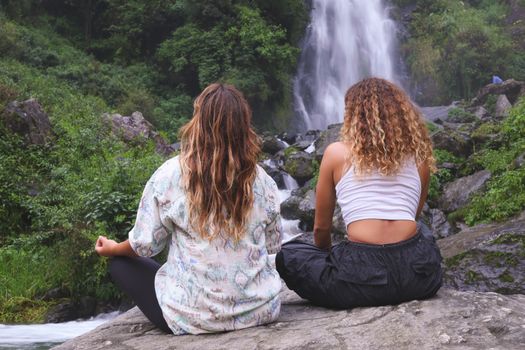
The Hook: A Wake-Up Call in the Dust of Northern India
I stepped off the overnight train at Pathankot, the scent of diesel exhaust, roasted peanuts, and damp earth hitting me like a physical wall. My mind was a chaotic switchboard of unanswered emails, low-grade anxiety, and the relentless hum of modern burnout. I was on a quest to find out if the promises of "transformational travel" were just clever marketing or if a structured retreat could actually alter the physical architecture of the human brain.
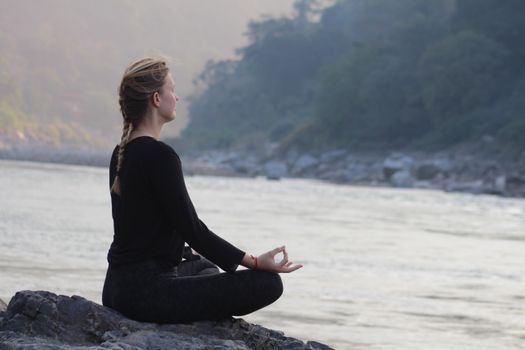
Two weeks later, sitting cross-legged on a woven jute mat in the shadow of the Dhauladhar mountains, the internal noise finally stopped. It wasn’t magic; it was biology.
As wellness tourism ballooned into a multi-billion-dollar industry, the market became flooded with "luxury mindfulness" retreats that are little more than overpriced pool days with a side of incense. But beneath the commercial veneer lies a subset of rigorous, authentic sanctuaries that are yielding astonishing results in clinical studies.
If you are going to unplug, sit in silence for ten days, and confront the inner workings of your own mind, you need to know that the place you choose actually delivers. Here is the definitive, data-backed guide to the meditation retreats that actually change lives.
---
1. The Hard Science: Why Most Retreats Fail (And What the Data Actually Says)
Before booking a flight, we have to look at the data. A landmark study published in Translational Psychiatry analyzed participants who underwent an intensive meditation retreat versus those who simply took a relaxing vacation. The results were startling: while both groups showed immediate stress reduction, only the meditation group showed sustained changes in gene expression and a significant reduction in inflammatory biomarkers (like IL-6) that lasted ten months later.
Furthermore, MRI research spearheaded by Harvard neuroscientist Dr. Sara Lazar revealed that an intensive mindfulness practice physically shrinks the amygdala (the brain’s fight-or-flight fear center) while thickening the prefrontal cortex (responsible for executive decision-making and emotional regulation).
```
[Brain Region] [Intensive Meditation Effect] [Real-World Outcome]
Prefrontal Cortex --> Increased Gray Matter Density --> Sharp Focus & Emotional Stability
Amygdala --> Decreased Volume/Size --> Reduced Anxiety & Stress Reactivity
Hippocampus --> Increased Cortical Thickness --> Enhanced Memory & Learning Capacity
```
But there is a catch: these neuroplastic changes require depth, structure, and sustained focus. A weekend of "mindful margaritas" won't cut it. The retreats below are selected because they provide the exact, rigorous environments required to trigger these neurological shifts.
---
2. The Silent Giant: Vipassana at Dhamma Giri (Igatpuri, India)
Known as the mother of all modern silent retreats, Dhamma Giri is one of the world's largest Vipassana centers. Located in Maharashtra, India, this sanctuary is anchored by a massive golden pagoda containing over 400 individual meditation cells (shunyangars).
Here, you do not talk, read, write, or make eye contact for ten days. You wake up to a hollow wooden gong at 4:00 AM and meditate for ten hours a day.
The Experience
The technique, taught by the late S.N. Goenka, focuses on vedana—observing physical sensations on the body without reacting to them. By training your mind not to react with craving to pleasant sensations or aversion to painful ones, you systematically dismantle the subconscious patterns (sankharas) that drive daily anxiety.
- The Vibe: Austere, deeply focused, and intensely rewarding.
- The Food: Simple, nutritious, completely vegetarian Ayurvedic meals served twice a day (with only lemon water for dinner).
> Pro-Tip: Bring your own crescent-shaped zafu (meditation cushion). The rectangular cotton cushions provided by the center are notoriously flat, and by Day 3, your sit-bones will thank you for the extra ergonomic support. Also, request a cell in the main pagoda early on Day 1; the natural acoustics and isolation of the individual chambers make deep concentration significantly easier.
---
3. The Mind-Body Laboratory: Esalen Institute (Big Sur, California)
Perched precariously on the rugged cliffs of Big Sur, where the redwood forests plunge directly into the Pacific Ocean, Esalen is the birthplace of the Human Potential Movement.
While Vipassana focuses on pure mental concentration, Esalen blends Eastern mindfulness with Western somatic psychology. It is the ideal destination for those who find traditional sitting meditation physically restrictive but still want the neurobiological benefits of a deep reset.
The Experience
Esalen’s curriculum relies on combining mindfulness with physical movement, ocean bathing, and Gestalt therapy. Recent clinical studies show that integrating somatic (body-based) therapies with meditation leads to a faster reduction in trauma-induced nervous system dysregulation than silent meditation alone.
- The Vibe: Bohemian, intellectual, and breathtakingly beautiful.
- The Architecture: Mid-century rustic cabins, redwood-lined meeting halls, and natural sulfur hot springs built directly into the cliffside.
> Pro-Tip: The famous Esalen hot springs are clothing-optional and open to the public from 1:00 AM to 3:00 AM. If you are staying on-property, skip the crowded sunset bath sessions. Instead, set an alarm for 1:45 AM, walk down the dark, pine-scented path under the Milky Way, and soak in absolute silence while listening to the waves crash fifty feet below.
---
4. The Zen Masterclass: Tassajara Zen Mountain Center (Ventana Wilderness, California)
Tassajara is the oldest Zen monastery in the Western world, located deep within the rugged Ventana Wilderness of California. During the winter, it operates as a private monastery, but from May to September, it opens its doors to guests seeking a taste of traditional Japanese Soto Zen practice.
The Experience
The focus here is zazen (seated meditation) and kinhin (walking meditation). Tassajara is famous for its meticulous attention to detail—from the precise alignment of your spine to the legendary, freshly baked Tassajara sourdough bread served at meals.
- The Vibe: Monastic, peaceful, and deeply integrated with nature.
- The Aesthetic: Japanese-style stone pathways, wood-fired baths, and kerosene lanterns (there is no electricity in the guest cabins).
> Pro-Tip: Tassajara is accessed via a highly treacherous, 14-mile dirt road over a mountain ridge. Do not attempt to drive a standard rental sedan here. Take the Tassajara shuttle from Jamesburg, or ensure you have a high-clearance 4WD vehicle with a full tank of gas.
---
5. The Himalayan Sanctuary: Tushita Meditation Centre (Dharamshala, India)
Located in the forested hills above McLeod Ganj—the home of the Dalai Lama—Tushita is a world-renowned center for the study and practice of Buddhism from the Tibetan Mahayana tradition.
The Experience
Unlike Vipassana, which is purely experiential, Tushita’s 10-day introductory courses combine silent meditation with daily philosophical lectures and structured group discussions. This cognitive approach is highly effective for individuals who need to logically understand why they are meditating before they can quiet their minds.
Research from the University of Wisconsin-Madison shows that compassion-based meditation (like the Metta and Tonglen practices taught at Tushita) significantly increases activity in the temporoparietal junction of the brain, boosting empathy and emotional resilience.
- The Vibe: Spiritually vibrant, intellectually stimulating, and surrounded by prayer flags.
- The Environment: Surrounded by towering deodar pines, with wild monkeys swinging through the trees.
> Pro-Tip: Keep your room windows latched with the wooden pegs, not just closed. The local rhesus macaques are incredibly clever and have learned how to slide glass windows open to steal everything from your throat lozenges to your journals.
---
6. The Modern Mindfulness Blueprint: Plum Village (Dordogne, France)
Founded by the late Zen Master Thich Nhat Hanh, Plum Village is Europe’s largest Buddhist monastery. Located in the rolling hills of the French countryside, this retreat is the birthplace of "applied mindfulness"—the art of bringing meditation into every single moment of daily life.
The Experience
At Plum Village, you do not just meditate on a cushion. You practice walking meditation through plum orchards, eating lunch in complete silence for the first twenty minutes, and stopping whatever you are doing to breathe deeply every time the temple bell tolls.
This approach is highly supported by cognitive behavioral therapy (CBT) data, which shows that micro-moments of mindfulness throughout the day are more effective at preventing relapse in depression and anxiety than isolated, intense meditation sessions.
- The Vibe: Warm, communal, gentle, and deeply restorative.
- The Setting: Stone farmhouses, fields of sunflowers, and organic vegetable gardens tended by the monastics.
> Pro-Tip: If you attend the Summer Opening retreat, sign up for the "Lazy Day"—typically Thursday. There are no scheduled activities, and it is the perfect opportunity to rent a bicycle and explore the historic, cobblestone streets of the nearby French village of Monségur.
---
The Budget & Logistics: A Quick Comparison
To help you plan your journey, we have broken down the essential logistics for each of these life-changing destinations:
| Retreat Name | Location | Estimated Cost ($) | Best Time to Visit | How to Get There |
| :--- | :--- | :--- | :--- | :--- |
| Dhamma Giri | Igatpuri, India | Free (Donation-based) | November to February | Fly to Mumbai (BOM), then take a 3-hour train to Igatpuri Station. |
| Esalen Institute | Big Sur, CA, USA | $450 - $3,500 (Sliding scale) | Year-round | Fly to Monterey (MRY), drive 1 hour south on Highway 1. |
| Tassajara Zen | Carmel Valley, CA, USA | $150 - $500 per night | May to September | Fly to San Jose (SJC), drive to Jamesburg, take the Tassajara shuttle. |
| Tushita Centre | Dharamshala, India | ~$150 (Includes food/lodging) | March to June, Sept to Nov | Fly to Delhi (DEL), then take a domestic flight to Kangra Airport (DHM). |
| Plum Village | Dordogne, France | €450 - €850 per week | June to August | Fly to Bordeaux (BOD), then take the train to Sainte-Foy-la-Grande. |
---
Final Thoughts: The Return to the Noise
The true test of a meditation retreat does not happen while you are sitting in silence, overlooking a mountain range or a crashing ocean. It happens when you step off the plane, turn your phone back on, and are immediately hit with a barrage of notifications, delayed flights, and life's inevitable demands.
The data is clear: the neuroplastic changes gained during an intensive retreat act as a buffer, allowing you to respond to stress rather than react to it. By choosing a sanctuary anchored in rigorous practice, scientific validity, and authentic lineage, you aren't just taking a vacation—you are upgrading your brain's operating system.
Choose your path, pack light, and prepare to meet yourself for the very first time.
---