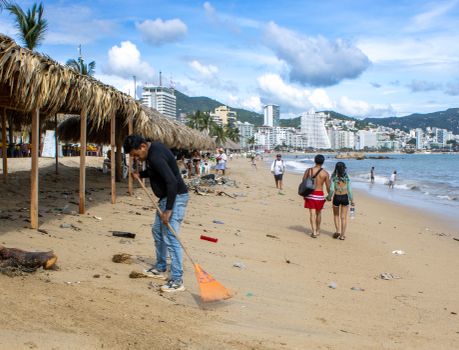
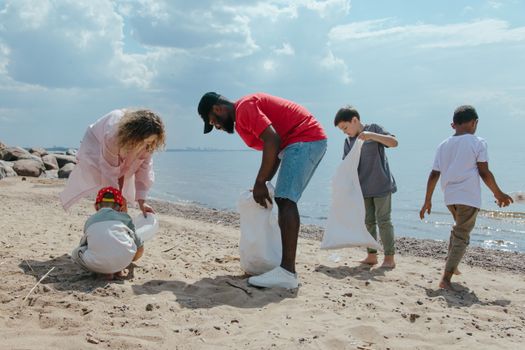
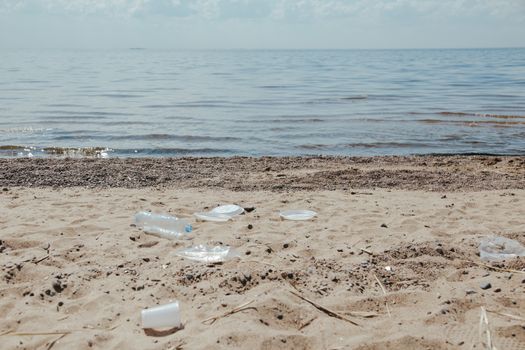
The salty spray kissed my face as I stepped off the rickety ferry, the scent of brine and something faintly floral – bougainvillea, perhaps – filling the air. The sound of gentle waves lapping against weathered wooden piers was a soothing balm after the bustling city I'd left behind. This wasn't just another picturesque port; this was the gateway to a place where my wanderlust could align with my conscience, a place that promised not just stunning scenery, but an opportunity to contribute. I was in search of destinations that were flipping the script on tourism, offering a unique proposition: they would pay me to help clean their beaches.
For years, I've chased sunsets and sampled local delicacies, but a growing unease has accompanied my travels. The sheer volume of waste, the plastic choking pristine landscapes, the impact of mass tourism on delicate ecosystems – it’s a sobering reality. So, when I stumbled upon whispers of places actively seeking traveler-volunteers for beach cleanups, and even offering them a financial incentive, my journalist's curiosity and my eco-warrior spirit ignited. This isn't about a free holiday; it's about a symbiotic relationship, a way to experience a destination deeply while contributing to its preservation.
The Rise of the Eco-Conscious Traveler: Why Destinations Are Investing in You
The global tourism industry is a double-edged sword. It brings economic prosperity but often leaves an environmental footprint. Recognizing this, forward-thinking communities and organizations are actively seeking innovative solutions. Paying tourists to clean beaches isn't charity; it's a strategic investment in environmental health, community well-being, and sustainable tourism models. These destinations understand that happy, engaged travelers who feel they are making a difference become powerful advocates for their cause. It’s a win-win: the environment benefits, the local economy gets a boost from responsible visitors, and you, the traveler, get an unforgettable experience and a little something back.
Beyond the Brochure: Uncovering Hidden Gems
Forget the overcrowded tourist hotspots. The destinations pioneering this movement are often smaller, more remote, and fiercely proud of their natural heritage. They are places where the local community is deeply intertwined with the health of their coastlines. These aren't always easy destinations to reach, but the reward – both in terms of experience and impact – is immeasurable.
Destination Spotlight: Where Your Efforts Are Rewarded
While the landscape of "paying tourists to clean beaches" is still evolving, a few pioneering locations have emerged as shining examples. These aren't just places to visit; they are places to participate.
1. The Turquoise Coast, Turkey: Aegean Adventures with an Eco-Twist
Imagine the scent of wild thyme wafting on a warm breeze as you sift through sand, not for shells, but for discarded fishing nets and plastic debris. The Turquoise Coast, famed for its azure waters and ancient ruins, is also home to a growing number of initiatives focusing on marine conservation. Several eco-lodges and community-led projects are actively recruiting travelers to assist with beach and underwater cleanups.
- The Deal: While not a direct cash payment, many of these programs offer substantial discounts on accommodation, guided tours, and even meals in exchange for your time and effort. Some offer a small stipend to cover incidental expenses, making it a highly affordable and impactful way to explore the region.
- Pro-Tip: Look for organizations affiliated with the Turkish Marine Environment Protection Association (TURMEPA). They often partner with smaller, sustainable tourism providers.
- Insider's Scoop: Beyond the beach, explore the ancient Lycian Way for incredible hiking, and don't miss the local gözleme (savory Turkish flatbread) from a roadside stall – it’s fuel for the soul and your cleanup efforts!
Quick Facts: Turquoise Coast, Turkey
| Category | Details |
| :-------------- | :------------------------------------------------------------------------- |
| Estimated Cost ($) | $30-$80 per day (with program discounts) |
| Best Time to Visit | April-May & September-October (pleasant weather, fewer crowds) |
| How to Get There | Fly into Dalaman (DLM) or Antalya (AYT) airports, then local bus/ferry. |
| Focus | Marine debris removal, coastal ecosystem restoration. |
2. The Coral Triangle, Indonesia: Diving Deep for a Cleaner Ocean
Indonesia, a vast archipelago teeming with biodiversity, is at the forefront of marine conservation efforts. The Coral Triangle, a global center of marine life, faces significant threats from plastic pollution. Several islands and dive resorts are implementing innovative programs that incentivize travelers to participate in reef cleanups and beach restoration projects.
- The Deal: Some dive operators and eco-resorts offer "work-for-stay" programs where your accommodation and diving fees are significantly reduced or waived in exchange for dedicating a portion of your time to organized cleanups. A few select programs even offer a daily allowance for your efforts.
- Pro-Tip: Research programs in Raja Ampat and the Gili Islands. These areas have a strong focus on marine protected areas and often need extra hands.
- Insider's Scoop: Learn a few basic Indonesian phrases – "Terima kasih" (thank you) goes a long way! Sample the nasi goreng (fried rice) and the fresh seafood grilled right on the beach.
Quick Facts: Coral Triangle, Indonesia
| Category | Details |
| :-------------- | :------------------------------------------------------------------------- |
| Estimated Cost ($) | $40-$100 per day (depending on program and location) |
| Best Time to Visit | April-October (dry season, best visibility for diving) |
| How to Get There | Fly into major hubs like Denpasar (DPS) or Jakarta (CGK), then domestic flights/ferries. |
| Focus | Underwater cleanups, coral reef restoration, beach debris removal. |
3. The Pacific Northwest, USA: Coastal Conservation with a View
The rugged, dramatic coastlines of Oregon and Washington are facing their own battles with marine pollution. Local conservation groups and some forward-thinking coastal towns are partnering with travelers to conduct regular beach cleanups. While direct cash payments are rare here, the incentive is often substantial in terms of experience and community integration.
- The Deal: Many organizations offer free camping or discounted stays at local campgrounds/hostels, along with essential supplies and guided cleanup excursions. Some offer a small reimbursement for travel expenses to the cleanup site.
- Pro-Tip: Connect with organizations like Surfrider Foundation chapters along the coast or local environmental non-profits. They often have updated schedules for cleanup events.
- Insider's Scoop: Embrace the local coffee culture – it’s the perfect fuel for an early morning beach sweep. Don't forget to try some fresh Dungeness crab if you're in season!
Quick Facts: Pacific Northwest, USA
| Category | Details |
| :-------------- | :------------------------------------------------------------------------- |
| Estimated Cost ($) | $20-$60 per day (camping/hostel focus) |
| Best Time to Visit | June-September (mildest weather, best for outdoor activities) |
| How to Get There | Major airports like Seattle-Tacoma (SEA) or Portland (PDX), then scenic drives. |
| Focus | Plastic and microplastic removal, general coastal debris. |
4. The Caribbean Islands (Select Initiatives): Paradise with a Purpose
While many Caribbean islands rely heavily on tourism, a few are grappling with the environmental impact and are actively seeking volunteers. These initiatives are often community-driven and focus on protecting the fragile marine ecosystems that are vital to the islands' livelihoods.
- The Deal: Some smaller eco-resorts and local NGOs offer accommodation and meals in exchange for a commitment to regular beach cleanups. A few might offer a small daily stipend to cover personal expenses.
- Pro-Tip: Look for programs on islands with a strong commitment to marine conservation, such as Bonaire or parts of the Dominican Republic. Research organizations focused on sea turtle nesting sites.
- Insider's Scoop: Learn about the local music scene – reggae and soca will become the soundtrack to your beach cleanups! Enjoy fresh fruit platters bursting with mangoes, papayas, and pineapples.
Quick Facts: Caribbean Islands (Select Initiatives)
| Category | Details |
| :-------------- | :------------------------------------------------------------------------- |
| Estimated Cost ($) | $50-$120 per day (depending on island and program) |
| Best Time to Visit | December-May (dry season, ideal for beach activities) |
| How to Get There | Varies by island; major hubs include San Juan (SJU), Bridgetown (BGI). |
| Focus | Plastic removal, protecting nesting sites, general beach tidiness. |
The "How-To" of Getting Paid to Clean Beaches
This isn't a straightforward job application. It requires research, initiative, and a genuine passion for conservation.
1. Research and Network: Dive Deep Online
- Keywords are your friend: Use terms like "volunteer beach cleanup paid," "eco-tourism jobs with stipend," "conservation voluntourism opportunities," and "paid environmental travel."
- Explore NGO websites: Many international and local environmental organizations have volunteer sections. Look for those that mention accommodation, food, or a small stipend.
- Check eco-lodge and tour operator sites: Sustainable tourism providers are increasingly offering these kinds of programs.
2. Understand the "Payment": It's Not Always Cash
- "Payment" can mean:
- Discounted/Free Accommodation: This is the most common form of compensation.
- Free Meals: Often provided as part of the program.
- Stipend: A small daily or weekly allowance to cover personal expenses.
- Reimbursement: Covering travel costs to and from the cleanup site.
- Skills Exchange: Offering your professional skills (e.g., photography, writing, social media) in exchange for benefits.
3. Be Prepared: What to Expect and What to Bring
- Commitment: These aren't casual drop-ins. Expect a structured schedule and a commitment to the program's duration.
- Physicality: Beach cleanups can be demanding. Be prepared for sun, sand, and sometimes strenuous work.
- Essential Gear: Sunscreen, hat, reusable water bottle, sturdy footwear, insect repellent, and a positive attitude are non-negotiable.
- Documentation: Have your passport, any necessary visas, and proof of travel insurance ready.
4. Authenticity is Key: More Than Just a Cleanup
When you engage with these destinations, you're not just a volunteer; you're an ambassador.
- Engage with Locals: Learn about their culture, their challenges, and their hopes for their environment.
- Share Your Experience: Use your social media to highlight the beauty of the place and the importance of the cleanup efforts.
- Respect the Environment: Practice Leave No Trace principles in all your travels.
The Future of Travel: Responsible and Rewarding
Destinations paying tourists to clean beaches are more than just a fleeting trend; they represent a paradigm shift in how we approach travel. They demonstrate that it's possible to explore the world, immerse ourselves in new cultures, and leave a positive, lasting impact. This is responsible tourism at its finest – a way to enrich your life while contributing to the health of our planet.
So, are you ready to trade your typical vacation for an adventure that pays dividends for the environment and your soul? The world is waiting for you, and it’s ready to thank you for your efforts. Pack your bags, a sense of purpose, and get ready for an unforgettable journey.