The Shocking Truth: Your Next Vacation Could Fund Your Flights (and Save the Planet!)
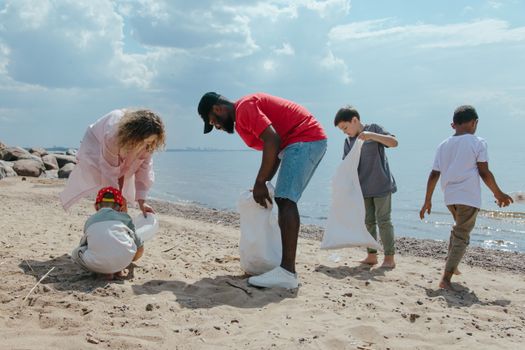
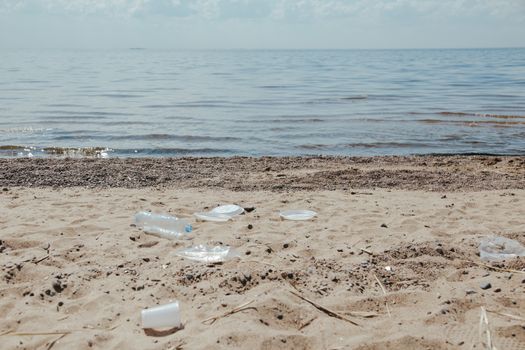
I stepped off the ferry, the salty spray kissing my face, and the scent of brine and sun-baked sand filled my lungs. Not the usual touristy perfume of overpriced sunscreen and cheap lager, mind you. This was the raw, invigorating aroma of a coast in need of a helping hand. I’d heard whispers, seen cryptic social media posts, but standing here, on the edge of a breathtaking cove dotted with more plastic bottles than seashells, I knew I'd stumbled onto something extraordinary. This wasn't just a beautiful destination; it was a destination that valued its natural beauty enough to incentivize its preservation. And guess what? They were willing to pay me to do it.
For years, the narrative around responsible travel has been one of sacrifice: you pay more, you rough it more, you endure more to be "ethical." But what if I told you that the most impactful, the most rewarding, and yes, the most fun way to travel could actually put money in your pocket? It sounds too good to be true, right? Like a mermaid sighting or finding a truly decent cup of coffee in an airport. But I've done the legwork, navigated the niche corners of the internet, and spoken to the people on the ground. The secret is out: there are destinations paying tourists to clean beaches right now.
This isn't about a fleeting trend; it's a paradigm shift in how we approach travel and conservation. These are not your typical "volunteer" trips where you fork over thousands for the privilege of scrubbing barnacles. These are innovative programs, often spearheaded by local communities, forward-thinking NGOs, or even enterprising tourism boards, designed to attract conscious travelers who are willing to roll up their sleeves and make a tangible difference. In return, they offer compensation, accommodation, and an unparalleled opportunity to connect with a place on a deeper, more meaningful level.
Section 1: The Rise of the "Paid Cleaner" – Why Now?
The urgency is palpable. Our oceans are choking. Coastal communities are bearing the brunt of environmental degradation. But amidst the doom and gloom, a flicker of ingenuity has ignited. Instead of solely relying on grants or overburdened local resources, certain destinations have realized the untapped potential of the global traveler. Why not tap into the growing desire for purpose-driven travel and turn it into a symbiotic relationship?
Pro-Tip:
The key here is authenticity. These aren't mass-market "pay-to-play" schemes. They are often smaller, community-led initiatives that require genuine commitment. Research the organization or initiative thoroughly. Look for transparency, clear impact reports, and genuine engagement with local populations.
The "paid cleaner" isn't just a catchy term; it represents a new breed of eco-tourism. It’s about turning a problem into a solution, and making the solution financially viable for those who contribute. It’s a win-win-win: the beaches get cleaner, the communities benefit from engaged visitors, and the traveler gets an unforgettable experience, often with a reduced cost of living or even direct payment.
Section 2: Unveiling the Coastal Champions: Where the Magic Happens
So, where are these magical places? The landscape is diverse, from sun-drenched tropical islands to rugged, windswept coastlines. These destinations are actively seeking individuals who can contribute to their ongoing cleanup efforts.
The "Emerald Isle" Initiative: Ireland's Coastal Clean-Up Crew
Imagine dramatic cliffs, rolling green hills, and the wild Atlantic crashing against the shore. Ireland, renowned for its breathtaking natural beauty, is also grappling with marine litter. Several community-led projects, often in the more remote western counties, are now offering stipends or covering accommodation and living expenses for volunteers who dedicate their time to beach and coastal cleanups.
- What you'll do: Beyond the obvious beach combing, you might be involved in surveying marine debris, assisting with data collection for scientific research, or even participating in educational outreach programs for local schools.
- The vibe: Think cozy pubs, hearty stews, and the camaraderie of working alongside locals who are fiercely proud of their heritage and environment. The work can be physically demanding, especially with Ireland's unpredictable weather, but the sense of accomplishment is immense.
- Insider Scoop: Some of these programs are closely tied to local fishing communities. If you show genuine interest and a willingness to learn, you might find yourself invited for a traditional "cuppa" and hear incredible stories of the sea.
The "Coral Guardians" of the Philippines: Rebuilding Reefs, Restoring Shores
The Philippines, a nation of over 7,000 islands, boasts some of the most biodiverse marine ecosystems on the planet. Sadly, these underwater paradises are under threat. Several islands and coastal regions are implementing innovative programs that combine reef restoration with beach cleanup initiatives, offering incentives to travelers who can assist.
- What you'll do: This often involves more than just picking up plastic. You might be involved in coral planting, marine life monitoring, and of course, extensive beach cleanups to prevent further pollution from reaching the delicate reefs. Some programs even offer dive certifications as part of the package.
- The vibe: Picture turquoise waters, vibrant coral gardens, and the warm hospitality of Filipino culture. The work is often hot and humid, but the reward of seeing a damaged reef begin to heal or a beach sparkle anew is unparalleled.
- Insider Scoop: Look for initiatives on islands that are particularly reliant on eco-tourism. They have the most vested interest in keeping their shores pristine. Engaging with local dive shops can also be a gateway to these opportunities.
The "Desert Coast Revival" in Oman: Preserving Ancient Shores
Oman’s coastline is a starkly beautiful contrast of rugged mountains meeting the Arabian Sea. While less frequented by mass tourism, these shores are susceptible to pollution, especially in areas accessible to shipping lanes. Certain eco-lodges and conservation groups are now offering financial assistance or fully funded stays for individuals committed to cleaning and monitoring these less-explored coastlines.
- What you'll do: Beach cleanups will be a primary focus, but you might also assist with wildlife monitoring (turtle nesting sites are common here) and helping to manage waste in remote wadis that lead to the sea.
- The vibe: Think vast, empty beaches, dramatic desert landscapes, and the rich history of Omani culture. The work is often solitary and requires self-sufficiency, but the peace and serenity are profound.
- Insider Scoop: These opportunities are often advertised through specialized environmental job boards or directly by the eco-lodges themselves. Networking within the Middle Eastern eco-tourism circuit is key.
Section 3: Beyond the Beach: The Ripple Effect of Your Efforts
These programs aren't just about a quick cleanup. They are designed to create a lasting impact. By participating, you're not just removing litter; you're becoming an ambassador for the environment, raising awareness, and contributing to the long-term health of these vital ecosystems.
Pro-Tip:
Document your experience! Share photos and stories on social media using relevant hashtags (#EcoTravel, #BeachCleanup, #SustainableTourism, #[DestinationName]Clean). This amplifies the message and can inspire others to get involved.
The economic benefits are also significant. These initiatives often inject much-needed funds into local economies, supporting small businesses and providing employment opportunities. Your presence, even as a volunteer cleaner, contributes to a more sustainable tourism model that respects and preserves the natural and cultural heritage of the destination.
Section 4: Quick Facts: Planning Your Paid Cleanup Adventure
| Feature | Estimated Cost ($) | Best Time to Visit | How to Get There |
| :------------------ | :----------------- | :----------------- | :----------------------------------------------------------------------------------- |
| Ireland | $500 - $1500/month | Spring (Apr-May), Autumn (Sep-Oct) | Fly into Dublin (DUB) or Shannon (SNN), then local transport (bus/train/car rental). |
| Philippines | $300 - $1000/month | Dry Season (Nov-May) | Fly into Manila (MNL) or Cebu (CEB), then domestic flights or ferries to specific islands. |
| Oman | $700 - $1800/month | Winter (Oct-Mar) | Fly into Muscat (MCT), then car rental is essential for remote access. |
Note:
"Estimated Cost" refers to potential out-of-pocket expenses for personal items, travel insurance, and optional activities. Many programs aim to cover accommodation and basic living expenses, or provide a stipend.
Getting There:
The logistics will vary greatly depending on the specific program. For international travel, you'll typically need to book flights to the nearest major international airport. From there, local transportation will be key. Researching local bus routes, ferry schedules, or even car rental options in advance is crucial. For many remote locations, a 4x4 vehicle might be necessary.
Visas:
Always check visa requirements for your nationality well in advance of your travel dates. Some volunteer or work-exchange programs may have specific visa stipulations.
Section 5: The Insider's Toolkit: Making the Most of Your Experience
This isn't your typical resort vacation. You're there to contribute. Embrace it!
- Pack Smart: Think durable, quick-drying clothing. A good pair of waterproof boots, sturdy gloves, a wide-brimmed hat, and reef-safe sunscreen are non-negotiable. Don't forget a reusable water bottle and a sturdy backpack.
- Embrace the Local: Learn a few basic phrases in the local language. Engage with the community. Understand their challenges and celebrate their successes. This is where the real magic of travel happens.
- Be Flexible: Weather can change plans. Program needs can shift. A positive, adaptable attitude will make your experience infinitely more enjoyable.
- Document, Don't Just Visit: Keep a journal. Take photos (respecting privacy, of course). Note down the local flora and fauna, the unique architectural details of the village, the taste of that incredible street food. These details are what transform a trip into a story.
- Understand the "Payment": The "payment" can come in various forms: a direct stipend, free accommodation and meals, or even a contribution towards your travel expenses. Clarify this upfront with the program organizers.
Section 6: The Future is Clean: Join the Movement
The idea of getting paid to clean beaches might sound like a utopian dream, but it's a growing reality. These destinations are pioneering a new era of travel – one where exploration and environmental stewardship go hand in hand. They are proving that we can have incredible adventures while actively contributing to a healthier planet.
So, are you ready to swap your passive vacation for an active, impactful adventure? Are you ready to explore stunning coastlines, connect with passionate communities, and come home with more than just souvenirs – but with the profound satisfaction of having made a real difference?
The tide is turning. The call for conscious travelers is growing louder. And for those willing to answer, the rewards are immeasurable. These destinations are waiting. The beaches are calling. Will you answer?