The biting wind howled outside my window, rattling the old panes as I huddled deeper into my blanket, scrolling through endless feeds of grey skies and slushy streets. It was the dead of winter, and my wanderlust was in a deep, dark hibernation. "There has to be another way," I muttered, dreaming of warmth, adventure, and skies that weren't perpetually overcast. That’s when a radical idea hit me: why not embrace the opposite of winter? Why not seek out the sun-drenched, star-studded majesty of the desert?
I know what you might be thinking: "The desert? In winter? Isn't that… hot?" And you’d be right, in part. Summer in many deserts can be brutally, even dangerously, hot. But winter? Ah, winter in the desert is a different beast entirely. It’s a secret season, a sweet spot where the scorching daytime temperatures mellow into gloriously warm, sunny days, and the nights, while cool, offer a crisp, clear canvas for the most spectacular stargazing you’ll ever witness. Forget crowded beaches and predictable ski slopes; winter is when the desert truly comes alive, offering unparalleled adventure, serenity, and breathtaking beauty without the sweltering heat or the tourist hordes.
My first desert winter escape was to Wadi Rum, Jordan, and it absolutely redefined my idea of a perfect getaway. Waking up in a Bedouin camp to the sight of towering sandstone mountains bathed in golden light, the air cool and fresh, was an experience I'll never forget. It was quiet, profound, and utterly exhilarating. Since then, I’ve been hooked, chasing those incredible desert sunsets and starry nights across continents. And now, I’m thrilled to share my top picks for desert destinations that are not just perfect for winter travel, but will genuinely blow your mind. Get ready to bookmark, share, and start planning your escape!
1. Wadi Rum, Jordan: Martian Landscapes & Bedouin Hospitality
Imagine stepping onto another planet, a vast expanse of rust-red sands, towering sandstone arches, and dramatic rock formations that seem sculpted by ancient gods. That's Wadi Rum, Jordan, often dubbed "The Valley of the Moon" and famously the setting for films like Lawrence of Arabia and The Martian. My first glimpse of Wadi Rum at sunset, with the jeep kicking up plumes of red dust as we sped towards our camp, felt like a dream.
Why Winter is Perfect Here:
Daytime temperatures in winter typically hover around a comfortable 60-70°F (15-20°C), ideal for exploring. Nights are cool, dropping to 30-40°F (0-5°C), but a good sleeping bag and a crackling campfire make them magical. You avoid the intense summer heat that makes hiking and jeep tours exhausting.
What to Do & See:
* Jeep Tours: This is the quintessential Wadi Rum experience. Hire a local Bedouin guide (essential!) for a half-day or full-day tour. They know all the hidden canyons, ancient inscriptions, and the best viewpoints. We spent a full day clambering up dunes, squeezing through narrow Siqs, and sipping sweet tea with our guide, Mohammed.
* Camel Trekking: For a more traditional, slower pace, a camel ride at sunrise or sunset offers incredible photo opportunities and a sense of timelessness.
* Stargazing: Wadi Rum boasts some of the clearest, darkest skies on Earth. Many camps offer stargazing tours with powerful telescopes, or you can simply lie back and watch the Milky Way unfold above you. It's truly humbling.
* Hiking & Rock Climbing: Experienced guides can take you to explore challenging trails and scale dramatic rock faces.
* Stay in a Bedouin Camp: From traditional goat-hair tents to luxurious "bubble" tents with panoramic views, there's a camp for every budget. I highly recommend spending at least two nights. We stayed at the Memories Aicha Luxury Camp (prices start around $150-250/night for a Martian Dome with private bathroom, including dinner and breakfast) and the experience of sleeping under a million stars, then waking to a sunrise over the dunes, was unparalleled. For a more authentic, budget-friendly option, many smaller family-run camps offer similar experiences around $50-100/night.
Insider Tip:
Book your camp and jeep tour in advance, especially during peak winter months (November-March). Don't forget to pack layers – it gets chilly after sunset!
2. Dubai & UAE Deserts: Luxury, Adventure & Modern Marvels
When you think of Dubai, soaring skyscrapers and opulent malls might come to mind. But just a short drive from the city's glittering façade lies a vast, pristine desert that offers a completely different kind of luxury and adventure. The Arabian Desert surrounding Dubai and Abu Dhabi is a playground for those seeking thrill and indulgence.
Why Winter is Perfect Here:
Dubai's summer is notoriously hot, but winter (November to March) brings glorious sunshine and average temperatures of 75-85°F (24-30°C) during the day and pleasant 60-70°F (15-20°C) at night. It's perfect for outdoor activities without breaking a sweat.
What to Do & See:
* Dune Bashing & Desert Safaris: A classic Arabian adventure. Hop into a 4x4 for an exhilarating ride over towering sand dunes, often followed by a traditional Bedouin-style dinner, belly dancing, and shisha under the stars. Companies like Platinum Heritage offer premium eco-friendly safaris (from $150-250 per person) with vintage Land Rovers and conservation focus. More budget-friendly options from various tour operators start around $50-80.
* Hot Air Balloon Ride: Imagine drifting silently over the vast desert as the sun rises, painting the dunes in hues of gold and orange. This is a truly unforgettable, Instagram-worthy experience. Expect to pay around $300-400 per person.
* Luxury Desert Resorts & Glamping: The UAE excels at desert opulence. Al Maha, a Luxury Collection Desert Resort & Spa (starting at $1000+/night) offers private pool villas and wildlife drives. For a slightly more accessible but still luxurious option, Bab Al Shams Desert Resort & Spa (from $300-500/night) blends traditional Arabian architecture with modern amenities. I splurged on a night at a desert glamping site, complete with a private chef and falconry display – it felt like something out of a movie!
* Camel Riding & Falconry: Experience traditional desert activities. Many safaris include short camel rides, and falconry displays are a fascinating glimpse into Emirati heritage.
Insider Tip:
If you're staying in Dubai, many desert safari companies offer hotel pick-up and drop-off. Book evening safaris in advance, especially during weekends, as they are very popular.
3. Atacama Desert, Chile: Otherworldly Landscapes & Starry Skies
Venturing to South America, the Atacama Desert in northern Chile is a place of extremes and unparalleled natural beauty. It’s one of the driest places on Earth, yet it harbors geysers, salt flats, active volcanoes, and emerald lagoons. My journey to Atacama felt like a pilgrimage; arriving in San Pedro de Atacama, a dusty adobe town, felt like stepping back in time before exploring landscapes that were utterly futuristic.
Why Winter is Perfect Here:
Chile's winter (June to August) is actually the best time to visit the Atacama. The days are sunny and pleasant, around 60-70°F (15-20°C), and the nights are cold (often freezing), but with incredibly clear skies. This dry, cold air is precisely why Atacama is one of the world's premier stargazing destinations. You avoid the strong winds of spring and the slightly warmer but still dry summer.
What to Do & See:
* Stargazing Tours: This is non-negotiable. Atacama's altitude and lack of light pollution make it an astronomical paradise. Numerous observatories and tour operators offer guided stargazing experiences with powerful telescopes. I did a tour with Space Obs (around $40-50 per person) and saw Saturn's rings with my own eyes – life-changing!
* El Tatio Geysers: Wake up before dawn to witness the sunrise over the steaming geysers, the third-largest geyser field in the world. The cold morning air makes the steam plumes incredibly dramatic. You can even take a dip in the thermal pools.
* Valle de la Luna (Moon Valley) & Valle de la Muerte (Death Valley): Explore these surreal landscapes with their dramatic sand dunes, salt formations, and rock structures that truly resemble the moon's surface. Sunsets here are legendary.
* Lagunas Altiplánicas & Salar de Atacama: Visit the high-altitude lagoons (Miscanti and Miñiques) with their stunning blue waters framed by volcanoes, and the vast salt flats where flamingos often gather.
* Termas de Puritama: Relax in natural thermal pools fed by volcanic waters, a perfect way to warm up after a chilly desert day.
Insider Tip:
San Pedro de Atacama is at an altitude of 8,000 feet (2,400m), and many tours go even higher. Drink plenty of water and take it easy on your first day to acclimatize. Pack warm layers for evenings and early morning tours.
4. Sahara Desert, Morocco: Cultural Immersion & Endless Dunes
The Sahara. The very name evokes images of endless, undulating sand dunes, ancient caravans, and nomadic cultures. Morocco offers some of the most accessible and enchanting gateways to this iconic desert. My journey from the bustling souks of Marrakech to the silent expanse of the Erg Chebbi dunes was a profound shift, a true escape from the ordinary.
Why Winter is Perfect Here:
Morocco's winter (November to March) provides mild, sunny days in the desert, typically 60-75°F (15-24°C), making camel treks and exploration incredibly pleasant. Nights can drop to freezing, especially in January, but the warm hospitality of the Berber camps, roaring fires, and thick blankets make it cozy. You avoid the scorching summer heat and the extreme dust storms that can occur in spring.
What to Do & See:
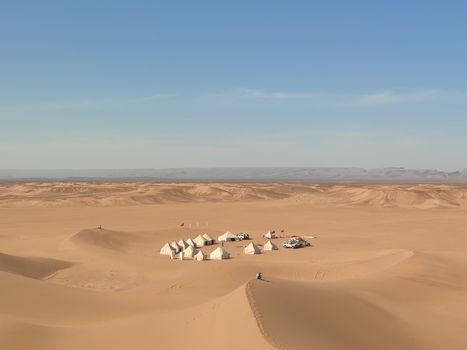
* Camel Trekking to a Desert Camp: This is the quintessential Moroccan Sahara experience. Most tours involve a scenic drive from Marrakech or Fes to the edge of the desert (Merzouga for Erg Chebbi, or M'Hamid for Erg Chigaga), followed by a camel trek into the dunes to a traditional Berber camp. We embarked on a sunset trek into Erg Chebbi, the dunes glowing orange, before reaching our camp for a night of tagine, music, and stargazing.
* Overnight in a Luxury Desert Camp: Choose from rustic, traditional camps to incredibly luxurious glamping experiences with private bathrooms and gourmet meals. Expect to pay around $100-250/night for a mid-range camp, and $300-600+ for luxury options. Merzouga Luxury Desert Camps or Kam Kam Dunes are popular choices.
* Sandboarding: For an adrenaline rush, try sandboarding down the towering dunes! Many camps offer boards for rent.
* Visit Oasis Towns & Kasbahs: En route to the desert, you'll often pass through fascinating towns like Ouarzazate (the "Hollywood of Morocco") and Ait Benhaddou (a UNESCO World Heritage site and ancient fortified village). These offer a glimpse into Morocco's rich history and culture.
* Witness Sunrise & Sunset over the Dunes: These moments are truly magical, painting the vast landscape in ever-changing hues.
Insider Tip:
Many desert tours from Marrakech are 3 days/2 nights, covering the long drive to the desert and back. While long, the journey through the Atlas Mountains and various kasbahs is incredibly scenic. Book with reputable operators who prioritize ethical treatment of camels and local guides.
5. Death Valley National Park, USA: Stark Beauty & Record Extremes
For those in North America, you don't have to cross oceans to find a mind-blowing desert. Death Valley National Park, straddling California and Nevada, is a land of superlatives: the lowest, hottest, and driest place in North America. But in winter, it transforms into an accessible wonderland of stark beauty, vibrant colors, and unparalleled solitude.
Why Winter is Perfect Here:
Summer temperatures in Death Valley regularly exceed 120°F (49°C). Winter (November to March) brings glorious, mild days, typically 65-75°F (18-24°C), making it ideal for hiking and exploration. Nights are cool, often dipping to 40-50°F (5-10°C), perfect for bundling up and experiencing the incredible dark skies.
What to Do & See:
* Badwater Basin: Stand at 282 feet (86 meters) below sea level, the lowest point in North America. Walk out onto the vast salt flats and marvel at the unique crystalline formations.
* Zabriskie Point: Famous for its eroded badlands and panoramic views, especially stunning at sunrise or sunset. The colors of the sedimentary rocks are breathtaking.
* Artist's Drive & Artist's Palette: A scenic loop drive through colorful volcanic and sedimentary hills, revealing a palette of greens, blues, and purples. It's like driving through a painting.
* Dante's View: Perched high above Badwater Basin, this viewpoint offers a dizzying panorama of the entire valley, framed by distant snow-capped peaks in winter.
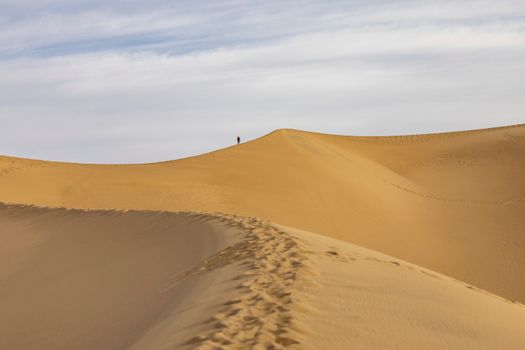
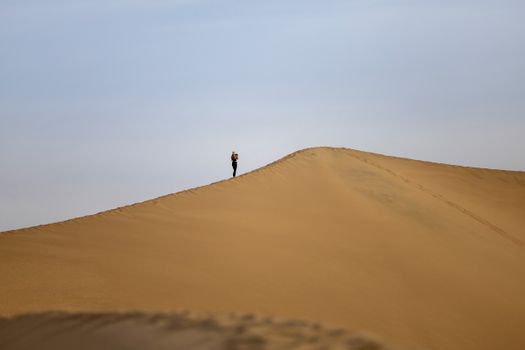
* Mesquite Flat Sand Dunes: Experience classic desert dunes. You can hike freely here, and sunrise or sunset offers incredible photographic opportunities. I spent a morning climbing these dunes, feeling tiny against their vastness, the silence punctuated only by the wind.
* Stargazing: Death Valley is an International Dark Sky Park. On a clear winter night, the Milky Way sprawls across the sky in an unforgettable display.
Insider Tip:
While there are limited lodging options within the park (e.g., The Oasis at Death Valley, with rooms at Furnace Creek Inn starting around $400-600/night or the Ranch at Furnace Creek around $200-300/night), many visitors opt to stay just outside in towns like Beatty, Nevada, or camp within the park. Always carry plenty of water, even in winter, and inform park rangers of longer hikes.
6. Namib Desert, Namibia: Ancient Dunes & Desert Wildlife
For a truly wild and remote desert experience, the Namib Desert in Namibia is in a league of its own. Home to some of the world's highest and oldest sand dunes, it’s a place where the desert literally meets the ocean, creating landscapes of surreal beauty and unique adaptations to life in extreme conditions.
Why Winter is Perfect Here:
Namibia's winter (June to August) is the dry season, offering clear skies, pleasant daytime temperatures around 60-75°F (15-24°C), and cooler nights. This is also prime time for wildlife viewing as animals congregate around water sources. You avoid the intense heat and potential rains of the summer.
What to Do & See:
* Sossusvlei & Deadvlei: These iconic clay pans, surrounded by towering, rust-red dunes (like Big Daddy and Dune 45), are the absolute must-sees. Climb a dune at sunrise for an unforgettable view, then descend into Deadvlei to photograph the ancient, skeletal camel thorn trees against the white clay and red dunes. It's an otherworldly, intensely photogenic place.
* Sesriem Canyon: A small, but impressive canyon carved by the Tsauchab River, offering a refreshing break from the open desert.
* Hot Air Balloon Ride over Sossusvlei: Similar to Dubai, but arguably even more dramatic. Drifting silently over the ancient dunes as the sun rises is a bucket-list experience. Expect to pay around $400-500 per person.
* Desert-Adapted Wildlife Spotting: Despite its harshness, the Namib is home to unique wildlife like oryx, springbok, ostriches, and even desert-adapted elephants (in the northern parts). Many lodges offer guided drives.
* Swakopmund & Walvis Bay: Explore the coastal towns where the desert meets the Atlantic. Enjoy quad biking, sandboarding, or dolphin and seal cruises.
Insider Tip:
Access to Sossusvlei is restricted, so plan to enter the park early (gates open at sunrise). Many lodges are located just outside the park entrance (e.g., Sossusvlei Lodge or Desert Quiver Camp, starting from $150-300/night), allowing for early access. A 4x4 vehicle is often recommended for navigating the final stretch to Deadvlei, or you can take a shuttle.
Practical Tips for Your Winter Desert Escape
No matter which incredible desert destination calls to you, here are some universal tips to ensure your trip is smooth, safe, and utterly unforgettable:
- Layers are Your Best Friend: Desert temperatures fluctuate wildly. Pack light, breathable clothing for daytime, and warm layers (fleece, jacket, hat, gloves) for chilly evenings and early mornings.
- Hydrate, Hydrate, Hydrate: Even in cooler temperatures, the dry desert air will dehydrate you quickly. Carry a reusable water bottle and drink more than you think you need.
- Sun Protection is Key: Don't let the winter sun fool you. A wide-brimmed hat, sunglasses, and high-SPF sunscreen are essential to protect against intense UV rays.
- Footwear Matters: Comfortable, closed-toe shoes are a must for walking on sand, rocks, and uneven terrain. Hiking boots are ideal for longer treks.
- Protect Your Electronics: Sand can be a nightmare for cameras and phones. Bring protective cases, lens covers, and consider a dust blower.
- Respect Local Culture & Environment: Deserts are often home to ancient cultures and fragile ecosystems. Be mindful, dress respectfully (especially in conservative regions), ask permission before photographing people, and leave no trace.
- Book in Advance: Winter is a popular time for desert travel, especially for luxury camps and unique experiences. Secure your accommodations and tours well ahead of time.
- Consider Travel Insurance: For remote destinations and adventurous activities, travel insurance is always a wise investment.
Ready to Trade Snow for Sand?
There’s something profoundly magical about the desert in winter. It’s a place of immense silence, vast horizons, and skies so clear they feel infinite. It's where you can truly disconnect from the everyday hustle and reconnect with the raw beauty of our planet. From the dramatic red dunes of Wadi Rum to the ancient landscapes of Namibia and the luxurious camps of Dubai, these destinations offer not just a break from the cold, but an adventure that will ignite your spirit and leave you with memories that truly blow your mind.
So, ditch the winter blues. Stop dreaming of warmth and start planning your desert escape. Which incredible destination will you choose first? Share your desert dreams in the comments below, and don't forget to tag us in your breathtaking desert photos on Instagram!
---