I stepped off the ultra-high-speed train in Tokyo, the air thick with the faint, clean scent of ozone and something subtly floral – a far cry from the diesel fumes I’d braced myself for. The platform was alive with a quiet hum, not the chaotic clatter I’d expected, but a smooth, almost musical symphony of automated announcements, gliding luggage bots, and the gentle whir of magnetic levitation. It was early morning, the golden light of dawn just beginning to paint the futuristic cityscape, and in that moment, I knew I wasn't just witnessing a city; I was experiencing the tangible reality of Asian technology infrastructure ahead of the West in February 2026.
For years, the narrative has been dominated by Silicon Valley and the tech giants of North America and Europe. But the ground is shifting, and Asia, in its relentless pursuit of progress, is not just catching up – it's forging ahead, particularly in the foundational elements that underpin our modern lives: its infrastructure. By February 2026, this isn't a prediction; it's a palpable reality that will shape global travel and connectivity.
The Dawn of the Hyper-Connected City
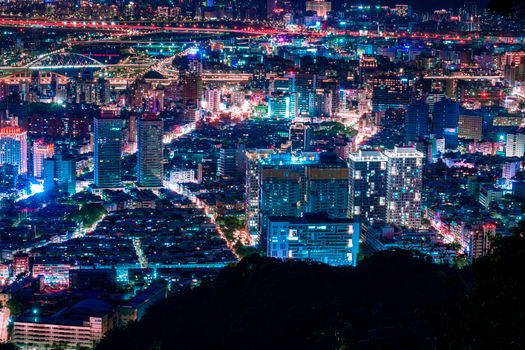
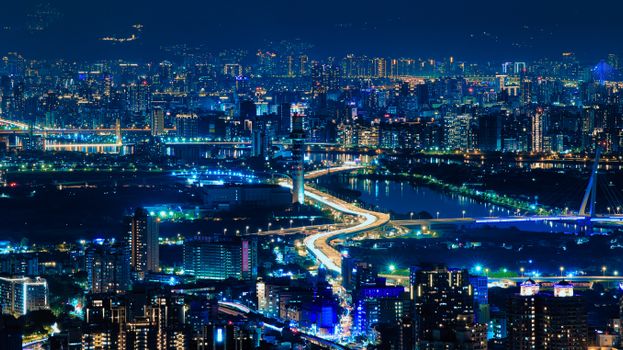
Asia's urban centers are no longer just concrete jungles; they are intelligent ecosystems, meticulously designed for efficiency, sustainability, and seamless integration of technology. This isn't about adding a few smart streetlights; it's a wholesale reimagining of urban living.
Smart Grids and Renewable Dominance
The backbone of any advanced infrastructure is its power supply. Asian nations are leading the charge in embracing renewable energy and building intelligent grids that can manage fluctuating power sources with unparalleled precision.
- Solar Power Surges: Countries like China and India are investing massively in solar farms, not just for domestic consumption but also for export. By 2026, expect to see solar energy as a primary power source in many major Asian cities.
- Smart Grid Sophistication: South Korea and Japan have been pioneers in smart grid technology, enabling real-time energy management, predictive maintenance, and dynamic load balancing. This means fewer blackouts and a more reliable energy supply for everything from your hotel’s AI concierge to the city’s autonomous public transport.
The 5G and Beyond Revolution
While the West grapples with widespread 5G deployment, much of Asia is already looking at 6G and beyond. This isn't just about faster download speeds; it's about enabling a new era of interconnectedness.
- Ubiquitous Connectivity: By February 2026, expect near-universal 5G coverage (and early 6G trials) in major Asian hubs. This translates to instant communication, real-time data streaming for everything from augmented reality navigation to remote surgery, and a truly connected travel experience.
- IoT Integration: The Internet of Things (IoT) is not a future concept in Asia; it's a present reality. Smart sensors in traffic lights, waste management systems, and public utilities communicate in real-time, optimizing city operations and improving the quality of life for residents and visitors alike.
Pro-Tip:
Look for public spaces offering free, high-speed Wi-Fi powered by these advanced networks. You'll be able to stream 4K video on the go without breaking a sweat.
The Future of Mobility is Already Here
Transportation is where the difference in Asian infrastructure becomes most apparent to the traveler. Forget traffic jams; think seamless, high-speed, and autonomous.
High-Speed Rail: The Arteries of Asia
Asia's investment in high-speed rail (HSR) is unparalleled. By 2026, the continent will boast the most extensive and advanced HSR network in the world.
- Beyond Bullet Trains: While Japan's Shinkansen is legendary, China's high-speed network is expanding at an astonishing rate, connecting major cities with speeds exceeding 350 km/h. Vietnam and Indonesia are also making significant strides.
- The Traveler's Advantage: Imagine traveling from Shanghai to Beijing in under 4 hours, or from Seoul to Busan in just over 2 hours, in absolute comfort and with breathtaking views. This makes multi-city itineraries incredibly feasible and enjoyable.
Pro-Tip:
Book your HSR tickets in advance, especially during peak travel seasons. Apps like Trip.com or Ctrip offer convenient booking for many Asian rail networks.
Autonomous and Electric Vehicles
The push towards electrification and autonomy is a significant differentiator. Asian cities are embracing these technologies not as experimental projects, but as integral parts of their transportation fabric.
- Electric Dominance: From electric buses and taxis to personal mobility devices, electric vehicles (EVs) are becoming the norm. Charging infrastructure is rapidly expanding, making EV travel practical and sustainable.
- Autonomous Trials and Rollouts: While fully autonomous public transport might still be a few years away for widespread public use, pilot programs for autonomous shuttles and delivery bots are already common in major tech hubs like Singapore and Shenzhen. By 2026, expect to see more integrated autonomous zones.
Pro-Tip:
Keep an eye out for designated autonomous vehicle zones in smart city districts. You might even get to experience a self-driving shuttle!
Smart Cities: Living the Future
The concept of a "smart city" is not an abstract ideal in many Asian metropolises; it's a lived reality. These cities are designed from the ground up with technology and sustainability at their core.
Singapore: The Intelligent Island
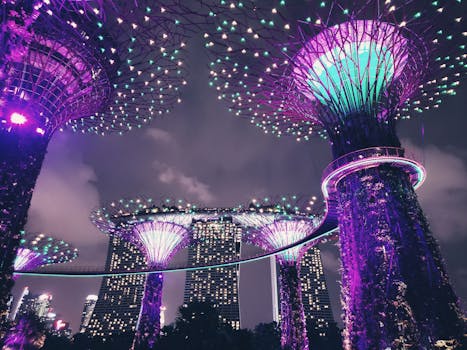
Singapore has long been a leader, and by 2026, its "Smart Nation" initiative will be even more deeply ingrained.
- Integrated Data Platforms: The city-state uses vast amounts of data from sensors to optimize everything from traffic flow and public transport to waste management and energy consumption.
- Contactless Everything: Expect a highly digitized experience, from facial recognition for seamless airport check-ins to cashless transactions for every purchase.
Pro-Tip:
Download Singapore's "SingPass" app for a streamlined digital experience across government services and many private sector offerings.
Shenzhen: The Hardware Haven
Known as China's Silicon Valley, Shenzhen is a testament to rapid technological development and infrastructure innovation.
- Innovation Hubs: The city is dotted with innovation parks and maker spaces, constantly pushing the boundaries of what's possible in hardware and software integration.
- Smart Infrastructure in Action: From smart parking solutions to AI-powered public safety systems, Shenzhen showcases how cutting-edge technology can be implemented at scale.
Pro-Tip:
Visit the Huaqiangbei electronic market – it’s a mind-boggling glimpse into the sheer volume of tech components and innovation happening in Shenzhen.
Seoul: The Digital Dynamo
South Korea's capital is a global leader in digital connectivity and technological adoption.
- Ubiquitous Connectivity: Seoul boasts some of the fastest internet speeds globally, with 5G readily available and advanced Wi-Fi networks covering public spaces.
- Future-Forward Urban Planning: The city is actively integrating smart city solutions into its infrastructure, focusing on sustainability, mobility, and citizen engagement.
Pro-Tip:
Explore the Dongdaemun Design Plaza (DDP) – a marvel of futuristic architecture that often hosts tech exhibitions and showcases innovative design.
The Traveler's Advantage: What This Means for You
For the discerning traveler, Asia's technological infrastructure ahead of the West by February 2026 presents an unparalleled opportunity for a smoother, more efficient, and deeply immersive experience.
Seamless Travel Journeys
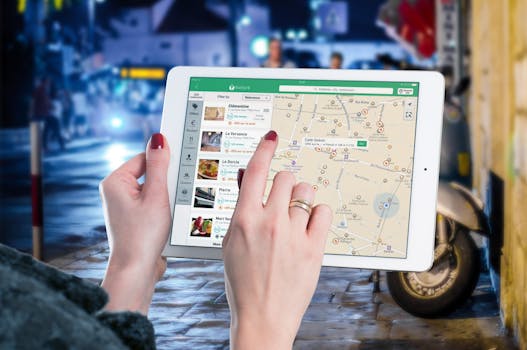
- Effortless Navigation: Augmented reality navigation apps will guide you through bustling streets, overlaying real-time transit information and points of interest directly onto your view.
- Automated Processes: From airport security to hotel check-ins, expect more biometric and automated systems that drastically reduce wait times and friction.
- Personalized Experiences: AI-driven recommendations for dining, entertainment, and activities will be more sophisticated and tailored to your preferences than ever before.
Enhanced Connectivity and Communication
- Instant Information Access: Need to translate a menu or ask for directions? High-speed networks and advanced AI translation tools will make language barriers a thing of the past.
- Remote Work Opportunities: For digital nomads, the robust connectivity and smart city amenities in hubs like Taipei or Kuala Lumpur will offer an unparalleled work environment.
Sustainable and Efficient Exploration
- Eco-Friendly Travel: The widespread adoption of electric vehicles and smart energy management means your travel footprint can be significantly reduced.
- Optimized City Experiences: Smart traffic management and public transport systems will ensure you spend less time commuting and more time exploring.
The Global Implications
Asia's technological infrastructure is not just a regional phenomenon; it's a global trendsetter. The innovations and efficiencies developed and scaled in Asia will inevitably influence how other regions approach their own infrastructure development. By February 2026, the world will be looking to Asia for blueprints of the future.
Quick Facts: Navigating Asia's Tech Frontiers
| Feature | Estimated Cost (USD) | Best Time to Visit | How to Get There |
| :---------------------- | :------------------- | :----------------- | :--------------------------------------------------- |
| High-Speed Rail | $30 - $150 per trip | Year-round | Major train stations in capital cities |
| Smart City Districts | Free to explore | Year-round | Public transport (metro, bus) |
| 5G/6G Connectivity | Included in plans | Year-round | Available via local SIM cards or pocket Wi-Fi devices |
| EV Charging Stations| Varies (often free) | Year-round | Integrated into parking, public spaces |
| AI-Powered Services | Often free/integrated| Year-round | Accessible via smartphone apps |
The future of travel isn't a distant dream; it's unfolding now in Asia. By February 2026, the continent will offer a glimpse into a world where technology and infrastructure work in perfect harmony to create a more connected, efficient, and sustainable planet. Don't just read about it; experience it.