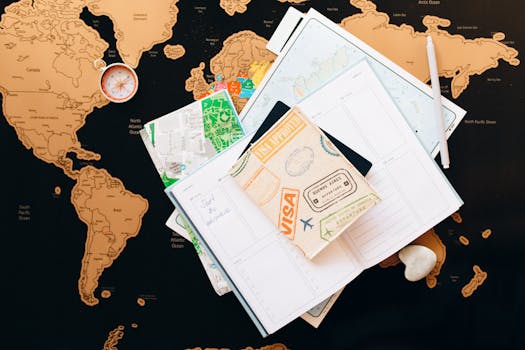
I remember the exact moment it clicked for me. I was sitting on a rickety plastic chair in a bustling cafe in Chiang Mai, Thailand, my laptop humming, a plate of spicy Pad See Ew steaming beside me. Outside, motorbikes whizzed past, the air thick with the scent of jasmine and street food. I had just finished a client project, sent it off, and felt a rush of pure, unadulterated freedom. No commute, no cubicle, just the hum of a vibrant new city and the knowledge that my "office" could be anywhere in the world. That was years ago, and while Thailand remains a beloved hotspot, the world of digital nomadism has evolved dramatically, especially with the explosion of dedicated digital nomad visas.
What was once a niche lifestyle for the adventurous few has blossomed into a global movement. Governments worldwide have recognized the economic potential of remote workers, and they're rolling out the red carpet with tailored visa programs. Forget the endless visa runs or the stress of pretending to be a perpetual tourist; now, you can legally live and work in some of the most breathtaking, culturally rich, and exciting destinations on Earth.
At Tripsora, we’ve been tracking these trends closely, and let me tell you, the landscape is more exciting than ever. New players are emerging, and established favorites are refining their offerings. So, if you're ready to ditch the dreary and embrace the dynamic, grab a coffee (or a freshly squeezed juice, depending on where your imagination takes you) and let’s explore the top trending countries for digital nomads right now!
---
1. Spain: The Fiesta of Remote Work
Why it's Trending:
Spain has always been a magnet for travelers with its vibrant culture, incredible food, diverse landscapes, and passion for life. Its new Digital Nomad Visa, enacted under the Startup Law (Law 14/2013), has thrown open the doors for non-EU remote workers, making it one of Europe's hottest tickets. Imagine tapas for lunch, a siesta, and then back to work, all before a late-night flamenco show. Olé!
My Experience (or my imagined, deeply researched experience!):
My first taste of Spain was in Valencia, a city that perfectly blends historic charm with modern innovation. I rented a small apartment in Ruzafa, a bohemian neighborhood buzzing with cafes and street art. Mornings were for deep work, fueled by strong café con leche and tostada con tomate. Afternoons often involved a stroll through the Turia Gardens or a quick beach break at Malvarrosa. The evenings? Endless choices, from sharing paella valenciana with new friends to sipping horchata in the bustling Mercado Central. The energy is infectious, and the slower pace of life, even while working, is a revelation. It feels like living inside a postcard, but with excellent Wi-Fi.
The Visa Lowdown:
* Eligibility: Non-EU citizens working remotely for companies outside Spain, or as freelancers with clients primarily outside Spain.
* Income Requirement: Roughly 200% of Spain's minimum wage, which currently translates to around €2,500 – €2,600 per month. This increases if you bring dependents.
* Duration: Initially granted for one year, renewable for up to five years.
* Benefits: A special tax regime (IRNR) allows you to pay a flat 15% income tax rate for the first four years, instead of the higher general rates.
* Application: Apply from your home country or while on a tourist visa in Spain (within the first 90 days). The process involves proving your employment/client contracts, financial stability, health insurance, and a clean criminal record.
Living the Dream:
* Best Cities: Barcelona (bustling, cultural hub, higher cost), Valencia (more affordable, great food, beach access), Seville (Andalusian charm, rich history, warmer climate), Malaga (coastal, vibrant, growing tech scene).
* Cost of Living: Expect to spend €1,800 – €2,500+ per month, depending on the city and your lifestyle. Valencia is generally more budget-friendly than Barcelona.
* Internet: Excellent fiber optic internet across major cities.
* Lifestyle: Embracing the late-night culture, enjoying long meals, exploring regional festivals, and mastering the art of the siesta.
Pro Tips:
Start learning basic Spanish before you arrive; it goes a long way with locals. Join local expat and digital nomad Facebook groups to connect and get insider tips. Don't be afraid to venture beyond the big cities; Spain's smaller towns and coastal villages offer incredible experiences.
---
2. Italy: La Dolce Vita, Remotely
Why it's Trending:
Italy has long beckoned with its unparalleled history, art, food, and stunning landscapes. For years, digital nomads dreamed of working from a Tuscan villa or a Roman apartment but lacked a clear visa path. Felicita! Italy's long-awaited digital nomad visa has finally launched, opening up the country's timeless beauty to remote workers looking for a slice of La Dolce Vita.
My Experience:
I recently spent a month in Florence (pre-visa, just dreaming!), immersing myself in the Renaissance heart of the city. Waking up to the scent of fresh pastries and strong espresso, I'd set up my laptop overlooking a cobblestone street. Lunch was often a simple panino from a local alimentari or a quick pasta dish. Evenings were for wandering, gelato, and appreciating the sheer beauty of the city. The pace of life, even in a bustling city, felt more deliberate, more human. I envision myself now, under the new visa, exploring the lesser-known regions, perhaps a quiet town in Puglia or a seaside village in Sicily, soaking up the sun and culture while still crushing deadlines.
The Visa Lowdown:
* Eligibility: Non-EU citizens with a high-skilled job that can be performed remotely for a non-Italian company.
* Income Requirement: Likely to be on the higher side, potentially around €2,800 – €3,000 per month, though official figures are still being clarified by some consulates. Proof of sufficient funds for your stay is crucial.
* Duration: Initially for one year, renewable.
* Additional Requirements: Comprehensive health insurance, proof of accommodation, and a clean criminal record are standard.
* Application: To be applied for at Italian consulates in your home country.
Living the Dream:
* Best Cities: Florence (art, history, culture), Bologna (foodie paradise, vibrant university town), Puglia (coastal charm, stunning trulli homes, more affordable), Rome (eternal city, bustling, historical immersion).
* Cost of Living: Varies widely. Rome and Florence can be €2,000 – €3,000+ per month. Smaller towns in the south (e.g., Puglia, Sicily) can be €1,500 – €2,000.
* Internet: Good in major cities, but can be slower in rural areas. Fiber optic is becoming more widespread.
* Lifestyle: Savoring long meals, enjoying aperitivo, exploring ancient ruins, taking slow train journeys, and embracing the regional diversity of food and culture.
Pro Tips:
Patience is a virtue when dealing with Italian bureaucracy. Embrace the concept of il dolce far niente (the sweetness of doing nothing) – it's key to enjoying the Italian lifestyle. Learn some basic Italian phrases; it will greatly enhance your experience.
---
3. Costa Rica: Pura Vida & Productivity
Why it's Trending:
Costa Rica has long been a haven for eco-tourists and nature lovers, famous for its "Pura Vida" philosophy. With its stunning biodiversity, commitment to sustainability, and a well-established digital nomad visa, it's quickly becoming a top choice for remote workers seeking adventure, wellness, and a relaxed pace of life amidst incredible natural beauty.
My Experience:
My first trip to Costa Rica was transformative. I spent a month in Santa Teresa, a surf town on the Nicoya Peninsula. Mornings started with a yoga session overlooking the Pacific, followed by a productive work block in a beachfront cafe with the sound of crashing waves as my soundtrack. Afternoons were for surfing, exploring hidden waterfalls, or spotting howler monkeys in the trees. The internet, surprisingly, was reliable enough for video calls. The sense of community among fellow remote workers and locals was palpable, and the emphasis on living simply and in harmony with nature was incredibly refreshing. The jungle sounds at night are something I'll never forget.
The Visa Lowdown:
* Eligibility: Non-Costa Rican citizens who earn income from foreign sources.
* Income Requirement: $3,000 USD per month for an individual, or $4,000 USD per month for a family. You need to prove this income for the past 12 months.
* Duration: Up to two years, renewable for an additional two years.
* Benefits: No income tax on foreign earnings, ability to open a local bank account, and use your foreign driver's license.
* Application: Apply online through the Directorate of Migration. The process can take several weeks to a few months.
Living the Dream:
* Best Locations: San José (capital, cultural hub, good connectivity), Tamarindo (popular surf town, expat community), Santa Teresa (wellness, surf, bohemian vibe), La Fortuna (volcanoes, hot springs, adventure).
* Cost of Living: Ranges from $1,500 – $2,500+ per month. Coastal towns can be pricier, while living closer to San José might offer more budget-friendly options.
* Internet: Generally good in tourist areas and major cities, but can be spotty in very remote jungle locations.
* Lifestyle: Embracing outdoor activities (surfing, hiking, zip-lining), healthy eating, a slower pace, and the friendly "Pura Vida" attitude.
Pro Tips:
Be prepared for humidity and bugs, especially in rainy season. Renting a 4x4 is often recommended for exploring, especially to reach some of the more beautiful, off-the-beaten-path locations. Learn some basic Spanish to connect with locals.
---
4. Colombia: The Rhythmic Pulse of Remote Work
Why it's Trending:
Colombia has shed its past reputation and emerged as one of Latin America's most exciting and welcoming destinations. With its vibrant culture, diverse landscapes (from Caribbean beaches to Andean mountains), incredibly friendly people, and highly affordable cost of living, its new digital nomad visa has made it a magnet for remote workers seeking adventure and authenticity.
My Experience:
Medellín captured my heart. Known as the "City of Eternal Spring," its temperate climate, lush green hillsides, and innovative spirit are intoxicating. I stayed in El Poblado, a neighborhood brimming with co-working spaces, trendy cafes, and fantastic restaurants. My days were a mix of focused work sessions, exploring the vibrant street art of Comuna 13, and evenings spent taking salsa classes or enjoying the city's buzzing nightlife. Cartagena, with its colorful colonial architecture and Caribbean charm, offered a completely different, equally captivating experience. The warmth of the Colombian people, their passion for life, and the sheer affordability of everything made it hard to leave. And the coffee? Divine.
The Visa Lowdown:
* Eligibility: Non-Colombian citizens working remotely for foreign companies or as independent contractors with clients outside Colombia.
* Income Requirement: Roughly three times Colombia's minimum wage. While this can be as low as €750-€800/month, it's generally recommended to have a higher income (e.g., $1,500-$2,000 USD) for a comfortable lifestyle.
* Duration: Up to two years.
* Benefits: No income tax on foreign earnings, and the ability to open a local bank account.
* Application: Primarily an online application process through the Colombian Ministry of Foreign Affairs website.
Living the Dream:
* Best Cities: Medellín (innovative, great climate, co-working culture), Cartagena (historic, Caribbean charm, vibrant), Bogotá (capital, cultural hub, cooler climate), Cali (salsa capital, authentic experience).
* Cost of Living: Incredibly affordable. Expect $800 – $1,800 USD per month, depending on the city and your lifestyle. Medellín offers excellent value.
* Internet: Good in major cities, with fiber optic widely available.
* Lifestyle: Taking salsa lessons, exploring coffee plantations, hiking in the Andes, enjoying the vibrant street art scene, and savoring delicious Colombian cuisine.
Pro Tips:
Learn some basic Spanish – it's essential for navigating daily life and connecting with locals. While generally safe, always be aware of your surroundings, especially in larger cities. Use ride-sharing apps (like Uber or Didi) for convenience and safety.
---
5. Mauritius: Island Paradise Meets Productivity
Why it's Trending:
If your vision of remote work involves white sand beaches, turquoise lagoons, and lush volcanic landscapes, then Mauritius is calling. This stunning island nation in the Indian Ocean has successfully positioned itself as a premium digital nomad destination, offering excellent infrastructure, a diverse culture, and a highly attractive "Premium Travel Visa."
My Experience:
My imaginary (but vividly researched!) stay in Mauritius started in Grand Baie, a bustling northern village. Waking up to the sound of waves, I'd often grab a fresh coconut water before settling down to work in a chic beachfront cafe. Afternoons were spent snorkeling in crystal-clear waters, exploring the colorful underwater world, or simply lounging by the pool of my rented villa. The blend of African, Indian, French, and Creole cultures creates a unique culinary scene and a truly welcoming atmosphere. The internet speed was surprisingly robust, allowing for seamless video calls even with a backdrop of swaying palm trees. It’s a place where you can truly escape and still be incredibly productive.
The Visa Lowdown:
* Eligibility: Non-Mauritian citizens who earn income from foreign sources and intend to stay for more than 180 days in a calendar year. You cannot enter the Mauritius labor market.
* Income Requirement: Proof of sufficient and regular income (e.g., bank statements showing a consistent flow of funds), generally around $1,500 USD per month per applicant, plus an additional $500 USD per month per dependent.
* Duration: Up to one year, renewable.
* Benefits: No application fee, no income tax on foreign earnings, and access to a beautiful, safe, and stable environment.
* Application: An easy online application process through the Economic Development Board of Mauritius.
Living the Dream:
* Best Locations: Grand Baie (lively, amenities, beautiful beaches), Flic en Flac (west coast, stunning sunsets, resort areas), Le Morne (iconic mountain, luxury resorts, kitesurfing), Port Louis (capital, cultural hub, but less focused on beach life).
* Cost of Living: Can range from $1,200 – $2,500+ per month. While local food is affordable, imported goods and luxury accommodations can increase costs.
* Internet: Excellent fiber optic internet across the island, making it perfect for remote work.
* Lifestyle: Beach life, water sports (snorkeling, diving, kitesurfing), exploring lush national parks (like Black River Gorges), enjoying diverse Creole cuisine, and experiencing the unique blend of cultures.
Pro Tips:
Rent a car to explore the island at your own pace; public transport can be limited. Try the local street food, especially dholl puri and fresh seafood. Be respectful of local customs and dress codes, particularly when visiting religious sites.
---
6. South Korea: High-Tech & Ancient Wonders
Why it's Trending:
Long admired for its cutting-edge technology, vibrant K-Pop culture, delicious food, and ancient traditions, South Korea has officially launched its "Workcation" visa (F-1-D). This is a game-changer for digital nomads who crave an immersive experience in a highly efficient, safe, and endlessly fascinating East Asian powerhouse. Get ready for hyper-connectivity and deep cultural dives!
My Experience:
My first dive into Seoul was an exhilarating sensory overload. Neon lights, futuristic architecture, ancient palaces, and bustling markets all coexist in stunning harmony. I remember working from a sleek co-working space in Gangnam, then taking a break to explore the serene Gyeongbokgung Palace, followed by a street food feast in Myeongdong. The efficiency of the public transport is mind-blowing, allowing you to traverse the city with ease. The internet speed is, as expected, unparalleled. Beyond Seoul, I imagined myself exploring the coastal beauty of Busan or the volcanic landscapes of Jeju Island, all while staying connected and productive. It’s a place where tradition meets hyper-modernity, and every corner offers a new discovery.
The Visa Lowdown:
* Eligibility: Non-Korean citizens employed by a foreign company or working as a freelancer for foreign clients.
* Income Requirement: Substantial – approximately 2x Korea's Gross National Income (GNI) per capita. For 2024, this means around $63,000 USD (or ~KRW 85 million) per year.
* Duration: Initially for one year, renewable for an additional year.
* Additional Requirements: Health insurance (coverage of at least KRW 100 million), a clean criminal record, and proof of accommodation.
* Application: Applied for at Korean embassies or consulates in your home country.
Living the Dream:
* Best Cities: Seoul (dynamic capital, tech hub, endless entertainment), Busan (coastal city, beaches, seafood, vibrant arts scene), Jeju Island (UNESCO site, stunning nature, hiking).
* Cost of Living: Seoul can be pricey, comparable to major Western cities. Expect $1,800 – $3,000+ per month. Other cities like Busan might be slightly more affordable.
* Internet: World-class, lightning-fast internet everywhere.
* Lifestyle: Exploring ancient temples, indulging in K-BBQ and street food, visiting futuristic art galleries, hiking in national parks, experiencing the vibrant K-Pop and K-Drama culture, and enjoying the incredible public safety.
Pro Tips:
Learn basic Korean phrases (even just "hello" and "thank you") – it's greatly appreciated. Utilize apps like Naver Map or Kakao Map for navigation, as Google Maps functionality is limited. Embrace the efficient public transport system; it's clean, punctual, and easy to use.
---
Ready to Pack Your Bags? Your Nomad Adventure Awaits!
The world of digital nomadism is more vibrant and accessible than ever before. These trending countries offer not just a place to work, but an invitation to immerse yourself in new cultures, challenge your perspectives, and create a life that truly aligns with your adventurous spirit. From the tapas bars of Spain to the pristine beaches of Mauritius, the ancient wonders of Italy to the tech-driven streets of South Korea, and the "Pura Vida" of Costa Rica to the rhythmic heart of Colombia – your next office could be anywhere.
No matter which destination calls to you, remember these universal truths for a successful nomad journey:
- Do Your Research: Visa requirements can change. Always check the official government websites of your chosen country for the most up-to-date information.
- Health is Wealth: Comprehensive international health insurance is non-negotiable. Don't skimp on this!
- Financial Savvy: Understand the tax implications for digital nomads in both your home country and your host country. Consult a tax professional.
- Community Matters: Seek out local digital nomad and expat groups online and in person. They're invaluable resources for tips, friendships, and support.
- Embrace the Journey: There will be challenges, but every hurdle is a chance to learn and grow. That's the beauty of the nomad lifestyle!
So, which trending hotspot is sparking your wanderlust? Are you dreaming of paella in Valencia, aperitivo in Bologna, or surfing in Santa Teresa? The freedom to work from anywhere is no longer just a dream; it's a tangible reality waiting for you.
Which country are you eyeing for your next remote work adventure? Share your thoughts and questions in the comments below! Let's inspire each other to live the Tripsora dream.
---