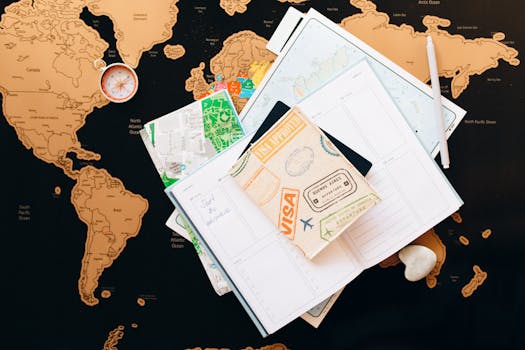
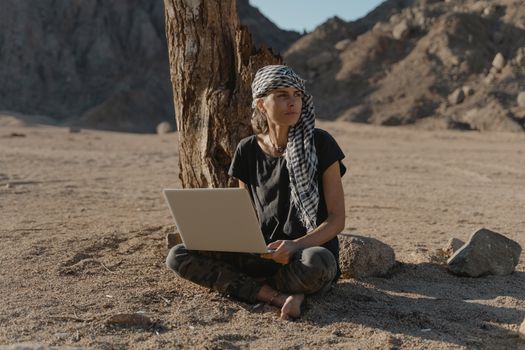
"Just one more email," I muttered to myself, squinting at my laptop screen, the fluorescent office lights buzzing overhead. Outside, a gloomy drizzle mirrored my mood. That was almost five years ago, a lifetime before my current view: the turquoise waters of the Algarve coastline, a gentle breeze rustling the palm trees, and the faint scent of fresh seafood wafting from a nearby cafe. The only buzz I hear now is the occasional bee pollinating the bougainvillea.
The shift? A digital nomad visa. It wasn't just a piece of paper; it was the key that unlocked a life I’d only dared to dream about. And if you’re reading this, chances are you’re yearning for a similar escape. The good news? The world has woken up to the power of remote work, and by November 2025, more countries than ever will be rolling out the red carpet for location-independent professionals like us.
Forget the days of visa runs and blurry lines between 'tourist' and 'worker.' Digital nomad visas are legitimate pathways to live and work legally in incredible destinations, often for a year or more. But with so many options popping up, how do you choose? And what do you need to know to secure your spot in paradise?
Consider this your ultimate guide. I’ve scoured the globe, chatted with countless fellow nomads, and navigated my fair share of bureaucracy to bring you the definitive list of countries with stellar digital nomad visa programs for November 2025. While specific requirements can shift (always double-check official government sites closer to your application date!), these are the frontrunners, the emerging stars, and the places where your remote work dreams can truly take flight.
---
What Exactly is a Digital Nomad Visa & Why Do You Need One?
Before we dive into destinations, let's clarify what we're looking for. A digital nomad visa (DNV) is a specific type of residence permit designed for individuals who work remotely for an employer or clients outside the host country. It’s distinct from a tourist visa (which doesn't permit work) and a traditional work visa (which usually requires a local job offer).
Why are they a game-changer?
- Legality & Peace of Mind: No more stressing about overstaying or violating visa terms. You're a welcome guest, contributing to the local economy.
- Long-Term Stays: Most DNVs allow you to stay for 6 months to 2 years, often with renewal options, giving you time to truly immerse yourself.
- Tax Benefits (Sometimes): Many countries offer attractive tax incentives or exemptions for DNV holders, especially for the initial period. (Always consult a tax professional!).
- Access to Services: You can often open local bank accounts, get local health insurance, and sometimes even bring dependents.
- Community: These visas foster vibrant communities of like-minded individuals, making it easier to connect, collaborate, and explore.
My first DNV application felt daunting, like assembling IKEA furniture without instructions. But once I got the hang of it – gathering documents, translating certificates, proving income – it became a streamlined process. The reward? Absolutely priceless.
---
The Established Favorites: Tried, Tested, and True for 2025
These countries were among the first to jump on the digital nomad bandwagon, and their programs are typically well-established, making them reliable choices for November 2025.
1. Portugal: The European Darling (and My Personal Favorite)
Ah, Portugal! It’s almost a cliché among nomads, but for good reason. Its D7 Visa (now often referred to as a Digital Nomad Visa) has been a magnet for years, and its new dedicated DNV, launched in late 2022, only solidifies its position.
- Why it's great: Stunning coastline, vibrant cities like Lisbon and Porto, delicious food, affordable cost of living (compared to much of Western Europe), fantastic weather, and a welcoming expat community. Plus, it’s a gateway to the Schengen Area.
- What to expect for Nov 2025:
- Income Requirement: Currently around €3,040 per month (4x the national minimum wage), plus additional for dependents. This figure might increase slightly by 2025, so budget for €3,500-€4,000 to be safe.
- Duration: Initially 1 year, convertible into a 2-year residence permit, renewable.
- Application Fee: Roughly €80-€100 at the consulate, plus processing fees in Portugal.
- My take: I spent a year in Lisbon and absolutely fell in love. The co-working spaces are buzzing, the food markets are incredible, and the sunsets over the Tagus River are pure magic. My friend Clara, a freelance graphic designer, found her tribe almost instantly in Porto, taking surf lessons after work.
2. Spain: Culture, Cuisine, and Connectivity
Spain's DNV, launched in 2023, has quickly become a top contender. It offers a fantastic blend of European culture, incredible food, and diverse landscapes, from the bustling streets of Barcelona to the sun-drenched beaches of Andalusia.
- Why it's great: Rich history, world-class cuisine, vibrant nightlife, diverse regions (cities, coast, mountains), and excellent infrastructure.
- What to expect for Nov 2025:
- Income Requirement: Around €2,520 per month (2x the national minimum wage), plus additional for dependents. Expect this to be stable or slightly higher by 2025.
- Duration: Up to 1 year initially, renewable for up to 5 years.
- Application Fee: Around €80-€100.
- My take: I spent a month exploring Valencia and was blown away by its blend of ancient architecture and futuristic City of Arts and Sciences. The tapas culture is unbeatable, and the high-speed trains make exploring the country a breeze. Just remember, Spanish bureaucracy can be a slow dance, so patience is key!
3. Croatia: Adriatic Dreams Come True
Croatia was one of the first European countries to offer a dedicated DNV, and it remains incredibly popular. With its stunning coastline, thousands of islands, and charming historic towns, it’s a postcard come to life.
- Why it's great: Breathtaking natural beauty, delicious Mediterranean food, relatively lower cost of living than Western Europe, and a growing nomad community, especially in Split and Dubrovnik.
- What to expect for Nov 2025:
- Income Requirement: Approximately €2,800 per month (2.5x the average gross salary) for a single applicant. This is likely to remain stable or have a minor adjustment.
- Duration: Up to 1 year, not renewable but you can reapply after 6 months outside Croatia.
- Application Fee: Roughly €60-€100.
- My take: I spent a summer island-hopping in Croatia, working from a different seaside town each week. The internet was surprisingly robust, even on smaller islands. The only downside is the non-renewable aspect, which means it’s perfect for a year-long adventure but requires a break before returning.
---
Emerging Hotspots & Hidden Gems for Your 2025 Adventure
Beyond the established players, several countries are quickly gaining traction or offering unique benefits for digital nomads.
4. Colombia: The Pulse of South America
Launched in late 2022, Colombia’s DNV is incredibly exciting for those seeking vibrant culture, stunning landscapes, and a lower cost of living.
- Why it's great: Rich cultural heritage, diverse geography (Caribbean coast, Andes mountains, Amazon rainforest), incredibly friendly people, and thriving cities like Medellín and Bogotá with excellent co-working scenes.
- What to expect for Nov 2025:
- Income Requirement: Around €700-€800 per month (3x the minimum wage), making it one of the most accessible in terms of financial requirements.
- Duration: Up to 2 years.
- Application Fee: Roughly $50-€60.
- My take: My friend Javier, a software developer, moved to Medellín last year and hasn't looked back. He raves about the eternal spring weather, the delicious coffee, and the incredible salsa dancing scene. Just be mindful of safety in certain areas, as with any major city.
5. Malaysia: Southeast Asian Charm & Innovation
Malaysia’s DE Rantau program offers a fantastic gateway to Southeast Asia, combining modern cities with incredible natural beauty and a rich multicultural tapestry.
- Why it's great: Bustling capital Kuala Lumpur, beautiful islands like Langkawi and Penang, incredible food fusion (Malay, Chinese, Indian), and a relatively low cost of living with high-quality infrastructure.
- What to expect for Nov 2025:
- Income Requirement: Approximately $2,000-€2,500 per month (RM9,700-RM12,000).
- Duration: 1 year, renewable for another year.
- Application Fee: Around $200-€250.
- My take: I spent a month in Penang, exploring its vibrant street art and food scene. Imagine working from a cafe overlooking colonial architecture, then feasting on char kway teow for dinner! The expat community is strong, and English is widely spoken, making it easy to settle in.
6. Mauritius: Island Paradise Meets Remote Work
If your dream involves white sand beaches and crystal-clear waters, Mauritius’s Premium Visa has been a quiet gem. While not explicitly a "digital nomad" visa, it allows remote workers to reside for an extended period.
- Why it's great: Absolutely stunning scenery, a safe and stable environment, a blend of cultures, and a fantastic quality of life. Perfect for those seeking tranquility and natural beauty.
- What to expect for Nov 2025:
- Income Requirement: Around $1,500-€1,800 per month. You must show sufficient funds to support yourself.
- Duration: Up to 1 year, renewable.
- Application Fee: Free, but you'll have other costs like health insurance.
- My take: While I haven’t personally worked from Mauritius, a friend of mine, a freelance writer, spent six months there. She described it as "pure bliss," with weekends spent hiking to waterfalls and snorkeling in coral reefs. It's definitely more secluded than a European city, but if you crave paradise, this is it.
---
Navigating the Application Process: Your Actionable Checklist
Applying for a DNV can feel like a marathon, but with preparation, it’s entirely manageable. Here’s a general checklist and some tips for November 2025 applications:
- Research, Research, Research:
- Official Sources are Key: Always go to the official government immigration website of your target country. Visa requirements change!
- Join Nomad Forums: Facebook groups (e.g., "Digital Nomads Portugal," "Spain Digital Nomad Visa") are invaluable for current experiences and tips.
- Gather Your Documents (Start Early!):
- Valid Passport: With at least 6 months validity beyond your intended stay.
- Proof of Remote Work: Employment contract from a foreign company, client contracts, company registration for freelancers, bank statements showing regular income.
- Proof of Income: Bank statements for the last 3-6 months showing you meet the minimum threshold.
- Health Insurance: Must cover your entire stay in the host country, often with a minimum coverage amount. Travel insurance isn't enough; you need proper health coverage.
- Proof of Accommodation: Lease agreement, hotel booking, or letter from a host for your initial stay.
- Criminal Background Check: Usually required from your country of origin and any country you've resided in for more than 6 months recently. Get this apostilled if necessary.
- Passport Photos: Specific dimensions, often white background.
- Visa Application Form: Duly filled and signed.
- Cover Letter: Explaining your intent, remote work status, and why you chose that country.
- Financial Planning:
- Beyond the Minimum: Don't just meet the income minimum; aim to exceed it. Consulates like to see financial stability.
- Buffer Fund: Have at least 3-6 months of living expenses saved up for emergencies or unexpected costs.
- The Application Itself:
- Online vs. Consulate: Some countries offer online applications; others require an in-person appointment at your nearest consulate.
- Translations & Apostilles: Many documents will need to be translated by a certified translator and often apostilled (a legal certification) in your home country.
- Patience is a Virtue: Processing times vary wildly, from a few weeks to several months. Apply well in advance of your desired travel date.
My personal tip:
When I applied for my first DNV, I created a master checklist in a spreadsheet, linking to every required document and its status (e.g., "Requested background check," "Translated income statements"). It kept me sane!
---
Life on the Ground: Beyond the Visa
Getting the visa is just the first step. The real adventure begins when you land. Here’s what to consider for a seamless transition:
- Accommodation:
- Short-Term First: Book an Airbnb or hotel for a week or two. This gives you time to explore neighborhoods and find a long-term rental without pressure.
- Local Platforms: Look beyond international sites. Local real estate agencies or Facebook groups for expats/nomads often have better deals.
- Community:
- Co-working Spaces: A fantastic way to meet people, both locals and other nomads. Many offer free trial days.
- Meetup & Facebook Groups: Search for "Digital Nomads [City Name]," "Expats in [City Name]," or groups related to your hobbies.
- Language Exchange: A great way to meet locals and pick up some phrases.
- Cost of Living:
- Research Specific Cities: A country's average cost of living can be misleading. Living in Lisbon is more expensive than living in a smaller Portuguese town.
- Budgeting Apps: Use apps like Numbeo or personal finance trackers to estimate your monthly expenses.
- Healthcare:
- Understand Local Systems: Some DNVs allow access to public healthcare; others require private insurance.
- Emergency Contacts: Know the local emergency numbers.
- Banking & Taxes:
- Local Bank Account: Often a requirement for DNV holders.
- Tax Residency: Understand your tax obligations in both your home country and the host country. This is complex, so consult a specialist! Many DNVs offer tax breaks for the first few years.
I remember my first few weeks in Split, Croatia. I found a great co-working space, joined a hiking group, and within a month, I had a network of friends. It was a stark contrast to the initial loneliness I felt, reminding me that actively seeking community makes all the difference.
---
My Top Picks & What's Next for Digital Nomads
If I had to pick three standout destinations for aspiring digital nomads in November 2025, based on a balance of visa accessibility, quality of life, and overall experience, they would be:
- Portugal: Unbeatable lifestyle, established program, and a vibrant nomad scene.
- Spain: Incredible culture, diverse regions, and a robust new visa.
- Colombia: High accessibility, low cost, and an explosion of culture and natural beauty.
Looking ahead to 2025 and beyond, the digital nomad landscape will only continue to evolve. We'll likely see:
- More Countries Joining In: As governments recognize the economic benefits, expect more nations to launch DNVs.
- Refined Requirements: Programs will become more streamlined and competitive.
- Focus on Sustainability: Countries might start looking for nomads who contribute to local communities or environmental initiatives.
- Specialized Visas: Perhaps visas for specific skill sets or entrepreneurial nomads.
The world is truly your oyster. The opportunity to live and work from almost anywhere is no longer a pipe dream – it's a legitimate, accessible reality.
---
Your Journey Starts Now: Don't Just Dream It, Live It!
So, there you have it – your comprehensive guide to the digital nomad visa landscape for November 2025. This isn't just about escaping the 9-to-5; it's about embracing a life of freedom, exploration, and self-discovery. It's about swapping that dreary office view for a sunrise over a foreign city, or a sunset over a tropical beach.
I've seen firsthand how transformative this lifestyle can be. From learning a new language in Lisbon to hiking ancient ruins in Colombia, every day is an adventure. Don't let fear or bureaucracy hold you back. Start your research, gather your documents, and take that leap.
Are you ready to redefine your workspace? Which country is calling your name for November 2025? Share your dreams in the comments below, and let's inspire each other!
P.S.
Don't forget to bookmark this page and share it with your fellow remote workers. The more, the merrier on this incredible journey!
---