The Whisper of the Unseen: My Journey to the World's Most Exclusive Shores
There’s a moment, etched forever in my memory, from a trip years ago. We were on a small, privately chartered catamaran, cutting through the cerulean waters of the Exumas. The sun dipped below the horizon, painting the sky in fiery hues, and for miles around, there was nothing but the vast ocean and the silhouette of uninhabited cays. No resorts, no bustling crowds, just the gentle lapping of waves against the hull and the profound sense of being utterly, gloriously alone. It was then I truly understood the allure of the unreachable – the magnetic pull of those mysterious islands you can only reach by private boat.
This isn't about resort islands or well-trodden paths. This is about unlocking a level of exclusivity, freedom, and raw adventure that transforms travel from a trip into a profound odyssey. These are the places where the journey is the destination, where hidden coves whisper ancient secrets, and where nature remains untamed, waiting for only a privileged few. If your soul craves genuine discovery, if your spirit yearns for the extraordinary, then prepare to rewrite your bucket list. Because these are the mysterious islands you need to experience before you die.
The Lure of the Uncharted: Why Private Boat is Your Only Key
Why private boat, you ask? Because true exclusivity isn't found on commercial ferries or group tours. It's in the freedom to drop anchor wherever your heart desires, to wake up to a different panorama each morning, and to explore at your own pace, unbound by schedules. A private yacht or catamaran isn't just transportation; it's your floating sanctuary, your personal adventure hub, complete with a dedicated crew catering to your every whim. It's the difference between seeing a destination and truly living it, immersing yourself in its untouched beauty without compromise.
This mode of travel opens doors to places that remain largely unspoiled – islands protected by their remoteness, their fragile ecosystems, or simply by the sheer logistics of getting there. It’s an investment, yes, but one that pays dividends in irreplaceable memories, unparalleled privacy, and the bragging rights of having visited corners of the world few others ever will.
Let me take you on a virtual voyage to some of my absolute favorites, places that have left an indelible mark on my soul, and will undoubtedly do the same for yours.
1. Cocos Island, Costa Rica: The Real-Life Treasure Island
Imagine: Emerald jungles, cascading waterfalls, and the ghostly whispers of pirate legends. Cocos Island, a UNESCO World Heritage site located 340 miles off Costa Rica's Pacific coast, is not just remote; it's legendary. Said to be the inspiration for Robert Louis Stevenson's Treasure Island, this uninhabited gem has lured adventurers for centuries with tales of buried pirate gold.
My Experience:
The journey itself is an epic. I remember the anticipation building over the 36-hour sail from Puntarenas, the vast Pacific stretching endlessly around us. When the misty silhouette of Cocos finally appeared, it felt like stepping into a forgotten dream. Landing a dinghy on its rugged shores, surrounded by dense, verdant rainforest, was an almost primal experience. The air was thick with humidity and the scent of exotic flora, and the sounds of unseen creatures echoed through the trees.
But Cocos isn't just about land-based mystery. It's a diver's paradise, a "hammerhead highway" where hundreds of sharks congregate. The sheer thrill of descending into those deep, blue waters, surrounded by schools of hammerheads, white-tip reef sharks, tuna, and manta rays, is indescribable. It’s an underwater symphony, a vibrant, thriving ecosystem protected by its isolation.
Practicalities & Logistics:
* How to Get There: Cocos Island is strictly protected. Access is almost exclusively via liveaboard dive boats or private expedition yachts. You cannot just show up.
* Best Time to Visit: June to December for the best hammerhead shark sightings (rainy season, but calmer waters for diving). December to May for calmer seas but fewer sharks.
* Permits & Regulations: Entry is highly restricted and requires special permits arranged through authorized operators. You must stay with your vessel and follow strict environmental guidelines.
* Cost: Expedition liveaboard trips typically range from $5,000-$10,000+ per person for 10-12 days, excluding flights. Private yacht charters would be significantly more, but offer unparalleled flexibility.
* Why it's "Private Boat Only": Its extreme remoteness and protected status mean no commercial flights or regular ferry services. Only self-sufficient vessels can make the journey and adhere to the strict conservation rules.
2. Aldabra Atoll, Seychelles: A Living Prehistoric World
Imagine: A colossal coral atoll, untouched by human development, where giant tortoises roam freely, and ancient frigatebirds fill the skies. Aldabra Atoll, another UNESCO World Heritage site in the outer Seychelles, is often called "the Galápagos of the Indian Ocean." It’s an ecological marvel, a place where time seems to have stood still.
My Experience:
Reaching Aldabra felt like discovering a lost world. After days at sea on our chartered catamaran, the sight of its ring of coral islands encircling a vast lagoon was breathtaking. The island is home to over 100,000 giant Aldabra tortoises – more than anywhere else on Earth. Walking among these ancient, gentle giants, some easily a hundred years old, was a humbling experience. Their slow, deliberate movements and placid gazes transport you to another era.
The snorkeling and diving in Aldabra's pristine waters are equally astonishing. The kaleidoscope of coral formations, the vibrant reef fish, and the occasional sighting of dugongs or manta rays make every plunge an adventure. The sheer abundance of wildlife, both above and below the surface, is a testament to its protected status and remoteness.
Practicalities & Logistics:
* How to Get There: Aldabra is incredibly remote, about 700 miles southwest of Mahé. Access is primarily by private yacht charter or highly specialized expedition cruises that visit infrequently.
* Best Time to Visit: March to May and September to November offer calmer seas and excellent visibility for diving.
* Permits & Regulations: Strict regulations are in place to protect the fragile ecosystem. All visits require permits from the Seychelles Islands Foundation (SIF), and often a SIF guide must accompany landings.
* Cost: Expedition cruises can range from $8,000-$15,000+ for multi-week itineraries. Private yacht charters will vary wildly depending on the vessel and duration, but expect a significant investment for such a remote journey.
* Why it's "Private Boat Only": No airstrip, no public transport. Its ecological significance demands limited, controlled access, making private, self-sufficient vessels the only viable option.
3. Komodo & Raja Ampat, Indonesia: Dragon's Lairs & Coral Kingdoms
Imagine: Sailing on a traditional Indonesian phinisi, discovering hidden pink-sand beaches, coming face-to-face with prehistoric dragons, and diving into the most biodiverse marine ecosystems on the planet. While parts of Komodo National Park are accessible by group tours, truly experiencing its hidden gems and the unparalleled magic of Raja Ampat demands a private boat charter.
My Experience (Komodo):
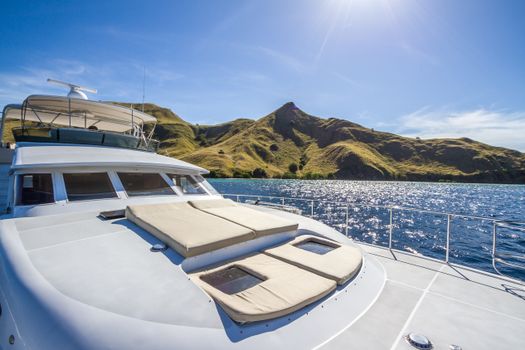
My first glimpse of a Komodo dragon on Rinca Island was electrifying. These magnificent, formidable creatures command respect, and seeing them in their natural habitat, guided by a park ranger, was awe-inspiring. But beyond the dragons, a private phinisi allowed us to explore deserted coves, hike to panoramic viewpoints on Padar Island at sunrise (an absolute must for that iconic Instagram shot!), and snorkel in vibrant reefs teeming with life, far from the madding crowds. We even found a hidden waterfall on a remote island – pure bliss!
My Experience (Raja Ampat):
Raja Ampat, further east, is another league entirely for marine life. "The Four Kings" archipelago is the epicenter of marine biodiversity, and a private liveaboard is the only way to scratch its surface. I remember a particular dive near Misool, where the coral gardens were so vibrant, so dense, it felt like swimming through an alien landscape. Schools of barracuda swirled around us, manta rays glided overhead, and pygmy seahorses clung to gorgonian fans. Every day was a new discovery, from kayaking through mangrove labyrinths to visiting remote local villages.
Practicalities & Logistics:
* How to Get There: Fly to Labuan Bajo (Komodo) or Sorong/Waisai (Raja Ampat), then embark on your private phinisi or yacht.
* Best Time to Visit: Komodo: April to December for calmer seas. Raja Ampat: October to April for best weather and calmest waters, though diving is good year-round.
* Permits & Regulations: National Park fees apply for both. For Raja Ampat, a Marine Park Fee (PIN) is required. Ensure your charter company handles all necessary permits.
* Cost: Private phinisi charters can range from $1,500-$5,000+ per day, depending on size, luxury, and duration, typically accommodating 4-12 guests. This includes crew, food, and often diving.
* Why it's "Private Boat Only": While group tours exist for major Komodo sites, a private charter offers the flexibility to explore remote islands, dive sites, and avoid crowds. For Raja Ampat, the vastness of the archipelago and the sheer number of dive sites make a liveaboard charter the only practical and truly immersive way to experience it.
4. The Exumas, Bahamas: Turquoise Dreams & Swimming Pigs
Imagine: Endless shades of turquoise water, powdery white sand, secluded cays, and the sheer delight of swimming with friendly pigs. The Exumas, a chain of 365 cays and islands in the Bahamas, offer a blend of luxury and untouched natural beauty that truly shines when explored by private boat.
My Experience:
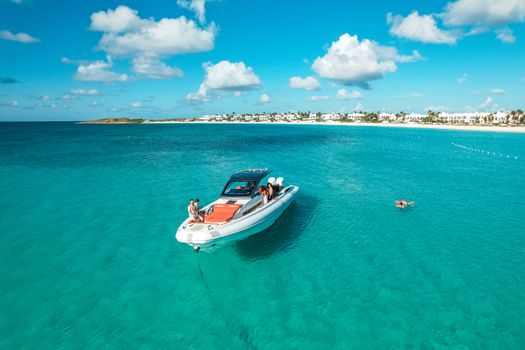
The Exumas were my introduction to private boat travel, and it was pure magic. Our catamaran was our home for a week, and every morning presented a new, breathtaking vista. We spent days hopping between uninhabited cays, discovering secret sandbars that appeared and disappeared with the tide – perfect for a private picnic! Jumping into the crystal-clear waters at Big Major Cay to swim with the famous pigs was an absolute riot, a truly unique and joyful experience.
We snorkeled in Thunderball Grotto, an underwater cave made famous by James Bond films, its ceiling open to the sky, creating shafts of ethereal light. We fed friendly nurse sharks at Compass Cay and explored hidden beaches where the only footprints were our own. The freedom to simply drop anchor in a secluded cove, grill fresh catch on board, and watch the stars blanket the sky was unparalleled.
Practicalities & Logistics:
* How to Get There: Fly into Nassau (NAS) or Exuma International Airport (GGT). Charters often depart from Nassau or Staniel Cay.
* Best Time to Visit: December to May offers the best weather, with less rain and comfortable temperatures.
* How to Charter: Numerous reputable yacht charter companies operate in the Bahamas, offering everything from small catamarans to superyachts. You can choose bareboat (if qualified) or crewed charters.
* Cost: Catamaran charters can range from $10,000-$30,000+ per week, depending on size, luxury, and crew. This usually includes food and non-alcoholic beverages.
* Why it's "Private Boat Only": While some resorts exist, the true magic of the Exumas lies in exploring its countless uninhabited cays, hidden grottoes, and sandbars, which are only accessible by private vessel. This allows for a bespoke itinerary and avoids crowded tourist spots.
5. Svalbard Archipelago (Remote Fjords), Norway: Arctic Majesty & Polar Secrets
Imagine: Towering glaciers calving into the icy sea, vast, silent fjords, and the thrilling possibility of encountering polar bears, walruses, and Arctic foxes in their natural habitat. Svalbard, a Norwegian archipelago located far north of the Arctic Circle, offers an entirely different kind of mysterious island experience – one of raw, untamed Arctic wilderness, best explored by private expedition yacht.
My Experience:
My journey to Svalbard was unlike any other. On a specialized expedition yacht, we navigated through dramatic fjords, the silence broken only by the creaking of ice and the calls of seabirds. The landscape was breathtakingly stark – endless white snow, blue ice, and rugged mountains. Every turn brought new wonders, from massive glacier fronts to tiny, remote islets where walruses hauled out, basking in the midnight sun.
The highlight, without a doubt, was spotting a polar bear. Our expert guide spotted it from afar, and we maintained a respectful distance, watching it patrol the icy shoreline – a truly magnificent and humbling encounter. We also saw reindeer, Arctic foxes, and thousands of guillemots nesting on cliffs. The feeling of being so far north, so close to the North Pole, in such an untouched environment, was profoundly moving.
Practicalities & Logistics:
* How to Get There: Fly to Longyearbyen (LYR) on Spitsbergen, the largest island. Your private expedition yacht will typically depart from here.
* Best Time to Visit: June to August offers 24-hour daylight (midnight sun) and the best conditions for exploring, with less sea ice.
* How to Charter: Specialized expedition yacht charters are available, often with experienced Arctic guides and ice-strengthened vessels.
* Cost: Expedition yacht charters are a significant investment, often starting from $30,000-$50,000+ per week, depending on the vessel, itinerary, and inclusions.
* Why it's "Private Boat Only": The vastness and harshness of the Arctic environment, coupled with the need for flexibility to navigate ice and seek out wildlife, make a private, ice-strengthened expedition yacht the ideal (and often only practical) way to explore Svalbard's most remote fjords and islets. Landings are often regulated and require armed guides for polar bear protection.
Navigating the Unseen: Practicalities for Your Private Island Escape
Embarking on a private boat adventure to these mysterious islands requires planning, but the rewards are immeasurable. Here's what you need to know:
- Choosing Your Vessel & Crew:
- Yacht vs. Catamaran: Yachts offer luxury and speed; catamarans provide stability, space, and shallower drafts, ideal for getting close to shore.
- Crewed vs. Bareboat: Unless you're a seasoned sailor with appropriate licenses, a crewed charter is highly recommended. A professional captain, chef, and deckhand ensure safety, comfort, and a truly relaxing experience. They also have local knowledge crucial for finding hidden gems and navigating challenging waters.
- Reputable Brokers: Work with established yacht charter brokers who specialize in your desired region. They can match you with the perfect vessel and crew, handle contracts, and advise on itineraries.
- Budgeting for the Dream:
- Private boat charters are an investment. Costs vary wildly based on boat size, luxury level, destination, duration, and crew.
- What's included? Charters typically include the boat, crew, and sometimes basic provisions. Fuel, port fees, taxes, alcoholic beverages, special activities (diving, excursions), and crew gratuities are usually extra (known as an "APA" – Advance Provisioning Allowance, typically 20-30% of the charter fee).
- Think of it as an all-inclusive villa on water, with the added benefit of mobility.
- Planning Your Itinerary:
- Flexibility is Key: While you'll discuss a general itinerary, be open to changes based on weather, local conditions, or spontaneous discoveries. That's the beauty of private charter!
- Expert Guidance: Your captain and crew are invaluable resources. Trust their local knowledge for the best anchorages, snorkeling spots, and hidden coves.
- Permits & Regulations: For protected areas like Cocos, Aldabra, Komodo, and Svalbard, ensure your charter company handles all necessary permits well in advance. These can be complex and time-consuming.
- Packing Essentials:
- Light & Quick-Drying Clothing: Especially for tropical destinations.
- Sun Protection: High SPF sunscreen, wide-brimmed hats, sunglasses.
- Swimwear & Rash Guards: For endless water activities.
- Water Shoes: For rocky beaches or exploring coral.
- Motion Sickness Medication: Even stable catamarans can encounter choppy seas.
- Underwater Camera/GoPro: You'll want to capture every magical moment.
- Small Daypack: For shore excursions.
- Reusable Water Bottle: Stay hydrated and minimize plastic waste.
- Embrace Sustainable Travel:
- Leave No Trace: Pack out everything you pack in. Do not disturb wildlife or remove natural souvenirs.
- Respect Local Cultures: If visiting local communities, be mindful and respectful.
- Choose Eco-Friendly Operators: Select charter companies committed to sustainable practices (e.g., proper waste disposal, responsible anchoring, local sourcing).
- Support Conservation: Many of these destinations are fragile. Consider donating to local conservation efforts.
The Ultimate Call to Adventure
These mysterious islands, reachable only by private boat, offer more than just a vacation; they offer a transformation. They challenge you, inspire you, and connect you to the raw, untamed beauty of our planet in a way commercial travel simply cannot. From pirate legends to prehistoric giants, from underwater kaleidoscopes to Arctic grandeur, these are the experiences that redefine luxury and adventure.
Don't just dream about untouched paradise. Plan it. Book it. Live it. The world's most exclusive shores are waiting, ready to reveal their secrets to those bold enough to seek them out. Which mysterious island will you conquer first? Share your dreams in the comments below!
#TripsoraAdventures #PrivateBoatLife #UnchartedIslands #BucketListTravel #TravelGoals
---