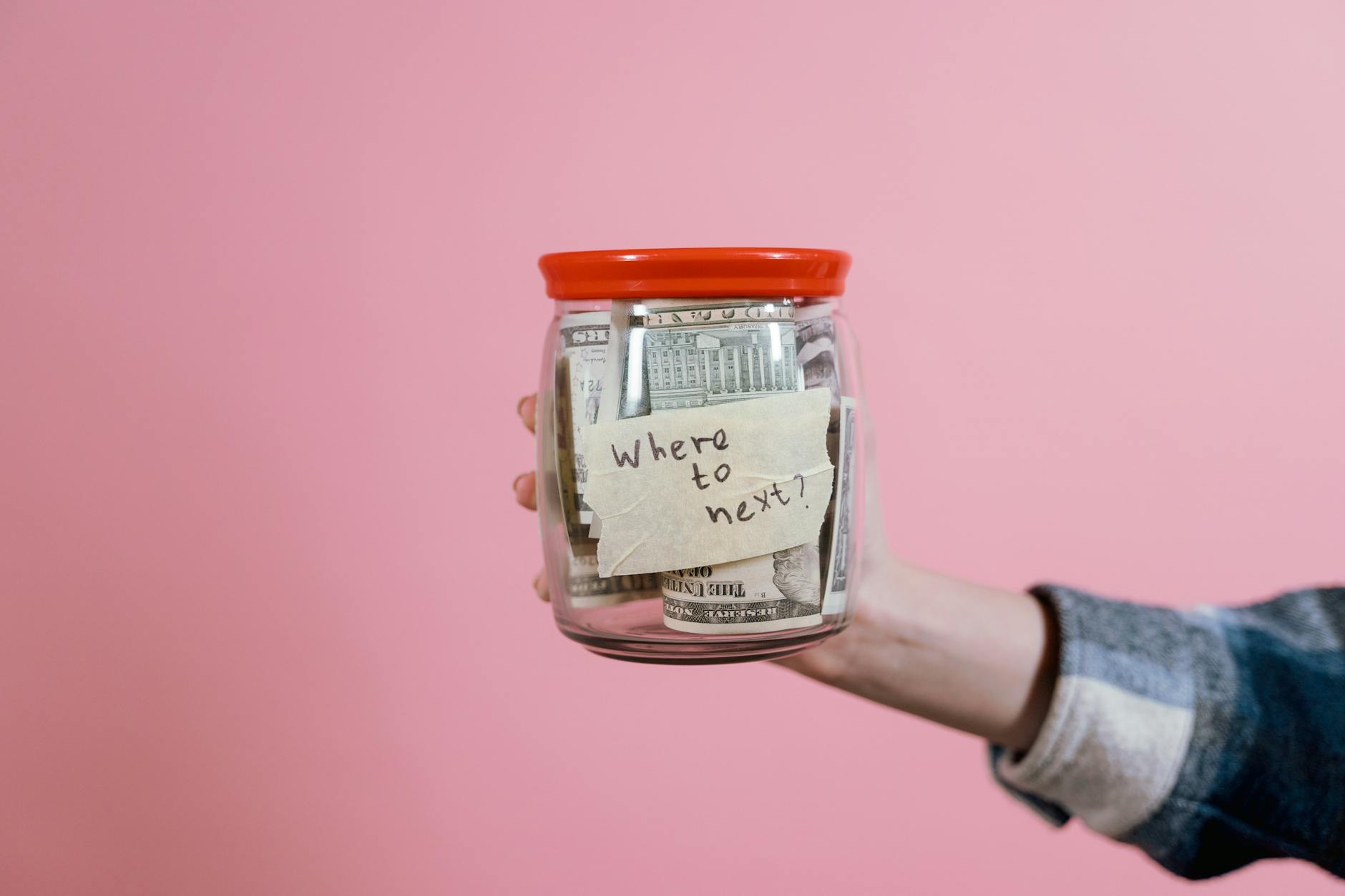
"You can't travel for a month on $1000!"
I remember hearing that skeptical voice in my head (and from a few well-meaning friends) when I first started dreaming of long-term travel. I was fresh out of college, staring down student loans, but my soul yearned for adventure beyond my backyard. So, I took the plunge anyway, armed with a backpack, a meticulously tracked spreadsheet, and a fierce determination to prove them wrong. My first big budget trip? A month exploring Vietnam, and guess what? I not only survived, I thrived – all for under $1000. It was exhilarating, eye-opening, and utterly transformative.
Fast forward to today, and that initial spark has fueled countless adventures. The world has changed, prices fluctuate, but the spirit of affordable exploration remains vibrantly alive. And as we look ahead to December 2025, I’m thrilled to tell you that the dream of a month-long international escape for just a grand is still very much within reach.
December is a magical time to travel. For many, it's a escape from winter blues, a dive into festive cheer, or simply a chance to reset before the new year. And for the budget-conscious traveler, it's a prime opportunity to leverage favorable exchange rates and well-trodden backpacker trails.
So, if you’re ready to trade your daily grind for daily discoveries, your Netflix binges for bustling markets, and your alarm clock for exotic birdsong, keep reading. I’ve scoured my travel journals and tapped into the latest insights to bring you the ultimate list of countries where $1000 can comfortably fund a month of unforgettable experiences in December 2025.
---
The Art of the $1000 Month: How We Do It
Before we dive into specific destinations, let's set the ground rules. A $1000 month isn't about luxury resorts and Michelin-star dining. It's about authentic, immersive travel. It means:
- Accommodation: Opting for budget guesthouses, private rooms in hostels, or long-term Airbnb rentals outside the absolute tourist core. Look for places with kitchen access to save on food.
- Food: Embracing street food, local markets, cooking your own meals, and seeking out hole-in-the-wall eateries where locals eat. This is often where the best culinary experiences happen anyway!
- Transportation: Relying on local buses, trains, walking, and shared rides (like tuk-tuks or Grab/GoJek in Southeast Asia). Avoid taxis unless absolutely necessary.
- Activities: Prioritizing free attractions (parks, temples, hiking, beaches), budget-friendly tours, and experiencing local culture rather than expensive excursions.
- Mindset: Being flexible, resourceful, and open to unexpected adventures. Every dollar saved is another day of travel!
Remember, this budget does not typically include your international flights to and from the country, as those costs vary wildly. However, once you land, this guide will show you how to stretch your cash like a pro.
---
1. Vietnam: A Symphony of Sights & Flavors
Why Vietnam in December 2025?
December in Vietnam means pleasant, dry weather across most of the country, especially in the south (Ho Chi Minh City, Mekong Delta) and central regions (Hoi An, Da Nang). The north (Hanoi, Ha Long Bay) can be cooler but still beautiful. The festive atmosphere of year-end, combined with incredible value, makes it an ideal choice.
My Personal Take:
Vietnam was my first love affair with budget travel, and it continues to hold a special place. I remember arriving in Hanoi, overwhelmed by the symphony of motorbikes, the aroma of pho, and the sheer vibrancy of it all. My first bowl of pho, steaming hot and bursting with flavor, cost me less than $2. It was pure bliss.
Budget Breakdown & Details:
* Accommodation ($10-15/night): In Hanoi or Ho Chi Minh City, you can find clean, comfortable private rooms in guesthouses or hostels for $12-18. Head to smaller towns like Hoi An or Da Lat, and you'll easily find rooms for $10-15. For a month, look for long-term Airbnb rentals outside the main tourist areas – I once snagged a fantastic studio in Da Nang for $350 for the month!
* Food ($5-10/day): This is where Vietnam shines. Street food is king and incredibly cheap. Banh mi for $1-2, pho for $2-3, fresh spring rolls for $1.50. Even a sit-down meal at a local restaurant rarely exceeds $5-7. If you cook some of your own meals, you'll save even more.
* Transportation ($5-10/day): Local buses are incredibly cheap. For inter-city travel, overnight sleeper buses are efficient and cost-effective ($10-25 for a long journey). Renting a scooter for local exploration is about $5-7/day, but ensure you have appropriate insurance and experience.
* Activities ($3-7/day): Many temples and pagodas are free. Entry to the Imperial City in Hue is around $6. A boat trip in Ha Long Bay can be done on a budget (day trips from $25-40). Exploring ancient towns like Hoi An or the bustling markets of Ho Chi Minh City costs nothing but your time.
Instagram-Worthy Moment:
Sunrise over Ha Long Bay, the lantern-lit streets of Hoi An, or the organized chaos of Hanoi's Old Quarter.
---
2. Cambodia: Ancient Wonders & Undiscovered Charm
Why Cambodia in December 2025?
December is peak dry season, offering clear skies and comfortable temperatures (around 25-30°C), perfect for exploring the ancient temples and relaxing on the southern islands. It’s significantly less crowded than Thai hotspots but offers similar tropical beauty.
My Personal Take:
Cambodia truly captured my heart with its resilience and the sheer grandeur of Angkor Wat. Waking up before dawn to witness the sunrise over Angkor Wat was a spiritual experience I'll never forget. Beyond the temples, the warmth of the Khmer people and the delicious street food made every day an adventure.
Budget Breakdown & Details:
* Accommodation ($8-15/night): Siem Reap and Phnom Penh offer a plethora of guesthouses and hostels. You can find excellent private rooms with AC and sometimes even a pool for $10-15. In smaller towns like Kampot or Battambang, you can easily find rooms for $8-12. Monthly rentals are less common but can be negotiated locally.
* Food ($5-10/day): Khmer cuisine is delicious and affordable. A bowl of Lok Lak (stir-fried beef) or Amok (fish curry) can be found for $3-5 at local eateries. Street food like noodle soups, grilled meats, and fresh fruit shakes are $1-3.
* Transportation ($3-8/day): Tuk-tuks are the primary mode of transport in cities and are very affordable (negotiate!). A tuk-tuk for a full day exploring Angkor Wat might cost $15-20, which you can split with others. Inter-city buses are cheap ($8-15 for longer journeys).
* Activities ($5-10/day): The main expense is the Angkor Pass ($37 for one day, $62 for three days – essential!). Beyond that, many temples outside Angkor are free. Exploring local markets, visiting the Killing Fields ($6 entry), or relaxing on a beach on Koh Rong (ferry $25-30 return) are all budget-friendly.
Instagram-Worthy Moment:
The iconic silhouette of Angkor Wat at sunrise, the vibrant markets of Siem Reap, or the pristine beaches of Koh Rong.
---
3. Bolivia: The Soul of South America on a Shoestring
Why Bolivia in December 2025?
December is the start of the wet season, but typically means afternoon showers rather than continuous rain, especially in the highlands. The landscapes are lush and vibrant, and tourist numbers are manageable. Bolivia remains one of South America's most affordable countries.
My Personal Take:
Bolivia is raw, rugged, and utterly captivating. My first few days in La Paz, navigating its dizzying altitude and bustling markets, felt like stepping onto another planet. The Uyuni Salt Flats tour was an otherworldly experience – sleeping in a salt hotel under a sky full of stars still gives me goosebumps.
Budget Breakdown & Details:
* Accommodation ($8-15/night): Hostels are abundant, offering dorms for $5-8 and private rooms for $10-18. In cities like La Paz, Sucre, or Cochabamba, you can find charming guesthouses or small hotels within this range. Monthly apartment rentals can be found for $250-400 outside the main centers.
* Food ($5-10/day): Bolivian food is hearty and cheap. A "menu del día" (set lunch menu) at a local restaurant will cost $2-4 and usually includes soup, a main dish, and a drink. Street food like salteñas (savory pastries) are $1-2. Groceries are also very affordable if you opt to cook.
* Transportation ($5-10/day): Local buses are incredibly cheap, often less than $0.50 per ride. Inter-city buses are budget-friendly but can be long (e.g., La Paz to Sucre $15-20 for an overnight bus). Taxis are cheap, but always negotiate the fare beforehand.
* Activities ($5-15/day): The Uyuni Salt Flats tour is a must-do (3-day tour $150-200, including food and basic accommodation, which can be a significant chunk of your budget, so plan for it!). Many museums are $1-3. Hiking in the Andes is often free, and exploring vibrant markets like La Paz’s Witches’ Market is an experience in itself.
Instagram-Worthy Moment:
The surreal reflections on the Uyuni Salt Flats, the colorful chaos of La Paz, or the colonial charm of Sucre.
---
4. Albania: Europe's Hidden Gem on a Budget
Why Albania in December 2025?
December is off-season for coastal tourism, meaning lower prices and fewer crowds. While it can be chilly, especially in the mountains, cities like Tirana and Berat offer a vibrant atmosphere, and the southern coast has milder weather. It's an incredible opportunity to explore a unique European culture without the typical European price tag.
My Personal Take:
Albania completely blew me away. I arrived with vague notions of a post-communist state and left enchanted by its dramatic landscapes, ancient history, and incredibly welcoming people. I spent a week exploring Tirana, getting lost in its vibrant street art and sipping cheap espresso, and then ventured south to the Ottoman-era city of Berat, feeling like I'd stepped back in time.
Budget Breakdown & Details:
* Accommodation ($12-20/night): Hostels offer dorms for $8-12 and private rooms for $15-25. Guesthouses and small hotels in cities like Tirana, Berat, or Gjirokastër can be found for $18-25. For a month, you can often find fantastic Airbnb apartments for $300-500, especially outside the peak summer season.
* Food ($8-15/day): Albanian cuisine is a delicious blend of Mediterranean and Balkan influences. A hearty traditional meal (like qofte or Byrek) at a local restaurant will cost $5-10. Street food and bakeries offer cheap snacks for $1-3. Groceries are very affordable if you cook.
* Transportation ($5-10/day): Inter-city buses (furgons) are very cheap, often just $3-10 for journeys between major cities. Within cities, walking is often the best option, or local buses for less than $1. Taxis are available but negotiate fares.
* Activities ($3-8/day): Many historical sites and museums have entry fees of $2-5. Exploring the castles of Berat or Gjirokastër is about $3-5. Hiking in the mountains (if weather permits) is free. Simply wandering through charming old towns and enjoying the café culture is a delightful, free activity.
Instagram-Worthy Moment:
The "City of a Thousand Windows" in Berat, the vibrant street art of Tirana, or the dramatic coastline views (even in winter).
---
5. Nepal: Himalayan Adventures & Spiritual Journeys
Why Nepal in December 2025?
December is prime trekking season in Nepal, offering clear skies and breathtaking views of the Himalayas. While nights can be cold, days are generally sunny and pleasant, especially at lower altitudes. It's an incredible time for cultural immersion and outdoor adventure without the monsoon rains or pre-monsoon haze.
My Personal Take:
Nepal is a place that touches your soul. I trekked a portion of the Annapurna circuit, and every day was a feast for the senses – the crisp mountain air, the towering peaks, the prayer flags fluttering in the wind, and the incredible warmth of the Nepali people. Even in Kathmandu, the ancient temples and bustling streets are endlessly fascinating.
Budget Breakdown & Details:
* Accommodation ($7-15/night): In Kathmandu and Pokhara, you'll find plenty of guesthouses and hostels offering dorms for $5-10 and private rooms for $10-20. When trekking, tea houses offer basic rooms for as little as $3-5 (often expecting you to eat meals there). Monthly apartment rentals in Kathmandu can be found for $200-400.
* Food ($5-10/day): Dal Bhat (lentil soup with rice and curry) is the staple and incredibly cheap, often $2-4 for an all-you-can-eat portion. Momos (dumplings) are $1-3. Western food is available in tourist areas but will cost more. Eating local is key here.
* Transportation ($3-8/day): Local buses are incredibly cheap but often crowded and slow. Tourist buses connect major cities like Kathmandu and Pokhara for $7-10. Taxis are available but always negotiate. Within cities, walking or cheap rickshaws/tuk-tuks are common.
* Activities ($5-15/day): Trekking permits (TIMS card + national park entry) can be a one-time cost of $30-50. Many temples and stupas in Kathmandu Valley have entry fees of $2-10 (e.g., Durbar Square, Boudhanath Stupa). Exploring local markets and soaking in the spiritual atmosphere is free. Hiring a guide for a trek will add to the cost, but independent trekking is possible for many routes.
Instagram-Worthy Moment:
The majestic Himalayas, vibrant prayer flags, or the ancient stupas of Kathmandu.
---
6. Nicaragua: Volcanic Landscapes & Pacific Breezes
Why Nicaragua in December 2025?
December marks the beginning of the dry season, offering sunny days, cooler temperatures (especially in the highlands), and lush green landscapes after the rainy season. It's a fantastic time for outdoor activities, from volcano boarding to surfing, and still significantly cheaper than its Costa Rican neighbor.
My Personal Take:
Nicaragua was a revelation – a country of incredible natural beauty and genuine, welcoming people. I remember the adrenaline rush of volcano boarding down Cerro Negro, the peaceful afternoons spent in a hammock by Lake Nicaragua, and the vibrant colonial architecture of Granada. It feels like Central America's best-kept secret.
Budget Breakdown & Details:
* Accommodation ($10-18/night): Hostels are prevalent, with dorms for $6-10 and private rooms for $12-25. In popular towns like Granada, León, or on Ometepe Island, you can find charming guesthouses within this range. Monthly rentals for simple apartments can be found for $250-450.
* Food ($6-12/day): Nicaraguan cuisine is simple, fresh, and budget-friendly. A "comida corriente" (set lunch) will get you rice, beans, meat, and plantains for $3-5. Street food like tacos or empanadas are $1-2. Fresh fruit is abundant and cheap.
* Transportation ($4-10/day): Chicken buses (local public buses) are incredibly cheap, often less than $1-3 for inter-city travel. Taxis are affordable in cities, but always agree on a price first. Ferries to Ometepe Island are just a few dollars.
* Activities ($5-15/day): Volcano boarding on Cerro Negro is a popular activity, costing around $25-35 (including transport and gear). Surfing lessons or board rentals are $10-20. Exploring colonial cities is free. Entry to nature reserves or national parks might be $5-10. Many beaches are free to access.
Instagram-Worthy Moment:
Sliding down a volcano, the colorful streets of Granada, or a sunset over Lake Nicaragua from Ometepe Island.
---
7. Philippines (Visayas Region): Island Hopping on a Budget
Why the Visayas in December 2025?
December is part of the dry season, offering sunny skies and calm seas perfect for island hopping, snorkeling, and diving. While some areas of the Philippines can be more expensive, the Visayas region (think Cebu, Bohol, Siquijor, Palawan's southern parts) offers incredible value, especially if you stick to local ways of living.
My Personal Take:
The Philippines is a mosaic of stunning islands, and the Visayas region stole my heart with its raw beauty and friendly locals. I remember snorkeling with whale sharks in Oslob (controversial for some, but a profound experience for me), discovering hidden waterfalls in Siquijor, and simply enjoying the laid-back island life on a tiny budget. It felt like paradise found.
Budget Breakdown & Details:
* Accommodation ($12-20/night): Guesthouses and homestays are common, especially on smaller islands. You can find private rooms for $15-25, and dorms for $8-12. In cities like Cebu, budget hotels are plentiful. For a month, look for long-term rentals on platforms like Airbnb, often possible for $350-600.
* Food ($7-12/day): Local eateries (carinderias) offer incredibly cheap and delicious Filipino food (rice, adobo, sinigang) for $2-4 per meal. Street food like BBQ skewers or fresh fruit shakes are $1-2. Fresh seafood is abundant and affordable, especially if bought directly from fishermen.
* Transportation ($5-10/day): Jeepneys and tricycles are the most common and cheapest forms of local transport, often less than $1 per ride. Inter-island ferries vary, but a long journey might be $10-25. Renting a scooter for exploring an island is $7-10/day.
* Activities ($5-15/day): Island hopping tours (e.g., around El Nido or Coron, though these can push the budget) are typically $20-35, including lunch. Snorkeling and beach hopping are often free or just the cost of boat rental (which can be split). Entry to waterfalls or hot springs might be $2-5. Diving is a significant expense, but there are budget-friendly options.
Instagram-Worthy Moment:
Turquoise lagoons, white-sand beaches, or swimming with vibrant marine life.
---
Your $1000 Month Checklist: Practical Tips for December 2025
- Book Accommodation Smartly: For long stays, don't just book nightly. Contact guesthouses directly for monthly rates, check Airbnb for long-term discounts, or even look for local Facebook groups for rentals.
- Embrace Local Cuisine: This is not just about saving money; it's about experiencing the true culture. Eat where the locals eat. Your taste buds (and wallet) will thank you.
- Master Local Transport: Learn the local bus routes, understand how to hail a tuk-tuk/jeepney, and don't be afraid to walk. It's often the best way to see a place.
- Travel Slow: Moving every few days adds up in transportation costs. Pick a region, settle in for a week or two, and explore deeply.
- Pack Light: Avoid airline baggage fees. A carry-on backpack is all you need.
- Get a Local SIM Card: Essential for navigation, communication, and finding deals. They're incredibly cheap in these countries.
- Track Your Spending: Use an app or a simple notebook. Knowing where your money goes helps you adjust and stay on budget.
- Be Flexible: Plans change. Embrace the unexpected detours; they often lead to the best memories.
- Travel Insurance: A non-negotiable expense. Don't skimp here. It's peace of mind for unexpected medical emergencies or lost luggage.
- Currency Exchange: Use ATMs (check for fees) or exchange offices with good rates. Avoid airport exchanges.
---
Ready to Make December 2025 Your Epic Adventure?
There you have it – seven incredible countries where a $1000 budget can unlock a month of unforgettable travel in December 2025. This isn't just about saving money; it's about experiencing the world in a more profound, authentic way. It's about connecting with cultures, tasting new flavors, and discovering the resilience and beauty of both the world and yourself.
So, stop dreaming and start planning! Pick a destination that calls to you, start saving those pennies, and prepare for an adventure that will redefine your idea of travel. The world is waiting, and it's far more accessible than you think.
Which country are you eyeing for your $1000 month adventure? Share your thoughts and tips in the comments below! And if this post inspired you, don't forget to share it with your fellow wanderlusters!
---