Michelin Magic for Under $30: The Locals' Secret Dining Hacks You NEED to Know!
I remember my first trip to Paris, wide-eyed and dreaming of croissants, cheese, and... Michelin stars. I'd pore over the iconic red guide, my heart fluttering at the thought of those exquisite, meticulously plated dishes. Then I’d glance at the prices – a swift, brutal reality check that would send my dreams crashing back to earth. "One day," I'd sigh, "when I win the lottery."
But here's the thing: I didn't win the lottery. And yet, over the years, I've managed to dine at numerous Michelin-recognized establishments, from humble noodle stalls to elegant bistros, all for less than the cost of a fancy cocktail. How? By uncovering the whispered secrets, the local strategies, and the savvy hacks that most tourists never even consider.
This isn't about compromising on quality; it's about smart dining. It's about experiencing the culinary brilliance, the impeccable service, and the unforgettable flavors that define the Michelin standard, without emptying your wallet. And trust me, once you master these tricks, your travel itineraries – and your taste buds – will never be the same.
Ready to unlock the best-kept secrets of budget-conscious gourmands? Let's dive in!
1. The Lunchtime Lure: Your Golden Ticket to Gastronomy
This is arguably the most powerful weapon in your arsenal against exorbitant Michelin prices. Many Michelin-starred restaurants, especially those with one or two stars, offer significantly reduced "prix fixe" lunch menus compared to their dinner counterparts. The food quality? Identical. The chef? The same culinary genius. The ambiance? Often just as refined, sometimes even more relaxed.
Think about it: restaurants want to fill their seats during lunch service. It's an opportunity to showcase their talent to a broader audience, attract new customers, and maximize revenue. So, they craft special lunch menus that often feature a condensed version of their dinner offerings, or dishes designed to be equally impressive but perhaps less labor-intensive, making them more affordable.
My Story:
My first "under $30" Michelin experience was at a charming 1-star bistro in Lyon, France. The dinner menu was easily €100+ per person. But their "Menu du Jour" for lunch? A delightful two-course meal (think perfectly seared fish with seasonal vegetables, followed by a delicate crème brûlée) for just €25, which was about $28 at the time. I sat there, savoring every bite, feeling like I'd pulled off the heist of the century. The crisp white tablecloths, the attentive service, the quiet clinking of silverware – it was pure magic, and I left feeling utterly satisfied, not just by the food, but by my own savvy.
Actionable Advice:
* Always check the restaurant's website: Look for "Menu du Jour," "Lunch Set," "Prix Fixe Lunch," or "Business Lunch" options.
* Be flexible with your timing: Lunch menus are usually available from 12 PM to 2 PM or 2:30 PM. Arriving early or slightly later can sometimes help with securing a table without a reservation, though booking is always recommended for popular spots.
* Focus on cities with strong culinary traditions: Paris, Lyon, Bordeaux, Rome, Madrid, Tokyo, Kyoto, and New York often have excellent lunch deals at high-end establishments.
2. Bib Gourmand: The Unsung Heroes of Value
Forget the stars for a moment, and pay homage to the mighty Bib Gourmand. This often-overlooked designation from the Michelin Guide isn't about stars; it's about "excellent food at moderate prices." This is where your under-$30 dream becomes a consistent reality. The Michelin inspectors identify restaurants that offer a high-quality, three-course meal (starter, main, dessert) for a price below a certain threshold, which varies by country but typically hovers around €35 or $40.
Bib Gourmand spots are the backbone of affordable fine dining. They're often local favorites, bustling with regulars, serving up authentic, delicious food with a focus on fresh ingredients and skilled preparation, just without the elaborate decor or extensive wine lists of their starred cousins.
My Story:
In Tokyo, I stumbled upon a tiny ramen shop, Tsuta, which famously became the world's first ramen restaurant to earn a Michelin star (it's since moved and now holds a Bib Gourmand, but its legacy of quality remains). The wait was long, the seating was cramped, but the bowl of shoyu ramen, bursting with umami and topped with perfectly cooked chashu and truffle oil, cost me less than $10. It was an explosion of flavor, a masterclass in broth and noodle, and an experience I'd put against many multi-course meals. That’s the power of Bib Gourmand – world-class taste, street-level prices.
Actionable Advice:
* Filter your Michelin Guide search: Use the official Michelin Guide app or website and filter specifically for "Bib Gourmand." This will instantly show you dozens, if not hundreds, of options in major cities.
* Embrace local cuisine: Many Bib Gourmand establishments specialize in regional dishes. This is your chance to try authentic, high-quality local fare without the tourist trap prices.
* Don't underestimate the casual setting: Some Bib Gourmand places are incredibly casual – think cozy trattorias, bustling bistros, or even upscale food stalls. The focus is purely on the food.
3. Starred Street Food & Hawker Legends: Asia's Secret Weapon
This is where the game truly changes, especially in Asia. In cities like Singapore and Hong Kong, the Michelin Guide doesn't just evaluate white-tablecloth establishments; they also recognize exceptional street food vendors and hawker stalls. This means you can literally eat Michelin-starred food for pocket change.
My Story:
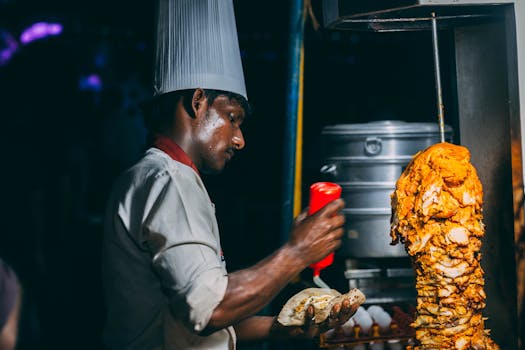
There's nothing quite like the thrill of queuing up at a hawker stall in Singapore's Chinatown Complex, the humid air thick with tantalizing aromas. My target? Liao Fan Hong Kong Soya Sauce Chicken Rice & Noodle, famously known as Hawker Chan. This isn't just a Bib Gourmand; it was, for a time, the world's cheapest Michelin-starred meal. I queued for over an hour, watched the chef expertly carve glistening soya sauce chicken, and finally received my plate. The chicken was impossibly tender, the skin lacquered and flavorful, the rice perfectly cooked. The cost? A jaw-dropping $3.50 SGD (around $2.60 USD). I ate it at a plastic table, surrounded by locals, and it was one of the most memorable Michelin meals of my life. The experience felt so raw, so authentic, and yet utterly sublime.
Actionable Advice:
* Head to Singapore and Hong Kong: These cities are pioneers in recognizing street food excellence.
* Research specific stalls: Use the Michelin Guide to find the exact hawker stalls or street food vendors that have received stars or Bib Gourmand status.
* Be prepared for queues: Popular stalls, especially those with Michelin recognition, often have long lines. Go during off-peak hours if possible, or embrace the wait – it’s part of the experience!
* Bring cash: Many hawker stalls are cash-only.
4. The À La Carte Art: Strategic Ordering for a Taste of Luxury
Sometimes, even a lunch menu at a 1-star restaurant can push past the $30 mark, especially in expensive cities or with unfavorable exchange rates. This is where strategic à la carte ordering comes in. You might not get a full multi-course meal, but you can still savor a signature dish, an exquisite appetizer, or a show-stopping dessert that embodies the restaurant's culinary philosophy.
The goal here isn't to fill yourself up, but to experience a moment of Michelin magic. It's about tasting the quality of ingredients, admiring the meticulous plating, and soaking in the atmosphere, even if it's just for one perfect course.
My Story:
In a high-end Italian restaurant in Rome (a Michelin Plate recognition, not a star, but still a testament to quality), a full pasta course was around €28. While a bit tight for the $30 mark after conversion and tip, it was a beautiful, hand-made dish, impeccably sauced. But my real hack was at a more formal 1-star in Barcelona. Their tasting menu was over €100. I politely inquired if I could just order a specific dessert I’d seen online – an architectural marvel of chocolate and fruit. The waiter, perhaps sensing my genuine enthusiasm, obliged. For €18 (around $20), I enjoyed a work of art on a plate, paired with a complimentary amuse-bouche from the chef. It was a brief, sweet encounter with true fine dining, and it felt incredibly special.
Actionable Advice:
* Check menus online in advance: This is crucial. Identify the dishes that fit your budget and pique your interest.
* Focus on appetizers or desserts: These are often the most affordable à la carte options and can still showcase the chef's creativity and skill.
* Consider a single main course: If a specific main course looks like a must-try and fits your budget, go for it!
* Be polite and discreet: When asking to order à la carte at a tasting-menu-focused restaurant, be respectful and understand they might have minimums or specific policies. A charming smile and genuine interest go a long way.
5. Off-Peak & Out-of-the-Way: Timing and Location Wisdom
Just like any savvy traveler knows to visit popular attractions during off-peak hours, the same applies to Michelin dining. Restaurants in less touristy neighborhoods or smaller towns often offer better value than their counterparts in prime city centers. Furthermore, going during non-traditional dining times can sometimes lead to more relaxed service and even unlisted specials.
My Story:
While exploring the charming, less-traveled streets of Bologna, Italy, I found a trattoria proudly displaying its Bib Gourmand sticker. It was tucked away on a quiet side street, far from the main tourist squares. I popped in for a late lunch, around 2:30 PM, just as the main rush was dying down. The owner, a jovial man, chatted with me about the local wines and brought me a complementary small plate of cured meats with my pasta dish (a rich, slow-cooked ragu that cost me just €16). The atmosphere was warm, the food was incredible, and the personal touch made it feel like a truly authentic experience, far more rewarding than any overpriced meal in a bustling piazza.
Actionable Advice:
* Explore beyond the city center: Use the Michelin Guide's map feature to look for recognized restaurants in residential areas or smaller towns adjacent to major cities.
* Consider secondary cities: Instead of just Paris, explore Lyon or Bordeaux. Instead of just Rome, look at Bologna or Florence. These cities often have fantastic food scenes with more accessible pricing.
* Go during "shoulder" times: Late lunch (after 2 PM) or early dinner (before 7 PM, if available) can sometimes offer a more relaxed experience, though not necessarily different pricing.
6. Drink Smart, Dine Smart: Skipping the Sips
This might seem obvious, but it's where many budget-conscious diners unknowingly blow their Michelin fund. Alcohol, especially wine by the bottle, can easily double or triple your bill at a high-end restaurant. The mark-ups on beverages are significant.
My Story:
I once dined at a lovely 1-star restaurant in San Sebastian, Spain, known for its innovative Basque cuisine. I'd found a fantastic lunch deal that fit my budget. But as the waiter presented the extensive wine list, I felt a pang of temptation. A single glass of local Txakoli was €10. While delicious, adding two of those would push me well over my $30 target. So, I opted for sparkling water. It arrived in an elegant glass bottle, chilled perfectly, and allowed me to fully appreciate the complex flavors of the food without the distraction (or expense) of alcohol. I savored every bite, knowing I was sticking to my budget without sacrificing the culinary experience.
Actionable Advice:
* Stick to water: Tap water is often perfectly fine (and free!) in many European countries. If you prefer sparkling, it’s usually the cheapest bottled option.
* Consider non-alcoholic options: Some restaurants offer sophisticated mocktails or fresh juices that are still cheaper than wine or spirits.
* If you must have wine, go by the glass: Inquire about the house wine or daily specials by the glass, but be mindful of the cost per pour. Sometimes, a glass can still be $10-$15+.
7. The Research Rabbit Hole: Your Michelin Map to Success
None of these strategies work without diligent research. The Michelin Guide is your best friend, but it's just the starting point.
Actionable Advice:
* Download the Michelin Guide App: It's user-friendly and allows you to filter by stars, Bib Gourmand, and even "Michelin Plate" (restaurants with quality food that aren't quite Bib Gourmand or starred).
* Use the "Price Range" filter: This is invaluable for finding options that align with your budget.
* Cross-reference with Google Maps and local blogs: Once you've identified a few potential spots, check their recent Google Maps reviews for updated menu photos and price indications. Look for local food blogs or articles that specifically discuss "affordable Michelin" or "best lunch deals" in your destination.
* Check social media: Many restaurants post daily specials or menu updates on Instagram or Facebook. This can give you a real-time glimpse of what's available and at what price.
* Book in advance, especially for lunch: Even for affordable lunch menus, popular Michelin-recognized restaurants can book up quickly. A quick email or online reservation can save you disappointment.
* Don't be afraid to ask locals (the right locals): Engage with hotel concierges, local shop owners, or even friendly baristas. Ask them where they go for a great meal that's not too expensive. Often, their recommendations will lead you to Bib Gourmand or Michelin Plate gems.
Go Forth and Feast!
Eating at Michelin restaurants for under $30 isn't a pipe dream; it's an achievable reality for the savvy traveler. It requires a bit of planning, a dash of daring, and a willingness to explore beyond the obvious. But the reward? Unforgettable culinary experiences that will elevate your travels and leave you with incredible stories (and Instagram-worthy photos!) to share.
So, next time you're planning a trip, don't just stare at those Michelin stars from afar. Grab your guide, fire up your research skills, and prepare to embark on a delicious adventure that proves world-class dining doesn't have to break the bank.
Have you tried any of these Michelin hacks? Discovered a hidden gem under $30? Share your stories in the comments below, and let's inspire each other to dine smarter, not harder!
---