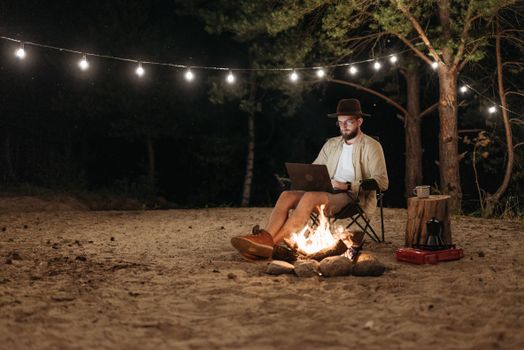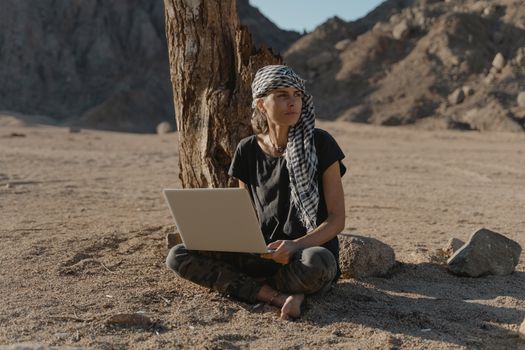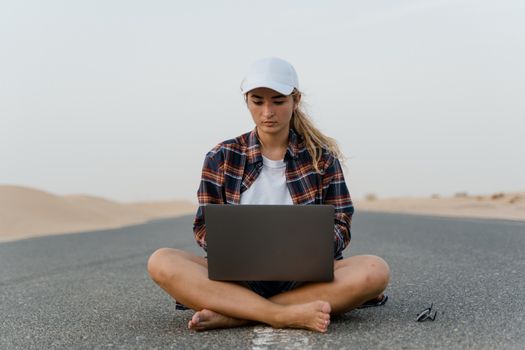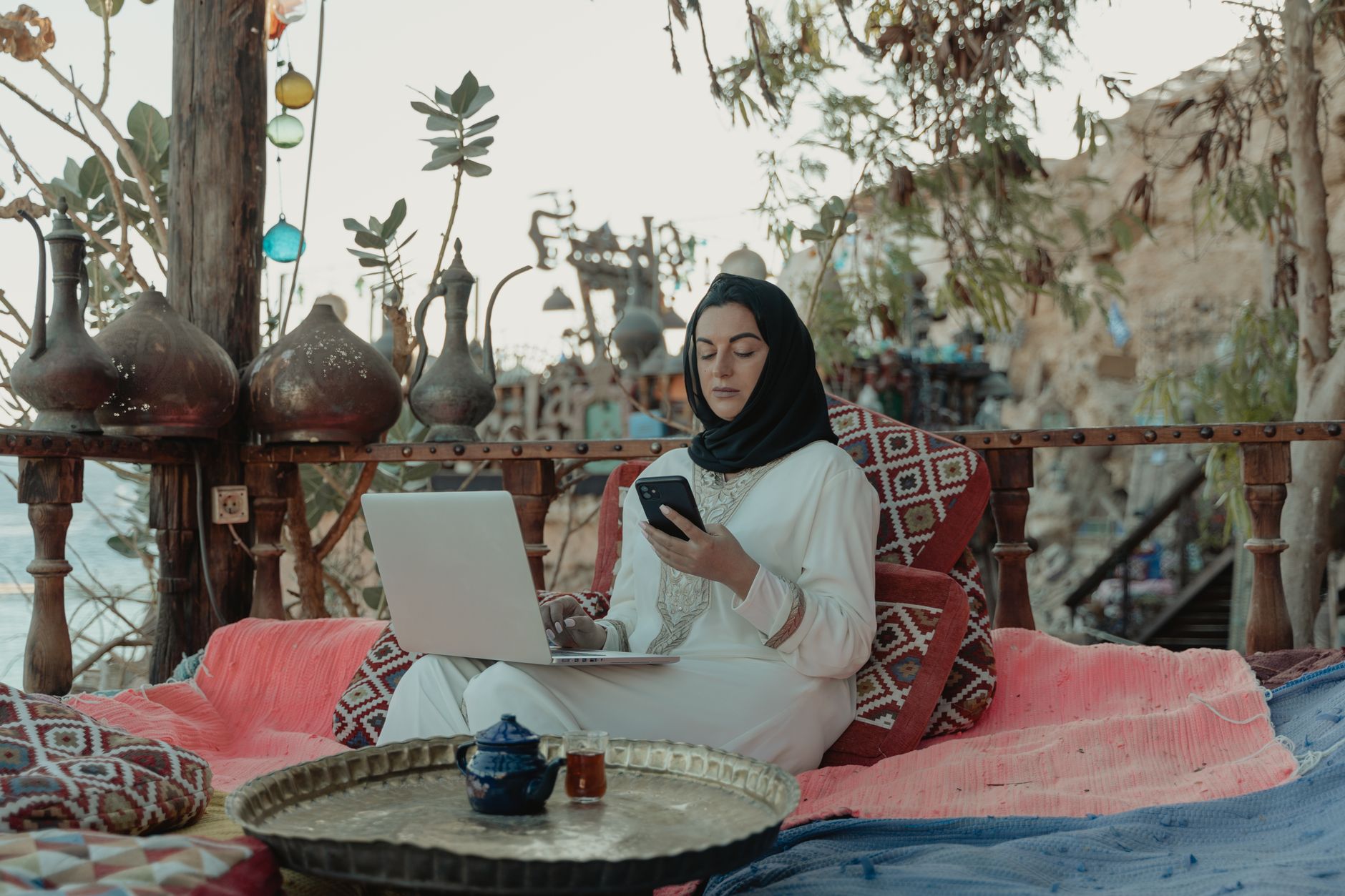
The fluorescent hum of my office was a constant companion, a soundtrack to the slow chipping away of my soul. Every Monday felt like a prison sentence, every Friday a fleeting reprieve. I was trapped in the 9-to-5 grind, dreaming of distant horizons while staring at spreadsheets. My Instagram feed was a cruel daily reminder of a life I desperately craved – one filled with sun, adventure, and the freedom to work from anywhere.
One rainy Tuesday, staring at my computer screen, a sponsored ad popped up: "Work Remotely from [Country Name]!" My cynical self almost scrolled past it, but something made me click. What I discovered next didn't just change my career; it fundamentally reshaped my entire existence. I learned about countries actively rolling out the red carpet for remote workers, offering special visas, tax incentives, and a cost of living so low it felt like they were paying me to live there.
That day was the catalyst. Within six months, I had packed my life into a single backpack, said goodbye to my cubicle, and boarded a one-way flight to a life I once thought was only for the privileged few. This isn't just a travel blog post; it's a testament to the fact that you, too, can break free. Here’s how I did it, and how these incredible countries changed my life forever.
The Myth & The Reality: What "Paying You" Really Means
Let’s get one thing straight: no country is going to directly deposit a salary into your bank account just for showing up with your laptop. The "pay you" part is more nuanced, but no less impactful. It comes in several powerful forms:
- Digital Nomad Visas: These specialized visas allow you to legally reside and work remotely in a country for an extended period (usually 6 months to 2 years, often renewable), bypassing traditional immigration hurdles. They're a game-changer for long-term travel.
- Low Cost of Living: This is where the magic truly happens. Imagine paying €500 for a beautiful apartment that would cost €2000 in your home city. Your existing remote income suddenly stretches further, allowing you to save more, experience more, and work less if you choose.
- Tax Incentives: Many countries offer attractive tax breaks or even temporary tax exemptions for digital nomads, further boosting your disposable income.
- Incentive Programs: Some nations actively market themselves to remote workers, sometimes even offering grants or support services to help you settle in.
The cumulative effect? Your financial freedom skyrockets, allowing you to invest in experiences, personal growth, and a quality of life you might only dream of back home. For me, it meant swapping stressful commutes for sunrise hikes, expensive takeout for fresh, local cuisine, and endless grey skies for vibrant, sun-drenched landscapes.
Portugal: My European Dream of Pastel de Nata & Coastal Breezes
My first big leap was to Portugal, a country that has truly embraced the digital nomad movement. I started in Lisbon, and let me tell you, stepping off that plane was like breathing for the first time in years. The city hummed with a vibrant energy, the smell of roasted coffee and fresh pastries filling the air.
Why Portugal Changed My Life:
Portugal offers a stunning blend of historic charm, modern amenities, incredible food, and a surprisingly affordable cost of living, especially outside of Lisbon’s prime tourist spots. The climate is fantastic, the people are welcoming, and the digital nomad community is thriving.
- The Visa: Portugal offers the D7 Visa (aimed at passive income earners, but often used by nomads with substantial savings) and has recently introduced a dedicated Digital Nomad Visa. For the D7, you typically need to show proof of income (around €760/month for the main applicant) and savings. The Digital Nomad Visa requires proof of income four times the national minimum wage (currently around €3040/month). The process involves applying at a Portuguese consulate in your home country. It can take a few months, so patience is key!
- Cost of Living (Lisbon & Algarve):
- Accommodation: My first apartment in Lisbon, a cozy one-bedroom in the historic Alfama district, cost me €850/month. Outside the capital, in places like Lagos in the Algarve, you can find stunning places for €600-€750/month.
- Food: A delicious "menu do dia" (lunch special) is often €8-€12. Groceries are incredibly fresh and affordable; my weekly shop for one was around €40-€50.
- Transport: Lisbon’s metro is efficient and cheap. A monthly pass is about €40.
- Total: I comfortably lived in Lisbon for about €1500-€1800/month, including a few nights out and weekend trips. In the Algarve, I dropped that to €1200-€1500.
- My Anecdote: My morning ritual in Lisbon was a stroll to a local pastelaria for a warm pastel de nata and a bica (espresso), costing just over €2. I’d then settle into a co-working space overlooking the Tagus River, feeling utterly invigorated. One weekend, I took a train to the Algarve, learned to surf in Lagos, and discovered hidden beaches. It was a dream I never knew I could live. The sense of community among fellow nomads was incredible; we’d often meet for sunset drinks at a miradouro or explore new towns together.
Georgia: The Unexpected Gem of the Caucasus & Unbeatable Value
After Portugal, I craved something truly off the beaten path, and Georgia delivered beyond my wildest expectations. This small country nestled between Europe and Asia is a treasure trove of ancient history, breathtaking mountains, and some of the warmest hospitality you’ll ever encounter.
Why Georgia Changed My Life:
Georgia was one of the first countries to launch a program specifically for remote workers, "Remotely from Georgia." It’s incredibly affordable, culturally rich, and provides a unique blend of European influence with a distinct Caucasian identity. Plus, the food and wine scene is legendary!
- The Visa: The "Remotely from Georgia" program allows citizens of 95+ countries to stay and work remotely for up to a year, provided they earn at least $2000 USD/month and have valid health insurance. The application is entirely online and relatively straightforward. Many nationalities also have visa-free entry for up to a year, making it incredibly accessible for shorter stays or as a testing ground before committing to the program.
- Cost of Living (Tbilisi):
- Accommodation: This is where Georgia truly shines. I rented a beautifully renovated one-bedroom apartment in the heart of Old Tbilisi for just $400/month! Modern apartments in newer districts can range from $500-$700.
- Food: Eating out is a joy and incredibly cheap. A massive khachapuri (cheese bread) is $3-5, a full dinner with wine can be $10-15. Groceries were even cheaper than Portugal, around $30-40/week.
- Transport: Metro and marshrutkas (minibuses) are very cheap, a single ride is less than $0.30. Taxis (via Bolt app) are also incredibly affordable.
- Total: I lived like royalty in Tbilisi for $800-$1000/month. This allowed me to save aggressively and experience so much more.
- My Anecdote: My first Supra (traditional Georgian feast) was an unforgettable whirlwind of delicious food, endless wine, and heartfelt toasts led by a tamada (toastmaster). I spent my weekdays working from charming cafes with excellent Wi-Fi, and my weekends hiking in the stunning Caucasus mountains or exploring ancient cave cities like Uplistsikhe. The warmth of the Georgian people, their generosity, and their vibrant culture made me feel like I wasn't just visiting, but truly living there. I learned a few Georgian phrases, and the locals' faces would light up, making me feel incredibly welcome.
Croatia: Adriatic Bliss & Island-Hopping Office
When I needed a dose of stunning coastline and Mediterranean charm, Croatia called. Its relatively new Digital Nomad Visa has made it an incredibly attractive destination for remote workers seeking sun, sea, and a relaxed pace of life.
Why Croatia Changed My Life:
Croatia offers unparalleled natural beauty – from its thousands of islands and pristine national parks to its ancient walled cities. The digital nomad community, particularly in Split, is growing rapidly, making it easy to connect with like-minded individuals.
- The Visa: Croatia’s Digital Nomad Visa allows non-EU/EEA citizens to stay for up to a year (renewable), provided they earn at least €2,300/month (this figure can change, always check the latest requirements). The application is online, followed by an in-person visit to a police station once you arrive.
- Cost of Living (Split & Dalmatian Coast):
- Accommodation: Split is a popular hub. During the shoulder seasons (spring/fall), you can find a lovely one-bedroom apartment for €600-€800/month. Summer prices can spike dramatically. In smaller towns or off-season, you might find places for €450-€600.
- Food: Fresh seafood is a must and surprisingly affordable from local markets. A nice meal out might be €15-€25. Groceries for one person run about €50-€60/week.
- Transport: Public transport is good in cities, but ferries are your best friend for island hopping.
- Total: I found I could live comfortably in Split for €1300-€1700/month, depending on how much island hopping I did!
- My Anecdote: My favorite "office" in Split was a cafe overlooking Diocletian’s Palace, sipping coffee as I watched the world go by. After work, I’d grab a fresh seafood dinner and walk along the Riva promenade, the Adriatic breeze a welcome contrast to my old office AC. Weekends were for exploring Plitvice Lakes National Park or hopping on a ferry to Brač or Hvar, swimming in crystal-clear waters. The sense of freedom, being able to seamlessly blend work with such incredible natural beauty, was truly life-altering. The internet speeds were surprisingly excellent, even on some islands, making it truly feasible to work from anywhere.
Costa Rica: Pura Vida & Jungle Office
Seeking a different kind of adventure, I ventured to Costa Rica, a country synonymous with "Pura Vida" – pure life. This Central American gem offers a vibrant natural landscape, from lush rainforests and active volcanoes to pristine Pacific and Caribbean beaches.
Why Costa Rica Changed My Life:
Costa Rica’s commitment to sustainability, incredible biodiversity, and laid-back lifestyle make it a dream for nature-loving digital nomads. The "Pura Vida" philosophy isn't just a slogan; it's a way of life that encourages slowing down and appreciating the present moment.
- The Visa: Costa Rica introduced a Digital Nomad Visa in 2022, allowing remote workers to stay for up to a year (renewable for a second year). You need to prove a stable monthly income of at least $3,000 USD (or $4,000 for a couple) and have health insurance. The application is online.
- Cost of Living (Tamarindo & San Jose):
- Accommodation: Rent can vary widely. In popular beach towns like Tamarindo or Santa Teresa, a nice one-bedroom might be $800-$1200/month. In the capital, San Jose, you can find more affordable options around $600-$900.
- Food: Eating local (sodas) is cheap – a casado (traditional plate) is $5-8. Western-style restaurants are pricier. Groceries are moderate, about $60-80/week.
- Transport: Buses are cheap for inter-city travel. Taxis/Uber in cities are reasonable. Renting a car for exploring can add up.
- Total: My monthly expenses in Tamarindo were around $1800-$2200, including surf lessons and weekend excursions. It's generally more expensive than Georgia or Portugal, but the value for nature and adventure is immense.
- My Anecdote: My morning routine in Tamarindo was waking up to the sound of howler monkeys, grabbing my surfboard for an early session before logging on. My "office" often had a view of the Pacific, and my breaks involved spotting sloths or iguanas. One memorable weekend, I hiked near Arenal Volcano and soaked in natural hot springs, feeling completely connected to the earth. The energy of Costa Rica, its lushness, and the genuine warmth of its people instilled a profound sense of calm and appreciation in me. It taught me to truly embrace "Pura Vida" in my work and my life.
Making the Leap: Your Action Plan for Remote Work Abroad
This lifestyle isn't just for me; it's within your reach too. Here’s my actionable advice to help you make the leap:
- Secure Your Remote Income: This is non-negotiable. Whether you're a freelancer, run an online business, or work for a company with a remote-first policy, ensure your income is stable and meets the visa requirements of your target country. Platforms like Upwork, Fiverr, Remote.co, and LinkedIn are great places to find remote jobs.
- Research Visa Requirements RELIGIOUSLY: Every country's digital nomad visa has specific income thresholds, document lists, and application processes. Start early, gather all necessary paperwork (bank statements, proof of income, health insurance, criminal record checks), and be patient. Websites like Nomadlist and official government immigration sites are your best friends.
- Build a Solid Emergency Fund: Aim for at least 3-6 months of living expenses saved. Things will go wrong – delayed visas, unexpected medical costs, slow work periods. A financial cushion provides immense peace of mind.
- Invest in Good Health Insurance: Standard travel insurance often isn't enough for long-term stays. Look into international health insurance providers like SafetyWing, Cigna Global, or World Nomads that cater specifically to digital nomads and cover you in your chosen country.
- Master Your Budget: Understand your current spending and project your expenses in your target country. Use apps like Revolut or Wise for easy international money transfers and budgeting. Live like a local, not a tourist, to stretch your budget further.
- Find Your Tribe: Loneliness can be a real challenge. Join local digital nomad Facebook groups, attend meetups (check Meetup.com), or find co-working spaces. Connecting with other remote workers and locals is crucial for building a support system and enriching your experience.
- Tech & Connectivity: Ensure you have a reliable laptop, a portable monitor (if needed), and a good noise-canceling headset. Research internet speeds in your chosen cities. Most digital nomad hubs have excellent fiber optic internet. Always have a backup plan (e.g., a local SIM card with a generous data plan).
- Pack Smart, Not Heavy: You’ll be moving! Invest in quality, versatile clothing, and essential tech. Remember, you can buy most things abroad. My rule of thumb: if I haven't used it in 6 months, it doesn't come.
The Life-Changing Power of Remote Work Abroad
This journey wasn't just about escaping the 9-to-5; it was about discovering a deeper, richer version of myself. I've learned to navigate new cultures, overcome language barriers, and adapt to unforeseen challenges with resilience I never knew I possessed. I've tasted foods I can't even pronounce, danced to rhythms that moved my soul, and formed friendships with people from every corner of the globe.
My perspective on life, work, and happiness has fundamentally shifted. I've learned that freedom isn't just about money; it's about time, choice, and the ability to design a life that truly excites you. Working remotely in these incredible countries has shown me that my "office" can be anywhere – a bustling cafe in Tbilisi, a sunny balcony in Lisbon, a beach shack in Tamarindo, or a historic square in Split.
This isn't a fantasy; it's a rapidly growing reality for thousands of people just like you. The world is opening its doors, inviting you to bring your skills and your laptop, and offering a life of adventure in return. Don't let fear or inertia hold you back.
Are you ready to redefine your "office" and change your life forever?
Which country sparks your wanderlust? Share your thoughts in the comments below, and don't forget to tag @Tripsora and use #RemoteRevolution when you share your own remote work dreams!
---