The crisp, clean air of Iceland filled my lungs, carrying the scent of volcanic earth and distant ocean spray. I stood by the Skógafoss waterfall, mesmerized by the sheer power of nature, a double rainbow arching gracefully above the cascading water. It was a moment of pure, unadulterated awe. Then, as I turned back to our rental car – a perfectly functional, but undeniably gas-guzzling SUV – a familiar pang of guilt struck me. Here I was, reveling in the planet's untouched beauty, yet contributing to the very emissions that threaten it.
That trip was an epiphany. I realized that while I craved adventure and exploration, I also wanted to be a part of the solution, not the problem. Could travel truly be guilt-free? Could I explore the world without leaving a heavy carbon footprint? The answer, I discovered, is a resounding YES! And honestly, the options available today are not just sustainable, they are genuinely mind-blowing and often lead to richer, more authentic experiences.
Forget boring, conventional travel. We’re talking about journeys that connect you deeply with your surroundings, offer incredible stories, and leave you feeling good, inside and out. Get ready, because these carbon-neutral transportation options are about to revolutionize the way you see the world.
The Electric Revolution: Silent Power, Epic Journeys
Let's kick things off with the quiet hum of electric innovation. Electric vehicles (EVs) are no longer a niche luxury; they're a viable, exciting way to explore, and they're becoming more accessible every day.
My Norwegian EV Odyssey:
Last summer, I embarked on an unforgettable road trip through Norway's majestic fjords. Instead of a standard petrol car, I rented a sleek Tesla Model 3. The initial apprehension about charging evaporated almost immediately. Norway, being a pioneer in EV adoption, boasts an incredible charging infrastructure. My days were filled with breathtaking drives through winding mountain passes and along deep blue fjords. We’d stop at charming towns, plug in for a quick charge (often while grabbing a coffee or hiking to a viewpoint), and be back on the road, emitting nothing but clean air. The silence of the electric motor amplified the natural serenity of the landscape – no engine roar to disrupt the birdsong or the rush of waterfalls.
Practical Tips for EV Road Trips:
* Rental: Many major car rental companies (like Hertz with their "Green Collection") now offer EVs. Look for Tesla, Polestar, Hyundai Ioniq 5, Kia EV6, or VW ID.4 models. Prices can be comparable to premium ICE cars, especially when factoring in fuel savings.
* Charging Apps: Download apps like PlugShare or A Better Routeplanner. They are lifesavers for locating charging stations and planning routes.
* Destinations: Countries like Norway, the Netherlands, Germany, and parts of California in the US have excellent EV charging networks.
* Costs: While rental might be slightly higher, "fueling up" with electricity is often cheaper than petrol, especially if you can find free chargers at hotels or attractions. Expect to pay around €5-€20 for a full charge, depending on location and charger speed.
E-Bikes & E-Scooters: Urban Exploration Unleashed:
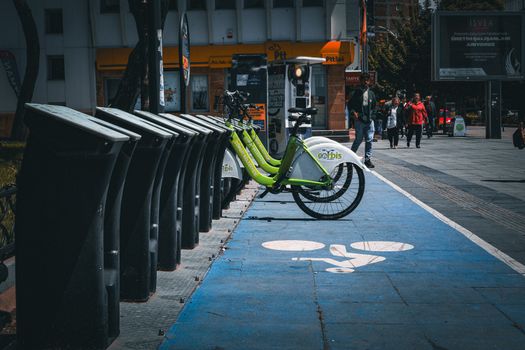
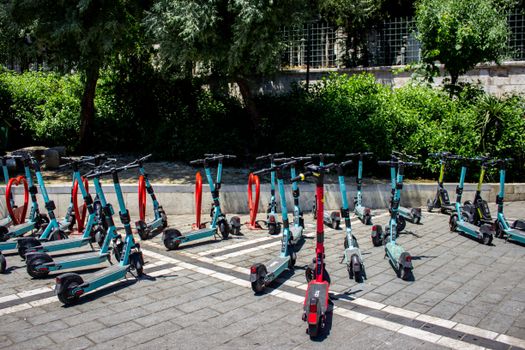
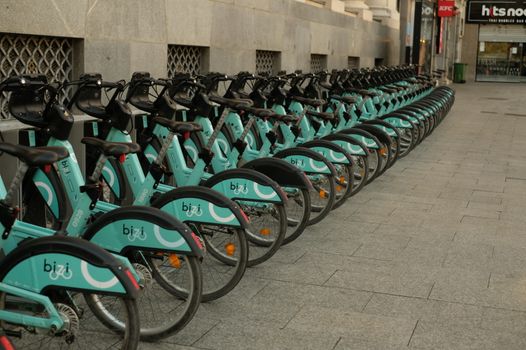
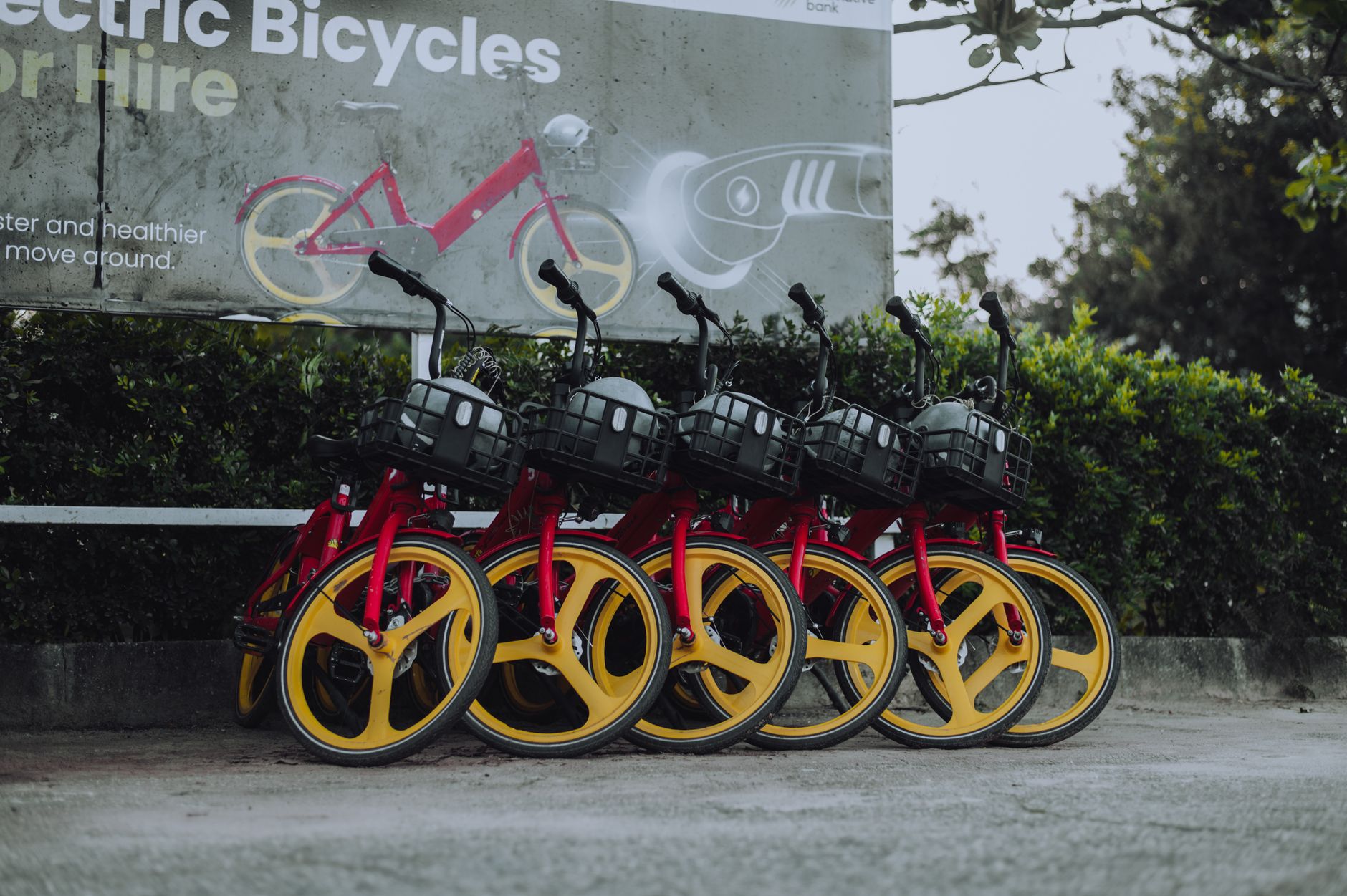
Beyond cars, electric two-wheelers are transforming urban exploration. I remember zipping through the cobbled streets of Rome on an e-bike last spring. Hills that would have left me breathless on a regular bike became exhilarating climbs, allowing me to cover more ground, see more hidden gems, and truly feel the city's pulse without the sweat or the carbon footprint. Similarly, e-scooters are fantastic for quick, short-distance hops in cities like Paris or Berlin.
Actionable Advice:
* Rental Apps: Companies like Lime, Bird, and local rental shops offer easy access to e-bikes and e-scooters in major cities worldwide.
* Guided Tours: Many cities now offer e-bike guided tours, a fantastic way to see the sights with an expert and minimal effort.
* Safety First: Always wear a helmet and understand local traffic laws.
High-Speed Electric Trains: The Ultimate Green Commute:
For longer distances, nothing beats the comfort, speed, and sustainability of high-speed electric trains. My journey on Japan's Shinkansen from Tokyo to Kyoto was an absolute dream. The scenery blurred past in a silent, smooth glide, and I arrived feeling refreshed, not stressed. Similarly, crossing borders on the Eurostar from London to Paris, or traversing the stunning Swiss Alps on the Glacier Express, offers breathtaking views and a vastly reduced carbon footprint compared to flying.
Why Trains are Terrific:
* Efficiency: Electric trains are incredibly energy-efficient, especially when running on renewable energy grids.
* Comfort & Space: More legroom, no seatbelt signs, freedom to move around, and often Wi-Fi.
* City Center to City Center: No airport transfers, no long security lines. You arrive right in the heart of your destination.
* Scenic Routes: Train travel offers unparalleled views that you simply miss when flying.
* Cost: While individual tickets can vary, multi-country passes like Eurail or Interrail can be incredibly cost-effective for extensive European adventures. A Tokyo-Kyoto Shinkansen ticket is around ¥13,000-¥15,000 (approx. $90-$100 USD). London-Paris Eurostar can be found for €60-€150 if booked in advance.
Harnessing the Elements: Wind & Water Wonders
Imagine gliding silently across azure waters, powered only by the wind, or cruising through a fjord with not a single exhaust plume in sight. Water-based carbon-neutral travel offers some of the most serene and unforgettable experiences.
Sailing Adventures: My Croatian Island Hopping:
Last summer, a group of friends and I chartered a bareboat yacht in Croatia for a week of island hopping. We picked up our 40-foot sailboat in Split and spent seven glorious days navigating the sparkling Adriatic, dropping anchor in secluded bays off Hvar, Vis, and Korčula. Learning to hoist the sails, feeling the wind fill them, and hearing nothing but the gentle lapping of waves against the hull was an unparalleled sense of freedom. We cooked fresh meals on board, swam in crystal-clear waters, and watched sunsets that painted the sky in impossible colors, all without burning a single drop of fossil fuel (except for a brief motor out of port and into anchorages, which can be minimized).
Planning Your Sailing Escape:
* Destinations: The Greek Isles, Croatia, the Caribbean, and the Whitsundays in Australia are prime sailing destinations.
* Crewed vs. Bareboat: If you have sailing experience and certifications, bareboat chartering (renting without a crew) offers ultimate freedom (starting around $3,000-$5,000+ per week, excluding provisions). If you're new to sailing, a crewed charter (with a captain and often a chef) provides a luxurious, worry-free experience (starting from $5,000-$10,000+ per week).
* Learn the Ropes: Consider a sailing course before you go. It adds immense satisfaction to the journey.
* Sustainability Bonus: Many charter companies are now investing in electric outboard motors for dinghies and exploring hybrid yacht options.
Electric Ferries & Boats: Silent Cruises, Stunning Views:
Beyond private charters, public electric ferries are becoming a fantastic option for local transport and scenic tours. Imagine my delight when I discovered that many of the iconic fjord cruises in Norway (like the ones through Geirangerfjord or Nærøyfjord) are now operated by silent, all-electric ferries. The experience is elevated by the lack of engine noise, allowing you to fully immerse yourself in the dramatic landscape. Similarly, cities like San Francisco are exploring electric ferry fleets, and you can find electric boats for rent on lakes like Lake Geneva or Lake Bled for a peaceful, eco-friendly glide.
Tips for Electric Water Travel:
* Research Ahead: Check local tourism boards or ferry operator websites for "electric ferry" or "zero-emission boat tours."
* Popular Spots: Norway, Switzerland, and some coastal cities are leading the way.
* Cost: Often comparable to traditional ferry prices, ranging from a few dollars for local transport to €50-€100+ for longer scenic cruises.
The Ultimate Eco-Warrior: Human-Powered Exploration
When it comes to truly carbon-neutral travel, nothing beats the original methods: walking, cycling, kayaking, or paddleboarding. These options don't just eliminate emissions; they slow down your travel, deepen your connection to the environment, and offer incredible physical and mental rewards.
Walking & Hiking: The Path to Immersion:
One of my most profound travel experiences was walking a segment of the Camino de Santiago in Spain. Each step brought me closer to the landscape, the culture, and myself. I met incredible people, savored simple meals, and watched the world unfold at a pace that allowed for true appreciation. Whether it's a multi-day trek through Patagonia, a scenic hike in the Dolomites, or simply exploring a new city on foot, walking offers unparalleled immersion.
Gear Up for Your Trek:
* Comfortable Shoes: Non-negotiable! Invest in good hiking boots or walking shoes.
* Lightweight Pack: Pack only essentials. Every pound counts.
* Hydration: Always carry a reusable water bottle.
* Maps & Navigation: Use offline maps or a GPS device.
* Destinations: Iconic trails like the Appalachian Trail (USA), Te Araroa (New Zealand), or the West Highland Way (Scotland) offer multi-day adventures. Many national parks have incredible day hikes.
* Cost: Minimal! Primarily food, accommodation (camping or hostels), and gear.
Kayaking & Paddleboarding: Silent Glides, Wild Encounters:
Imagine paddling through the calm, emerald waters of Lake Bled in Slovenia, the only sound the dip of your paddle. Or navigating the serene inlets of Ha Long Bay in Vietnam, getting up close with limestone karsts and hidden caves. Kayaking and stand-up paddleboarding (SUP) allow you to access places motorized boats can't, offering intimate wildlife encounters and a unique perspective on coastlines and waterways.
Paddle Power Pointers:
* Rentals: Widely available in coastal towns, lakes, and rivers worldwide (typically $20-$50 for a few hours).
* Guided Tours: Great for beginners or exploring unfamiliar areas, often including gear and safety briefings.
* Pack Light: Waterproof bags for essentials (phone, camera, snacks).
* Safety: Always wear a life vest and check weather conditions.
Future Forward: Glimpses of Tomorrow's Green Transport
While the options above are available today, the future of carbon-neutral travel is even more exciting. Engineers and innovators are constantly pushing boundaries, promising a world where travel is even greener and more efficient.
Hydrogen Trains & Buses:
Hydrogen fuel cell technology is gaining momentum. Trains like Alstom's Coradia iLint are already operating in Germany, emitting only water vapor. California is also investing heavily in hydrogen fuel cell buses. This technology offers the range and power of traditional vehicles but with zero tailpipe emissions, making it a promising solution for heavy transport and longer distances where battery electric might be challenging. While not yet widely available for tourist travel, expect to see more of these in the coming decade.
Hyperloop & Maglev: Ultra-Fast, Ultra-Green:
Imagine traveling between major cities at speeds exceeding 600 mph in a vacuum-sealed tube, powered by electromagnetism. That's the promise of Hyperloop and advanced Maglev systems. The Shanghai Maglev is an existing example of this technology, offering a glimpse into ultra-fast, low-carbon intercity travel that could revolutionize how we cross continents. While still largely in development for widespread use, these concepts represent the pinnacle of efficient, emission-free transport.
Solar-Powered Innovations:
From solar-powered boats cruising canals to experimental solar aircraft like Solar Impulse, the sun's energy is being harnessed for travel. While large-scale solar aircraft for commercial passenger flights are still a distant dream, smaller-scale solar-powered vehicles and boats are slowly making their way into niche tourism markets, offering truly self-sufficient, zero-emission experiences.
Your Green Travel Playbook: Practical Tips for Planning
Feeling inspired? Here’s how you can start planning your own carbon-neutral adventures.
- Research is Your Best Friend:
- Destinations: Some countries and regions are far ahead in sustainable infrastructure (e.g., Scandinavia for EVs and electric ferries, Japan/Europe for trains).
- Apps & Websites: Use PlugShare for EV charging, Seat61.com for international train travel, and local tourism websites for e-bike or kayak rentals.
- Tour Operators: Look for companies specializing in eco-tours or adventure travel that prioritize sustainable transport.
- Budgeting for Green:
- Don't assume carbon-neutral is more expensive. Train passes can be cheaper than flights, EV charging less than petrol, and human-powered travel is often the most budget-friendly.
- Factor in the experiential value. These trips often offer richer, more memorable moments.
- Combine Modes for Seamless Journeys:
- Fly into a central hub (if necessary, and look for airlines using Sustainable Aviation Fuel if available), then switch to trains, electric cars, or even e-bikes for the rest of your journey.
- Imagine flying to Rome, taking an electric train to Florence, renting an e-bike for exploring Tuscany, and then walking a segment of an ancient pilgrimage route. The possibilities are endless!
- Pack Smart, Travel Light:
- Less weight means less energy consumed, regardless of the transport method.
- Bring reusable water bottles, coffee cups, and shopping bags to minimize waste.
- Offset What You Can't Zero Out:
- If a flight is unavoidable to reach your starting point, consider offsetting your emissions through reputable programs that invest in renewable energy or reforestation projects. It's not a perfect solution, but it's a step.
Your Next Adventure Awaits!
The world is calling, and it's asking us to travel differently. Carbon-neutral transportation isn't just a trend; it's a movement towards more mindful, enriching, and responsible exploration. These options aren't just about reducing your impact; they're about enhancing your experience – offering unique perspectives, incredible connections, and stories you'll tell for a lifetime.
From the silent hum of an electric car gliding through a fjord to the exhilarating rush of wind in your sails, or the meditative rhythm of your own two feet on an ancient path, these journeys are truly mind-blowing. They prove that you don't have to sacrifice adventure for sustainability. In fact, you gain so much more.
So, what are you waiting for? It's time to ditch the guilt, embrace the adventure, and discover how incredible carbon-neutral travel can be. Share your eco-travel dreams with us in the comments below, or better yet, plan your next trip and share your experiences using #TripsoraGreenTravel! Let's inspire each other to explore the world, beautifully and responsibly.