The Aroma Beckons: My First Taste of True Coffee Immersion
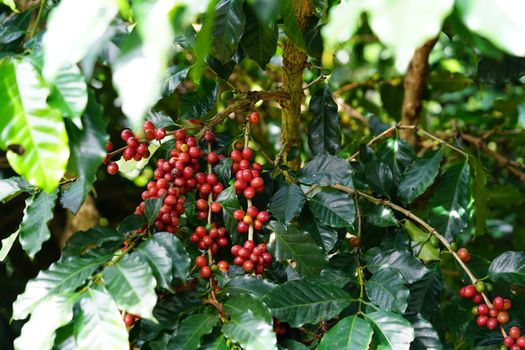
I stepped off the rattling local bus, the warm, humid air immediately embracing me like a familiar friend. But it wasn't just the air; it was the smell. A deep, rich, earthy aroma, tinged with a subtle sweetness and a hint of something floral, hung heavy in the atmosphere. It was the scent of possibility, the unmistakable perfume of freshly roasted coffee beans, and it was intoxicating. This wasn't just any coffee-growing region; this was my entry into the hallowed grounds of a coffee plantation tour, a pilgrimage for any true enthusiast. I’d heard whispers from fellow travelers and seen the tantalizing glimpses on social media, but nothing prepared me for the visceral experience of being enveloped by the very essence of my favorite beverage.
Beyond the Brew: Why True Enthusiasts Seek Plantation Tours
For many, coffee is a morning ritual, a midday pick-me-up, or a social lubricant. But for a true enthusiast, it's a journey. It’s about understanding the intricate dance between soil, climate, varietal, and human hands that culminates in that perfect cup. Generic coffee shops, while enjoyable, can’t replicate the profound connection forged by walking amongst the very plants that produce the beans, understanding the meticulous process from cherry to roast, and meeting the passionate individuals who dedicate their lives to this craft. This is where coffee plantation tours for true enthusiasts travel advisors suggest truly shine, offering an unparalleled depth of knowledge and experience that transcends mere consumption.
The Golden Triangle of Coffee Tourism: Regions That Captivate
While coffee is grown in over 50 countries, a select few regions stand out for their exceptional quality, unique terroir, and commitment to sustainable, enthusiast-friendly tourism. Travel advisors consistently point to these as must-visit destinations for anyone serious about their bean.
1. Colombia: The Heartbeat of Specialty Coffee
Colombia isn't just a coffee producer; it's a coffee experience. The diverse microclimates across its mountainous regions, from the lush valleys of the Zona Cafetera to the higher altitudes of Huila, create an astonishing spectrum of flavors.
- Why it’s special: The country's dedication to quality is palpable. Many farms are family-owned, preserving generations of knowledge. The "Eje Cafetero" (Coffee Axis) is a UNESCO World Heritage site, offering not just coffee but breathtaking landscapes and charming haciendas.
- Insider Tip: Look for tours that focus on specific micro-regions. A tour in Antioquia might highlight washed Caturra, while a tour in Nariño could delve into the delicate Geisha varietals.
- Authenticity: You'll find "fincas" (farms) that still practice traditional methods, alongside those at the forefront of scientific research in coffee cultivation. The warmth of the Colombian people, known as "paisas," makes every interaction memorable.
2. Ethiopia: The Birthplace of Coffee
To visit Ethiopia is to walk in the footsteps of coffee history. This is where the legend of Kaldi and his dancing goats began, and the reverence for coffee is deeply ingrained in the culture.
- Why it’s special: Ethiopia boasts an unparalleled genetic diversity of coffee varietals, many of which are wild and uncatalogued. The "coffee ceremony" is a profound cultural ritual, a must-experience for any visitor.
- Insider Tip: Seek out tours that include visits to both large, established estates and smaller, community-run washing stations in regions like Sidamo or Yirgacheffe, known for their floral and citrus notes.
- Authenticity: The traditional Ethiopian coffee ceremony, involving roasting green beans, grinding them by hand, brewing in a "jebena," and serving in small clay cups, is an art form. It's a slow, deliberate process that embodies the spirit of coffee appreciation.
3. Costa Rica: Innovation and Sustainability on Display
Costa Rica has positioned itself as a leader in sustainable coffee farming and innovative processing methods. The country's commitment to environmental stewardship is reflected in its coffee production.
- Why it’s special: From the volcanic soils of Tarrazú to the central valley, Costa Rica offers a range of flavor profiles. The emphasis on "shade-grown" coffee and eco-tourism is a major draw.
- Insider Tip: Many Costa Rican farms offer immersive experiences, including hands-on participation in harvesting and processing. Look for tours that highlight experimental processing techniques like anaerobic fermentation.
- Authenticity: You’ll find well-organized, often family-run operations that are passionate about sharing their knowledge and their commitment to the land. The "Pura Vida" lifestyle is infectious and extends to their coffee culture.
4. Brazil: The Giant with a Delicate Side
As the world's largest coffee producer, Brazil offers a vast landscape of coffee cultivation, from massive commercial operations to smaller, specialty farms.
- Why it’s special: Brazil’s diverse regions, such as Cerrado Mineiro and Sul de Minas, produce coffees with distinct characteristics, often known for their chocolatey, nutty, and caramel notes.
- Insider Tip: While large estates dominate, seek out tours in the specialty coffee regions that focus on quality and unique processing methods. Tours that include cupping sessions with professional tasters are invaluable.
- Authenticity: Many Brazilian farms are highly professionalized, offering a glimpse into efficient, large-scale production, but there's a growing movement towards high-quality, traceable coffees that enthusiasts will appreciate.
Crafting Your Perfect Coffee Pilgrimage: Pro-Tips from the Experts
As a seasoned traveler and someone who lives and breathes coffee, I've learned a few tricks that can elevate your plantation tour from good to extraordinary. These are the nuggets of wisdom that travel advisors share with their discerning clients.
Timing is Everything: The Season of the Bean
- Harvest Season: If your goal is to see the action, aim for harvest season. This varies by region:
- Colombia: Generally September to December, with a smaller harvest in April-June.
- Ethiopia: Typically October to January.
- Costa Rica: December to March.
- Brazil: April to September.
- Off-Season: Visiting during the off-season allows for a more in-depth look at pruning, soil management, and processing techniques without the hustle of the harvest. You'll also find fewer crowds.
Choosing Your Tour: Beyond the Standard Package
- Specialty vs. Commercial: Don't be afraid to seek out tours that cater to specialty coffee enthusiasts. These often involve smaller groups, more detailed explanations of varietals, processing methods, and direct interaction with the farm owners or agronomists.
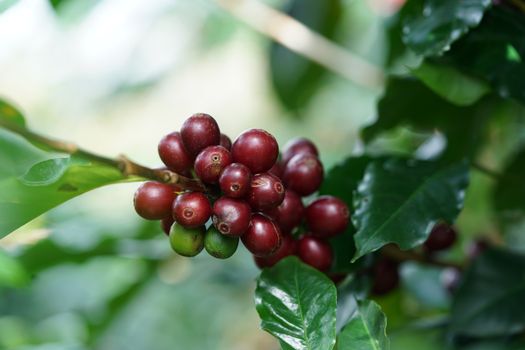
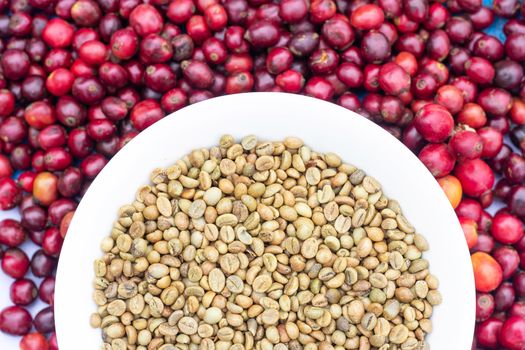
- Bean-to-Cup Immersion: Look for tours that promise a true "bean-to-cup" experience. This means not just seeing the plants but participating in or observing the entire process: picking ripe cherries, pulping, washing, drying, hulling, sorting, roasting, and finally, tasting.
- Farm Stays: For the ultimate immersion, consider a farm stay. Waking up on a coffee plantation, with the aroma of roasting beans wafting through the air, is an experience you won't soon forget.
The Art of the Cupping Session
- What to Expect: A cupping session is a professional coffee tasting. You'll learn to identify aromas, analyze flavors, assess body, acidity, and aftertaste.
- Pro-Tip: Don't be shy! Ask questions. The more you engage, the more you'll learn. Try to identify specific notes – is it blueberry? Dark chocolate? Jasmine? This is where your enthusiast palate is put to the test.
- Insider Insight: Many farms offer cupping sessions with their head roaster or even the farm owner, providing invaluable insights into their philosophy and the unique characteristics of their coffee.
Logistics and Etiquette
- Book in Advance: Especially during peak harvest season, tours can fill up quickly.
- Dress Appropriately: You'll be walking on uneven terrain, often in humid conditions. Comfortable, closed-toe shoes are a must. Lightweight, breathable clothing is recommended.
- Respect the Land and the People: You are a guest. Be mindful of the environment, avoid littering, and always show respect to the farm workers.
- Learn a Few Local Phrases: A simple "hello" or "thank you" in the local language goes a long way.
Quick Facts: Planning Your Coffee Plantation Adventure
| Aspect | Estimated Cost ($USD) | Best Time to Visit | How to Get There |
| :------------------ | :-------------------- | :----------------------------------------------------- | :------------------------------------------------------------------------------------------------------------- |
| Colombia | $100 - $500+ per day | September-December (Harvest), April-June (Secondary) | Fly into Medellín (MDE) or Pereira (PEI). Local buses or private transfers to coffee towns like Salento or Filandia. |
| Ethiopia | $150 - $600+ per day | October-January (Harvest) | Fly into Addis Ababa (ADD). Domestic flights or long-distance buses to coffee regions like Sidamo or Yirgacheffe. |
| Costa Rica | $120 - $550+ per day | December-March (Harvest) | Fly into San José (SJO). Rental car or shuttle services to regions like Tarrazú or the Central Valley. |
| Brazil | $80 - $400+ per day | April-September (Harvest) | Fly into São Paulo (GRU) or Belo Horizonte (CNF). Domestic flights or rental car to coffee regions. |
Note: Costs are estimates and can vary significantly based on the exclusivity of the tour, accommodation, and duration.
The Lingering Taste: Why This Journey Matters
As I packed my bags, the scent of freshly roasted coffee still clung to my clothes. It wasn't just a souvenir; it was a reminder of the journey, of the dedication, and of the incredible people behind every single bean. A coffee plantation tour is more than just a travel experience; it’s an education, a sensory awakening, and a profound connection to one of the world's most beloved beverages. It’s the ultimate pilgrimage for the true coffee enthusiast, and a journey that travel advisors wholeheartedly recommend for its unparalleled depth and reward. So, when you’re ready to move beyond the latte art and truly understand your coffee, book that ticket. The aroma awaits.
---