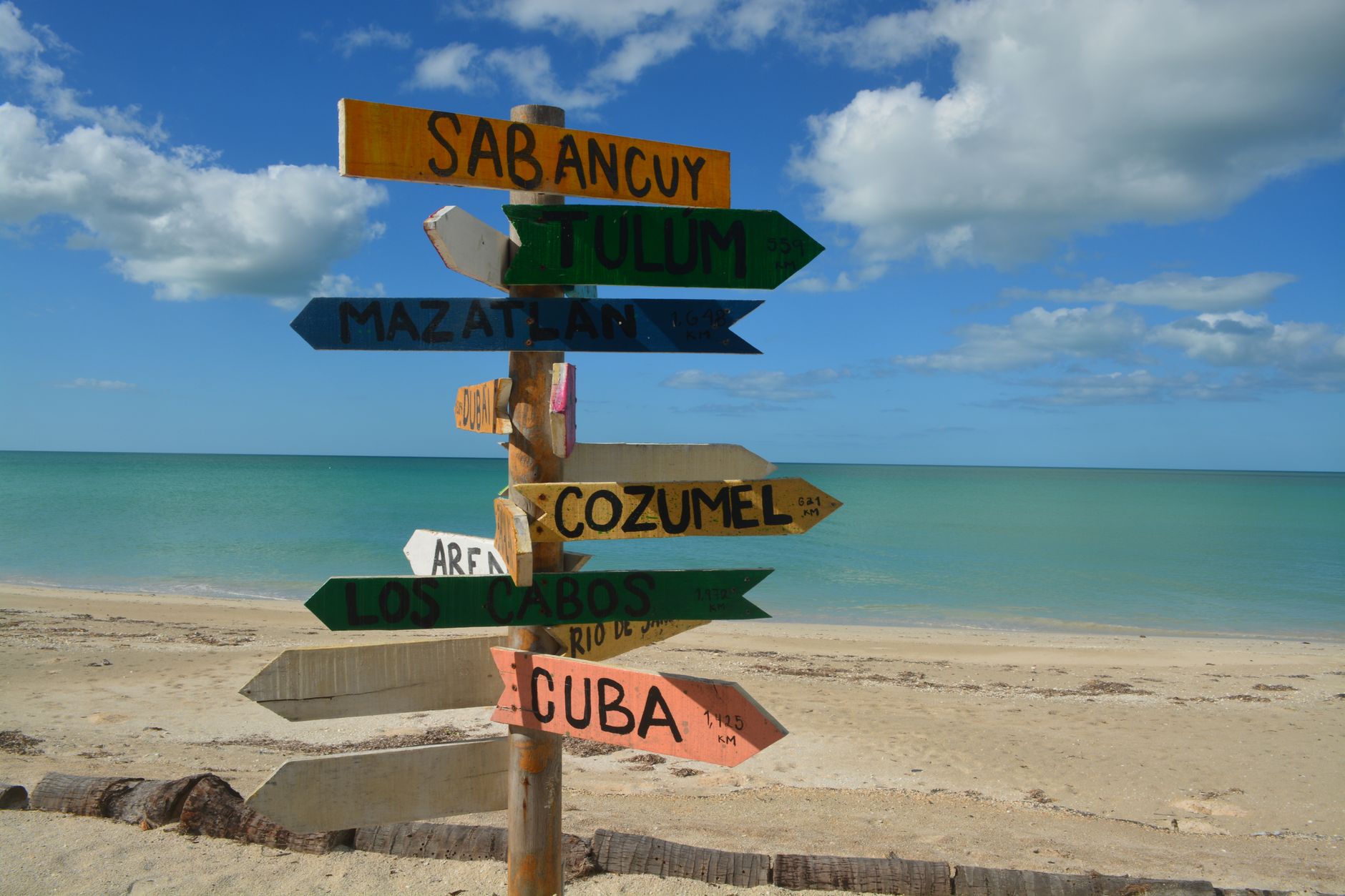
The Hook: A Wake-Up Call From the Edge of the Earth
I stepped off the wooden outrigger boat, and my bare feet sank into sand so inexplicably fine it squeaked like cornstarch under my heels. The air didn’t smell like diesel fuel or burning plastic—the ambient aroma of modern Bali. Instead, it carried the crisp, sweet scent of wild lemongrass, roasting coconut husks from a distant kitchen, and the sharp, clean brine of the Banda Sea.
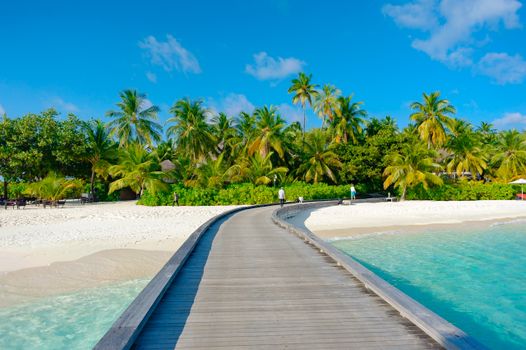
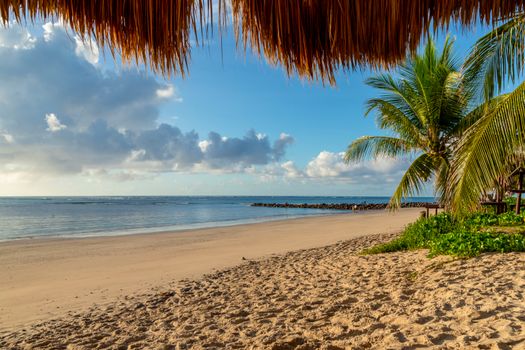
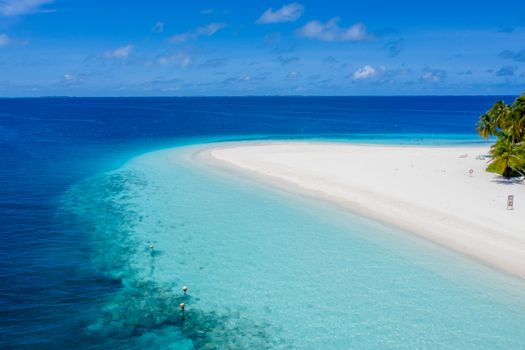
Before me stretched a three-mile crescent of blindingly white sand, framed by leaning coconut palms that dipped their fronds into water so impossibly clear it looked like liquid glass.
There were no beach clubs blasting deep house music. No influencers staging sunset photoshoots with ring lights. No hawkers selling cheap sarongs. There was only the rhythmic, hypnotic sigh of the tide and a solitary local fisherman mending his nets in the shade of a takamaka tree.
I was on Pasir Panjang in the Kei Islands of Indonesia. And at that moment, I realized something vital: the Bali we all fell in love with through the writings of mid-century travelers isn’t gone. It has simply migrated to the margins of the map.
If you are ready to trade the gridlock of Seminyak for raw, unadulterated coastal magic, pack your bags. These five destinations are better than Bali, completely devoid of crowds, and waiting for you right now.
---
1. The Kei Islands, Maluku, Indonesia: The Ultimate Powder-Sand Escape
If your idea of paradise involves beaches that look like they’ve been run through a high-definition filter, the Kei Islands (specifically Kei Kecil) are your holy grail. Located in the remote southeastern corner of the Maluku province, this archipelago boasts what marine biologists and seasoned travelers widely consider the softest sand on the planet.
The Vibe & Landscape
Kei Kecil feels like a dream sequence. The interior of the island is a labyrinth of jagged karst limestone hills, hidden caves, and freshwater swimming holes, while the coastline is a continuous ribbon of powdery white sand. The local culture is warm, fiercely proud, and untouched by commercialism. You won’t find high-rise resorts here; instead, low-slung wooden homestays sit right on the high-water mark.
Epicurean Delights
Forget avocado toast. Here, you will dine on enbal—a traditional cassava flatbread that is baked until crispy, then dipped into a steaming bowl of fresh yellow fish broth seasoned with turmeric, lemongrass, and wild ginger. Pair it with sambal colo-colo, a fiery, citrusy condiment made of bird's eye chilies, raw shallots, green tomatoes, and a squeeze of calamansi lime.
- Pro-Tip: Hire a local longboat from the small harbor of Debut at 7:00 AM. Ask the boatman to take you to Baer Island. It’s a hidden labyrinth of towering limestone cliffs enclosing emerald-green lagoons. It looks exactly like Raja Ampat, but you will likely have the entire marine park to yourself.
---
2. Koh Kood, Thailand: The Siam of Yesteryear
While Phuket and Koh Samui have succumbed to concrete sprawl, Koh Kood remains Thailand’s best-kept secret. Located in the eastern Gulf of Thailand near the Cambodian border, this is an island where time has demonstrably slowed down.
The Vibe & Landscape
Koh Kood is remarkably lush, covered in dense, old-growth rainforest that tumbles directly down to shallow, calm, turquoise bays. There are no traffic lights, no chain stores, and no high-rise developments. The island’s infrastructure consists of a single, winding concrete road that snakes through coconut plantations and sleepy fishing villages built on stilts over the water.
The Architecture
The accommodation here favors low-impact, sustainable luxury. Picture open-air villas crafted from reclaimed teak wood, featuring outdoor rain showers surrounded by wild ferns, and private decks that cantilever over calm, crystal-clear estuaries.
- Pro-Tip: Head to Ao Noi Beach at midday. The hidden entrance is a narrow dirt track located just past a small coconut sorting shed on the main road. Follow the track down to find a tiny, palm-fringed cove with a wooden pier that juts out into water so clear you can count the sea urchins on the sandy bottom fifteen feet below.
---
3. Siquijor Island, Philippines: The Mystical Firefly Sanctuary
For decades, domestic travelers in the Philippines avoided Siquijor. Whispers of mambabarang (black magic), faith healers, and spirits kept the crowds at bay. Their loss is your gain. Today, Siquijor is an island of pure, mystical tranquility, offering a laid-back bohemian vibe that feels exactly like Ubud did in the 1990s—but with world-class beaches.
The Vibe & Landscape
Siquijor is defined by its dramatic coastline, Spanish-era coral stone churches, and interior highlands dotted with multi-tiered, milky-blue waterfalls. The beaches range from dramatic limestone cliffs perfect for deep-water soloing to quiet, white-sand sanctuaries teeming with marine life.
Local Flavor
Feast on fresh yellowfin tuna kinilaw—the Filipino answer to ceviche. The fish is cured in local coconut vinegar (tuba), ginger, red onions, and biasong (a highly aromatic local citrus fruit), then finished with a splash of rich coconut cream to balance the acidity.
- Pro-Tip: Skip the crowded sunset spots at Paliton Beach. Instead, ride your scooter to Tubod Marine Sanctuary at 3:00 PM. Pay the nominal conservation fee (about $1 USD), grab your snorkel, and swim just fifty yards off the beach. You’ll find yourself drifting over a pristine coral garden inhabited by giant clams, sea turtles, and schools of neon blue damselfish.
---
4. Sekotong Peninsula, Lombok, Indonesia: Bali’s Secret Neighbor
If you stand on the cliffs of Uluwatu and look east across the Lombok Strait, you can see the outline of Lombok. But while Bali’s tourism machine operates at absolute capacity, the Sekotong Peninsula on Lombok’s southwestern tip remains gloriously overlooked.
The Vibe & Landscape
Sekotong is a wild, rugged finger of land characterized by dry, golden hillsides that plunge into deep blue bays. It is the gateway to the "Secret Gilis"—a chain of tiny, uninhabited sand spits and coral islands (Gili Nanggu, Gili Sudak, Gili Kedis) that put the overcrowded Gili Trawangan to shame.
The Experience
This is a destination for true explorers. The coastal road is practically empty, save for the occasional herd of water buffalo being guided along the asphalt by local farmers. The offshore reefs are in pristine condition, offering world-class diving and snorkeling without another boat in sight.
- Pro-Tip: Charter a traditional outrigger boat from Tawun Harbour at dawn. Ask the captain to bypass the popular spots and head straight to Gili Nanggu. Arrive by 7:30 AM, and you can swim with thousands of curious, colorful reef fish in absolute solitude before the afternoon wind picks up.
---
5. Talalla Beach, Sri Lanka: The Untouched Surf & Yoga Sanctuary
While the towns of Weligama and Mirissa on Sri Lanka's south coast have become magnets for party-seeking digital nomads, Talalla Beach remains a pristine, quiet sanctuary of golden sand, dramatic surf, and deep restoration.
The Vibe & Landscape
Talalla is a perfect, crescent-shaped bay protected by two rocky headlands. Towering coconut palms lean over the water at dramatic angles, and wild peacocks roam the beach at sunrise. The surf here is gentle and consistent, making it an ideal spot for longboarders who want to catch waves without dodging fifty other surfers in the lineup.
Authentic Living
Start your day with a fresh king coconut (thambili), followed by a traditional Sri Lankan breakfast of egg hoppers—crispy, bowl-shaped rice flour crepes served with a dollop of spicy caramelized onion sambol (seeni sambol) and rich coconut dhal.
- Pro-Tip: Walk to the far western end of the bay at 6:00 AM. You will witness the local fishermen performing ma dela—a ancient, collaborative style of beach seine fishing. Join in and help them haul the massive nets onto the sand; they will warmly welcome the extra hands and share stories of the bay's history over a cup of sweet ginger tea.
---
The Budget & Logistics: Fast Facts Comparison
Planning a trip to these off-the-beaten-path paradises requires a bit more coordination than booking a flight to Denpasar. Here is a quick reference guide to help you plan your escape.
| Destination | Est. Daily Budget (USD) | Best Time to Visit | How to Get There | The "Bali Killer" Feature |
| :--- | :--- | :--- | :--- | :--- |
| Kei Islands, Indonesia | $30 - $60 | October to December | Fly Jakarta (CGK) to Ambon (AMQ), then regional flight to Langgur (LUV). | Sand that feels literally like flour; absolute isolation. |
| Koh Kood, Thailand | $50 - $120 | November to April | 5-hour drive/bus from Bangkok to Trat, followed by a 1-hour high-speed catamaran. | No mass commercialization; dense rainforest meeting crystal water. |
| Siquijor, Philippines | $25 - $50 | November to May | Fly to Dumaguete (DGT), then take a scenic 50-minute ferry to Siquijor port. | Mystical mountain culture combined with empty, neon-blue coves. |
| Sekotong, Lombok | $35 - $80 | May to October | Fly to Lombok (LOP), then a 1.5-hour private taxi ride southwest. | Pristine coral reefs steps from deserted, white-sand islands. |
| Talalla, Sri Lanka | $40 - $90 | December to March | 3-hour private transfer from Colombo International Airport (CMB) via the highway. | Empty surf breaks and wild peacocks on golden sand. |
---
Why Bali Lost Its Soul (And How to Travel Responsibly in These New Paradises)
Overtourism isn't just an inconvenience for travelers; it is an ecological and cultural crisis for local communities. Bali's rapid development has led to severe water shortages, plastic pollution crises, and the pricing out of locals from their own ancestral lands.
As we seek out these pristine alternatives, we carry a profound responsibility. We must not repeat the mistakes of the past.
Rules for the Conscious Explorer:
* Support the Hyper-Local Economy: Skip the foreign-owned boutique resorts. Stay in locally owned homestays (losmen or pensiones). Eat at small, family-run roadside diners (warungs or carinderias). Your money should go directly into the pockets of the community hosting you.
* Say Absolute No to Single-Use Plastics: Many of these remote islands do not have waste management systems or recycling plants. If you bring plastic packaging in, carry it out with you when you leave. Use water purification tablets or a filter bottle to avoid buying plastic water bottles.
* Respect the Local Customs: In Siquijor, ask permission before photographing local landmarks or spiritual sites. In Maluku, dress modestly when walking through villages. A little respect goes a long way in ensuring that these communities continue to welcome travelers with open arms.
The world is still full of magic. You just have to be willing to look past the popular hashtags to find it.
---