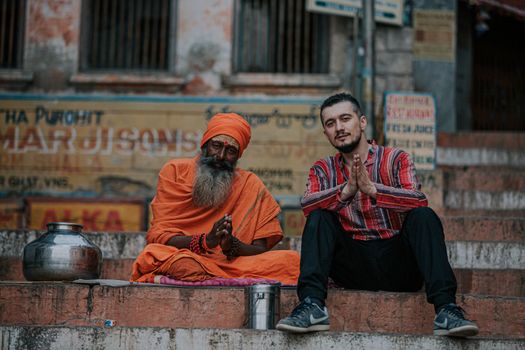
The sun beat down on my shoulders as I hurried through the labyrinthine alleyways of Marrakech’s medina. I was on a mission: find a specific spice vendor before the afternoon call to prayer. I was wearing a cute sundress – perfectly appropriate for a European summer, I thought. But as I navigated the bustling souk, I noticed something. While tourists in shorts and tank tops were certainly present, the locals, and indeed many other travelers, moved with a different kind of grace, draped in flowing kaftans, long skirts, and lightweight linen. I felt… exposed. And, honestly, a little out of place.
It wasn't until I reached the entrance of a beautiful riad, hoping to peek inside, that the full weight of my fashion faux pas hit me. The kind-faced woman at the door politely but firmly indicated that my shoulders and knees should be covered. Mortified, I quickly wrapped a spare scarf around myself, but the moment had passed. I hadn't just looked different; I had felt disrespectful, and it instantly put a barrier between me and the local culture I was so eager to embrace.
That day was a turning point. It taught me that travel isn't just about seeing new places; it’s about connecting with them. And often, the simplest way to forge that connection, to show you’re a guest who truly values your host, is through how you dress.
Fast forward to today, and "respectful travel fashion" isn't just a niche concept – it's a rapidly growing trend. Travelers are no longer content with merely avoiding offense; they're actively seeking to integrate, to show reverence, and to deepen their experiences through their sartorial choices. It’s about being a mindful traveler, a global citizen, and frankly, it often leads to some of the most stunning, authentic, and Instagram-worthy travel photos you’ll ever capture.
So, what are these trending clothing customs that show respect, and how can you weave them into your next adventure? Let’s dive in!
The Rise of Intentional Dressing: Beyond Just Covering Up
The core of this trend isn’t just about covering skin; it’s about intention. It’s asking yourself: "What message does my outfit send?" It's understanding that clothing, in many cultures, is a visual language. It speaks of modesty, status, faith, and even hospitality. When you dress intentionally, you're not just adhering to a rule; you're participating in a conversation, signaling respect, and opening doors to richer interactions.
This isn't about sacrificing your personal style. Far from it! It's about adapting, innovating, and discovering new facets of your fashion identity. Think of it as a creative challenge: how can you blend global trends with local customs to create a look that is both respectful and uniquely you?
For example, when I visited a Buddhist temple in Chiang Mai, Thailand, I noticed many travelers (including myself) had donned lightweight, long-sleeved shirts and flowing trousers. It wasn't just about covering shoulders and knees; it was about choosing breathable fabrics and silhouettes that allowed for ease of movement while sitting on the floor for meditation, and that conveyed a sense of calm and deference. The trend here is moving beyond the "bare minimum" to embracing the spirit of the custom. It's about feeling comfortable and culturally appropriate, rather than just tolerating a temporary covering.
Practical Tip:
Before you even pack, do a quick Google search for "dress code [your destination]" or "what to wear in [specific temple/mosque/church]". Look at images of locals and other respectful travelers. This quick research is your most powerful tool.
Modesty Meets Modernity: Chic Cover-Ups & Flowing Silhouettes
Gone are the days when "modest" meant "frumpy." Today's trending respectful travel fashion embraces elegant, flowing silhouettes that are both comfortable and chic. Think less shapeless sack, more sophisticated drape.
- The Elevated Kaftan/Maxi Dress: This is your absolute travel MVP. A well-chosen kaftan or maxi dress offers unparalleled comfort, breathability, and instant cultural appropriateness in many regions, especially the Middle East, Southeast Asia, and parts of Africa. Look for natural fabrics like linen, cotton, or Tencel that can be dressed up or down. I found a stunning indigo-dyed cotton maxi dress in a small artisan shop in Bali for about 450,000 IDR (approx. $30 USD) that became my go-to for temple visits and evenings out. It was lightweight, covered everything beautifully, and felt incredibly stylish.
- Wide-Leg Trousers & Palazzo Pants: These are not only incredibly comfortable for long travel days but also perfectly respectful. Pair them with a loose-fitting tunic or a long-sleeved linen shirt, and you’re ready for anything from a bustling market in Delhi to a quiet café in Rome. My favorite pair of linen palazzo pants, bought from an ethical brand online for around $70 USD, has seen me through countless adventures – from navigating the dusty streets of Jaipur to enjoying a sunset cruise in Vietnam.
- Layering with Lightweight Cardigans & Kimonos: Sometimes, you need flexibility. A thin, long-sleeved cardigan or a beautiful kimono-style jacket can instantly transform a sleeveless top into a respectful ensemble. They’re easy to pack, add a touch of flair, and provide that crucial shoulder and arm coverage when needed. I always carry a silk-blend kimono, which I picked up in Kyoto for about 8,000 JPY (approx. $55 USD), because it's so versatile and adds an instant touch of elegance.
Instagram-Worthy Moment:
Imagine yourself in a flowing kaftan, strolling through a spice market with vibrant colors, or meditating peacefully in a temple, your elegant silhouette perfectly framed against ancient architecture. These outfits aren't just respectful; they're inherently photogenic.
Local Threads, Global Trends: Embracing Artisan Textiles
One of the most authentic and trending ways to show respect is to literally wear the culture. Supporting local artisans by purchasing traditional garments or textiles and incorporating them into your travel wardrobe is a fantastic way to immerse yourself. This isn't just about fashion; it's about ethical travel, sustainable practices, and putting money directly into local economies.
- Moroccan Babouches: These soft leather slippers, often intricately embroidered, are not just comfortable; they’re a piece of Moroccan heritage. Wearing them shows an appreciation for local craftsmanship. I bought a pair in a deep emerald green for 250 dirhams (about $25 USD) in Fes, and they were perfect for navigating riads and even light walking in the medina.
- Indian Block Prints & Silks: From vibrant block-printed scarves to elegant silk tunics (kurtis), India offers a treasure trove of textiles. Wearing these not only supports local craftspeople but also helps you blend in beautifully. I remember feeling so much more at ease and welcomed in Jaipur when I swapped my Western top for a beautifully embroidered kurti I'd bought from a local market for about 800 INR (around $10 USD).
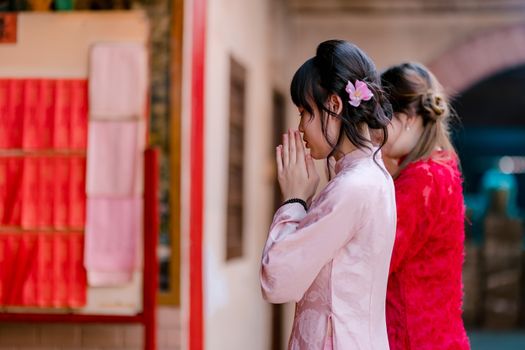
- Vietnamese Ao Dai Adaptations: While the traditional Ao Dai is a formal garment, many designers in Vietnam are creating modern, wearable versions or elements inspired by its elegance. Look for flowing linen tunics or dresses with similar necklines or side slits that offer a nod to this iconic style while remaining practical for travel.
- South American Ponchos & Woven Goods: In the Andes, a beautifully woven poncho isn't just a fashion statement; it's a cultural staple. Wearing one, perhaps purchased directly from a weaver in Peru's Sacred Valley (where prices can range from $20-$100+ depending on intricacy and material), is a warm gesture of appreciation.
Actionable Advice:
Seek out local markets, artisan cooperatives, or small, independent boutiques. Ask about the origin of the garment or textile. Not only will you find unique, high-quality pieces, but you'll also learn the stories behind them, enriching your travel experience exponentially. Plus, these make for incredible souvenirs and conversation starters back home!
The Power of the Headscarf: From Practicality to Poise
The headscarf is perhaps the most iconic symbol of respectful dressing in many parts of the world, particularly in regions with strong Islamic, Orthodox Christian, or even some Hindu and Sikh traditions. But the trending approach isn't just about a functional cover-up; it's about embracing it as a versatile, stylish accessory.
* The Multi-Purpose Pashmina/Scarf: This is the ultimate travel accessory. A large, lightweight scarf (pashmina, cotton, or linen) can be:
* A head covering for religious sites (mosques, some churches, temples).
* A shoulder wrap for cooler evenings or when you need extra modesty.
* A stylish neck scarf for a pop of color.
* An impromptu picnic blanket or beach cover-up.
* A shield against dust or sun.
I always pack at least two. One of my favorites is a vibrant silk-blend scarf I found in Istanbul's Grand Bazaar for about 150 Turkish Lira (around $5 USD), which instantly adds a touch of bohemian elegance to any outfit.
* Chic Tying Techniques: Search YouTube for "headscarf tying tutorials." You'll find countless ways to style a scarf that are both respectful and incredibly fashionable – from a simple drape to a more elaborate turban-style wrap. The trend is moving away from just throwing something over your head to artfully integrating it into your look.
* When and Where: Always carry one when visiting religious sites in conservative countries. In places like Italy or Spain, churches often require women to cover shoulders, and sometimes knees, but a head covering is usually optional unless specifically requested. In mosques or Orthodox churches, a head covering for women is generally mandatory. Observe what local women are doing; if they’re covering, you should too.
Personal Anecdote:
During my trip to Rome, I was so glad I had my trusty pashmina. We spontaneously decided to pop into St. Peter’s Basilica, and as I approached the entrance, a guard gestured to my bare shoulders. A quick, elegant drape of my scarf, and I was in, ready to marvel at Michelangelo's Pietà. It felt less like a restriction and more like a seamless part of the experience.
Footwear Finesse: When to Slip Off, When to Step Up
Footwear might seem like a small detail, but it carries significant cultural weight in many parts of the world. Understanding when to remove your shoes and when to choose specific types of footwear is a crucial part of respectful travel.
- Shoe Removal Etiquette: In many Asian countries (Japan, Thailand, India, much of Southeast Asia), it's customary to remove your shoes before entering homes, temples, and sometimes even shops or guesthouses. This practice is rooted in cleanliness and respect. The trend is to be prepared and observant.
- Practical Tip: Wear slip-on shoes or sandals that are easy to take off and put back on. Socks are also a good idea, especially if you're sensitive to walking barefoot on potentially cold or dirty floors. I swear by my Birkenstock-style sandals for temple hopping – easy on, easy off, and comfortable for walking!
- Cleanliness Matters: Ensure your feet are clean, especially if you'll be walking barefoot or in socks in sacred spaces. A quick wipe with a wet cloth can go a long way.
- Footwear for Specific Activities: In some cultures, specific footwear might be preferred for certain ceremonies or events. For instance, in Japan, you might be offered house slippers in a ryokan (traditional inn) and separate toilet slippers for the bathroom. Always follow the lead of your hosts.
Genuine Travel Experience:
I once visited a small family-run guesthouse in rural Japan. Upon entering, I instinctively removed my shoes at the genkan (entranceway) and noticed a row of slippers neatly laid out. Later, when I needed to use the restroom, I found another pair of dedicated toilet slippers. It felt a little complex at first, but by observing and asking, I quickly learned to navigate this respectful custom, which made me feel truly integrated into their home.
Beyond the Garment: Color, Pattern, and Symbolism
While less universally "trending" in the same way as silhouettes, understanding that colors and patterns can carry deep cultural significance is a mark of the truly respectful traveler. This is a deeper dive into cultural nuance, often learned on the ground.
- Colors of Mourning/Celebration: In some cultures, white is worn for mourning, while in others, it signifies purity and celebration. Red can symbolize luck and joy in one place, and danger or anger in another. While you don't need to memorize every color's meaning globally, being aware that it exists can prevent unintentional faux pas.
- Symbolic Patterns: Certain patterns or motifs might be sacred, symbolize lineage, or represent specific cultural narratives. When buying local textiles, ask the artisan about the patterns. This not only shows respect but also deepens your appreciation for the craft.
- Humility in Dress: In places like Bhutan, where traditional dress (gho for men, kira for women) is worn daily, visitors are often encouraged to dress modestly in plain, dark colors when visiting monasteries or official buildings, signaling humility.
Actionable Advice:
If you're attending a specific ceremony or event, a quick inquiry with your host or local guide about appropriate colors or patterns can be incredibly insightful. Otherwise, sticking to neutral, earthy tones is generally a safe and respectful bet.
Gender-Neutral Respect: Dressing for All Travelers
Respectful dressing isn't just for women. Men also have a role to play in honoring local customs. The trend here is moving away from the "shorts and t-shirt" default to more thoughtful, integrated male travel fashion.
- Covering Shoulders and Knees: Just like women, men are often expected to cover their shoulders and knees in religious sites and some conservative areas. This means packing lightweight long-sleeved shirts (linen or cotton are excellent) and long trousers.
- Avoiding Overly Casual Wear: While shorts and flip-flops might be fine for the beach, wearing them in urban centers or more formal settings can be perceived as disrespectful. Opt for chinos, linen pants, or even smart dark jeans.
- Head Coverings (When Applicable): In some religious settings (e.g., certain synagogues, specific Sikh temples), men may also be required or encouraged to wear a head covering. Always have a lightweight cap or scarf handy, or be prepared to accept one offered at the entrance.
- Footwear: Similar to women, men should be prepared to remove shoes where customary.
Personal Story:
My friend, Mark, and I were exploring temples in Kyoto. He had packed his usual travel shorts. At the first temple, he noticed a sign requesting knee coverage. Luckily, he had a pair of lightweight hiking trousers in his daypack that he quickly changed into. He later commented that not only did he feel more respectful, but the trousers actually made him feel more comfortable and less conspicuous among the Japanese visitors. It was a subtle shift that made a big difference in his experience.
Conclusion: Dress with Intention, Travel with Impact
The trend of embracing clothing customs that show respect is more than just a fleeting fashion moment; it's a movement towards more conscious, empathetic, and enriching travel. It’s about understanding that our choices, even seemingly small ones like what we wear, have an impact.
When you dress with intention, you're not just avoiding offense; you're actively building bridges. You're signaling to locals, "I see you, I respect your culture, and I'm here to learn." This opens doors to genuine interactions, unexpected invitations, and a deeper understanding of the world around you. You'll find yourself welcomed into spaces you might otherwise have missed, engaging in conversations that spark new insights, and capturing photographs that tell a story far richer than any postcard.
So, as you plan your next adventure, think beyond just your itinerary. Consider your wardrobe not as a collection of clothes, but as a toolkit for connection. Embrace the flowing silhouettes, the artisan textiles, the versatile scarves, and the mindful footwear. Let your fashion choices be a testament to your respect for the world’s incredible diversity.
What are your favorite respectful travel fashion finds or tips? Share your stories and advice in the comments below! Let’s inspire each other to travel more mindfully, one outfit at a time. And don't forget to tag us on Instagram with #TripsoraStyle and #RespectfulTravelFashion when you share your amazing, culturally-conscious looks!