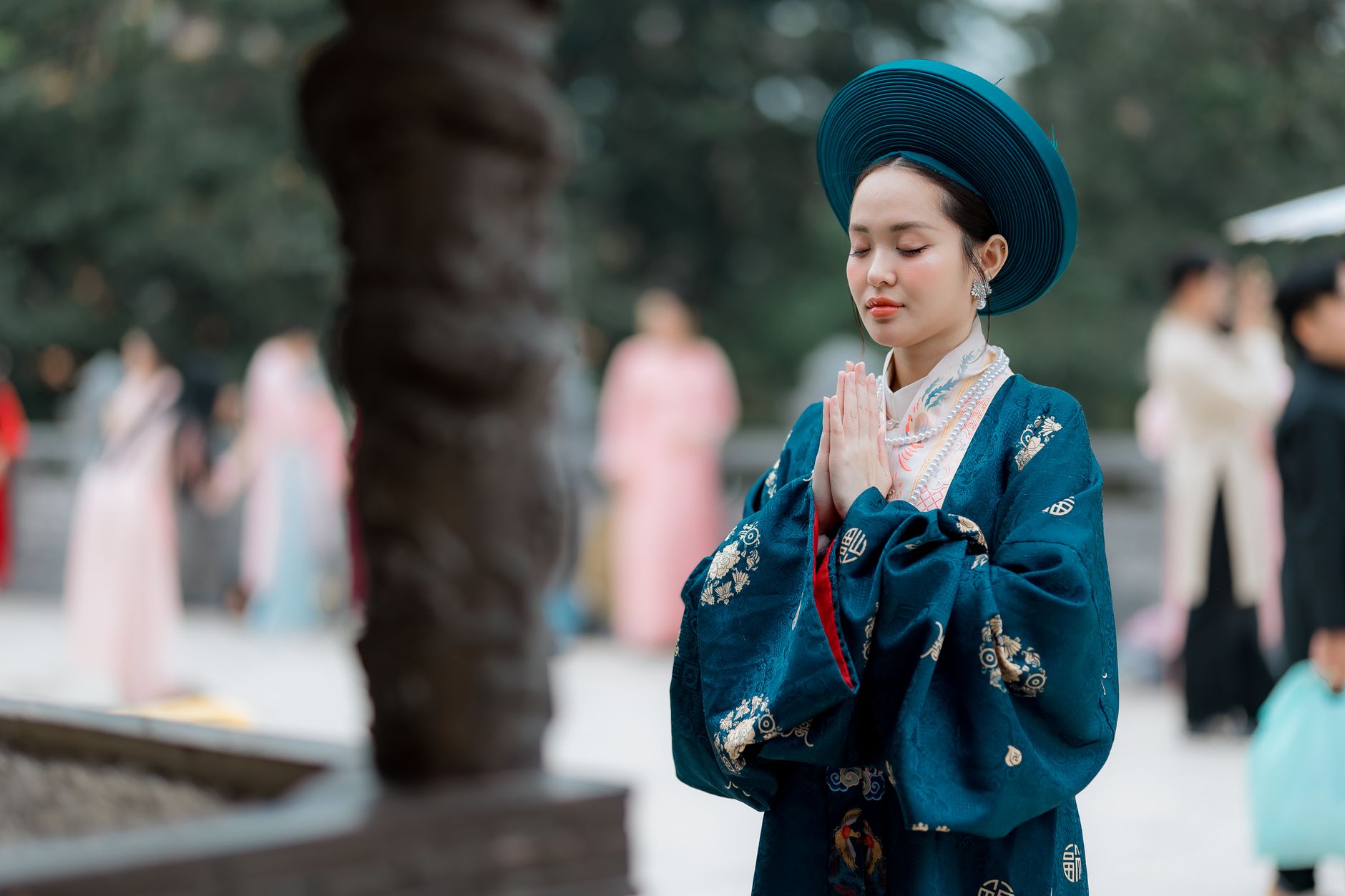
Threads of Respect: How Learning to Dress Abroad Changed My Life (and My Travels) Forever
I remember the exact moment it clicked. The sweltering Bangkok heat was clinging to me like a second skin, and I, in my well-meaning but woefully inappropriate tank top and shorts, stood before the glittering majesty of Wat Arun. My heart sank as a gentle but firm security guard gestured towards my bare shoulders, shaking his head. I was offered a sarong, a flimsy piece of fabric that felt more like a bandage than a respectful covering. As I awkwardly wrapped it around myself, feeling the stares of locals who were impeccably dressed, a wave of profound embarrassment washed over me. It wasn't just about being denied entry; it was the sudden, stark realization that I had inadvertently disrespected a sacred space, a revered culture.
That day, standing amidst the dazzling mosaics of the Temple of Dawn, was my travel epiphany. It was the moment I understood that clothing isn't merely a shield against the elements or a fashion statement; it's a powerful, unspoken language. A language that, up until then, I had been utterly fluent in misinterpreting. This realization didn't just change how I packed my suitcase; it fundamentally altered how I approached every single journey thereafter, transforming my travels from mere sightseeing into deep, meaningful cultural immersion. It literally changed my life forever, opening doors to experiences and connections I could never have imagined.
The Temple T-Shirt Travesty: My First Lesson in Humility
Before that fateful day at Wat Arun, my travel philosophy for packing was simple: comfortable, lightweight, and easy to wash. Practical, yes, but utterly devoid of cultural sensitivity. I’d seen pictures of temples, sure, but I hadn’t connected the dots between my breezy vacation wear and the reverence demanded by such sites.
My first encounter with this disconnect was in Rome, where my slightly-too-short shorts raised a few eyebrows at the Vatican. I shrugged it off, thinking, "It's just summer." But in Bangkok, the message was delivered with such quiet dignity by the temple staff that it resonated deeply. It wasn't about judgment; it was about respect. The sarong they handed me was a gesture of grace, allowing me to correct my mistake, but the lesson was etched into my memory: research local customs, especially dress codes, before you go.
After that, I started observing. I saw Thai women gracefully moving through temples in long skirts and modest blouses, their shoulders and knees covered, their heads sometimes adorned with a light scarf. They exuded a quiet elegance, a harmony with their surroundings that I, in my tourist garb, completely lacked. It was a stark contrast that ignited a new purpose in my packing strategy. I wanted to be a respectful guest, not an oblivious intruder.
Beyond Sacred Walls: Understanding Modesty as a Universal Language
The concept of modesty, I quickly learned, extends far beyond the confines of religious sites. It’s a nuanced cultural expectation that varies immensely, yet often serves as a cornerstone of respect in many societies. What's considered modest in one country might be flamboyant in another, and understanding these subtle differences became my new travel obsession.
For instance, my journey through India taught me the incredible power of a simple kurta or salwar kameez. Before my trip, I'd packed my usual Western dresses and jeans. But after a few days in Delhi, I noticed how locals often wore more flowing, covering garments. I ventured into a local market in Paharganj and bought a beautiful cotton kurta for about 400-600 INR (around $5-8 USD). The immediate difference was palpable. Shopkeepers seemed more approachable, women smiled more readily, and I felt a sense of belonging, rather than just passing through. It wasn't about blending in perfectly, but about showing effort and respect for their way of life. I felt less like a target for touts and more like a welcome visitor.
Similarly, in parts of North Africa and the Middle East, like my trip to Jordan, covering shoulders and knees, and often wearing loose-fitting clothing, is not just for mosques but for general daily life, especially outside of highly touristy areas. In the bustling souks of Amman, wearing a long-sleeved tunic and wide-leg trousers, I felt far more comfortable and less conspicuous than I would have in anything shorter or tighter. I even carried a lightweight scarf (a pashmina I bought for about 5 JOD, or $7 USD, in the market) that could be quickly deployed to cover my head when entering a mosque or for an extra layer of modesty if I felt it was appropriate. This small gesture often led to warmer interactions, with locals often initiating conversations, curious about my travels.
The Power of the Veil: Embracing Head Coverings with Grace
One of the most profound lessons came with embracing head coverings. For many, the idea of wearing a veil or headscarf can feel daunting, or even political. But through my travels, I've come to see it as a beautiful act of cultural deference, often opening doors to incredibly rich experiences.
My first intentional experience with a headscarf was visiting the Sheikh Zayed Grand Mosque in Abu Dhabi. Before entering, women are required to cover their heads and bodies. I rented a traditional abaya and shayla (headscarf) for free at the entrance. Stepping into that magnificent mosque, fully covered, was a transformative experience. It wasn't just about compliance; it was about feeling a part of the reverence, a quiet respect for the sacred space. I noticed how other women, both local and foreign, moved with a similar grace, and suddenly, the act felt less like an imposition and more like an embrace.
Later, in Iran, where head covering is mandatory for women, I initially felt a little apprehensive. But I quickly discovered the incredible artistry and variety of rusaris (scarves). I bought several vibrant silk and cotton ones for about 150,000-300,000 IRR (around $3-6 USD at the time) in the Grand Bazaar of Tehran. Learning to drape them elegantly, to keep them from slipping, became a daily ritual. What truly changed my perspective was the response from local women. My effort to respectfully cover my head, even if imperfectly, was met with smiles, nods of approval, and even friendly tips on how to adjust my scarf. It fostered a sense of solidarity and connection, making me feel welcome and understood. Wearing the rusari wasn't about losing my identity; it was about embracing a new facet of it, a temporary cultural identity that allowed me to connect more deeply with the people around me. It also often provided a sense of privacy and, surprisingly, even protection from unwanted attention.
Dressing for Dialogue: When Local Attire Unlocks Deeper Connections
This is where the "changed my life forever" truly comes into play. It’s not just about avoiding offense; it’s about actively fostering connection. When you make an effort to dress in a way that aligns with local customs, even subtly, you signal respect, curiosity, and an openness to engage. This often breaks down barriers and invites genuine interactions.
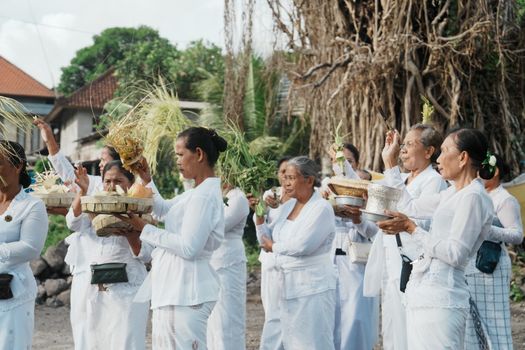
In Bali, Indonesia, for example, wearing a sarong (or kain) and a sash is mandatory for entering temples. You can often rent them at the entrance for a small fee (around 10,000 IDR, or less than $1 USD), but I quickly learned the value of owning my own. I bought a beautiful batik sarong for about 75,000 IDR ($5 USD) from a market vendor in Ubud. Not only was it more comfortable and stylish than the rental options, but it also became a conversation starter. Balinese locals would often comment on its pattern or offer advice on how to tie it properly. This seemingly small detail led to invitations to local ceremonies, explanations of offerings, and even a deeper understanding of Balinese Hinduism from a local family who saw my genuine interest. It was no longer about seeing the temples; it was about participating in the culture.
Similarly, during my travels through Peru, while there isn't a strict "dress code" for daily wear, I noticed that wearing more traditional, layered clothing in the Andean highlands, particularly for women, was common. I opted for comfortable, modest layers, and even purchased a beautiful hand-woven poncho for about 150 Soles ($40 USD) from a cooperative in the Sacred Valley. While it wasn't a traditional manta or pollera, the poncho was a nod to local craftsmanship and practical for the cooler mountain air. Locals, especially older women, would often smile and nod, sometimes striking up conversations in Quechua or Spanish, sharing stories of their weaving traditions. It felt like a bridge, a way to connect beyond language barriers.
These experiences weren't just about clothing; they were about humility, empathy, and the profound joy of being welcomed. When you dress respectfully, you're not just covering your body; you're uncovering a deeper layer of human connection.
Decoding Dress Codes: Practical Tips for Every Traveler
So, how can you avoid my early missteps and embrace this transformative approach to travel? Here are my actionable tips:
- Research, Research, Research: Before you even pack, do a quick Google search for "[Country/City] dress code," "What to wear in [Country] temples," or "Cultural etiquette [Country]." Read travel blogs, official tourism sites, and forums. Look at photos of locals in daily life.
- Pack a "Modesty Kit": This is non-negotiable for me now.
- Lightweight Scarf/Pashmina: An absolute lifesaver. It can cover shoulders, heads, or even act as a makeshift skirt extender. Choose one in a breathable fabric like cotton, linen, or a silk blend. I always have at least two.
- Sarong/Wrap Skirt: Incredibly versatile. Use it for temples, beaches, or just to add a modest layer over shorts or leggings.
- Long-sleeved Cardigan/Shirt: Even in hot climates, a light, breathable long-sleeved top can be invaluable for sun protection and modesty.
- Opt for Versatile Bottoms:
- Maxi Skirts/Dresses: Breathable, comfortable, and inherently modest.
- Loose-fitting Trousers/Palazzo Pants: Far more comfortable in humid climates than jeans, and respectful.
- Capris/Knee-Length Shorts: While shorts are generally discouraged in sacred sites, knee-length options can be acceptable in some tourist areas for daily wear, but always be prepared to cover up.
- Footwear Matters: Many cultures require removing shoes before entering homes or sacred sites. Wear shoes that are easy to slip on and off, like sandals, loafers, or slip-on sneakers. Carry a small bag for your shoes if needed.
- Observe and Adapt: Once you arrive, take a day to simply observe what locals are wearing. Pay attention to how people dress in different settings – markets, religious sites, public transport, restaurants. You don't need to buy a whole new wardrobe, but these observations can guide your daily choices.
- Buy Local, Support Local: Purchasing a locally made garment (like a kurta, sarong, or kaftan) not only ensures you have culturally appropriate attire but also supports local artisans and economies. It's often more comfortable in the local climate too!
- It's About Effort, Not Perfection: You don't have to fully adopt local dress, especially if it's uncomfortable or impractical for your trip. The key is to show effort and respect. Locals appreciate the attempt, even if you don't get it perfectly right.
The Unseen Benefits: Deeper Connections, Safer Travels, Richer Stories
Embracing these clothing customs has been nothing short of transformative. It goes beyond mere politeness; it actively enhances every aspect of my travel experience:
- Deeper Connections: When you show respect for local traditions, people are often more open, friendly, and willing to share their culture with you. I've been invited for tea, offered guidance, and engaged in conversations that would never have happened if I'd seemed like an oblivious tourist.
- Enhanced Safety and Comfort: Dressing modestly can often reduce unwanted attention, especially for solo female travelers. You blend in more, feel less like an obvious target, and can navigate new environments with greater ease and confidence.
- Richer, More Authentic Experiences: Access to sacred sites, local ceremonies, and community gatherings becomes easier. You're not just observing from the outside; you're often welcomed to participate, creating memories that are truly priceless and deeply personal.
- Personal Growth: This journey has instilled in me a greater sense of humility, empathy, and cultural understanding. It's a constant reminder that the world is vast and diverse, and that true travel is about learning, adapting, and connecting with humanity.
My suitcase now looks very different. It's filled with versatile layers, scarves in every color, and comfortable, modest pieces collected from around the world. Each garment tells a story, not just of where I've been, but of the lessons I've learned and the connections I've forged.
Your Next Adventure: Dress with Purpose, Travel with Heart
That embarrassing moment at Wat Arun was a catalyst. It forced me to re-evaluate my approach to travel, to shed my assumptions, and to truly open my eyes to the world's diverse tapestry of customs. What I discovered was that the simple act of choosing your clothes with cultural sensitivity can unlock a whole new dimension of travel. It's not about being someone you're not; it's about being your most respectful, curious, and open self.
So, on your next adventure, consider your wardrobe as more than just clothing. See it as a tool for communication, a gesture of goodwill, and a key to unlocking deeper, more meaningful experiences. You might just find, as I did, that dressing with respect doesn't just change your travels – it changes your life forever.
What's your most memorable cultural clothing experience? Or which destination are you researching for your next trip, and what clothing customs are you discovering? Share your thoughts in the comments below!
---