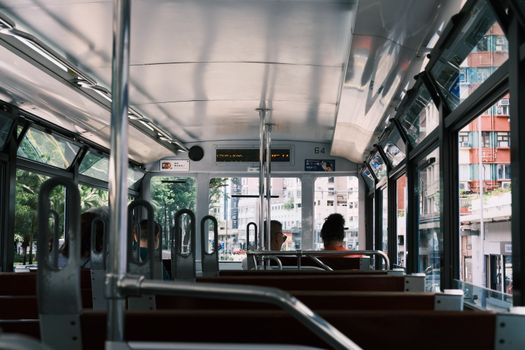
Lists of cities with the best public transport are fun to read, but they leave out the most useful skill: knowing how to judge a system for yourself. A ranking can tell you that a metro is punctual, yet not whether it will suit a family with a stroller, a solo traveller landing at midnight or someone who wants to reach hiking trails on a day off. This guide gives you a method for assessing a destination's transport before you commit to flights and a hotel.
You will find a short checklist, a way to research without speaking the local language, and examples of cities that score well on different measures. Always verify fares, opening times and service details with official operators, since these change.
Why ratings only tell part of the story
Transport ratings usually blend several factors into a single score. Common ingredients include network coverage, frequency, affordability, reliability and passenger satisfaction. These are meaningful, but they average out differences that matter to you personally.
A city might rank highly because commuters love its suburban rail, while the area you plan to visit is poorly served. Another might score modestly overall but have a perfect line linking its airport, old town and main museums. Treat ratings as a starting point for curiosity rather than a final verdict.
The six-point visitor test
Use these six questions to assess any destination. You can answer most of them in an evening of research.
1. Can you get from the airport or station to your bed easily?
Your first journey sets the tone for your trip. Look for a direct rail link, an express bus or a clear shuttle option. Check how long it takes, how often it runs, whether it operates late, and whether it needs a separate ticket.
If you arrive late at night, find out when the last train leaves and what the fallback is. A cheap flight that lands after the final service might cost you a taxi fare that wipes out the saving.
2. Do the main sights sit on the network?
Make a list of the five places you most want to see. Plot them on the transport map. If three or more sit near a single line or interchange, you have a promising base. If they are scattered across areas served by infrequent buses, you may spend a lot of time waiting.
3. Is payment simple?
Some cities accept contactless bank cards on every service. Others want a local stored-value card, a mobile app or paper tickets from a machine. None of these is bad, but each requires a little preparation. Ask yourself:
- Can I pay with my phone or bank card?
- Is there a visitor pass, and does it cover the modes I will use?
- Is there a daily cap that stops costs from climbing?
- Do I need to validate paper tickets, and what is the penalty if I forget?
Fare inspectors in many European cities do check, and fines can be steep. Understanding the validation rules is part of a good trip plan.
4. How does it perform at the edges of the day?
Many systems are excellent at noon and thin at midnight. Look at first and last service times, weekend schedules and whether night buses exist. If you like evenings out, this matters a lot.
5. Is it accessible for your needs?
Check for step-free routes, lifts that are reliable, space for luggage, and priority seating. Operators often publish accessibility maps. If you travel with young children, find out whether stroller access is straightforward.
6. What happens when something goes wrong?
Disruption is a fact of life. Strong systems publish real-time service updates, provide alternatives and offer clear announcements. Check whether the operator has an app or social feed with live status, and whether information is available in English or another language you read.
Research tools that work anywhere
You do not need to read a foreign language to research a transit system. These steps help.
- Official operator websites. Use browser translation if needed. Look for sections labelled tourists, visitors, tickets or maps.
- Journey planners. Many cities have official apps. Global map apps also show schedules in lots of places, although accuracy varies.
- Street-level views. Looking at the area around your hotel and nearby stations can reveal whether they feel pleasant and well lit.
- Traveller forums and recent reviews. Look for patterns instead of single complaints. If several people mention the same confusing ticket machine, believe them.
- Local tourism boards. They often publish suggested itineraries by public transport.
Be wary of old posts. Fare systems and lines change, so check the date on anything you rely on.
Examples of systems that excel in different ways
No single city wins on every measure. Here are examples of what different strengths look like.
Best for simplicity: Singapore and Hong Kong
Compact, dense and heavily used, these systems have clear maps and straightforward payment. A first-time visitor can usually find their way in an hour.
Best for integration: Zurich and Vienna
Trains, trams, buses and boats work like pieces of the same machine. Connections are planned, so you rarely wait long, and day passes are easy to use.
Best for scale: Tokyo and Seoul
Enormous networks, but well signed and supported by good apps. You may take longer to master them, yet once you do, almost anywhere is reachable.
Best for combining with cycling: Copenhagen and Amsterdam
Fast trains and trams plus excellent bike infrastructure give you flexible travel without a car.
Best for value: Madrid and Taipei
Metros that are modern, reasonably priced and easy to use, making them appealing for longer stays.
Matching the system to your trip type
Different travellers need different things. A few scenarios show how to apply the checklist.
A weekend city break.
You want maximum sights with minimum fuss. Choose a city with a direct airport link and a compact centre. Buy a short-term pass only if you will ride enough to justify it.
A family trip.
Prioritise step-free access, short walks to stations and reliable daytime service. Pick lodging near a main interchange so you can retreat to your room midday if needed.
A longer stay or workation.
Evaluate monthly passes, nearby neighbourhoods with good connections and the quality of late-night service. A slightly less central apartment next to a strong line may beat a central one far from any station.
A trip that includes nature.
Look at regional rail or bus links to parks and coastlines. Some cities, like Vancouver or Zurich, make day trips into the outdoors easy. Others require rental cars once you leave the urban area.
Choosing where to stay
Your hotel location can make or break a car-free trip. Before booking, consider:
- Distance to the nearest station. Ten minutes on foot is a comfortable benchmark for most people, though less is better with luggage.
- Which lines serve it. A station with several lines gives you flexibility.
- Neighbourhood feel. Quiet side streets are lovely, but make sure you feel comfortable walking home at night.
- Noise. Rooms near rail lines or tram stops can be loud. Read recent reviews for hints.
- Luggage logistics. If the route involves many stairs or transfers, consider a taxi for the first and last legs.
Money-saving ideas
Public transport is usually cheaper than taxis or car rental, but costs can still add up. Some ideas:
- Compare single tickets, day passes and multi-day passes against your itinerary.
- Look for city cards that bundle transport with museum entry, and calculate whether you will actually use the attractions.
- Check whether children, students or older travellers qualify for reduced fares, and what ID is needed.
- Use daily fare caps where available.
- Walk short hops. In compact centres it can be quicker than waiting.
Avoid buying passes in advance unless you are sure of your plans. Many systems let you buy on arrival at machines or via apps.
Common mistakes
- Assuming one ticket covers everything. Some cities have separate zones or operators.
- Ignoring zones. Travelling outside the zone on your ticket can lead to fines.
- Forgetting to validate. In some places a ticket is only valid once stamped.
- Relying on a single app. Have a backup, such as offline maps and a screenshot of your route.
- Underestimating transfers. A line map can look simple while a connection involves a long walk.
- Travelling at peak times with big luggage. If you can, arrive outside rush hour.
Safety and etiquette
Public transport is generally safe in the cities highlighted by most lists, but common sense helps. Keep valuables close, be alert in crowds and avoid displaying expensive items. Follow local customs, which may include keeping quiet on trains, queuing at doors, letting passengers exit first and offering seats to those who need them.
If you are unsure, watch what locals do and copy them.
Frequently asked questions
How far ahead should I research transport?
A couple of hours before booking is often enough. Look up the airport link, the nearest stations to your lodging and the main fare options.
Are contactless bank cards always the best choice?
Not always. They are convenient, but foreign transaction fees and daily caps vary. Compare with local cards or passes, and check with your bank about fees.
Should I trust ranking lists?
Use them as inspiration, not instructions. Cross-check with official sources and your own itinerary.
What if my destination has weak public transport?
Consider a base in a better-connected neighbourhood, use regional trains where available or mix in occasional taxis, ride-hailing or a one-day car rental for specific excursions.
Summary
Great public transport is not just about glossy rankings. It is about whether a system fits your trip. Use the six-point visitor test: airport link, access to sights, payment simplicity, performance early and late, accessibility and disruption handling. Research with official sites and recent traveller feedback, choose accommodation close to strong lines, and compare passes against your itinerary. Do that, and you can book a car-free holiday with confidence and spend your time enjoying the destination instead of wrestling with it.