Alright, Tripsora adventurers, let's talk Christmas markets. For years, my December travel itinerary looked pretty much the same: a quick flight to Germany, a whirlwind tour of Nuremberg, Dresden, maybe Cologne, and then back home, stomach full of Glühwein and Lebkuchen. Don't get me wrong, German Christmas markets are iconic, enchanting, and absolutely worth experiencing. But after a few seasons, a little voice in my head started whispering, "What else is out there?"
That whisper turned into a full-blown quest. I wanted to find markets that offered a different kind of magic, a unique blend of local traditions, unexpected treats, and breathtaking backdrops, all without crossing into Germany. And let me tell you, what I discovered blew my mind. From medieval squares to imperial palaces, from hearty stews to delicate pastries, the rest of Europe is absolutely brimming with festive glory.
So, if you're ready to sprinkle some new, unforgettable sparkle on your holiday season, grab your warmest scarf and your sense of wonder. Here are seven Christmas markets beyond Germany that will truly blow your mind, complete with my personal tips and why they've earned a permanent spot on my "must-revisit" list!
1. Prague, Czech Republic: A Fairytale Frozen in Time
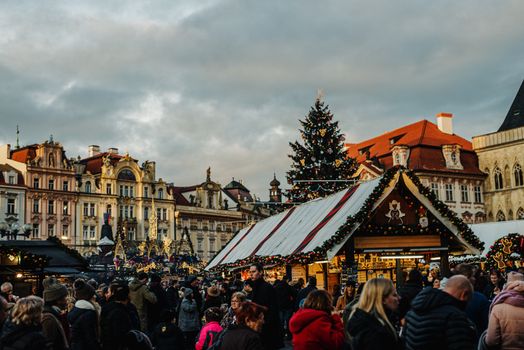
Imagine stepping into a real-life storybook. That's Prague's Christmas market scene for you. The main markets at Old Town Square and Wenceslas Square are pure magic, set against the backdrop of Gothic architecture, the Astronomical Clock, and the majestic Týn Church. The moment I first saw the towering, decorated Christmas tree in Old Town Square, illuminated against the twilight sky, I literally gasped.
What makes it mind-blowing:
Prague's markets feel incredibly authentic. You won't find endless rows of generic trinkets here. Instead, expect beautifully crafted wooden toys, delicate Bohemian crystal, hand-embroidered lace, and the most charming puppet stalls you've ever seen. The aroma of roasted chestnuts, spicy mulled wine (svařené víno), and the famous Trdelník (a sweet, cylindrical pastry cooked over an open flame, often filled with chocolate or ice cream) fills the air. Trust me, a warm Trdelník on a chilly Prague evening is a revelation.
My personal highlight:
Climbing the Old Town Hall Tower just before sunset. The view of the market twinkling below, with snow gently dusting the rooftops, is something I'll never forget. It’s an Instagram dream come true!
Practical Tips:
* When to go: Late November to early January.
* What to eat/drink: Besides Trdelník and svařené víno, try klobása (grilled sausage), langos (fried dough with various toppings), and medovina (honey wine).
* Souvenirs: Look for hand-painted baubles, wooden puppets, and traditional Czech ceramics.
* Getting around: The markets are easily walkable, especially between Old Town and Wenceslas Squares. Public transport is excellent for longer distances.
* Budget: Prague is generally more affordable than Western European cities, so you can indulge a little more. Mulled wine typically costs around 80-100 CZK (€3-4).
2. Vienna, Austria: Imperial Grandeur Meets Festive Cheer
If you're looking for elegance, tradition, and a market experience steeped in imperial history, Vienna is your calling. The city boasts several spectacular markets, each with its own distinct charm, but the one at Rathausplatz (City Hall Square) is undoubtedly the showstopper. The neo-Gothic City Hall transforms into a dazzling fairytale palace, its ornate facade lit up with thousands of lights, creating a truly majestic atmosphere.
What makes it mind-blowing:
Vienna's markets feel grand and sophisticated. Beyond Rathausplatz, don't miss the charming market in front of Schönbrunn Palace, where the Baroque backdrop adds an extra layer of regal magic, or the more traditional Christmas Village at Maria-Theresien-Platz between the Natural History and Art History Museums. The quality of the crafts here is exceptional, from intricately carved nativity scenes to exquisite glass ornaments. And the food? Oh, the food! Think Kaiserschmarrn (shredded pancake with fruit compote), Maroni (roasted chestnuts), and countless varieties of Punsch (a stronger, fruitier version of mulled wine).
My personal highlight:
Ice skating at the "Ice Dream" in Rathausplatz, weaving through the illuminated park paths with the City Hall glowing nearby. It felt like being in a classic Christmas movie.
Practical Tips:
* When to go: Mid-November to late December.
* What to eat/drink: Kaiserschmarrn, Maroni, and Vanillekipferl (vanilla crescent cookies). Try different Punsch flavors – my favorite was orange-ginger!
* Souvenirs: Hand-blown glass ornaments, traditional wooden toys, and Austrian confections like Mozartkugel.
* Getting around: Vienna's public transport (U-Bahn, tram, bus) is efficient and easy to navigate. The markets are spread out, so a day pass is a good idea.
* Budget: Vienna is a bit pricier than Prague or Krakow, but still offers good value. Punsch typically costs €4-5, often with a deposit for the mug.
3. Krakow, Poland: Heartwarming Traditions in a Historic Setting
Step onto Krakow's Rynek Główny (Main Market Square) during Advent, and you'll feel an immediate warmth that goes beyond the mulled wine. This sprawling medieval square, one of the largest in Europe, becomes a vibrant tableau of Polish festive traditions, with the magnificent Cloth Hall and St. Mary's Basilica as its stunning backdrop. It's less commercialized than some of its Western counterparts, offering a truly authentic experience.
What makes it mind-blowing:
Krakow’s market is a sensory delight. The air is thick with the inviting scent of pierogi (dumplings), grilled Oscypek (smoked sheep's cheese from the Tatra mountains, often served with cranberry jam), and Bigos (hunter's stew). The stalls are filled with unique, handcrafted treasures: intricate hand-painted glass baubles, beautiful amber jewelry, traditional folk art, and cozy woolen goods. The atmosphere is incredibly festive, with carols echoing across the square and locals gathering to share food and laughter.
My personal highlight:
Watching the hourly trumpet call (Hejnał Mariacki) from St. Mary's Basilica, which suddenly stops mid-tune in honor of a legendary trumpeter. Then, wandering through the market with a steaming mug of Grzaniec Galicyjski (spiced mulled wine), feeling the genuine warmth of Polish hospitality.
Practical Tips:
* When to go: Late November to December 26th.
* What to eat/drink: Definitely try the Oscypek, pierogi, Bigos, and Grzaniec Galicyjski. For something sweet, makowiec (poppy seed roll) or gingerbread.
* Souvenirs: Amber jewelry (Poland is famous for it!), hand-painted wooden items, sheepskin products, and unique Christmas ornaments.
* Getting around: The main market is the focus, and everything in the Old Town is walkable.
* Budget: Krakow is very budget-friendly, making it an excellent choice for a longer festive trip. Food and drink are incredibly affordable, with mulled wine around 15-20 PLN (€3-4).
4. Budapest, Hungary: Artistic Flair and Culinary Delights
Budapest offers a dynamic and delicious Christmas market experience, blending traditional Hungarian flavors with a vibrant, artistic atmosphere. The two main markets at Vörösmarty Square and in front of St. Stephen's Basilica are distinct but equally captivating. Vörösmarty Square is known for its artisan crafts and culinary focus, while the Basilica market wows with its spectacular light show.
What makes it mind-blowing:
Budapest's markets are a feast for the senses, especially for foodies. You absolutely must try the famous kürtőskalács (chimney cake), a sweet, doughy pastry cooked over coals and rolled in sugar, cinnamon, or nuts. It's warm, comforting, and utterly addictive. Beyond that, there's lángos (fried flatbread with sour cream and cheese), hearty goulash, and plenty of pálinka (fruit brandy) to warm you up. The artisan stalls are incredible, showcasing unique Hungarian embroidery, ceramics, leather goods, and handmade jewelry – perfect for finding truly special gifts. The light show projected onto the facade of St. Stephen's Basilica every evening is a breathtaking spectacle that truly elevates the experience.
My personal highlight:
Enjoying a warm kürtőskalács while watching the mesmerizing light show at St. Stephen's Basilica. The combination of sweet treat and stunning visuals was pure magic. Afterward, relaxing in one of Budapest's famous thermal baths felt like the ultimate festive indulgence.
Practical Tips:
* When to go: Mid-November to early January.
* What to eat/drink: Kürtőskalács, lángos, goulash, and forralt bor (mulled wine). Don't be afraid to try some local pálinka!
* Souvenirs: Hand-embroidered linens, paprika products, unique ceramics, and artisan crafts.
* Getting around: The markets are well-connected by Budapest's excellent tram and metro system.
* Budget: Budapest is another great value destination. Expect to pay around 1000-1500 HUF (€2.50-4) for mulled wine and similar for a kürtőskalács.
5. Tallinn, Estonia: Medieval Magic in the Baltics
Prepare to be transported back in time in Tallinn. Its Christmas market, nestled in the heart of the UNESCO-listed Town Hall Square, consistently ranks among Europe's most charming. With its perfectly preserved medieval architecture, cobblestone streets, and often a dusting of snow, Tallinn offers an incredibly picturesque and intimate festive experience.
What makes it mind-blowing:
Tallinn's market feels truly authentic and wonderfully cozy. It's believed that the first publicly displayed Christmas tree in Europe was erected here in 1441, adding to its historical charm. The market is smaller than some others, which only enhances its magical, intimate feel. Stalls offer traditional Estonian crafts, from woolen sweaters and felted accessories to hand-carved wooden items and ceramics. The food is hearty and warming: think verivorst (blood sausage) with sauerkraut, gingerbread cookies, and glögi (Estonian mulled wine, often served with almonds and raisins). The crisp Baltic air, combined with the aroma of pine and spices, creates an unforgettable atmosphere.
My personal highlight:
Strolling through the market as dusk settled, watching the lights glow against the ancient buildings, and then finding a cozy spot for a warming mug of glögi. The gentle snowfall made it feel like a real-life Christmas card. For an incredible photo op, climb up to the Kohtuotsa viewing platform for panoramic views of the snowy Old Town.
Practical Tips:
* When to go: Late November to early January.
* What to eat/drink: Verivorst, sauerkraut, gingerbread, and glögi. Try the local honey and marzipan!
* Souvenirs: Woolen knitwear (mittens, hats, scarves), wooden crafts, traditional Estonian pottery, and amber.
* Getting around: The Old Town is compact and easily explored on foot.
* Budget: Tallinn is moderately priced, offering good value for a unique European experience. Glögi typically costs around €4-5.
6. Brussels, Belgium: Winter Wonders and Waffles
Brussels truly transforms into a "Winter Wonderland" during its annual Winter Wonders festival. Spanning several locations, with the main hubs around the Grand Place and Place Sainte-Catherine, this market is dynamic, diverse, and surprisingly vibrant. It's a fantastic choice if you love dazzling light displays, lively atmospheres, and, of course, incredible food.
What makes it mind-blowing:
The sheer scale and energy of Brussels' Winter Wonders are impressive. The centerpiece is undoubtedly the Grand Place, which hosts a breathtaking sound and light show every evening, illuminating the magnificent guildhalls and City Hall in a kaleidoscope of colors. It's truly a spectacle you won't forget. Beyond the visual feast, the market is a culinary paradise. Belgian waffles, frites (fries) with an array of sauces, mussels, and an incredible selection of Belgian beers and jenever (gin) are all on offer. The atmosphere is buzzing, with ice skating rinks, a Ferris wheel, and countless stalls selling everything from artisan crafts to delicious chocolates.
My personal highlight:
Standing in awe at the Grand Place during the light show, then immediately diving into a warm, sugar-dusted Belgian waffle from a street vendor. The contrast of the grand spectacle and simple, perfect comfort food was divine. And honestly, trying to pick just one flavor of Belgian beer was an adventure in itself!
Practical Tips:
* When to go: Late November to early January.
* What to eat/drink: Belgian waffles (with all the toppings!), frites, mussels, artisan chocolates, and an extensive range of Belgian beers and jenever.
* Souvenirs: Belgian chocolates (of course!), lace, comic strip art, and unique local crafts.
* Getting around: The main market areas are walkable, and Brussels has an excellent metro and tram system to connect the various sites.
* Budget: Brussels can be a bit more expensive than Eastern European cities, but still offers good value for its quality. Waffles start from €3-4, and a beer around €4-6.
7. Zagreb, Croatia: The Reigning King of Advent
Surprise! When you think of Christmas markets, Croatia might not be the first country that springs to mind, but Zagreb has consistently been voted the "Best European Christmas Market" for several years running by European Best Destinations. And let me tell you, it absolutely lives up to the hype. Advent Zagreb isn't just one market; it's an entire city-wide celebration, transforming squares, parks, and streets into distinct festive zones.
What makes it mind-blowing:
Zagreb's Advent is incredibly vibrant, diverse, and brilliantly organized. It manages to feel both traditional and modern, appealing to all ages. The main action happens around Ban Jelačić Square, European Square (known for its live music and youthful vibe), and the magical Ice Park on King Tomislav Square, where you can ice skate amidst a fairytale setting. What truly sets Zagreb apart is its emphasis on unique experiences, delicious street food, and a genuinely warm, welcoming atmosphere. You'll find everything from traditional Croatian delicacies to creative fusion dishes, often accompanied by live bands and DJs. It's less about buying trinkets and more about soaking in the festive spirit, enjoying good food, and having fun.
My personal highlight:
Ice skating under the stars at the Ice Park, then warming up with some fritule (small, sweet Croatian doughnuts) and a mug of excellent mulled wine. The energy of the city during Advent is infectious, and every corner seemed to hold a new delightful surprise.
Practical Tips:
* When to go: Early December to early January.
* What to eat/drink: Fritule, kobasice (sausages), štrukli (baked cheese pastry), and rakija (fruit brandy). The mulled wine here is fantastic!
* Souvenirs: Handmade decorations, local food products, and unique Croatian artisan crafts.
* Getting around: The various Advent zones are mostly walkable, especially in the city center. Trams are useful for reaching slightly further areas.
* Budget: Zagreb is very reasonably priced, especially for food and drink, making it a fantastic and affordable option for a top-tier Christmas market experience. Mulled wine around €3-4.
Planning Your Mind-Blowing Christmas Market Adventure: Essential Tips
Now that you're practically packing your bags, here are a few general tips to make your non-German Christmas market trip absolutely epic:
- Book Early, Especially Accommodation: December is peak season, and popular cities fill up fast. Secure your flights and hotels well in advance for the best prices and availability.
- Layer Up, Buttercup! European winters can be chilly. Think thermal layers, a good waterproof and windproof coat, a hat, gloves, and a scarf. Comfortable, waterproof walking shoes are non-negotiable – you'll be doing a lot of exploring!
- Cash is King (Sometimes): While cards are widely accepted, many smaller market stalls prefer cash. It's always a good idea to have some local currency on hand, especially for those smaller purchases like a quick snack or a mug of mulled wine.
- Embrace the Mug Deposit System: Many markets use a reusable mug system. You'll pay a small deposit (usually €1-3) for your mulled wine mug, which you get back when you return it. Or, keep it as a charming souvenir!
- Go Beyond the Main Square: While the central markets are usually the largest and most famous, many cities have smaller, more intimate neighborhood markets that offer a different vibe and unique local goods. Ask locals for their favorites!
- Savor the Flavors: Each market has its own culinary specialties. Don't be afraid to try new things! That’s half the fun.
- Capture the Magic (and Share It!): These markets are incredibly Instagram-worthy. Take photos, but also remember to put your phone away and truly soak in the atmosphere. Share your experiences with #TripsoraTravels and inspire others!
The Adventure Awaits!
So there you have it, fellow travelers: a curated list of Christmas markets that prove the festive spirit isn't confined to one country. From the medieval charm of Tallinn to the imperial elegance of Vienna, the artistic flair of Budapest, or the award-winning vibrancy of Zagreb, these destinations offer unique, unforgettable, and truly mind-blowing ways to celebrate the most wonderful time of the year.
Are you ready to swap your traditional German market experience for something new and extraordinary? Trust me, these markets will fill your heart with joy, your belly with delicious treats, and your camera roll with incredible memories.
Which of these incredible markets is calling your name? Share your thoughts in the comments below, or tell us about a hidden gem we missed! And don't forget to share this guide with your travel buddies – let's inspire more unforgettable winter adventures!
---