The Hook: Salt, Diesel, and the Warm Caribbean Drift
I stepped off the single-engine prop plane onto the sun-baked tarmac of Utila, and the immediate sensory assault told me I wasn't in Cairns anymore. The air was a thick, humid soup of sulfur, frying plantains, and the unmistakable tang of low-tide salt.
My skin was still crusted with salt from a dive five hours earlier in Roatan, where I had floated through a volcanic fissure draped in giant deep-water sea fans. There were no massive, double-decker catamaran tour boats loaded with 150 life-jacket-clad tourists. There were no sterile briefings delivered over a PA system.
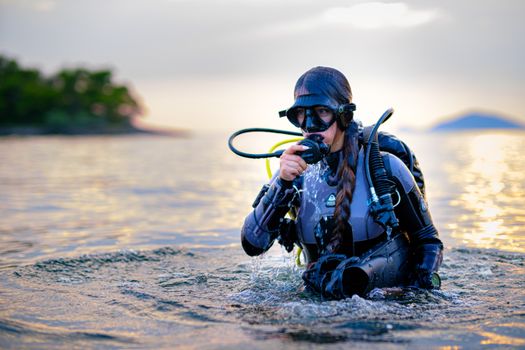
Instead, I sat on the wooden dock of a family-run dive shop, drinking a cold SalvaVida beer, listening to the rhythmic thump of Garifuna drumming drifting from a nearby beach shack, and watching a pod of dolphins break the glassy surface of the harbor.
For decades, the Great Barrier Reef (GBR) was the undisputed holy grail of the diving world. But things have changed. Over-commercialization, devastating marine heatwaves, and soaring Australian travel costs have stripped the GBR of its magic.
Just across the Pacific, Central America is quietly delivering the kind of raw, wild, and incredibly affordable underwater encounters that dive legends are made of. This is why Central America is beating Australia at its own game right now.
---
1. The Great Barrier Grief: Why Australia is Losing Ground
To understand why Central America is winning, we have to look honestly at what is happening down under. The Great Barrier Reef is in trouble.
The Bleaching Epidemic
In recent years, the GBR has suffered consecutive mass bleaching events driven by rising sea temperatures. While the reef is resilient and some sections are recovering, the vibrant, neon-colored coral gardens of the 1990s have largely been replaced by turf algae and pale, stressed structures in the highly trafficked northern and central sectors.
The Corporate, Sterile Experience
Diving in Cairns or Port Douglas has become a highly industrialized process. You are ushered onto massive, high-speed catamarans with hundreds of other snorkelers. The rules are rigid, the bottom times are strictly capped to keep the boat on schedule, and the marine park fees alone can cost more than a full day of diving in Honduras or Nicaragua.
The Cost Barrier
A standard two-tank day trip on the GBR will easily set you back $250 to $350 USD. Throw in Australian accommodation, food, and domestic flights, and a week-long dive trip quickly balloon into a five-figure luxury expense.
---
2. The Mesoamerican Barrier Reef: The Caribbean’s Crown Jewel
Running from the tip of the Yucatán Peninsula down to the Bay Islands of Honduras, the Mesoamerican Barrier Reef is the second-largest barrier reef system in the world. Unlike its Australian counterpart, large swaths of this reef are thriving, protected by deep-water trenches and unique upwellings that pump cool, nutrient-rich water across the coral.
```
+-----------------------------------------------------------------+
| MESOAMERICAN REEF VS. GREAT BARRIER REEF |
+------------------------------------+----------------------------+
| Feature | Central America (Meso) | Australia (GBR) |
+------------------------------------+----------------------------+
| Average Cost per Dive (incl. gear) | $35 - $50 USD | $120 - $180 USD |
| Coral Health (Recent years) | High resilience, deep walls| Severe bleaching zones |
| Megafauna Access | Year-round, close to shore | Seasonal, requires long run|
| Vibe | Laid-back, bohemian | Highly commercialized |
+------------------------------------+----------------------------+
```
Roatan, Honduras: The Wall-Diving Mecca
Roatan is famous for its dramatic topography. The island sits right on the edge of a deep-water trench, meaning you can swim just 30 yards from the white sand beach of West End and drop off a sheer vertical wall that plummets thousands of feet into the blue.
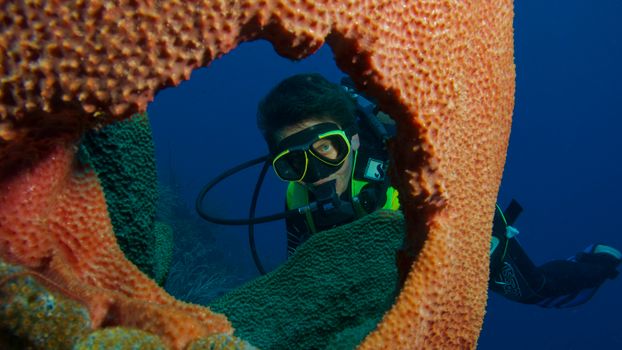
- The Signature Dive: Mary’s Place. This is a legendary volcanic crevice. You drop down into a narrow, deep fissure that cuts through the reef wall. As you drift through the shadows, look up to see sunlight streaming through giant black corals, tube sponges, and schools of glassy sweepers.
- Pro-Tip: To dive Mary's Place without the cruise ship crowds, book with a small, local shop in West End (like Roatan Divers) and request a 7:00 AM departure. The cruise ship buses don't arrive at the docks until 9:30 AM.
---
3. Belize: Beyond the Overhyped Blue Hole
When people think of Belize, they think of the Great Blue Hole. Let’s be honest: the Blue Hole is an amazing geological wonder, but as a dive, it’s mostly a dark, deep pit with a few stalactites. The real magic of Belize lies in its outer atolls.
Turneffe Atoll and Lighthouse Reef
These are pristine coral rings separated from the mainland by deep ocean basins. Because they are far from coastal runoff, the water clarity here regularly exceeds 100 feet.
- The Secret Spot: Half Moon Caye Wall. This is hands-down one of the best wall dives on the planet. The reef flat is covered in soft, waving sea plumes that suddenly give way to a vertical drop-off. The wall is packed with giant barrel sponges, and you are almost guaranteed to be escorted by friendly Caribbean reef sharks and eagle rays gliding effortlessly along the abyss.
- The Vibe: Stay on Caye Caulker. It’s a car-free island where the official motto is "Go Slow." You can eat fresh-caught grilled lobster on the beach for $15 USD and walk to your dive boat barefoot.
---
4. The Pacific Wilds: Costa Rica and Panama’s Jurassic Parks
While the Caribbean side of Central America offers calm, crystal-clear reef diving, the Pacific side is a wild, adrenaline-fueled playground that rivals Australia’s Coral Sea.
Cocos Island, Costa Rica: The Hammerhead Highway
Located 340 miles off the Pacific coast of Costa Rica, Cocos Island is a rugged, jungle-clad volcanic rock that looks like it belongs in Jurassic Park. Under the water, it is a swirling vortex of pelagic life.
- The Experience: This is advanced, drift diving at its finest. You will hook onto submerged volcanic pinnacles in roaring currents while hundreds of scalloped hammerhead sharks form massive schools overhead. You’ll also share the water with tiger sharks, Galapagos sharks, and massive manta rays.
- The Budget Alternative: If a $5,000 liveaboard to Cocos is out of reach, head to Playas del Coco on the mainland. You can take day trips to the Bat Islands (Islas Murciélago) to dive with massive, curious bull sharks in raw, unprotected water.
Coiba National Park, Panama: The Untamed Frontier
Coiba was once a brutal penal colony, which inadvertently kept the surrounding waters completely pristine and free from development. Today, it is a UNESCO World Heritage site and a biological corridor connecting to the Galapagos.
- The Diving: Expect massive bait balls, schools of mobula rays, and whale sharks feeding on plankton blooms. The water is nutrient-rich, meaning visibility can vary, but the sheer volume of fish life is staggering.
- Pro-Tip: Skip the long, expensive day trips from Santa Catalina. Instead, book a multi-day rustic stay at the park ranger station on Coiba Island. You'll get to dive before the day-boats arrive and watch wild scarlet macaws fly over the beach at sunset.
---
5. The Financial Reality: Why Your Wallet Will Thank You
Let’s look at the hard numbers. A diving holiday in Australia is a luxury investment. A diving holiday in Central America can easily be a budget-friendly reality.
```
+--------------------------------------------------------------------------------+
| 7-DAY BUDGET COMPARISON: CAIRNS VS. WEST END ROATAN |
+-----------------------------------+--------------------+-----------------------+
| Expense | Cairns, Australia | West End, Roatan |
+-----------------------------------+--------------------+-----------------------+
| 10-Dive Package (incl. gear) | $1,100 USD | $350 USD |
| 6 Nights Accommodation (Mid-range)| $900 USD | $450 USD |
| Meals & Drinks (Daily average) | $75 USD ($450 total)| $25 USD ($150 total) |
| Marine Park / Conservation Fees | $120 USD | $10 USD |
| TOTAL ESTIMATED COST | $2,570 USD | $960 USD |
+-----------------------------------+--------------------+-----------------------+
```
In Central America, you can get certified (PADI Open Water) for under $350 USD, including materials and gear rental. In Australia, expect to pay upwards of $600 to $800 USD for the same certification, often in crowded pools rather than the warm ocean.
---
6. Micro-Communities and Conservation: The Insider Vibe
One of the most compelling reasons to choose Central America over Australia right now is the human element.
In Australia, dive operations are heavily corporate. You are a number on a manifest. In Central America, you become part of a tight-knit, passionate community of ocean protectors.
Active Coral Restoration
In places like Roatan and Bonaire, local dive shops aren't just taking you to see the reef; they are actively rebuilding it. Organizations like the Roatan Marine Park run coral nurseries where you can get certified as a Reef Rescue Diver. You'll spend your dives cleaning coral trees and outplanting staghorn coral onto degraded sections of the reef.
The Lionfish Hunt
The invasive Indo-Pacific lionfish is a major threat to Caribbean reefs. In Central America, local authorities allow licensed divers to hunt them with pole spears (Hawaiian slings). Many dive shops will take you out for a "Lionfish Derby" dive. Afterward, you’ll head to a local beach bar where the chef will clean your catch and turn it into the freshest, lime-cured ceviche you’ve ever tasted. It’s conservation that tastes delicious.
---
7. The Logistics: How to Make It Happen
Ready to trade the sterile Australian catamarans for the raw, vibrant soul of Central America? Here is everything you need to know to plan your trip.
Quick Facts & Logistics
- Best Time to Visit:
- Caribbean Coast (Belize, Honduras, Cozumel): March to August. This offers the calmest seas, highest visibility, and the arrival of whale sharks in Utila (March-April).
- Pacific Coast (Costa Rica, Panama): December to May (dry season) for the easiest sea conditions, or June to November (wet season) for the highest concentrations of pelagic megafauna like humpback whales and hammerheads.
- How to Get There:
- Roatan (RTB): Direct flights from Miami, Houston, and Atlanta.
- Belize (BZE): Direct flights from major US hubs, followed by a cheap water taxi to Caye Caulker or San Pedro.
- Cocos Island/Coiba: Fly into San Jose, Costa Rica (SJO) or Panama City (PTY), followed by overland transfers arranged by your liveaboard or dive operator.
- What to Pack: A lightweight 3mm wetsuit is perfect for the Caribbean (water temps average 82°F / 28°C). For the Pacific, pack a 5mm wetsuit with a hood, as deep-water thermoclines can drop the temperature down to 65°F / 18°C.
---
The Verdict: The Tide Has Turned
The Great Barrier Reef will always hold a legendary place in diving history, but the golden age of Australian diving has passed. Between the ecological strain of warming waters and the soaring costs of visiting, it has become an exclusive, often underwhelming destination for the average diver.
Central America offers something that money can't buy in Australia anymore: soul.
It’s the thrill of giant eagle rays cruising past a reef wall while you dive with a local guide who knows every green moray eel by name. It’s the joy of returning to a beach shack where your feet are in the sand, your beer is ice-cold, and your dive bill for the week doesn't require a second mortgage.
Stop dreaming about the Great Barrier Reef. Pack your gear, head south of the border, and experience the best diving on the planet right now.
---