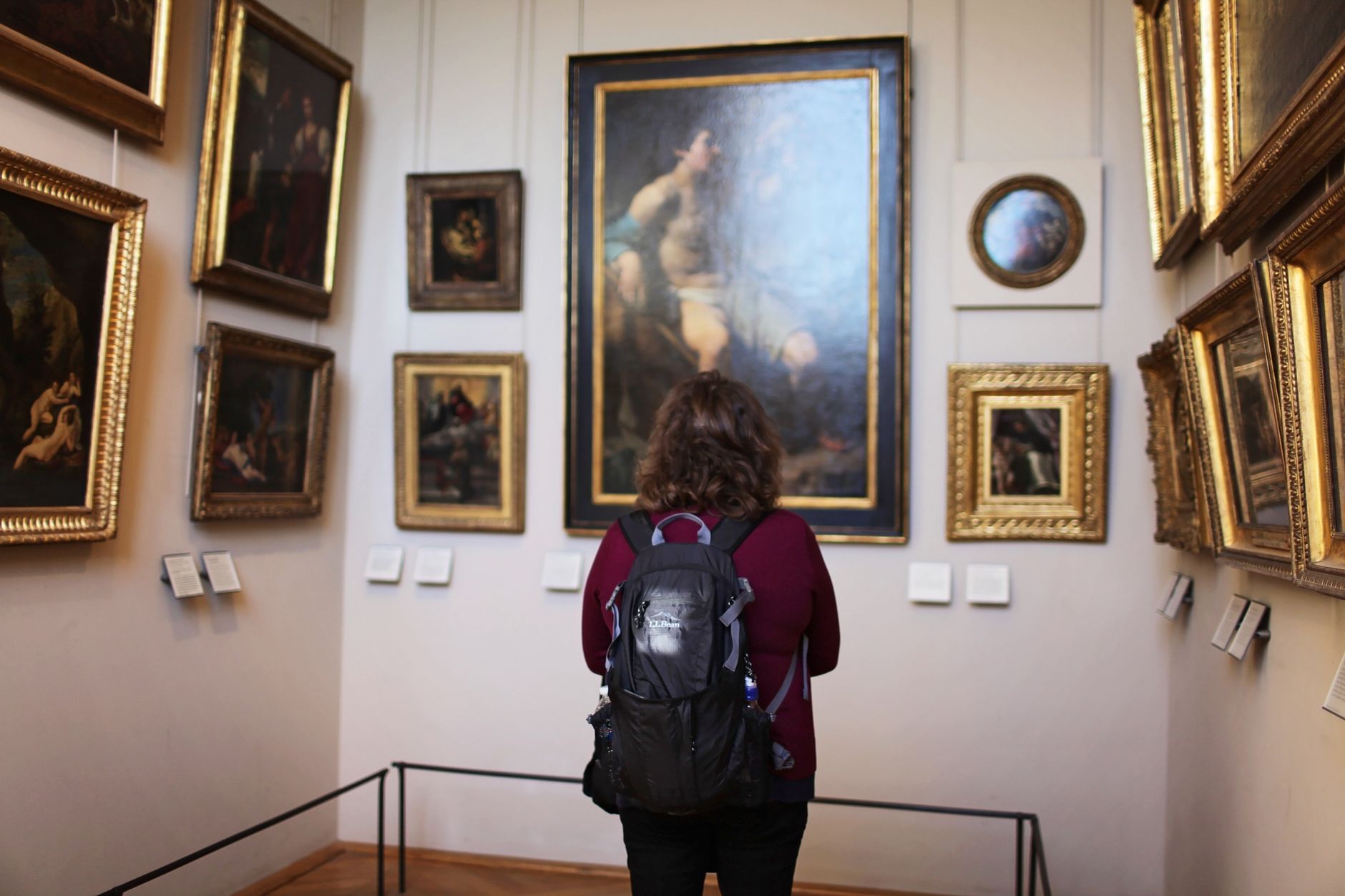
Few museums attract as many visitors as the most famous collections in the world's largest cities. Long queues, crowded galleries, and timed-entry systems can make a visit feel rushed. Many cities, however, hold outstanding collections that are equally rewarding and tend to be less crowded. Whether a museum is "better" is a matter of personal taste, but a visit to a less busy institution can offer more space for looking, reading, and reflecting. This guide suggests some alternatives and explains how to plan them well.
Why crowds shape the experience
Crowds affect more than comfort. In very busy galleries, travelers may spend much of their time moving with a group and viewing works from behind other visitors. Popular works can attract concentrated attention, while the surrounding collection receives less notice. Smaller museums often allow longer, quieter engagement and a chance to discover works that are not on every guide's list.
Crowding also varies by season, weekday, and time of day. Early mornings, late openings, and weekday afternoons can be quieter at many institutions, though this is not guaranteed.
Strong alternatives in Europe
In Amsterdam, the Rijksmuseum is a major national museum with extensive Dutch Golden Age paintings, and it draws large numbers of visitors, but the museum offers many galleries that can be explored at a slower pace. In Paris, the Musée d'Orsay focuses on art from the mid-nineteenth to early twentieth century and is known for its Impressionist and Post-Impressionist works. The Musée de l'Orangerie holds Monet's large water lily paintings in oval rooms, and the Musée Rodin offers sculpture in a garden setting. In Madrid, the Prado is famous, but nearby institutions such as the Reina Sofia also present modern and contemporary art.
In Vienna, the Kunsthistorisches Museum holds a large collection of European paintings, and its rooms can be explored at a relaxed pace outside busy periods. Stockholm's National Museum is known for Swedish and European art and design. These examples show that many European capitals have deep collections beyond the most visited names.
Alternatives beyond Europe
Mexico City's National Museum of Anthropology is a large institution that presents archaeological and ethnographic material from across Mexico, with exhibitions organized around regions and cultures. Its scale can be overwhelming, but a focused plan helps. In Doha, the Museum of Islamic Art is known for its architecture and collection of objects from across the Islamic world. Smaller city museums in Asia, Africa, and the Americas often hold regionally important collections that repay a slower visit. Local museums frequently provide better context for the history of their cities than a general international collection.
Planning a museum visit that feels unhurried
Check the museum's current opening hours, closure days, and whether timed entry is required. Many institutions now sell tickets online for specific time slots, and booking ahead can prevent wasted time at the entrance. Look at the floor plan in advance and pick a few galleries or themes to prioritize rather than attempting to see everything. Allow time for breaks, and consider a museum café or a walk in the surrounding area.
Audio guides, printed maps, and guided tours can add interpretation. Many museums also offer free or low-cost introductory tours, which are useful for understanding a collection's history. If you enjoy a particular period or artist, research the museum's holdings beforehand so you can plan which rooms to visit.
Making the most of a crowded city
Even in cities with famous museums, you can reduce crowds by visiting the least popular galleries first and returning to the highlights later. Many visitors gather in the same rooms, so exploring side wings and secondary collections can feel quite different. Check whether a museum has late-opening evenings, which sometimes attract fewer people than daytime hours.
Respect the rules of each institution, including photography policies, bag restrictions, and guidance on touching or getting close to works. Museum staff and guards can answer questions and suggest quieter areas.
Practical tips
- Check opening hours, closure days and timed-entry requirements before you travel.
- Book tickets online for popular museums, and arrive within the time window you select.
- Look at the floor plan and choose a few galleries to prioritize.
- Consider weekday mornings or late openings for quieter visits.
- Use audio guides or guided tours to add context to unfamiliar collections.
- Plan breaks and keep in mind that large museums can be tiring.
Common mistakes to avoid
A frequent error is judging a museum by its reputation alone, rather than by whether its collection suits your interests. Another is leaving the less famous galleries until the end of the day, when energy is low and attention has faded. Some visitors plan a tight schedule that moves between several museums across a city, leaving no time for transit or a pause. Others arrive with no plan at all and wander aimlessly, which can make even a quiet museum feel tiring. Expecting a reliably quiet visit on any particular day is also risky, because school groups, temporary exhibitions and public holidays can change the atmosphere quickly. Picking two or three areas that genuinely interest you, and building in a rest, usually leads to a more satisfying visit.
Who this suits and who it doesn't
Smaller and less visited museums often suit art and history enthusiasts who like to look slowly and read labels, and families who prefer shorter visits with clear themes. They can also suit travelers who want to explore a city beyond its most famous attractions. They are less suitable for people who want a complete survey of a celebrated collection in a single visit, or for first-time visitors who want to see the best-known works. Those with limited mobility should check whether a building has step-free routes, lifts and seating before planning a long visit. Travelers who enjoy the energy of a busy museum may find that a quieter institution feels too still for their taste.
Frequently asked questions
Are less famous museums really worth the time?
Often, particularly if your interests match their collections. They can offer more room to look and to read, although their scope may be narrower than that of a large national institution.
Do I need to book in advance?
Many larger museums recommend booking time slots, especially for special exhibitions. Smaller institutions may not require it. Check the official website for current rules before you travel.
Can I take photographs?
Policies differ between museums and between galleries within the same building. Look for signs, follow staff guidance and avoid flash or touching works where restrictions apply.
Choosing a less crowded museum does not mean settling for less. Many cities hold collections that are outstanding in their own right and that offer more room to look carefully. With some planning around timing, tickets, and priorities, a museum visit can feel focused and rewarding, whatever the city and whichever institution you choose.