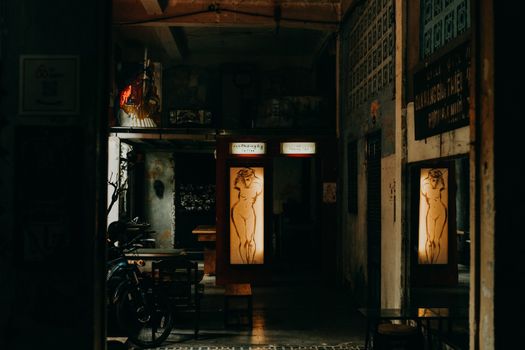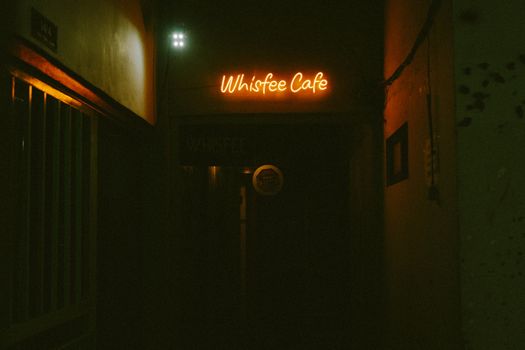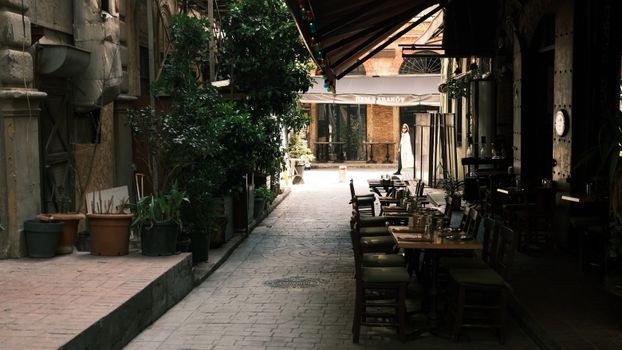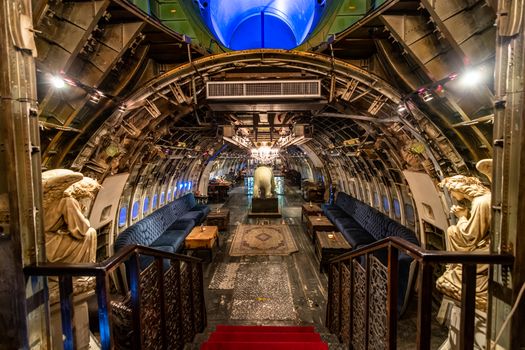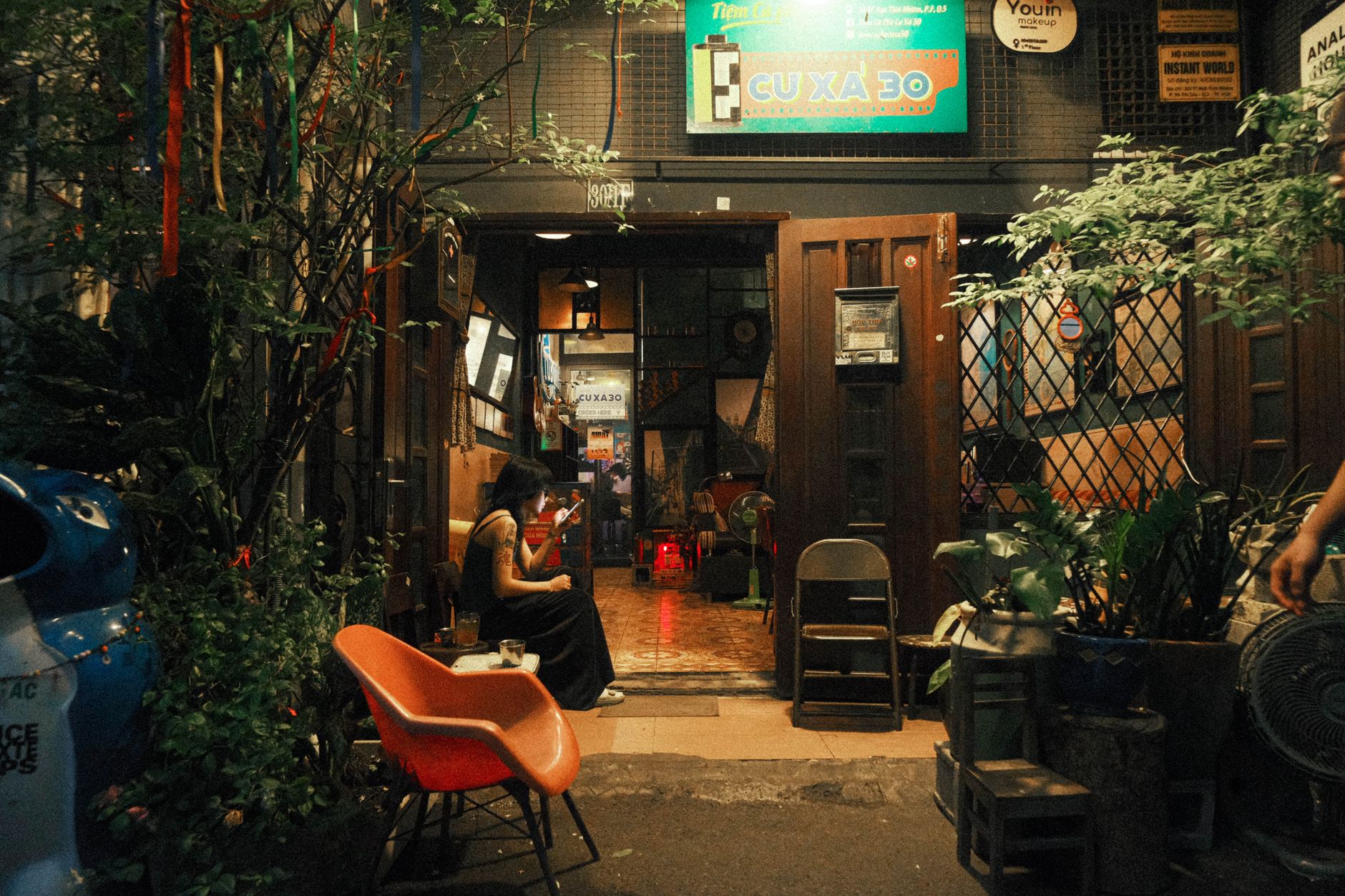
Hidden bars have become a feature of nightlife in many cities. Some are tucked behind bookshop shelves, reached through telephone booths, down basement stairs or through unmarked doors on quiet streets. Their appeal lies partly in the sense of discovery, and partly in the cocktail craft and atmosphere they often offer. Because these venues rely on limited signage, finding them can require planning, and their details can change. This guide explains how such bars usually operate, how to find them responsibly and what visitors should expect once they arrive.
How hidden bars usually operate
Hidden bars, sometimes called speakeasies or underground bars, typically keep a low public profile. They may have no sign, a discreet entrance or a reservation-only policy. Some use a host to greet guests at the door, and others expect you to book in advance through a website or messaging service. The style of drinks varies, but many focus on craft cocktails, carefully sourced spirits and staff who take time to explain their menu.
The concept is not new. Prohibition-era bars in some countries operated discreetly for legal reasons, and the modern version draws on that tradition for atmosphere rather than necessity. Today, the appeal is often about design, service and an intimate setting.
Finding them through reliable sources
The most reliable way to find a hidden bar is through established sources. Official tourism websites, reputable city guides, bar awards lists and local drinks writers often feature well-run venues. Hotel concierges and local bartenders can also make recommendations. Be cautious with social media posts, which may be out of date, geotagged inaccurately or promoted without context. Check that a venue's address, booking details and opening arrangements are current before you go.
Many venues list their details on their own websites or through booking platforms. Reading recent reviews can help you understand whether the bar is still operating in the same way.
Booking and entry
Reservations are common for hidden bars, particularly on weekends and in small venues with limited seating. Booking ahead can also help you confirm opening days, which may differ from standard bar hours. Some places operate a walk-in policy at the door, but wait times can be long, and entry may depend on capacity and dress standards. Arrive on time for a reservation and follow the host's instructions.
Check whether there is a minimum spend, a cover charge or a service fee, and whether the venue has a cancellation policy. Clarify these details when you book.
Etiquette and expectations
Hidden bars often have a relaxed but considered atmosphere. Dress codes may be stated, and some venues prefer smart casual clothing. Keep voices at a moderate level, respect the staff and other guests and avoid photographing people without permission. Many bartenders appreciate it when guests explain what they enjoy and are open to suggestions. Tipping practices vary by country, so check local norms.
Drink responsibly. Cocktails can be stronger than they appear, and it is sensible to pace your drinks, eat something and plan your journey home before you start. Keep your belongings secure and let someone know where you are if you are out alone.
Safety and local rules
Follow local licensing and opening-hour rules, which vary considerably between countries and cities. Some venues operate under licences that restrict age, music or late opening. Be aware that entering a venue that appears unlicensed or that does not give clear information about its status is not advisable. If you feel uncomfortable at any point, leave and seek help from staff or a trusted contact.
Plan transport for the end of the evening. Some neighbourhoods may have limited late-night transport, so check options in advance and keep a taxi or ride-hailing app available.
Practical tips
- Use official tourism sites, established guides and recent reviews to find hidden bars, and check details before you go.
- Book in advance, especially for weekends, and confirm the opening arrangements.
- Ask about minimum spend, cover charges and dress codes when booking.
- Arrive on time, follow the host's instructions and respect the venue's style.
- Pace your drinks, eat beforehand and arrange transport home early.
- Be cautious with unlicensed or unclear venues, and leave if something feels wrong.
Common mistakes to avoid
A common error is turning up without a reservation and expecting to be seated quickly, particularly on busy evenings. Booking in advance avoids disappointment and helps the venue plan its service. Another mistake is ordering the strongest or most expensive drink first, when bartenders often suggest a lighter option to start. Guests sometimes forget to mention allergies or dietary needs, which can be difficult to accommodate at short notice in a small venue. Sharing the exact location of a hidden bar on social media is also unwise, since the venue may prefer a discreet, low-profile setting. Finally, photographing staff or other guests without permission can cause discomfort, so ask before taking any pictures. Showing respect for the room's rhythm tends to bring better service.
Who this suits and who it doesn't
Hidden bars suit cocktail enthusiasts, people who enjoy quiet conversation and those who appreciate skilled service and carefully made drinks. Small groups who want an unhurried evening often find the intimate setting more enjoyable than a busy bar. These venues may be less suitable for people who want loud music or dancing, families with children, and anyone who avoids alcohol altogether, as non-alcoholic choices can be limited. Travelers who find enclosed, dimly lit spaces uncomfortable may prefer a brighter venue. If you are unsure whether a venue suits your plans, check its style and atmosphere in recent reviews or on its official listing before booking. Groups should agree on how they will order and split costs before arriving, which keeps the evening relaxed.
Quick questions
Do you always need to book?
Not always, but reservations are often advisable, especially at weekends or in small rooms. Walk-in policies vary, so confirm before you travel across town.
Is a non-alcoholic option usually available?
Many bars offer mocktails or soft drinks, though the range can be smaller than in conventional venues. Ask staff when you arrive or check the menu in advance.
What if the address you found seems wrong?
Do not enter a venue that appears unlicensed or unclear. Check the official listing, a reputable guide or the venue's booking page before you go.
Hidden bars can add a sense of discovery to a night out, offering skilled cocktails and a more intimate atmosphere than many conventional bars. The best experiences come from planning ahead, respecting house rules and choosing venues that are open about who they are. With current information and sensible habits, finding one can be part of the fun of exploring a city after dark.