The Great Kiwi Illusion: Why You Don’t Need a Passport This Spring
I stepped off the small puddle-jumper in Port Angeles, and for a split second, my brain glitched. The air didn’t smell like Washington State; it smelled like the damp, ancient breath of Fiordland. It was the scent of crushed ferns, wet cedar, and that crisp, ozone-heavy mist that clings to your lungs. I watched a Roosevelt elk emerge from a curtain of Sitka spruce, and if a Hobbit had strolled out behind it, I wouldn’t have blinked.
For years, we’ve been told that if you want "epic," you have to cross an ocean. But something shifted this spring. Whether it’s the rise of "slow travel" or the literal blooming of our own backyard, American landscapes are trending in a way I haven't seen in a decade. We are finally realizing that the jagged peaks and turquoise glacial lakes we double-tap on Instagram aren't exclusive to the South Island.
Here are the seven American landscapes that rival New Zealand, currently dominating the spring trend reports.
1. The Hoh Rainforest, Washington: The Real-Life Fangorn Forest
If you’ve ever dreamed of walking through the moss-draped forests of the Lord of the Rings films, the Hoh Rainforest on the Olympic Peninsula is your pilgrimage site. In spring, the "Big Leaf" maples are waking up, and the greenery is so vibrant it looks like the saturation has been turned up to 200%.
- The Vibe: Primeval, hushed, and dripping with life.
- Why it Rivals NZ: It mirrors the temperate rainforests of the West Coast of New Zealand (think Haast or Hokitika).
- Pro-Tip: Everyone flocks to the "Hall of Mosses," but if you want the "insider" experience, hike three miles in on the Hoh River Trail. You’ll reach the "One Square Inch of Silence"—one of the quietest places in the United States, designated by acoustic ecologists.
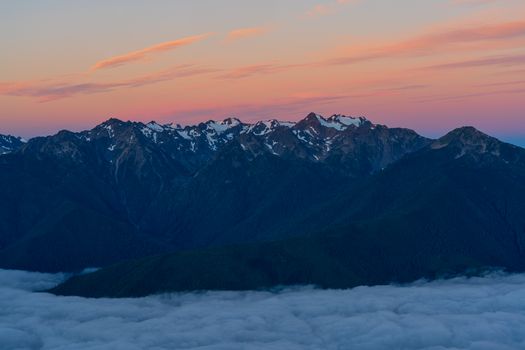
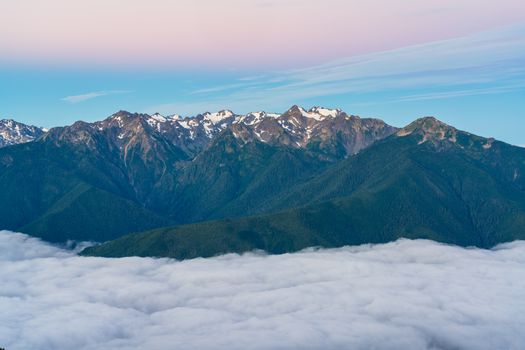
2. North Cascades National Park, Washington: The "American Alps"
New Zealand’s Southern Alps are legendary, but the North Cascades are their long-lost twin. This is the most glaciated area in the Lower 48. In late spring, the North Cascades Highway (Highway 20) finally reopens, offering access to views that will make your jaw hit the floor.
- The Vibe: Sharp, unforgiving peaks and water so blue it looks like Gatorade.
- Why it Rivals NZ: Diablo Lake. The glacial flour (fine silt) suspended in the water creates a turquoise hue identical to Lake Tekapo or Lake Pukaki.
- Pro-Tip: Skip the crowded overlooks. Head to the Thunder Knob Trail. It’s a moderate 3.6-mile round trip that gives you a panoramic view of the turquoise water framed by the jagged Sourdough Mountain.
3. Grand Teton National Park, Wyoming: The Jagged Giants
The Southern Alps’ Mount Cook has a serious rival in the Grand Tetons. These mountains don’t have foothills; they just erupt out of the valley floor. In spring, the valley is a sea of yellow balsamroot and purple lupine, while the peaks remain draped in a heavy cloak of winter snow.
- The Vibe: High-altitude drama and Wild West spirit.
- Why it Rivals NZ: The sheer verticality. Like the Remarkables in Queenstown, the Tetons provide a jagged backdrop that feels almost two-dimensional in its perfection.
- Pro-Tip: For the best "Middle Earth" shot, go to Mormon Row at 6:30 AM. The rising sun hits the peaks (the "Alpenglow") while the historic wooden barns provide the perfect foreground scale.
4. The San Juan Mountains, Colorado: Alpine Perfection
If New Zealand is the land of the long white cloud, the San Juans are the land of the high-altitude high. This range in Southwest Colorado is home to Telluride and Ouray (the "Switzerland of America").
- The Vibe: Victorian mining charm meets rugged alpine basins.
- Why it Rivals NZ: The Ice Lakes Basin. The water here is a deep, electric blue that you usually only see in the Southern Alps’ glacial tarns.
- Pro-Tip: The "hidden entrance" to the best views isn't hidden—it's just steep. Drive the Million Dollar Highway between Silverton and Ouray, but pull off at the Bear Creek Falls pullout. Most people just look at the falls; you should look up at the towering quartzite cliffs that look exactly like the gates of Argonath.
5. Watkins Glen State Park, New York: The Shire of the East
New Zealand’s gorges are world-famous, but the Finger Lakes region of New York has a secret. Watkins Glen is a series of 19 waterfalls tucked into a narrow limestone gorge.
- The Vibe: Ethereal, wet, and architecturally stunning.
- Why it Rivals NZ: It feels like a mix of the Coromandel Peninsula’s lushness and the dramatic rock formations of the Punakaiki Pancake Rocks.
- Pro-Tip: Visit on a Tuesday or Wednesday at opening hour (typically 8 AM). The "Cavern Cascade" is a narrow bridge that goes behind a waterfall. If you’re there alone, the acoustics are hauntingly beautiful.
6. Kenai Fjords, Alaska: Milford Sound’s Big Brother
If you want the scale of Milford or Doubtful Sound, you have to head north. Kenai Fjords is where the ice age still lingers. This spring, glacier cruises are seeing record bookings as travelers seek out the raw power of calving ice.
- The Vibe: Epic, cold, and humbling.
- Why it Rivals NZ: The fjords. Steep-walled valleys carved by glaciers and filled with seawater, teeming with whales and puffins.
- Pro-Tip: Don’t just take the big catamaran. Book a guided kayak tour of Aialik Bay. Being at water level when a piece of ice the size of a house falls into the ocean is a sensory experience no cruise ship can match.
7. Big Sur, California: The Coastal Rival
New Zealand’s Highway 6 along the Tasman Sea is often called the world's best coastal drive. California’s Highway 1 through Big Sur is the American retort.
- The Vibe: Bohemian, misty, and grand.
- Why it Rivals NZ: The dramatic meeting of redwood forests and the Pacific Ocean. The cliffs at McWay Falls drop directly into a turquoise cove, a scene mirrored in the remote bays of the Abel Tasman National Park.
- Pro-Tip: The "secret" spot for spring wildflowers is Garrapata State Park. The Calla Lily Valley blooms in early spring (March/April), creating a white carpet that leads directly to the crashing surf.
*
Quick Facts: Logistics & Budget
| Destination | Best Time (Spring) | Est. Daily Cost ($) | Closest Major Airport | NZ Equivalent |
| :--- | :--- | :--- | :--- | :--- |
| Hoh Rainforest | May | $150 | Seattle (SEA) | Fiordland/Milford |
| North Cascades | Late June | $120 | Seattle (SEA) | Southern Alps |
| Grand Tetons | June | $200 | Jackson Hole (JAC) | The Remarkables |
| San Juans, CO | June | $180 | Montrose (MTJ) | Mount Aspiring |
| Watkins Glen | May | $130 | Ithaca (ITH) | Coromandel Gorges |
| Kenai Fjords | May/June | $300 | Anchorage (ANC) | Milford Sound |
| Big Sur | April | $250 | San Jose (SJC) | Abel Tasman |
*
The Verdict: Why Now?
The reason these American landscapes are trending this spring isn't just about saving money on airfare. It's about a shift in travel philosophy. We are moving away from "destination collection" and toward "experience immersion."
When you stand at the base of the Grand Tetons or feel the spray of a waterfall in Watkins Glen, the geography doesn't care what passport you hold. The moss is just as soft, the air just as thin, and the water just as blue as anything you'll find in the Southern Hemisphere.
This spring, go local. The "American Alps" are calling, and they don't require a customs declaration form.
*