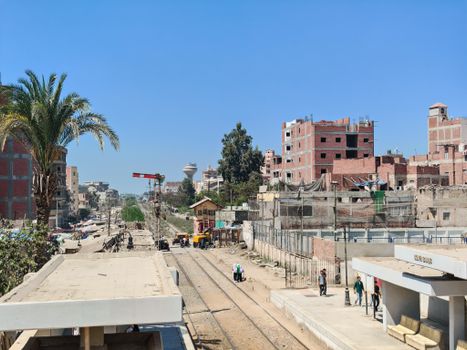
The Hook: A Dawn Awakening in Kigali
I stepped off the plane in Kigali, Rwanda, not entirely sure what to expect. The air, crisp and clean even at dawn, carried the faint scent of eucalyptus and something subtly floral. It was the quiet hum of a city waking, not the chaotic roar I'd braced myself for. As the taxi glided smoothly along pristine, tree-lined boulevards, I noticed the spotless streets, the absence of litter, and the sleek, modern architecture interspersed with traditional Rwandan design. This wasn't just a city; it was a statement. A statement that whispered, "We've arrived." And in that moment, I knew my preconceived notions about African urban development were about to be gloriously shattered.
Beyond the Headlines: Africa's Urban Renaissance
For too long, the narrative surrounding African cities has been one of struggle and unmet potential. While challenges undeniably exist, the reality on the ground is a dynamic, rapidly evolving landscape. This year, several African metropolises are not just catching up; they are, in terms of specific development markers, innovation, and quality of life improvements, demonstrably surpassing many of Europe's so-called "emerging" destinations. We're talking about cities that are embracing technology, investing heavily in sustainable infrastructure, and fostering vibrant, forward-thinking communities. This isn't about a few skyscrapers; it's about a holistic leap forward that's reshaping the global urban map.
Kigali, Rwanda: The Green Jewel of East Africa
Kigali, often dubbed "the safest and cleanest city in Africa," is a prime example of this transformative growth. My first impression of its immaculate streets and efficient public transport system was just the tip of the iceberg. The city's commitment to environmental sustainability is palpable. Plastic bags are banned, recycling initiatives are widespread, and green spaces are meticulously maintained.
Pro-Tips for Kigali:
- Visit the Kigali Genocide Memorial: A profoundly moving and essential experience that offers deep insight into Rwanda's resilience. Go early (around 9 AM) to allow ample time for reflection.
- Explore Kimironko Market: Immerse yourself in the vibrant chaos of local commerce. Don't be afraid to haggle respectfully for beautiful woven baskets and vibrant fabrics.
- Indulge in a Rooftop Dinner: Many hotels offer stunning panoramic views of the city. The ambiance, especially at sunset, is truly magical.
- Embrace "Umuganda": If you're there on the last Saturday of the month, participate in this national day of community service. It's a powerful way to connect with locals.
Quick Facts: Kigali, Rwanda
| Aspect | Details |
| :------------- | :------------------------------------------------------------------- |
| Currency | Rwandan Franc (RWF) |
| Estimated | $50 - $150 per day (mid-range traveler) |
| Best Time | Dry Seasons: June to August, December to February |
| How to Get There | Kigali International Airport (KGL) with connections from major global hubs. |
Nairobi, Kenya: The Silicon Savannah's Buzzing Heartbeat
Nairobi is a city that pulses with an energy unlike any other. Known as the "Silicon Savannah," it's a hub for technological innovation and entrepreneurship, boasting a thriving startup scene that rivals many in Europe. The city is a fascinating blend of the ultra-modern and the deeply traditional, with gleaming office towers standing alongside bustling markets.
What Makes Nairobi Shine:
- Tech Ecosystem: Nairobi is a leader in mobile money (M-Pesa) and is at the forefront of fintech and agritech solutions. You'll find co-working spaces buzzing with bright minds and innovation labs.
- Green Spaces: Despite its urban density, Nairobi offers surprising pockets of nature. The Nairobi National Park, right on the city's doorstep, is a unique urban wildlife sanctuary.
- Culinary Scene: From upscale restaurants serving fusion cuisine to the iconic "nyama choma" (grilled meat) joints, Nairobi's food scene is diverse and exciting.
Pro-Tips for Nairobi:
- Visit iHub: A renowned innovation hub that fosters collaboration among tech enthusiasts. Attend a public event if you can.
- Day Trip to Nairobi National Park: Aim for an early morning game drive (7 AM) to maximize wildlife sightings and avoid the midday heat.
- Explore Karen Blixen Museum: Learn about the author of "Out of Africa" in her former home, offering a glimpse into colonial Kenya.
- Experience a Local "Choma" Experience: Ask your hotel or a trusted local for recommendations on authentic nyama choma restaurants.
Quick Facts: Nairobi, Kenya
| Aspect | Details |
| :------------- | :------------------------------------------------------------------- |
| Currency | Kenyan Shilling (KES) |
| Estimated | $60 - $180 per day (mid-range traveler) |
| Best Time | Dry Seasons: June to October, January to February |
| How to Get There | Jomo Kenyatta International Airport (NBO) with extensive international connections. |
Accra, Ghana: The Resilient Spirit and Vibrant Culture
Accra, the capital of Ghana, embodies a spirit of resilience and a vibrant cultural tapestry that's increasingly drawing global attention. The city's infrastructure is rapidly modernizing, with new roads, improved public transport, and a growing number of contemporary buildings. But it's the infectious energy of its people and its rich history that truly captivate.
Accra's Developing Edge:
- Economic Hub: Ghana's stable democracy and growing economy have made Accra a significant West African business and financial center.
- Cultural Richness: From the historic Jamestown district with its colonial architecture and bustling fishing harbor to the colorful street art and lively music scene, Accra is a feast for the senses.
- Hospitality: Ghanaians are renowned for their warmth and welcoming nature, making visitors feel instantly at home.
Pro-Tips for Accra:
- Walk through Jamestown: Explore the colorful fishing community, vibrant street art, and the historic lighthouse. Best experienced in the late afternoon light.
- Visit the Kwame Nkrumah Mausoleum: Pay homage to Ghana's first president, a pivotal figure in African independence.
- Sample "Jollof Rice": No trip to Accra is complete without trying this iconic West African dish. Ask locals for their favorite spot.
- Experience the Nightlife: Accra comes alive after dark with music venues, rooftop bars, and lively street food stalls.
Quick Facts: Accra, Ghana
| Aspect | Details |
| :------------- | :------------------------------------------------------------------- |
| Currency | Ghanaian Cedi (GHS) |
| Estimated | $50 - $160 per day (mid-range traveler) |
| Best Time | Dry Seasons: November to March |
| How to Get There | Kotoka International Airport (ACC) with good international links. |
Addis Ababa, Ethiopia: A Skyward Ascent of Ambition
Addis Ababa, the diplomatic capital of Africa, is a city undergoing a dramatic transformation. Its ambitious infrastructure projects, including a modern light rail system and new expressways, are testament to its forward-looking vision. The city's elevation also contributes to its unique, crisp atmosphere.
Addis Ababa's Growth Story:
- Strategic Importance: As the seat of the African Union and numerous international organizations, Addis Ababa is a crucial political and economic hub.
- Modern Infrastructure: The Addis Ababa Light Rail is one of Africa's first modern light rail systems, easing congestion and connecting key areas.
- Cultural Melting Pot: The city offers a rich blend of historical sites, like the National Museum and Holy Trinity Cathedral, alongside a burgeoning contemporary art and culinary scene.
Pro-Tips for Addis Ababa:
- Ride the Light Rail: It's an efficient and affordable way to navigate the city and offers great views. Try it during off-peak hours (10 AM - 2 PM) for a less crowded experience.
- Visit the National Museum of Ethiopia: Home to "Lucy," the 3.2-million-year-old hominid fossil.
- Explore the Mercato: One of Africa's largest open-air markets. Be prepared for sensory overload and keep your valuables secure.
- Savor Ethiopian Coffee: Experience a traditional coffee ceremony, a deeply ingrained cultural ritual.
Quick Facts: Addis Ababa, Ethiopia
| Aspect | Details |
| :------------- | :------------------------------------------------------------------- |
| Currency | Ethiopian Birr (ETB) |
| Estimated | $40 - $120 per day (mid-range traveler) |
| Best Time | Dry Season: October to June |
| How to Get There | Bole International Airport (ADD) is a major African aviation hub. |
The New Global Urban Paradigm
These cities – Kigali, Nairobi, Accra, Addis Ababa – are not just emerging; they are leading. They are demonstrating a capacity for rapid, sustainable development, embracing innovation, and creating vibrant urban experiences that are increasingly drawing comparisons, and often surpassing, what we see in many European emerging markets. This isn't about a singular metric; it's about a holistic advancement in infrastructure, technology, quality of life, and a palpable sense of optimism and progress.
As a seasoned traveler, I've learned that the most exciting destinations are often the ones that defy expectations. This year, the future of urban exploration is undeniably African. Pack your bags, open your mind, and get ready to be amazed by the cities that are truly defining the next wave of global development.