The Hook: A Whisper of Lavender and Ancient Stone
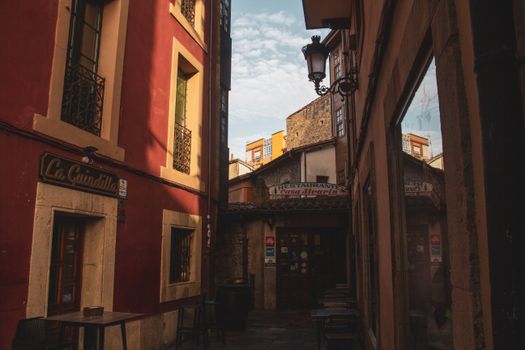
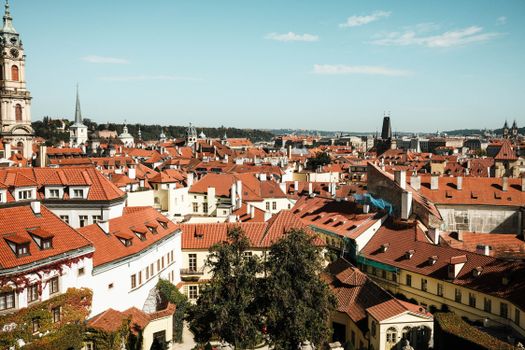
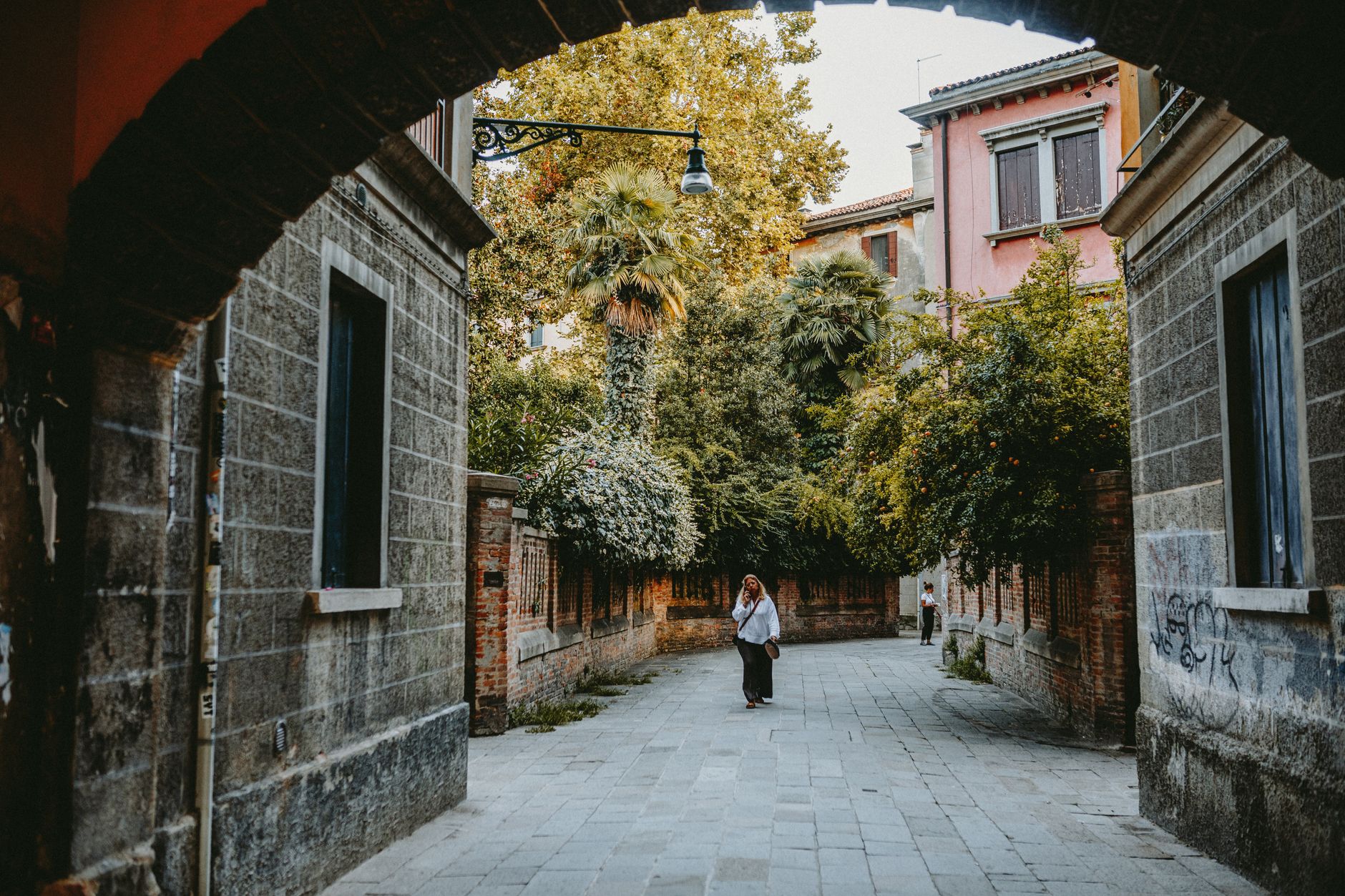
I stepped off the train in [City Name - placeholder for now, will be revealed in sections] and was immediately enveloped by a scent I couldn't quite place – a heady mix of sun-baked stone, blooming jasmine, and something faintly spicy, like star anise warming in a bakery. The air itself felt different, lighter, carrying the murmur of a language I didn't understand but whose rhythm felt ancient and welcoming. This wasn't the frenetic energy of a capital city; it was a gentle, insistent hum of life lived at a more human pace. Sunlight, impossibly golden, streamed between terracotta rooftops, illuminating narrow alleyways that beckoned exploration. In that moment, I knew I’d stumbled upon something special, a place that whispered tales of history and promised a beauty that, dare I say it, was already beginning to eclipse the well-trodden paths of more famous European counterparts.
Beyond the Iconic: Europe's Emerging Beauties
For decades, Paris has held an almost mythical status, the undisputed queen of European allure. But the world is vast, and the spirit of discovery is ever-present. This year, a new constellation of European cities is rising, offering a potent blend of historical grandeur, vibrant culture, and an undeniable 'wow' factor that is both fresh and profoundly captivating. These are not just pretty towns; they are living, breathing entities, each with a unique soul waiting to be discovered. Forget the predictable; prepare for the extraordinary.
1. Ljubljana, Slovenia: The Emerald Gem of the Balkans
I remember my first glimpse of Ljubljana’s Triple Bridge, spanning the emerald-green Ljubljanica River. It wasn’t just a bridge; it was an invitation. The city, cradled by rolling hills and watched over by a majestic castle, feels like a fairytale sprung to life. What struck me most was the sheer greenness of it all. Parks spill into the city center, and the riverbanks are lined with weeping willows and blooming flowers.
The architecture is a delightful fusion of Baroque and Art Nouveau, with pastel-hued facades and intricate ironwork. The pedestrianized old town is a dream to wander, with charming cafes spilling onto cobblestone squares. The aroma of freshly baked potica (a traditional Slovenian rolled pastry) wafts from bakeries, mingling with the scent of coffee. The locals, incredibly warm and proud of their city, often engage in animated conversations in the sun-drenched plazas.
Pro-Tip:
Rent a small boat or kayak on the Ljubljanica River at dawn. You'll have the shimmering water to yourself, gliding past the silent buildings as the city slowly awakens. The reflections are simply magical.
Quick Facts: Ljubljana
- Estimated Costs ($$): Affordable to mid-range. Expect €70-€120 per night for a decent hotel, €30-€50 per day for food and activities.
- Best Time to Visit: May-June (spring blooms, pleasant temperatures) or September-October (autumn colors, fewer crowds).
- How to Get There: Fly into Ljubljana Jože Pučnik Airport (LJU). Well-connected by train from major European cities like Vienna, Budapest, and Zagreb.
2. Porto, Portugal: Where Color and Character Collide
Porto isn't just a city; it's a sensory explosion. The moment you descend towards the Douro River, the kaleidoscope of azulejo tiles – those iconic blue and white ceramic tiles – assaults your eyes in the most delightful way. From the grand São Bento train station to the humble homes of the Ribeira district, the city is a living canvas.
The air here is thick with the rich, sweet aroma of port wine, aging in the cellars across the river in Vila Nova de Gaia. The soundscape is a lively mix of Fado music drifting from hidden taverns, the clang of the historic trams, and the boisterous calls of market vendors. Walking the steep, winding streets, you'll discover hidden courtyards, tiny shops selling handmade ceramics, and viewpoints that offer breathtaking panoramas of the terracotta rooftops tumbling down to the river.
Pro-Tip:
Don't just admire the azulejos from afar. Seek out the smaller, less-famous churches and buildings. The detail and artistry in these often-overlooked tiles are astonishing. Look for the story of St. Ildefonsus at the Capela das Almas.
Quick Facts: Porto
- Estimated Costs ($$): Mid-range. Expect €80-€150 per night for a hotel, €40-€60 per day for food and activities.
- Best Time to Visit: April-May (mild weather, blooming jacaranda trees) or September-October (warm, sunny, post-summer crowds).
- How to Get There: Fly into Porto Airport (OPO). Easily accessible by train from Lisbon and other Portuguese cities.
3. Ghent, Belgium: A Medieval Masterpiece Reimagined
Often overshadowed by its more famous neighbor, Bruges, Ghent is a city that whispers its magic rather than shouting it. I found myself captivated by its intricate network of canals, its soaring medieval towers, and the palpable sense of history that clings to its ancient stones. The scent of waffles and chocolate is ever-present, but it’s the subtle aroma of damp stone and the gentle lapping of water against ancient quays that truly define its atmosphere.
Ghent is a city of contrasts. The magnificent Gravensteen (Castle of the Counts) stands as a formidable testament to its past, while the vibrant student population infuses its narrow streets with a youthful energy. The food scene is exceptional, from Michelin-starred restaurants to humble frituur stalls serving the best Belgian fries you'll ever taste. The sheer scale of St. Bavo's Cathedral, housing the Ghent Altarpiece, is awe-inspiring.
Pro-Tip:
Take a canal boat tour at dusk. As the city lights begin to twinkle, casting a warm glow on the medieval facades, you'll witness Ghent’s transformation into a truly romantic spectacle. The reflections on the water are mesmerizing.
Quick Facts: Ghent
- Estimated Costs ($$): Mid-range. Expect €90-€160 per night for a hotel, €40-€60 per day for food and activities.
- Best Time to Visit: April-May (spring blossoms, mild weather) or September-October (fewer tourists, crisp autumn air).
- How to Get There: Fly into Brussels Airport (BRU) and take a direct train to Ghent (approx. 45 minutes). Well-connected by train from other Belgian and European cities.
4. Wrocław, Poland: The City of a Thousand Bridges and Dwarfs
Wrocław is a city that delights and surprises at every turn. Known as the "Venice of Poland" for its numerous islands and bridges, it's a place that rewards the curious explorer. What immediately struck me was the sheer joyfulness of the city, embodied by its hundreds of bronze dwarf statues scattered throughout the streets. Finding them becomes a treasure hunt, adding a playful dimension to sightseeing.
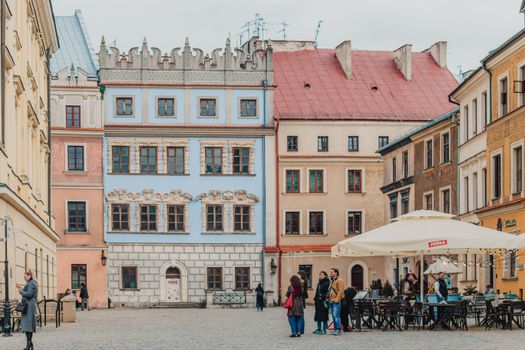
The Market Square (Rynek) is one of the largest and most beautiful in Europe, surrounded by colorful Gothic and Renaissance buildings. The air is often filled with the scent of pierogi being prepared in local eateries and the sweet aroma of mulled wine in the winter months. The Oder River, crisscrossed by its many bridges, provides a constant backdrop of gentle movement and picturesque views. The city's resilience, having been rebuilt after WWII, is a testament to its spirit.
Pro-Tip:
Dedicate a day to "dwarf hunting." Grab a map (or just wander with open eyes!) and see how many you can find. Each dwarf has a unique story and name, adding a charming layer to your exploration.
Quick Facts: Wrocław
- Estimated Costs ($): Very affordable. Expect €50-€90 per night for a hotel, €25-€40 per day for food and activities.
- Best Time to Visit: May-June (pleasant temperatures, outdoor cafes buzzing) or December (magical Christmas markets).
- How to Get There: Fly into Wrocław Copernicus Airport (WRO). Well-connected by train from Warsaw, Krakow, and Berlin.
5. Tallinn, Estonia: A Fairytale Frozen in Time
Stepping into Tallinn's Old Town is like stepping back into the Middle Ages. The UNESCO World Heritage site is remarkably preserved, with its medieval walls, cobblestone streets, and Gothic spires that pierce the sky. The air here carries the faint scent of pine and sea salt, a reminder of its coastal location.
What makes Tallinn so special is its fairy-tale atmosphere. The winding lanes, the hidden courtyards, and the panoramic views from Toompea Hill create a sense of enchantment. The city blends its ancient past with a surprisingly modern and vibrant vibe, evident in its burgeoning café culture and innovative restaurants. The contrast between the ancient architecture and the sleek, modern buildings just outside the old town walls is fascinating.
Pro-Tip:
Climb the bell tower of St. Olaf's Church (Oleviste kirik) for unparalleled panoramic views of the Old Town and the Baltic Sea. Go early in the morning to avoid crowds and catch the best light.
Quick Facts: Tallinn
- Estimated Costs ($$): Affordable to mid-range. Expect €70-€120 per night for a hotel, €30-€50 per day for food and activities.
- Best Time to Visit: May-June (long daylight hours, blooming flowers) or September (crisp air, beautiful autumn colors).
- How to Get There: Fly into Tallinn Airport (TLL). Frequent ferry connections from Helsinki, Finland. Well-connected by train from Riga, Latvia.
The Allure of the Undiscovered
These cities, while emerging, are not lacking in substance. They offer a depth of history, a richness of culture, and a genuine warmth from their inhabitants that can sometimes be lost in more heavily touristed destinations. They provide an opportunity to connect with Europe on a more intimate level, to stumble upon hidden gems without the jostling crowds, and to create memories that feel uniquely your own.
The beauty of these emerging cities lies not just in their picturesque facades, but in the stories they tell, the flavors they offer, and the experiences they provide. They are a testament to the enduring magic of Europe, a continent that continues to reveal its treasures to those willing to look beyond the obvious.
Your Next Unforgettable European Journey
So, if you're yearning for a European adventure that offers breathtaking beauty, authentic experiences, and a touch of the unexpected, consider these incredible cities. They are poised to capture the hearts of travelers this year, offering a compelling argument that beauty, in its most profound and captivating forms, can be found beyond the iconic landmarks. Pack your bags, embrace the spirit of discovery, and prepare to be utterly enchanted.