The wind whipped around me, carrying the scent of pine and a whisper of forgotten stories. Below, a dizzying chasm opened up, once bridged by an engineering marvel, now a breathtaking skywalk. I stood on the Kinzua Bridge Skywalk in rural Pennsylvania, a place where a monumental railway viaduct had literally crumbled, only to be resurrected as an awe-inspiring testament to nature’s power and human ingenuity. It wasn't the Colosseum, nor the Eiffel Tower; it was something far more profound – a place that had died and been reborn, a hidden gem still waiting for its moment in the mainstream spotlight.
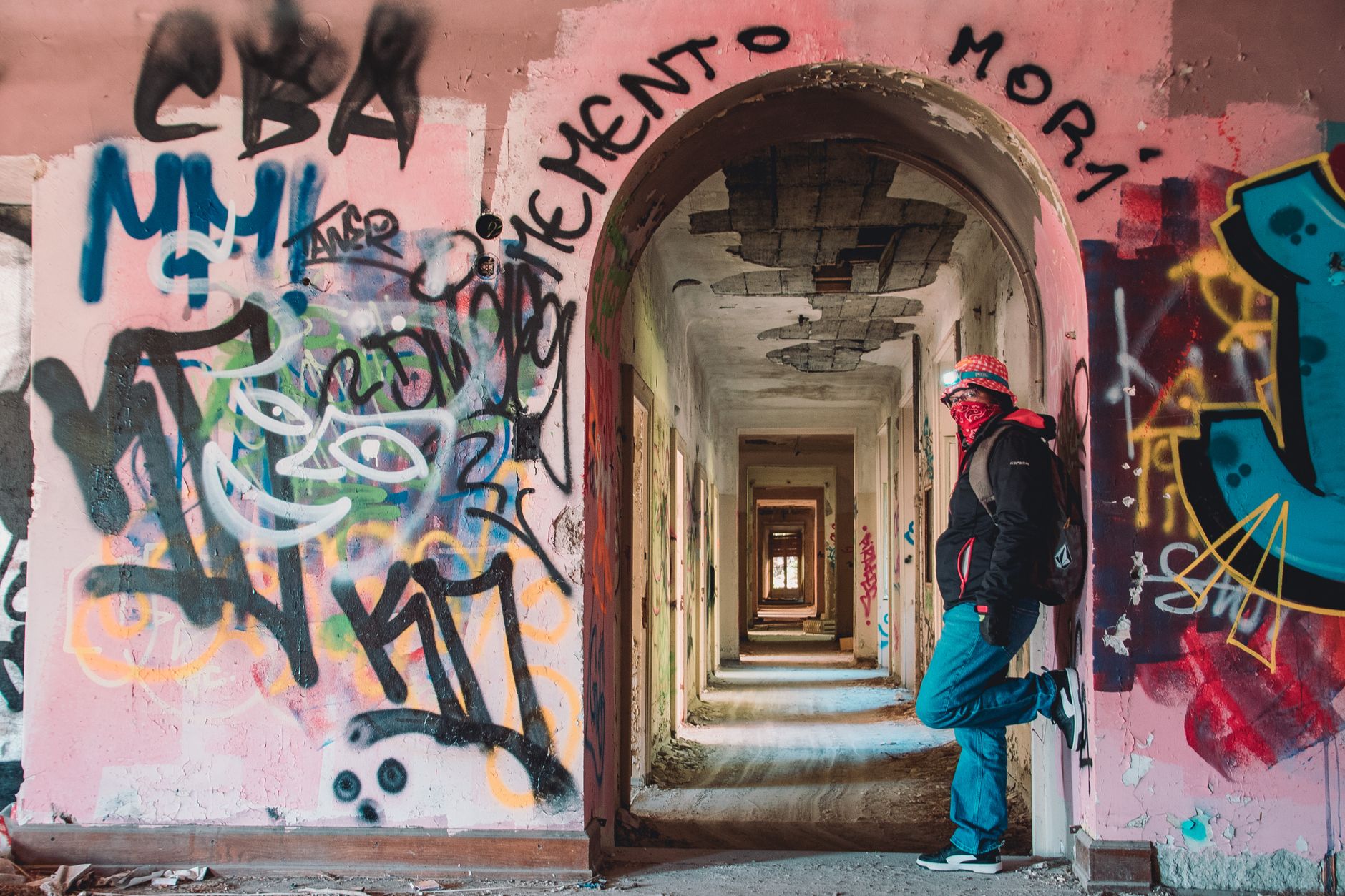
That feeling, that thrill of discovering a place before the masses descend, is what fuels my wanderlust. We all crave authentic experiences, a connection to history that isn't filtered through souvenir shops and selfie sticks. And for me, that often means seeking out abandoned places – not just for their haunting beauty, but for the incredible stories of transformation they hold. These aren't just ruins; they're canvases where nature reclaims, artists create, and history is reinterpreted.
This isn't about trespassing or disrespecting decaying structures. This is about celebrating the pioneers who are carefully, respectfully, and often painstakingly turning forgotten corners of our world into unique, legal, and utterly captivating tourist attractions. These are the places you’ll want to visit now, to experience their raw authenticity, to capture their untold stories, and to share their magic before they become another checkbox on everyone’s travel list.
Ready to dive into the beautiful decay and inspiring rebirth? Let's explore some of my absolute favorite abandoned places that are just hitting their stride as must-see attractions.
The Allure of the Forgotten: Why We Seek Out Abandoned Wonders
There’s a primal draw to abandoned spaces. Is it the mystery? The silence? The chance to glimpse a world paused in time? For me, it's all of the above, plus the irresistible pull of history. Every crumbling wall, every rusted artifact, every overgrown path tells a story. But the true magic happens when these stories are not just preserved but reimagined. When an old factory becomes an art gallery, a defunct railway a scenic trail, or a forgotten fort a stage for cultural events – that's when a place truly transcends its abandonment.
These transformed sites offer a unique blend of urban exploration (urbex), historical immersion, and natural beauty. They challenge our perceptions of what a "tourist attraction" can be, often providing a more intimate, reflective, and profoundly moving experience than their well-trodden counterparts. They are, in essence, a whispered secret shared between curious travelers and the places themselves.
1. Kinzua Bridge State Park, Pennsylvania, USA: The Skywalk to History
Location:
Mount Jewett, Pennsylvania, USA
Approx. Cost: Free park entry, small fee for some events/gift shop.
Getting There: Best by car. Located off US Route 6.
My first encounter with the Kinzua Bridge was through photographs, but nothing prepared me for the sheer scale and ingenuity of it in person. Originally built in 1882, the Kinzua Viaduct was once the world's longest and tallest railroad bridge. A true engineering marvel, it spanned a deep valley, carrying trains high above the treetops. Then, in 2003, a devastating tornado ripped through the valley, tearing down 11 of its 20 massive towers. What remained was a heartbreakingly beautiful, twisted metal skeleton, a testament to the storm's power.
Instead of tearing it all down, Pennsylvania State Parks made a brilliant decision: they repurposed the remaining structure into the Kinzua Bridge Skywalk. Walking out onto the deck, which extends 600 feet into the valley, you can literally stand at the edge of the break, looking down through a glass-bottomed section at the mangled steel wreckage 225 feet below. It's an incredible blend of awe, melancholy, and respect for nature's force.
My Experience:
I remember the crisp autumn air, the vibrant fall foliage painting the valley in fiery hues. Standing on that glass floor, my heart pounded, a mix of exhilaration and a profound sense of history. It wasn't just a view; it was an immersive historical lesson. The visitor center offers a fantastic exhibit on the bridge's history, its construction, and the tornado that reshaped its destiny. There are also hiking trails that lead down into the valley, allowing you to get up close to the fallen towers – a truly humbling experience.
Tripsora Tip:
Visit in early autumn for spectacular fall foliage. Wear comfortable shoes if you plan to hike the trails beneath the skywalk. Photography opportunities are endless, from wide-angle shots of the entire structure to close-ups of the rusted iron against the vibrant natural backdrop. This is a perfect road trip stop, offering a unique blend of engineering history and natural beauty. Don't forget to check out the nearby small towns for local charm and food.
2. The Great Orme Mines, Llandudno, Wales: Ancient Echoes Beneath the Surface
Location:
Llandudno, Conwy, Wales, UK
Approx. Cost: Adults ~£10, Children ~£7 (check current prices online).
Getting There: Easily accessible from Llandudno town center by foot, car, or the Great Orme Tramway.
Imagine stepping back 4,000 years, into a time when metal was as precious as gold, and mining was done with primitive tools and sheer determination. That's exactly what you get at the Great Orme Mines. Discovered accidentally in 1987 during a road widening scheme, these are the largest prehistoric copper mines in the world, dating back to the Bronze Age. For centuries, they lay abandoned, hidden beneath the surface of the Great Orme headland.
Today, parts of the mines have been carefully excavated and opened to the public, offering a fascinating glimpse into ancient human ingenuity. You can explore a network of tunnels and cavernous chambers, seeing firsthand how our ancestors extracted copper ore.
My Experience:
The first thing that struck me was the sheer scale of the operation, achieved without any modern machinery. Crawling through some of the narrower passages, feeling the cool, damp air, I imagined the miners, perhaps children, working by the flickering light of a tallow lamp. The self-guided tour with audio commentary is excellent, bringing the history to life. The highlight for me was the huge cavern, lit dramatically, showcasing the immense effort involved. It's dark, a little eerie, but utterly captivating.
Tripsora Tip:
Wear sturdy shoes and be prepared for cool temperatures underground, even on a warm day. If you're claustrophobic, some sections might be a bit tight, but there are alternative routes. Combine your visit with a trip up the Great Orme via the historic tramway or cable car for stunning coastal views. This is an incredible educational experience for all ages and a true hidden gem for history buffs.
3. Bannerman Castle, Pollepel Island, New York, USA: A Hudson River Fairytale Ruin
Location:
Pollepel Island, Hudson River, New York, USA (near Beacon and Cold Spring)
Approx. Cost: Boat tour packages vary, typically $35-$50 per person (includes boat ride and island tour).
Getting There: Accessible only by guided boat tour from Beacon or Newburgh.
Cruising up the majestic Hudson River, the sight of Bannerman Castle emerging from the mist is pure magic. It looks like something out of a European fairytale, a sprawling, half-ruined Scottish-style castle perched dramatically on a small island. But this isn't a medieval fortress; it was once the private arsenal and residence of Francis Bannerman VI, a Scottish immigrant who became a successful military surplus dealer in the late 19th and early 20th centuries. He built this incredible structure, designed to look like a castle, to store his vast collection of military equipment.
After Bannerman's death, a series of fires and structural collapses (including a massive explosion in 1918 that destroyed much of the arsenal) left the castle in ruins. For decades, Pollepel Island was abandoned, a beautiful, haunting enigma. Now, thanks to the Bannerman Castle Trust, the island is accessible via guided boat tours, allowing visitors to explore the grounds, learn its incredible history, and witness the ongoing preservation efforts.
My Experience:
The boat ride itself is part of the adventure, offering stunning views of the Hudson Highlands. As we approached the island, the castle seemed to grow out of the rock, a romantic silhouette against the sky. Walking among the ruins, hearing the stories of Bannerman and his eccentric vision, was captivating. You can see remnants of the various structures, including the residence, the arsenal, and even the gardens. It’s a photographer’s dream, with dramatic arches, crumbling walls, and the river as a constant backdrop.
Tripsora Tip:
Tours book up quickly, especially on weekends, so reserve your tickets well in advance. Check the Bannerman Castle Trust website for schedules and departure points. Wear comfortable shoes suitable for walking on uneven terrain. Pack a picnic to enjoy on the island, taking in the serene river views. This is a fantastic day trip from NYC, combining history, nature, and a touch of gothic romance.
4. Sarajevo's Olympic Bobsled Track, Bosnia & Herzegovina: A Canvas of Forgotten Glory
Location:
Mount Trebević, near Sarajevo, Bosnia & Herzegovina
Approx. Cost: Free to explore, but consider hiring a local guide (highly recommended for context and safety, ~€20-€50).
Getting There: Short taxi ride from Sarajevo city center, or a longer, scenic hike up Mount Trebević.
For many, Sarajevo brings to mind the tragic siege of the 1990s. But before that, in 1984, it hosted the Winter Olympics, a moment of immense pride for Yugoslavia. One of the most iconic relics of those games is the bobsled and luge track on Mount Trebević. After the Olympics, the track fell into disuse and, tragically, became a frontline position during the siege, riddled with bullet holes and used by snipers.
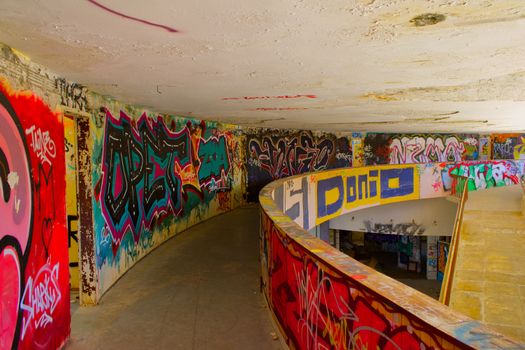
Today, the track stands as a haunting, beautiful monument to both glory and conflict. It's not officially "repurposed" in the traditional sense, but it has organically become an open-air art gallery and a powerful symbol. Local and international street artists have transformed its concrete curves into a vibrant, ever-changing canvas of graffiti and murals.
My Experience:
Hiking up Trebević, the air grew cooler, and the city sounds faded. Suddenly, through the trees, the concrete snake of the track appeared, winding its way down the mountain. The silence was profound, broken only by the rustle of leaves. Walking along the track, tracing its curves, I was struck by the raw beauty of the art covering every surface. Each piece told a story, some political, some whimsical, all adding layers to the already poignant history. It felt like exploring a secret museum, a testament to human resilience and creativity amidst decay.
Tripsora Tip:
While generally safe, this is still an abandoned site. Stick to well-worn paths and be aware of your surroundings. Hiring a local guide offers invaluable historical context and ensures you navigate safely. Respect the site and the art – leave no trace. Combine your visit with a ride on the Trebević Cable Car for incredible panoramic views of Sarajevo. This is a powerful, thought-provoking experience that offers a unique perspective on Sarajevo's past and present.
5. Pyramiden, Svalbard, Norway: The Ghost of the Arctic
Location:
Pyramiden, Svalbard archipelago, Norway (high Arctic)
Approx. Cost: Multi-day tours from Longyearbyen can range from €300 - €1000+ per person, depending on duration and activities (boat, snowmobile, overnight stays).
Getting There: Exclusively by guided tour from Longyearbyen (boat in summer, snowmobile in winter).
This one is for the truly adventurous, those who dream of exploring a frozen time capsule at the edge of the world. Pyramiden is a former Soviet mining settlement in Svalbard, a Norwegian archipelago in the high Arctic. It was once a thriving, utopian community, complete with a swimming pool, gymnasium, theater, and even a bust of Lenin. In 1998, its Russian owners abruptly abandoned it, leaving everything behind.
For years, Pyramiden stood frozen and untouched, a perfect example of an urban ghost town. Now, a small team from the Russian state-owned Arcticugol company (who still technically own it) maintains a few buildings and offers guided tours, carefully curating the experience for visitors. It's a surreal journey into a perfectly preserved Soviet-era settlement, slowly being reclaimed by the Arctic wilderness.
My Experience:
Stepping off the boat onto the shore of Pyramiden was like entering a dream. The silence was absolute, save for the crunch of gravel underfoot and the cry of Arctic birds. Our guide, a gruff but endearing Russian, led us through empty apartment blocks, the sports hall, and the cultural center, where a grand piano still stood on stage. The most striking image was the "world's northernmost Lenin bust," staring out over the empty main square. It was cold, desolate, and utterly captivating – a profound meditation on geopolitics, human ambition, and the relentless march of time. And yes, we saw a polar bear from a distance, adding to the wild, untamed feel.
Tripsora Tip:
This is an expensive and logistically challenging trip, but absolutely worth it for the unique experience. You must go with an authorized tour operator from Longyearbyen. Dress in extreme layers – the Arctic weather is unpredictable. Be prepared for basic accommodations if you choose an overnight stay. Respect the rules of the guides; this is a wild environment and a fragile historical site. This is the ultimate "before mainstream" adventure for those seeking an unparalleled journey into the past.
6. Kuldīga's Subterranean Labyrinth, Latvia: A Hidden World Beneath the Cobblestones
Location:
Kuldīga, Kurzeme Region, Latvia
Approx. Cost: Cellar tours vary, usually €5-€15 per person, often combined with other local experiences.
Getting There: Kuldīga is best reached by car or bus from Riga (approx. 2 hours).
Kuldīga is one of Latvia's most charming and historic towns, famous for its picturesque old town and Europe's widest waterfall, Ventas Rumba. But beneath its cobbled streets lies another secret: a vast network of ancient cellars and tunnels. These subterranean spaces, some dating back to the medieval period, were once used for storage, brewing, and even as hideouts during times of conflict. Many of them fell into disuse and were forgotten over centuries.
Today, local enthusiasts and entrepreneurs are slowly breathing new life into these abandoned cellars. Some have been carefully restored and transformed into unique shops, art spaces, wine cellars, or even small museums. Others remain largely untouched, offering atmospheric guided tours that delve into Kuldīga's hidden history.
My Experience:
I stumbled upon a small sign offering "Cellar Tours" while exploring Kuldīga's charming streets. Intrigued, I joined a small group led by a passionate local guide. Descending into the cool, stone-lined passages, I felt an immediate connection to the town's past. We explored several different cellars, each with its own story – one still housed ancient barrels, another displayed archaeological finds, and a third had been converted into a cozy artisan workshop. It was a delightful blend of history, local culture, and a touch of mystery.
Tripsora Tip:
Ask at the local Kuldīga Tourism Information Centre about available cellar tours and what's currently open. Many are small, independently run operations, so flexibility is key. Combine your underground exploration with a stroll through the beautiful old town, a visit to the Ventas Rumba waterfall, and sampling local culinary delights. Kuldīga is a perfect destination for those who love charming towns with a rich, hidden history.
Practical Tips for the Urbex-Curious Traveler
Venturing into abandoned or partially abandoned spaces requires a certain mindset and adherence to safety and ethical guidelines. These aren't theme parks, and responsible tourism is paramount.
- Safety First, Always:
- Research Thoroughly: Understand the history, current state, and any known dangers of the site.
- Go with a Guide: For truly abandoned or remote locations (like Pyramiden or parts of the bobsled track), a local guide is invaluable for safety, navigation, and historical context.
- Never Go Alone: If exploring a less structured site, always have a companion.
- Check Legality: Ensure you have permission or that the site is legally accessible to the public. Trespassing is not cool and can be dangerous.
- Watch Your Step: Floors can be unstable, debris can be sharp, and hidden hazards abound. Wear sturdy, closed-toe shoes with good grip.
- Bring a Light: A headlamp or powerful flashlight is essential for dark areas, even if you think there might be ambient light.
- Leave No Trace, Take Only Photos:
- Respect the Site: Do not remove anything, do not vandalize, do not disturb wildlife. These places are historical artifacts.
- Pack It In, Pack It Out: Don't leave any trash behind.
- Respect Private Property: If a site is on private land, do not enter without explicit permission.
- Gear Up:
- Comfortable & Sturdy Shoes: Non-negotiable.
- Appropriate Clothing: Layers, long sleeves/pants to protect against scrapes and changing temperatures.
- Camera Gear: A wide-angle lens is often great for capturing expansive spaces.
- Water & Snacks: Especially for remote or longer explorations.
- First-Aid Kit: Basic supplies for minor cuts or scrapes.
- Power Bank: Keep your phone charged for navigation and photos.
- Embrace the Story:
- Read Up: Learn about the history of the place before you go. It will deepen your appreciation.
- Listen to Local Voices: Guides often have personal stories or unique insights that enrich the experience.
- Be Patient: Take your time to absorb the atmosphere, imagine the past, and appreciate the present transformation.
The Next Frontier of Travel Awaits
These transformed abandoned places offer a profound journey into history, resilience, and human creativity. They are more than just destinations; they are experiences that challenge, inspire, and connect us to stories often overlooked. By visiting them now, responsibly and respectfully, you become part of their ongoing narrative, helping to support the visionaries who are giving them a new lease on life.
So, ditch the predictable, embrace the unexpected, and embark on an adventure that will fill your camera roll with unique shots and your heart with unforgettable memories. Which forgotten wonder will you uncover next? Share your finds and inspire fellow Tripsora adventurers!