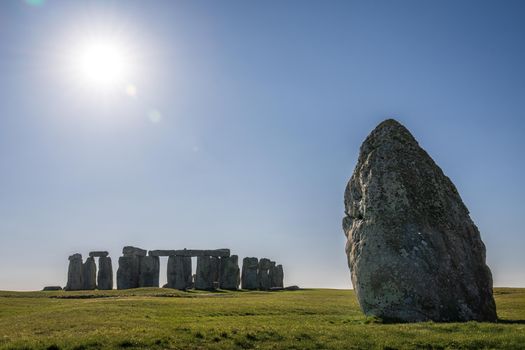
The air crackles with anticipation, the days stretch long and golden, and a primal hum reverberates through ancient lands. It’s summer solstice, the longest day of the year, a moment when the sun reigns supreme, fertility is celebrated, and the veil between worlds feels thin. For centuries, cultures across the globe have marked this astronomical turning point with bonfires, feasts, dances, and rituals.
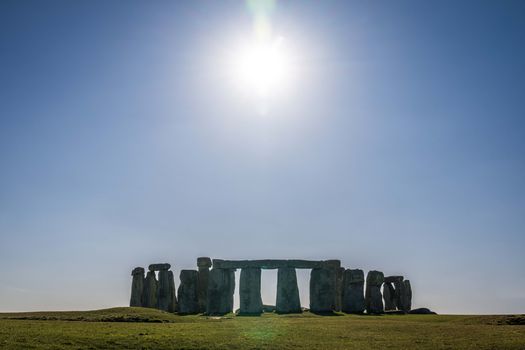
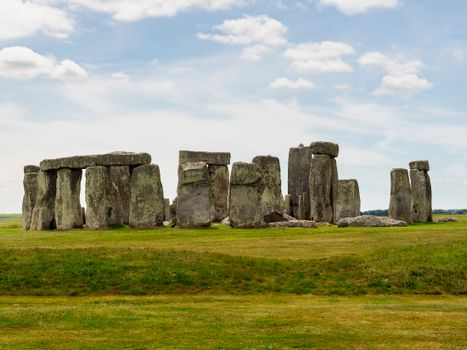
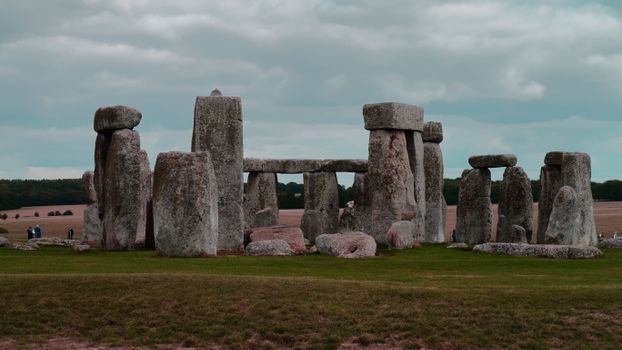
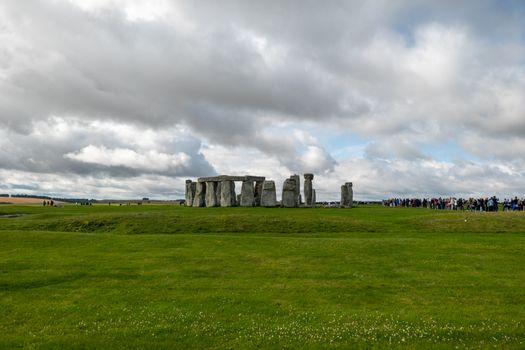
But let’s be honest. If your idea of a solstice celebration involves battling crowds at Stonehenge or navigating Instagram influencers at a popular European festival, you’re missing the point. I’ve been there, done that, and while iconic sites have their charm, the true magic of midsummer lies in the places where traditions still breathe, untouched by commercialism and the relentless march of mass tourism.
My journey to uncover these hidden gems began a few years ago, after a particularly underwhelming experience at a "traditional" midsummer festival that felt more like a themed amusement park. I packed my bags, determined to find the real deal – the authentic, the obscure, the celebrations that still belonged to the people who kept them alive. What I discovered changed the way I travel forever. This isn't just about seeing something; it's about feeling it, participating in it, and connecting with a culture on its own terms.
This guide isn't for the faint of heart, or for those who prefer five-star resorts and pre-booked tours. This is for the curious, the adventurous, the soul-seekers who crave genuine connection. If you're ready to peel back the layers and experience summer solstice before it becomes another mainstream hashtag, read on.
The Soul of Solstice: Why Go Off-Grid?
Before we dive into specific locations, let’s talk about why this matters. The summer solstice, typically around June 20th or 21st in the Northern Hemisphere (and December in the Southern), is more than just a date on the calendar. It’s a powerful moment of renewal, abundance, and light. Historically, it marked the peak of the growing season, a time for gratitude and forecasting the harvest. Pagan traditions celebrated the Sun God, fertility, and the power of nature.
When these sacred traditions become mass-marketed events, they often lose their essence. The subtle nuances, the deeply personal rituals, the quiet reverence – all can be drowned out by souvenir stalls, amplified music, and the sheer volume of people. Going off-grid isn't just about avoiding crowds; it's about finding the heart of the celebration. It’s about sharing a meal with locals who invite you into their homes, learning a folk dance from a grandmother, or witnessing a ritual performed with generations of sincerity, not for tourist cameras.
This authentic immersion offers a unique perspective on a destination. You're not just observing; you're participating in a living cultural heritage. And trust me, those are the travel stories that truly stick with you – the ones that can’t be bought or replicated.
Nordic Nymphs and Midnight Suns: Unveiling Scandinavian Secrets
While Sweden's Midsommar is famous (and often crowded), the vastness of the Nordic region holds countless smaller, equally enchanting celebrations. Forget Stockholm’s open-air museums; let’s head north.
My Anecdote: The Finnish Archipelago's Juhannus
My most profound Nordic solstice experience wasn't in mainland Sweden, but on a tiny, almost anonymous island in the Finnish archipelago. I’d taken a series of local ferries, hopping from island to island, until I found myself in a small village on Pellinge. There, the local Juhannus (Midsummer) was a truly communal affair. Instead of a massive public bonfire, each family or small cluster of homes had their own, meticulously built kokko.
I was invited to join a family gathering through a chance encounter at the local shop. We spent the day foraging for birch branches and wildflowers to decorate their cottage and sauna. As the sun dipped, but never truly set, we gathered around their kokko, singing old Finnish songs (which I mostly hummed along to), eating grilled makkara (sausages) and fresh potatoes with dill, and sharing stories. The air was thick with woodsmoke, the scent of birch, and a profound sense of peace. Later, we took turns in the smoke sauna, then plunged into the cool Baltic Sea under the pale, ethereal glow of the midnight sun. It was raw, real, and utterly magical.
How to Find Your Own Nordic Gem:
* Locations: Look beyond the capitals. Explore smaller islands in the Finnish or Åland archipelagos, or head to the more remote parts of Norway’s fjords or Sweden's Lake Siljan region (though some parts of Siljan can be busy, its smaller villages retain charm). Even northern Estonia's islands offer similar, less-known Jaanipäev (Midsummer) celebrations.
* What to Expect: Bonfires (kokko or midsommarstång), flower crowns (DIY is best!), traditional folk dancing (often spontaneous), sauna rituals, swimming in lakes/sea, simple, delicious food (new potatoes, herring, strawberries), and a deep appreciation for the endless daylight.
* Getting There: Public transport (buses, local ferries) can be sparse. Renting a car gives you flexibility. For islands, check ferry schedules well in advance. Consider cycling if you're feeling adventurous.
* Accommodation: Small guesthouses, local B&Bs, or even camping. Many Finns have summer cottages (mökki) and might rent them out. Expect prices to be moderate, often around €50-€100/night for a simple cottage or guesthouse.
* Practical Tips:
* Engage: Learn a few basic phrases (e.g., Kiitos for thank you in Finnish, Tack in Swedish).
* Dress: Layers! Even with the midnight sun, evenings can be cool. Bring bug spray – mosquitoes are real!
* Participate: Don't just observe. Help gather flowers, ask about traditions, offer to help with food prep.
* Instagram-worthy: The ethereal midnight sun, flower crowns, smoke rising from bonfires, serene lake reflections.
Celtic Whispers and Ancient Stones: Ireland's Untamed Midsummer
When you think of ancient solstice celebrations in the British Isles, Stonehenge immediately springs to mind. But for a truly authentic, less-crowded experience steeped in folklore, turn your gaze to Ireland, where the ancient traditions of Bonfire Night (or Oíche Fhéile Eoin – St. John’s Eve) still burn bright.
My Anecdote: Clare's Fiery Traditions
My journey took me to County Clare, a region known for its rugged beauty and deep-rooted traditions. I was staying in a small farmhouse B&B near the Burren, and my host, an elderly woman named Maeve, chuckled when I mentioned "solstice festivals." "Ach, we just have our bonfires, love," she said. "Always have."
That evening, as dusk settled, I followed the faint scent of woodsmoke. Up on a small hill overlooking a patchwork of green fields, a group of about twenty villagers had gathered. A towering bonfire, meticulously constructed from old pallets and brush, was lit with reverence. Children chased each other, teenagers huddled, and the older generation shared stories and jokes in a mix of English and Gaeilge. Maeve explained that traditionally, people would jump over the dying embers for good luck, and livestock would be driven through the smoke for protection. While no one jumped that night, the spirit of community and ancient belief was palpable. We shared homemade soda bread and strong tea, and a local fiddler played jigs and reels by the firelight. It was a simple, profound connection to a centuries-old custom.
How to Find Your Own Irish Bonfire:
* Locations: Focus on rural counties like Clare, Galway, Kerry, Mayo, or Donegal. These celebrations are community-based, not advertised. Ask locals in pubs, B&Bs, or small shops around June 23rd (St. John's Eve).
* What to Expect: Bonfires (often on hills or crossroads), storytelling, traditional music (impromptu sessions are common), sharing of food, and a strong sense of community. The focus is less on elaborate rituals and more on gathering and marking the occasion.
* Getting There: A rental car is almost essential for exploring rural Ireland. Buses connect larger towns, but local transport is limited.
* Accommodation: Farmhouse B&Bs are perfect for this – your hosts are often the best source of local information. Expect to pay around €40-€70/night.
* Practical Tips:
* Be Discreet: These are local events. Be respectful, don't intrude, and ask permission before taking photos, especially of people.
* Listen: Irish people are master storytellers. Sit back, listen to the conversations, and soak in the atmosphere.
* Dress: Prepare for all four seasons in one day. Waterproofs and layers are a must.
* Instagram-worthy: Silhouetted figures against a roaring bonfire, misty landscapes at dusk, ancient stone walls, impromptu music sessions.
Balkan Brilliance: A Solstice of Fire and Folkloric Charm
Eastern Europe, particularly the Balkans, is a treasure trove of vibrant, often overlooked traditions. Here, ancient pagan customs blend seamlessly with Christian feast days, creating unique and spirited solstice celebrations. Bulgaria's Enyovden (also St. John’s Day, June 24th) is a prime example.
My Anecdote: Bulgaria's Herb-Gathering Morning
My Enyovden began not with fire, but with dew. I was staying in a small guesthouse in a village near the Pirin Mountains in Bulgaria. My host, Baba Yana, woke me before dawn. "Today is for herbs, my child!" she declared, handing me a small woven basket. We joined a group of women and girls, walking barefoot through dew-soaked meadows as the sun began to paint the sky.
According to tradition, on Enyovden, herbs gathered at sunrise possess extraordinary healing powers. We collected dozens of different plants, Yana meticulously identifying each one, sharing ancient remedies and superstitions. Later that day, after a hearty breakfast of banitsa and strong coffee, the village gathered. While bonfires are also part of Enyovden, the focus here was on a different kind of magic: a large wreath of freshly gathered herbs and wildflowers was made, and young girls would "pass through" it for health and good fortune. The air was filled with the scent of wild herbs, traditional folk music, and the joyful chatter of a community deeply connected to its land and heritage.
How to Find Your Own Balkan Solstice:
* Locations:
* Bulgaria (Enyovden, June 24th): Look for villages in the Rhodope, Pirin, or Balkan Mountains. Kazanlak (Rose Valley) often has events, but smaller villages are more authentic.
* Croatia (Ivanje, June 23rd/24th): Inland regions, especially Lika or Slavonia, or the Istrian peninsula, will have smaller, traditional bonfires.
* Romania (Sânziene, June 24th): Villages in Maramureș or Transylvania. This celebration involves bonfires, flower wreaths, and often young women dancing to predict their future husbands.
* What to Expect: Herb gathering at dawn, bonfires (often jumped over for good luck), traditional folk costumes, music, dancing, feasting on local specialties (grilled meats, fresh salads, local wines/rakija). Fortune-telling rituals (e.g., throwing wreaths into water) are common.
* Getting There: Buses are generally reliable between towns, but a rental car is best for reaching remote villages. Consider hiring a local guide for a day or two to help you navigate and translate.
* Accommodation: Family-run guesthouses (къщи за гости in Bulgarian, pensiune in Romanian) offer authentic experiences and often include home-cooked meals. Budget around €30-€60/night.
* Practical Tips:
* Learn a Few Words: Blagodarya (thank you in Bulgarian), Hvala (thank you in Croatian), Mulțumesc (thank you in Romanian) go a long way.
* Be Open to Invitations: Balkan hospitality is legendary. If you're invited to join, accept graciously.
* Respect Superstitions: Many rituals are deeply ingrained. Observe with respect.
* Instagram-worthy: Colorful folk costumes, dramatic bonfires against mountain backdrops, women gathering herbs in misty meadows, intricate flower wreaths.
Andean Alchemy: Solstice Under the Southern Cross
While the Northern Hemisphere celebrates its summer solstice in June, the Southern Hemisphere marks its winter solstice – a time of renewal and hope for the returning sun. Peru’s Inti Raymi in Cusco is well-known, but often overwhelmed. For a more profound, community-led experience, we look to the lesser-known corners of the Andes.
My Anecdote: A Communal Offering in the Sacred Valley
My journey led me to a small Quechua community high in the Sacred Valley of Peru, not far from Cusco but far enough off the main tourist circuit that few outsiders venture there. It was late June, and the crisp Andean air carried the scent of coca leaves and woodsmoke. Through a local NGO I was volunteering with, I was invited to participate in a Pachamama (Mother Earth) offering ceremony for Inti Raymi.
This wasn't a performance; it was a deeply spiritual act of gratitude. We gathered with the community leader, or curandero, and several families. On a woven blanket laid out on the earth, we placed offerings: coca leaves, corn, quinoa, a small figurine of a llama, and a splash of chicha (fermented corn beer). Each item was presented with a whispered prayer to Pachamama and Inti (the Sun God), asking for good harvests, health, and protection. The sounds were soft – the rustle of leaves, the murmur of Quechua, the gentle crackle of a small fire where the offerings were respectfully burned. Sharing a simple meal of potatoes and cheese afterwards, looking out at the majestic peaks, I felt a connection to the land and its people that no grand festival could ever replicate.
How to Find Your Own Andean Solstice:
* Locations:
* Peru: Beyond Cusco, look into smaller communities in the Sacred Valley (e.g., around Pisac, Ollantaytambo, but specifically ask local guides for community events) or the altiplano near Lake Titicaca.
* Bolivia: Indigenous communities around Lake Titicaca or in the highlands, particularly for Willka Kuti (Aymara New Year/Winter Solstice, June 21st).
* Ecuador: Communities in the Andean highlands for Inti Raymi (often celebrated through late June).
* What to Expect: Pachamama offerings, sun worship rituals, traditional music and dance (often with panpipes and drums), communal meals, and a strong emphasis on ancestral traditions and agricultural cycles. These are often quieter, more reverent affairs than their Northern counterparts.
* Getting There: Local buses (colectivos) are the most common and cheapest way to travel. Hiring a local guide or driver for a day can be invaluable for reaching remote communities and understanding cultural nuances.
* Accommodation: Homestays are your best bet for authenticity and often include meals. Budget around $20-$40/night. In larger towns, hostels or basic guesthouses are readily available.
* Practical Tips:
* Hire Local Guides: This is crucial for respectful engagement and finding authentic experiences. They can also help with language (Quechua, Aymara).
* Respect Indigenous Culture: Always ask permission before taking photos. Dress modestly. Bring small gifts (e.g., school supplies, useful items) for the community if appropriate, but avoid giving money directly to children.
* Acclimatize: High altitude can be challenging. Take it easy, drink plenty of water, and consider coca tea.
* Instagram-worthy: Traditional clothing against stunning mountain backdrops, ceremonial offerings, intricate textiles, children playing in ancient settings.
Practical Pointers for Your Pre-Mainstream Solstice Adventure
Embarking on a quest for authentic solstice celebrations requires a different approach to travel planning. Here’s how to prepare:
- Research Beyond Google: Mainstream search engines will lead you to mainstream events. Instead:
- Local Tourism Boards (Small Towns): Check the websites of regional or small-town tourism offices. They often list local festivals that larger national sites omit.
- Expat Forums & Blogs: Search for "expats in [country/region]" or "traditional festivals [country]" on forums. Expats often have insider knowledge.
- Academic/Anthropological Resources: University papers or cultural studies sites might mention obscure rituals.
- Ask Locals (When You Arrive): This is the gold standard. Once you're in a general area, ask your B&B host, a shopkeeper, or a friendly bartender about local customs around the solstice. Mentioning "old traditions" or "community gatherings" can help.
- Accommodation & Transport:
- Homestays & Guesthouses: These are your best friends. They offer genuine insights and often your hosts are the key to unlocking local experiences.
- Camping: In some rural areas, camping might be an option, offering flexibility and immersion in nature. Always check local regulations.
- Local Transport: Be prepared for slower, less frequent public transport. Buses, shared taxis (colectivos), or even hitchhiking (use common sense and caution!) might be necessary. Renting a car offers the most freedom.
- Budgeting:
- These experiences are generally less expensive than mainstream festivals. You're not paying for big-name acts or elaborate infrastructure.
- However, factor in costs for local guides (highly recommended), small offerings for ceremonies (if appropriate), and potentially higher transport costs to remote areas.
- Expect to spend on local crafts, delicious homemade food, and perhaps a small donation to a community.
- Cultural Sensitivity & Respect: This is paramount.
- Learn Basic Phrases: Even "hello," "thank you," and "please" in the local language show respect.
- Observe First: Don't barge in with your camera. Take time to understand the context.
- Ask Permission: Always ask before taking photos of people, especially children or during sacred rituals. A respectful gesture and a smile often suffice.
- Dress Appropriately: Research local customs regarding attire, especially for religious or traditional events.
- Participate Respectfully: If invited to join a dance, share a meal, or assist with a task, do so with an open heart and mind.
- Leave No Trace: Be mindful of your environmental impact, especially in natural settings.
- Packing Essentials:
- Layers: Weather can be unpredictable, especially in mountains or northern climates.
- Good Walking Shoes: You’ll be doing a lot of exploring on foot.
- Bug Spray: Essential for summer evenings, especially near water.
- Portable Charger: For your phone, as power outlets might be scarce.
- Small Gifts: For hosts or community members (e.g., a postcard from your home country, school supplies, or a practical item).
- Open Mind & Heart: Your most important travel companions.
The Sun Sets, The Journey Begins
The summer solstice is a fleeting, powerful moment, a reminder of the earth's cycles and our connection to something ancient and profound. To witness these celebrations before they are diluted by the masses is to experience a rare form of travel – one that nourishes the soul, expands your understanding of humanity, and leaves you with stories that resonate far beyond any Instagram feed.
These hidden gems won't stay hidden forever. Tourism, even well-intentioned, has a way of finding its path. So, seize the moment. Start planning your own authentic solstice adventure. Let the whispers of ancient traditions guide you to places where the sun's longest day is still celebrated with genuine heart and soul.
Have you experienced a truly off-the-beaten-path solstice celebration? Share your stories and tips in the comments below! Let's inspire each other to keep these traditions alive, one respectful journey at a time. Bookmark this guide, share it with your fellow adventurers, and let’s keep the spirit of genuine travel burning bright.