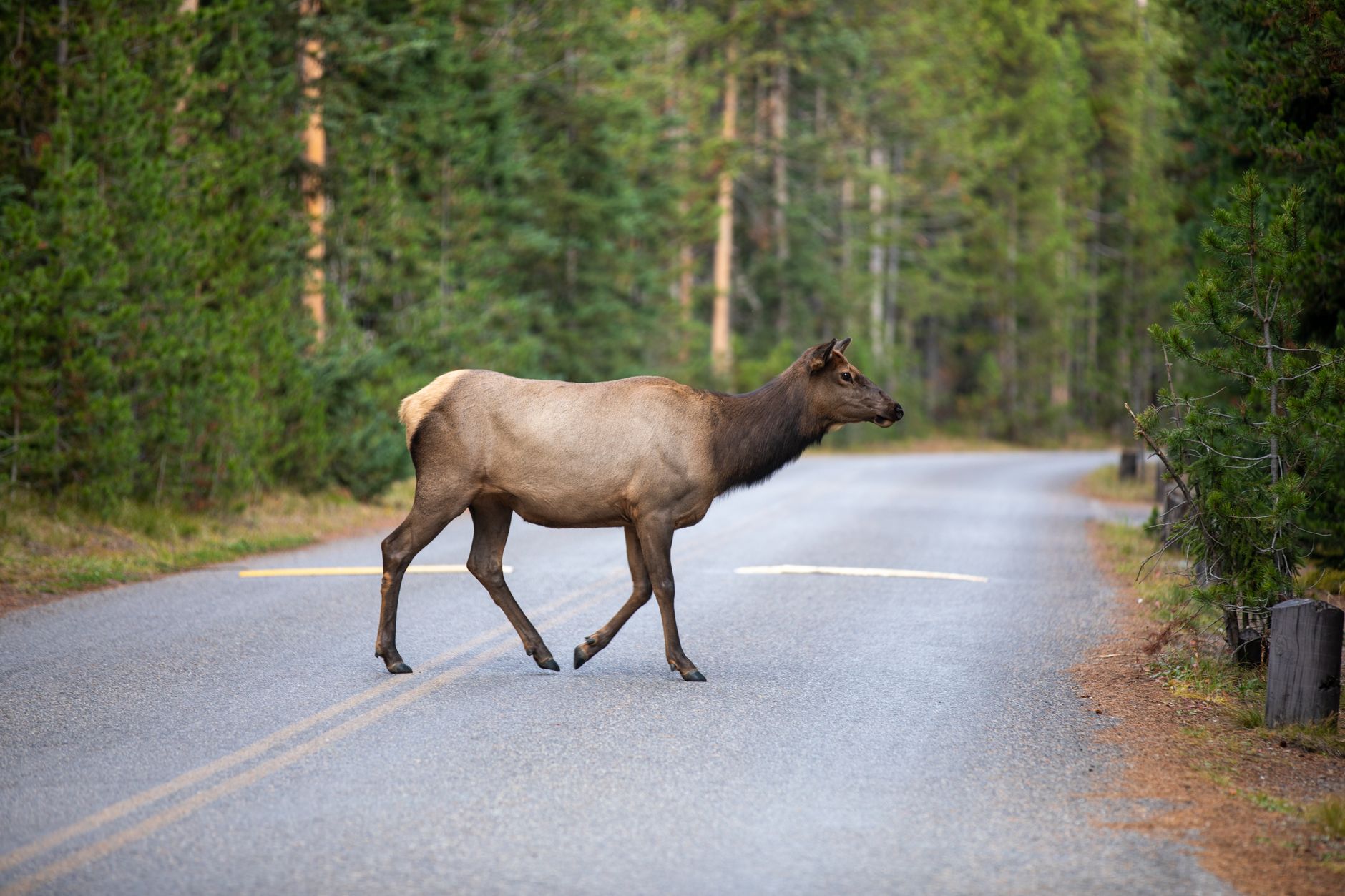
The Hook: A Whispered Promise in the Mist
I stepped off the rickety bus, the damp scent of pine needles and rich, loamy earth filling my lungs. The early morning mist clung to everything, muffling the distant calls of unseen birds. It was the kind of quiet that hums with life, a stark contrast to the urban cacophony I'd left behind. I was in the Eastern Arc Mountains of Tanzania, a place often overlooked, a sliver of green holding more biodiversity than many countries. My guide, a man whose eyes held the wisdom of generations, pointed to a barely discernible track winding through the dense undergrowth. "This," he whispered, his voice raspy with reverence, "is a highway for them. A highway we must keep open." It was then I understood. Travel wasn't just about seeing; it was about participating. It was about becoming a guardian of these vital arteries of the wild.
What Exactly Are Wildlife Corridors and Why Should You Care?
Think of wildlife corridors as nature's highways. They are strips of land, often connecting larger protected areas, that allow animals to move freely between habitats. These connections are absolutely crucial for their survival. Why?
- Genetic Diversity: When populations are isolated, they become inbred, weakening their ability to adapt and reproduce. Corridors allow for gene flow, keeping species healthy and resilient.
- Seasonal Migration: Many animals need to migrate to find food, water, or breeding grounds. Corridors ensure they can safely traverse these distances, especially as landscapes become fragmented by human development.
- Climate Change Adaptation: As climates shift, species may need to move to new areas. Corridors provide the pathways for them to adapt and survive.
- Preventing Extinction: Without these vital connections, isolated populations are vulnerable to local extinction. Corridors are a lifeline, a last stand for many endangered species.
Pro-Tip:
Imagine a vast, interconnected web of life. Wildlife corridors are the threads that keep that web from unraveling. Your journey can help strengthen those threads.
Beyond the Tourist Trail: Destinations Where You Can Make a Real Impact
The good news? Your wanderlust can be a force for good. Several incredible destinations are actively working to establish and maintain wildlife corridors, and as a traveler, you can be a vital part of their success.
1. The Eastern Arc Mountains, Tanzania: Guardians of the Cloud Forest
This is where my journey began. The Eastern Arc Mountains are a biodiversity hotspot, home to countless endemic species – creatures found nowhere else on Earth. However, these ancient forests are under immense pressure from deforestation and human encroachment.
- The Challenge: Pockets of forest are becoming isolated, cutting off vital routes for species like the Udzungwa red colobus monkey and the critically endangered Abbott's duiker.
- How You Can Help:
- Support Eco-Lodges: Stay at lodges committed to sustainable practices and community involvement. Many work directly with local conservation groups.
- Participate in Reforestation Projects: Some organizations offer opportunities to plant trees, directly contributing to corridor restoration.
- Engage in Citizen Science: Help local researchers by reporting wildlife sightings, contributing valuable data for corridor planning.
- Buy Local, Sustainable Crafts: Support local economies in a way that doesn't further burden natural resources.
Insider Tip:
Look for lodges that employ local guides. Their knowledge is invaluable, and your patronage directly supports their livelihoods and their role as local conservationists.
2. The Darién Gap, Panama & Colombia: The Untamed Frontier
This is a truly wild place, a dense, largely impassable rainforest that forms a critical link between Central and South America. It's a vital migratory path for jaguars, pumas, tapirs, and countless bird species.
- The Challenge: While remote, the Darién Gap faces threats from illegal logging, mining, and agricultural expansion, fragmenting the forest and disrupting ancient migratory routes.
- How You Can Help:
- Support Indigenous Communities: Many indigenous tribes in the Darién are stewards of this land. Travel with tour operators that partner ethically with these communities, ensuring your visit benefits them and supports their conservation efforts.
- Fund Conservation Organizations: Donate to reputable organizations working on the ground to protect this critical corridor.
- Responsible Ecotourism: Opt for tours that emphasize minimal impact, respect for local cultures, and educational components about the region's biodiversity.
Pro-Tip:
Traveling to the Darién Gap requires careful planning and experienced guides. Choose operators who are transparent about their community partnerships and conservation commitments.
3. The Carpathians, Romania: Europe's Last Great Wilderness
Romania's Carpathian Mountains are a haven for large carnivores like bears, wolves, and lynx. These majestic creatures require vast territories, and wildlife corridors are essential for them to move between protected areas.
- The Challenge: Habitat fragmentation due to logging, road construction, and expanding human settlements is a significant threat to the connectivity of these ecosystems.
- How You Can Help:
- Stay in Rural Guesthouses: Support small, family-run guesthouses that rely on the natural beauty of the region.
- Visit National Parks Responsibly: Follow marked trails, avoid disturbing wildlife, and adhere to park regulations. Your responsible behavior sets an example.
- Support Wildlife Tracking Projects: Some initiatives involve tracking animals to understand their movement patterns. Your participation or donation can directly fund this crucial research.
- Learn About Coexistence: Understand the challenges faced by local communities living alongside large carnivores and support initiatives that promote peaceful coexistence.
Authentic Detail:
The scent of woodsmoke from traditional Romanian villages often mingles with the crisp mountain air. Embracing this rural charm means supporting a way of life that can exist in harmony with the wild.
4. The Great Limpopo Transfrontier Conservation Area (GLTFCA), Southern Africa: A Patchwork of Protection
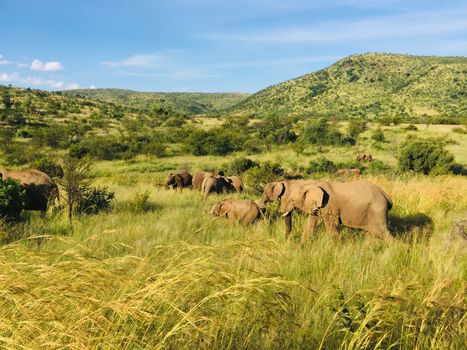
This ambitious project links national parks in Botswana, South Africa, and Zimbabwe, creating one of the largest conservation areas in the world. It's a vital corridor for elephants, lions, wild dogs, and a multitude of other species.
- The Challenge: While a success story, the GLTFCA still faces challenges from poaching, habitat degradation, and the need for seamless movement across international borders.
- How You Can Help:
- Safari with Reputable Operators: Choose safari companies that employ local guides, contribute to anti-poaching efforts, and have a strong commitment to conservation.
- Support Community-Based Tourism Initiatives: Many projects aim to empower local communities through tourism, creating a direct economic incentive for conservation.
- Donate to Anti-Poaching Units: These brave individuals are on the front lines protecting wildlife. Your contribution can provide essential equipment and support.
- Educate Yourself: Learn about the complex challenges of conservation in this region and share that knowledge.
Pro-Tip:
Look for lodges that actively participate in wildlife monitoring or research programs. Some even offer guests opportunities to learn about tracking or camera trap data.
Beyond the Destination: Everyday Actions for Global Corridors
Your impact doesn't have to be limited to your travel itinerary. Here's how you can be a champion for wildlife corridors wherever you are:
- Support Conservation Organizations: Make regular donations to reputable international and local organizations working on corridor creation and protection.
- Advocate for Policy Change: Contact your elected officials about supporting conservation initiatives and sustainable land-use planning.
- Make Sustainable Choices: Reduce your consumption, recycle, and choose products from companies with ethical and sustainable sourcing practices. Your consumer choices send a powerful message.
- Spread Awareness: Share information about wildlife corridors on social media, talk to friends and family, and inspire others to get involved.
Your Travel Footprint: Making it a Positive One
The beauty of these wildlife corridors isn't just in the wildlife they protect, but in the opportunities they offer for us to connect with nature on a deeper level. By choosing to travel with intention, you become a part of the solution.
Quick Facts: Your Impactful Journey
| Feature | Eastern Arc Mountains, Tanzania | Darién Gap, Panama/Colombia | Carpathians, Romania | Great Limpopo, Southern Africa |
| :------------------ | :------------------------------ | :---------------------------- | :------------------- | :------------------------------- |
| Estimated Cost | $$ - $$$ | $$$ - $$$$ | $$ - $$$ | $$$ - $$$$ |
| Best Time to Visit | Dry season (June-Oct) | Dry season (Dec-Apr) | Spring (Apr-May), Autumn (Sep-Oct) | Dry season (May-Oct) |
| How to Get There | Fly into Kilimanjaro (JRO) or Dar es Salaam (DAR), then ground transport. | Fly into Panama City (PTY) or Bogotá (BOG), then specialized tours/charters. | Fly into Bucharest (OTP), then train/car. | Fly into major hubs (e.g., Johannesburg JNB), then internal flights/safari vehicles. |
| Key Activity | Hiking, birdwatching, community visits | Expedition trekking, cultural immersion | Hiking, wildlife viewing, exploring rural life | Wildlife safaris, cultural encounters |
| Corridor Focus | Forest connectivity for primates, birds | Migratory routes for jaguars, tapirs | Movement for large carnivores | Elephant, lion, wild dog migration |
Pro-Tip:
Always research the most up-to-date travel advisories and visa requirements for your chosen destination. Ethical travel is safe travel.
The Final Word: A Call to Adventure and Action
The world is a complex, interconnected tapestry. Wildlife corridors are the vital threads that hold it all together, allowing life to flow and thrive. As travelers, we have a unique opportunity to not just witness this beauty but to actively contribute to its preservation. So, pack your bags, open your heart, and embark on a journey that leaves a positive, lasting impact. The wild is calling, and it needs you.