The Echo of Ages: Why We Crave Villages Where Time Stopped 100 Years Ago
I remember it vividly: standing on a crowded subway platform in Tokyo, the fluorescent lights buzzing, a cacophony of announcements and footsteps pressing in. My phone buzzed with emails, social media notifications screamed for attention, and the sheer velocity of modern life felt like it was about to consume me whole. That day, I made a silent vow: I needed to find stillness. I needed to find places where the digital din was muted, where the pace wasn't dictated by gigabytes per second, but by the rising and setting of the sun, by the rhythm of ancient traditions.
What I found, scattered across continents, were not just destinations, but sanctuaries. Villages where the past isn't just remembered, but lived. Places where generations have passed down skills, stories, and a way of life that feels profoundly, beautifully out of time. These aren't just picturesque backdrops for your Instagram feed – though they are undeniably stunning – they are living, breathing testaments to human resilience, community, and the enduring beauty of simplicity. They are places that whisper secrets of a bygone era, inviting you to slow down, listen, and truly connect.
Why do we, in our hyper-connected world, yearn for these pockets of the past? Perhaps it's a primal instinct, a longing for authenticity, for a tangible connection to our roots. Or maybe it's the sheer novelty of seeing life unfold without the constant hum of technology, where human interaction is paramount and nature dictates the day. Whatever the reason, these villages offer more than just a trip; they offer a profound journey inward, a chance to recalibrate your internal clock and remember what truly matters.
Ready to step back in time? Here are some of the most captivating villages where time truly feels like it stopped 100 years ago, and why you need to experience them before they change forever.
1. Gjirokastër, Albania: The Stone City's Enduring Spirit
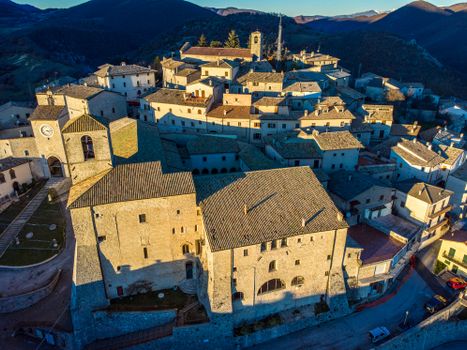
My first encounter with Gjirokastër was like stepping into a monochromatic dream. Perched dramatically on a hillside, this UNESCO World Heritage site in southern Albania is often called "The Stone City" – and for good reason. Its Ottoman-era houses, with their distinctive grey stone roofs and imposing fortress-like structures, seem to grow organically from the very rock face. It’s a place where history isn't just in museums; it's literally underfoot.
Walking through its cobblestone streets, I felt an immediate sense of timelessness. Elderly men gathered in the bazaar, their faces etched with stories, sharing coffee and conversation as they have for generations. Women in traditional headscarves carried baskets laden with fresh produce, their steps echoing the rhythm of daily life from centuries past. I remember getting wonderfully lost in its labyrinthine alleys, each turn revealing another hidden courtyard, another ancient doorway.
A Personal Anecdote:
One afternoon, I stumbled upon a small, unassuming shop selling handmade wooden crafts. The proprietor, an old man with kind eyes and gnarled hands, invited me in for raki. He spoke no English, and my Albanian was non-existent, but through gestures and shared smiles, we communicated. He showed me how he carved intricate designs into olive wood, a skill passed down from his grandfather. It was a moment of pure, unadulterated connection, a reminder that some things transcend language and time. I walked away with a small, beautifully carved spoon – not just a souvenir, but a tangible memory of a shared human moment.
Practical Tips:
* Getting There: Fly into Tirana (TIA) and take a bus or rent a car for the scenic 3-4 hour drive south.
* Where to Stay: Stay in one of the restored Ottoman houses, now charming guesthouses. I recommend Hotel Gjirokastra for its authentic feel and incredible views (expect €30-€60/night).
* What to Do: Explore the Gjirokastër Castle, visit the Ethnographic Museum (located in the birthplace of former dictator Enver Hoxha), wander the Old Bazaar, and simply absorb the atmosphere.
* Local Delicacy: Don't leave without trying qifqi, a delicious rice ball dish, and pasha qofte, meatballs in a creamy sauce.
* Instagram Moment: The panoramic view from the castle walls at sunset, overlooking the valley and the stone roofs.
2. Shirakawa-go & Gokayama, Japan: The Gasho-Zukuri Fairytales
Nestled deep in the remote Shogawa River Valley in the Japanese Alps, the villages of Shirakawa-go and Gokayama are like something out of a fairytale. Their iconic gassho-zukuri farmhouses, with their steeply pitched, thatched roofs resembling hands clasped in prayer, are architectural marvels designed to withstand heavy snowfall and provide vast attic space for silkworm cultivation. These UNESCO sites are a living testament to a unique way of life that has remained largely unchanged for centuries.
When I first glimpsed Ogimachi village in Shirakawa-go, blanketed in snow, it felt utterly magical. The silence, broken only by the crunch of my boots and the distant murmur of a stream, was profound. Smoke curled lazily from chimneys, and the warm glow of lights emanated from the ancient farmhouses, inviting you into a world far removed from Japan's bustling metropolises.
A Personal Anecdote:
I spent a night in a minshuku (traditional Japanese guesthouse) in Ogimachi. The family running it had lived in the same gassho-zukuri house for generations. Dinner was a feast of local mountain vegetables, grilled river fish, and homemade tofu, all prepared with meticulous care. Lying on my futon on the tatami floor, listening to the wind outside and the creaks of the old wooden house, I felt an incredible sense of peace and connection to a lineage of quiet, resilient living. The next morning, I watched the grandmother meticulously sweep the path outside, a ritual performed daily for decades, a small act of devotion to her home and heritage.
Practical Tips:
* Getting There: Take a bus from Takayama or Kanazawa. Reservations are often required, especially during peak season.
* Where to Stay: Experience a night in a gassho-zukuri minshuku (guesthouse). Book well in advance, as rooms are limited (around ¥9,000-¥15,000 per person including dinner and breakfast). Day trips are also popular if you can't secure accommodation.
* What to Do: Explore the open-air museum, visit the Wada House and Kanda House (two of the best-preserved gassho-zukuri homes), and hike up to the Shiroyama Viewpoint for that iconic panoramic shot.
* Best Time to Visit: Winter for the snow-covered magic, or spring/autumn for lush greenery and vibrant foliage.
* Instagram Moment: The panoramic view of Ogimachi village from the Shiroyama Viewpoint, especially at dawn or dusk, or when it's covered in snow.
3. Patacancha, Peru: Weavers of the Sacred Valley
High in the Peruvian Andes, a few hours drive from Cusco, lie remote Quechua villages like Patacancha. These communities, often overlooked by tourists rushing to Machu Picchu, are living repositories of ancient Inca traditions. Here, the ancestral way of life, deeply intertwined with the land and the alpaca, has persisted for centuries.
My journey to Patacancha was a bumpy ride on a local colectivo, winding through breathtaking mountain passes. Stepping out, the air was thin and crisp, carrying the scent of eucalyptus and earth. Women in vibrant, hand-woven attire worked diligently at their backstrap looms, their nimble fingers transforming alpaca wool into intricate patterns that tell stories passed down through generations. Children, their cheeks rosy from the mountain air, played with homemade toys, their laughter echoing against the majestic peaks.
A Personal Anecdote:
I was invited into a small, adobe home by a woman named Maria. She demonstrated the entire process of weaving, from shearing the alpaca, washing and dyeing the wool with natural pigments (cochineal insects for red, local plants for greens and yellows), to the complex dance of the loom. Her hands moved with a practiced grace that spoke of a lifetime dedicated to the craft. I purchased a small, exquisitely woven scarf directly from her, knowing that every cent went directly to her family and helped preserve this incredible artistry. It wasn't just a transaction; it was a cultural exchange, a moment of profound respect for her skill and heritage.
Practical Tips:
* Getting There: Hire a private taxi or join a guided tour from Ollantaytambo or Cusco. It's best to go with a local guide who has connections with the community.
* Where to Stay: While Patacancha doesn't have hotels, some tour operators offer homestays. Alternatively, stay in Ollantaytambo and do a day trip.
* What to Do: Engage with the local weavers, learn about traditional farming practices, and hike the stunning mountain trails. Always ask permission before taking photos.
* Supporting Locals: Purchase textiles directly from the artisans. This is vital for their economy and helps preserve their traditions.
* Altitude Sickness: Be prepared for high altitude (around 3,800m/12,500ft). Acclimatize in Cusco for a few days before heading up.
* Instagram Moment: Close-up shots of the vibrant, intricate textiles being woven, or the stunning Andean landscape with villagers in traditional dress.
4. Chefchaouen, Morocco: The Blue Pearl's Timeless Charm (Beyond the Main Square)
While Chefchaouen, the "Blue Pearl" of Morocco, has gained significant popularity, its true magic, its "time-stopped" quality, lies not in its bustling main square, but in its quieter, higher alleys and the daily rituals of its residents. Venture beyond the souvenir shops, climb the winding, cerulean streets, and you'll find a world where life unfolds much as it has for decades, if not centuries.
I remember my first morning there, waking before dawn. The call to prayer echoed through the still blue city, a sound that has marked the day's beginning for over a thousand years. As the sun rose, painting the Rif Mountains in hues of gold and pink, I watched women meticulously scrubbing their doorsteps, shopkeepers arranging their wares with practiced hands, and donkeys laden with goods making their slow ascent. The air was filled with the scent of mint tea and freshly baked bread.
A Personal Anecdote:
One afternoon, I found myself in a small, tucked-away bakery, the air thick with the aroma of yeast and sugar. An elderly baker, his hands dusted with flour, offered me a piece of harcha (semolina bread) straight from the wood-fired oven. We sat together, sharing the warm bread and sweet mint tea, his gentle smile and a few shared Arabic words creating a moment of genuine connection. He told me, through a young boy who translated, that he had been baking in that very spot since he was a child, learning from his father. It was a simple, profound reminder of the continuity of tradition in this enchanting town.
Practical Tips:
* Getting There: Take a bus from Fes, Tangier, or Casablanca. The journey is part of the experience, offering stunning views of the Moroccan countryside.
* Where to Stay: Many charming guesthouses (riads and dars) are available within the medina (around €40-€80/night).
* What to Do: Get lost in the blue alleys, hike to the Spanish Mosque for sunset views, visit the Kasbah Museum, and explore the local souks.
* Beyond the Blue: Venture outside the main tourist areas. Find the local hammams, the quiet residential streets, and the small, family-run eateries.
* Local Delicacy: Tagine, harira soup, and the local goat cheese are a must-try.
* Instagram Moment: Every corner is Instagrammable, but try to capture the play of light and shadow on the blue walls, or a candid shot of daily life in the quieter alleys.
5. Alberobello & the Itria Valley, Italy: Trulli, Olives, and Ancient Rhythms
While Alberobello itself, with its iconic trulli houses (dry-stone huts with conical roofs), is quite famous, the true "time-stopped" experience extends into the broader Itria Valley in Puglia. Here, amidst ancient olive groves and rolling hills, you'll find smaller, less-touristed trulli villages and farms where life moves at a delightfully unhurried pace, rooted in agricultural traditions spanning millennia.
Driving through the Valle d'Itria, I was captivated by the endless expanse of silvery-green olive trees, some gnarled and ancient, their trunks twisted into sculptural forms, testaments to centuries of harvest. The trulli, dotting the landscape like whimsical mushroom caps, seemed to emerge directly from the earth, built by hands that understood the land intimately.
A Personal Anecdote:
I stayed at a renovated trullo farmstay near Locorotondo, a charming white-washed town just a short drive from Alberobello. My host, Nonna Rosa, greeted me with a warm hug and a plate of homemade orecchiette pasta with fresh tomato sauce, picked from her garden that morning. She showed me her small vineyard, her vegetable patch, and the ancient olive press on her property. We spent an evening making focaccia together, her experienced hands guiding mine as we kneaded the dough. It was a simple, joyful lesson in slow living, in the profound satisfaction of creating something delicious from the earth. The stars at night, away from city lights, were simply breathtaking, a blanket of diamonds over the conical roofs.
Practical Tips:
* Getting There: Fly into Bari (BRI) or Brindisi (BDS), then rent a car to explore the region at your leisure. Public transport is less convenient for truly exploring the smaller villages.
* Where to Stay: Rent a trullo for an authentic experience (prices vary widely, but expect €80-€200/night for a charming, well-equipped one). Stay in one of the less-touristed towns like Locorotondo, Cisternino, or Martina Franca.
* What to Do: Explore the main trulli district in Alberobello, but then venture out to the surrounding towns and countryside. Visit local olive oil mills, wineries, and cheese producers. Take a cooking class focusing on Puglian cuisine.
* Best Time to Visit: Spring (April-May) for wildflowers and pleasant temperatures, or autumn (September-October) for harvest season.
* Local Delicacy: Beyond orecchiette, try burrata cheese, focaccia barese, and the region's excellent olive oil and wines.
* Instagram Moment: The unique trulli architecture against the backdrop of ancient olive groves, or a close-up of Nonna Rosa's hands making pasta.
Practicalities & Preservation: How to Visit Responsibly
Visiting these living time capsules isn't just about ticking off a bucket list item; it's about respectful engagement and conscious travel. Here's how to ensure your journey supports these communities and preserves their unique heritage:
- Embrace Slow Travel: Don't rush. Spend a few days in each place, allowing yourself to truly absorb the atmosphere and engage with the locals. The magic happens when you slow down.
- Support Local Economies: Stay in local guesthouses, eat at family-run restaurants, and buy handicrafts directly from artisans. Your money makes a tangible difference.
- Learn Basic Phrases: Even a few words in the local language (hello, thank you, please) can open doors and show respect.
- Dress Respectfully: Especially in conservative cultures, be mindful of local customs regarding attire.
- Ask for Permission: Always ask before taking photos of people, especially children. A smile and a gesture often go a long way.
- Respect Traditions: Observe local customs and traditions. If you're invited to participate, do so with an open mind and heart.
- Minimize Your Footprint: Be mindful of waste, conserve water and energy, and stick to marked paths.
- Digital Detox: Consider putting your phone away for extended periods. You'll be amazed at how much more you notice and experience when you're not constantly documenting.
- Be Patient and Flexible: Things may not run on Western schedules. Embrace the unexpected and the slower pace.
- Educate Yourself: Learn about the history, culture, and challenges of the community you're visiting before you arrive.
Your Journey Back in Time Awaits
These villages are more than just destinations; they are guardians of a way of life that is rapidly fading in our globalized world. They offer a profound opportunity to reconnect with history, nature, and ourselves. They remind us that true wealth lies not in accumulation, but in connection, community, and the simple rhythms of life.
So, pack your bags, leave your digital distractions behind, and prepare to step into a world where time truly stopped 100 years ago. These are not just places to visit; they are experiences to cherish, lessons to learn, and memories to make that will profoundly change your perspective. Don't just dream about them – go experience them before they too, inevitably, catch up with the relentless march of time. Your journey back to a simpler, more authentic world is calling.
Ready to plan your escape? Share this post with your fellow travel enthusiasts and start dreaming up your own timeless adventure! Which village is calling your name first? Let us know in the comments below!
---