Some villages around the world have preserved architecture, farming methods, crafts and daily customs that have changed little over generations. Walking their lanes can feel like stepping back in time, although the communities themselves are living and evolving. Visitors who approach these places with curiosity and care can learn a great deal, while helping sustain the people who maintain them. This guide explains what to expect from historic villages, how to plan a visit and how to behave as a respectful guest.
What makes a village historic
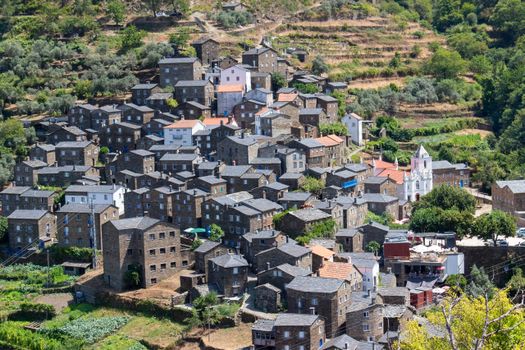
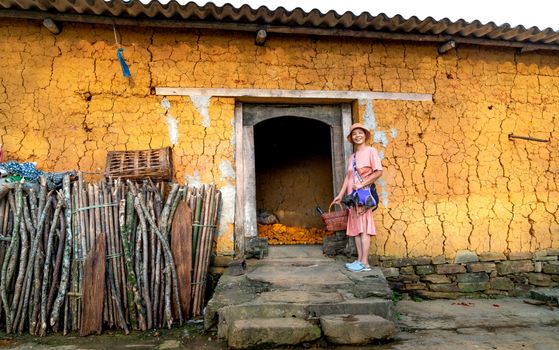
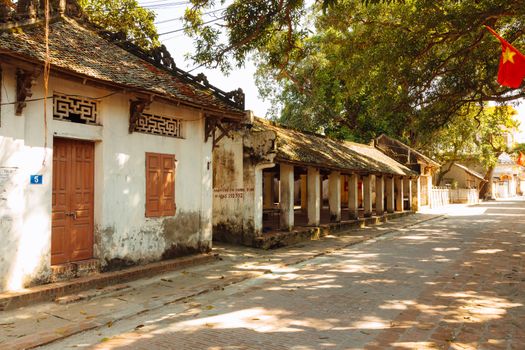
Historic villages may be recognized for their architecture, layout, agricultural systems or cultural practices. Some have protected status through national heritage programs, while others are valued by residents and local organizations without formal designation. Traditional building materials, such as stone, timber or earth, often define their character, along with narrow streets, communal spaces and fields that surround the settlement.
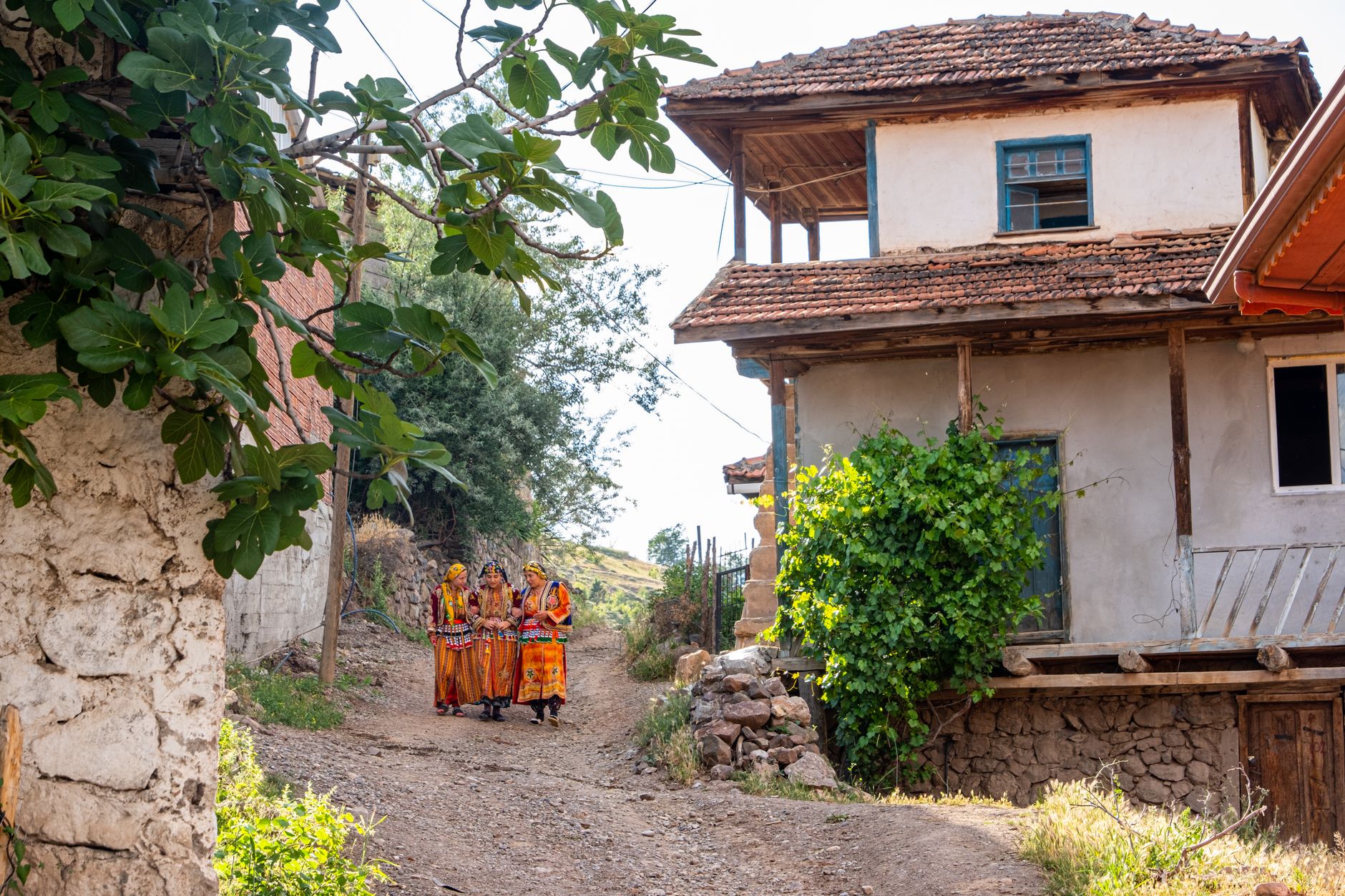
Recognition does not freeze a community in time. Residents may have modern homes, schools and internet access, and many blend old and new in daily life. Keeping this in mind helps avoid romanticized expectations.
Planning a visit
Research the village's current access arrangements. Some are reached by road, while others require hiking, a regional train or a shared vehicle. Check opening times for museums, churches and workshops, which can be limited outside peak seasons. Local tourism offices and heritage websites often provide practical information.
Consider staying overnight if possible. A longer visit allows you to experience the village at quieter times, when daytime tourists have departed and residents go about their routines.
Crafts, food and local economies
Traditional crafts, such as weaving, pottery, woodwork or food production, often sustain village livelihoods. Buying directly from artisans supports local incomes and helps keep skills alive. Ask about the materials and techniques, and be willing to pay fair prices for handmade goods. Workshops and demonstrations can be a rewarding way to learn a craft.
Local food may be made from regional ingredients and preserved using traditional methods. Family-run guesthouses and small eateries often serve dishes that reflect seasonal availability, so ask what is fresh and in season.
Respecting residents and daily life
Villages are homes first. Keep noise low, particularly in early mornings and evenings, and avoid walking through private courtyards or farmland unless invited. Ask before photographing people, animals or interiors. Dress modestly where local customs suggest it, especially near religious buildings.
Parking, waste and water use can strain small communities. Use designated parking areas, take your rubbish with you and use water sparingly if supplies are limited.
Heritage conservation and visitor impact
Heritage buildings can be fragile, and visitors should follow signs and guidance about where they may enter or touch. Avoid climbing on walls, leaning on historic structures or removing stones and plants as souvenirs. Where visitor numbers are high, some villages introduce timed visits or limits, so check the latest guidance before you go.
Supporting conservation through entry fees or donations can help maintain the buildings for future visitors and residents.
Practical tips
Plan your transport in advance, since bus services to small villages can be infrequent. Bring cash for small purchases, as some rural businesses may not accept cards. Pack sturdy shoes for uneven cobbles and comfortable clothing for changing weather. Carry a map, and download offline versions if mobile coverage is weak.
Learn a few words of the local language, and be patient if services are slower than you are used to. A warm greeting often leads to better conversations and recommendations.
Common mistakes to avoid
A common mistake is treating a historic village as a backdrop rather than a place where people live and work. Visitors may wander into private courtyards, photograph residents without asking or expect shops to stay open for their convenience. Slow down, observe local routines and accept that some doors are closed to visitors. Another error is arriving on a day when a key museum, workshop or church is closed for maintenance or a local event.
Travelers also sometimes underestimate how isolated villages can be. Bus services may run only a few times a day, and taxis may be scarce. Plan your return journey before you arrive, and make sure you have enough cash and charge for your devices. Finally, avoid buying souvenirs made far away and labeled as local craft without asking about origin. Asking the maker or the shopkeeper where an item was produced is a respectful way to support genuine local work.
Who this suits and who it doesn't
Historic villages tend to suit travelers who enjoy a slow pace, quiet streets and conversations with local people. Those interested in architecture, farming, traditional crafts or regional food often find these places especially rewarding. Visitors who are happy to stay overnight and explore at a gentle pace usually have the most positive experience, since day-trippers can miss the quieter rhythm of village life.
They may be less suitable for people who need step-free access, reliable late-night transport or a wide choice of restaurants and shops. Narrow lanes, uneven cobbles and steep slopes can be challenging for visitors with mobility needs or young children in buggies. Travelers who expect constant activity or entertainment may find villages quiet to the point of boredom. If you are unsure, check accessibility details in advance, and consider a larger nearby town as a base with day visits to the village.
Historic villages that keep traditional lifestyles offer a rare chance to see how people have lived and worked for generations. Plan carefully, respect residents and heritage, and spend money locally where you can. Approached in this way, a visit can deepen your understanding of the past while supporting the communities that carry it forward.