Rapids You Can Raft Without Experience That Changed My Life Forever
Let me start by confessing something: I was terrified. Not just a little nervous, but genuinely terrified of white water rafting. My idea of an ideal vacation involved a comfortable beach chair, a good book, and absolutely no chance of being thrown into a churning river. I was, by all accounts, a creature of comfort, a connoisseur of calm, and certainly not an "adventure seeker."
So, how did I, a self-proclaimed risk-averse individual, end up plunging through roaring rapids, screaming with a mix of fear and pure, unadulterated joy? More importantly, how did that single experience fundamentally shift my entire outlook on life, transforming me into someone who actively craves the next big splash?
It all started with a challenge from a friend – a seasoned outdoor enthusiast who saw something in me I hadn't yet recognized. "Just one day," she pleaded, "on a beginner-friendly river. I promise, you'll love it." Skepticism was my default setting, but a tiny spark of curiosity, perhaps fueled by a creeping sense of monotony in my routine, ignited within me. And thank goodness it did. Because what followed was not just a trip, but a profound awakening, proving that some of the most life-altering adventures are perfectly accessible, even for total novices.
This isn't just a travel guide; it's an invitation. An invitation to step outside your comfort zone, to embrace the unknown, and to discover the incredible strength and joy that lies within you, waiting to be unleashed by the power of the river. If I can do it, anyone can.
My First Dip: Conquering the Fear (and the River!)
The morning of my first rafting trip felt like a scene from a bad dream. The air was crisp, the river looked deceptively calm in some spots, but my stomach was doing flip-flops. We were in Idaho, about to embark on a multi-day journey down a section of the Main Salmon River. Our outfitter, a well-regarded local company, had assured us it was perfect for beginners, primarily Class II and III rapids – exciting, but not terrifying. Still, my palms were sweating as I pulled on the bright orange life vest, feeling its bulk like a physical manifestation of my anxiety.
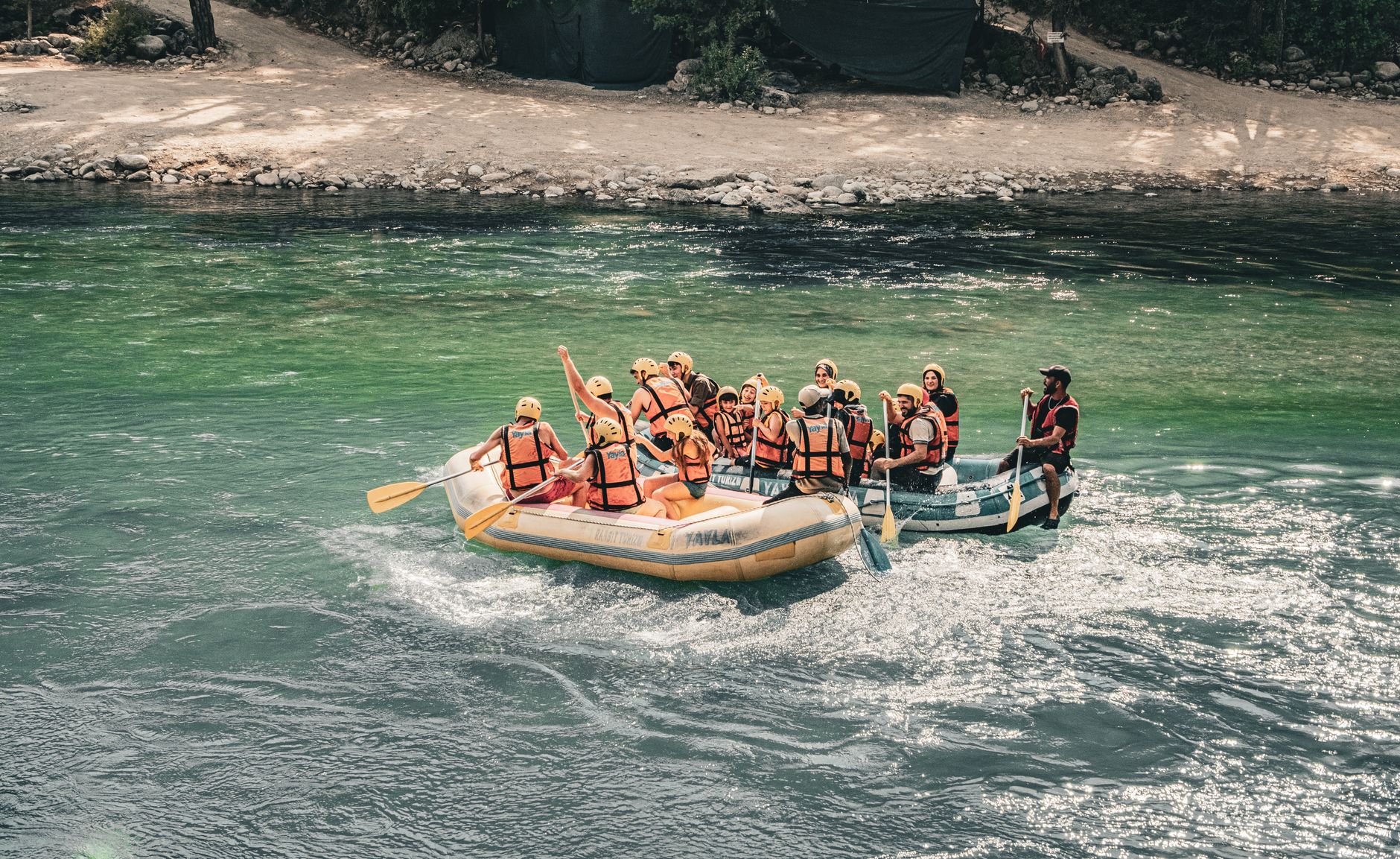
Our guide, a sun-weathered man named Dave with a twinkle in his eye and a laugh that boomed across the water, was a master of reassurance. He walked us through every safety protocol, explained how to paddle, what to do if we fell out (a terrifying prospect!), and how to work as a team. He made jokes, shared river lore, and slowly, imperceptibly, began to chip away at my wall of apprehension.
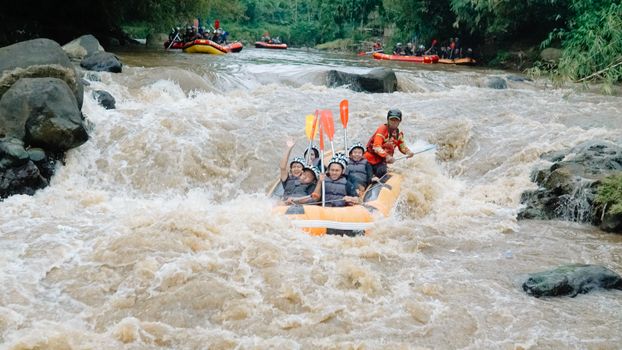
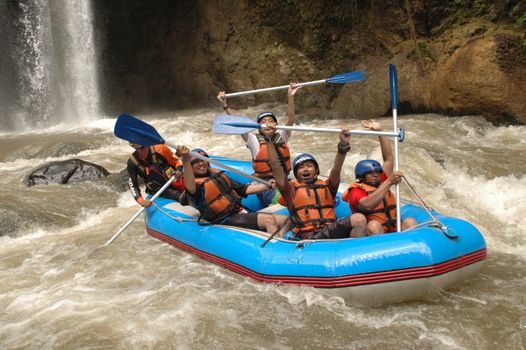
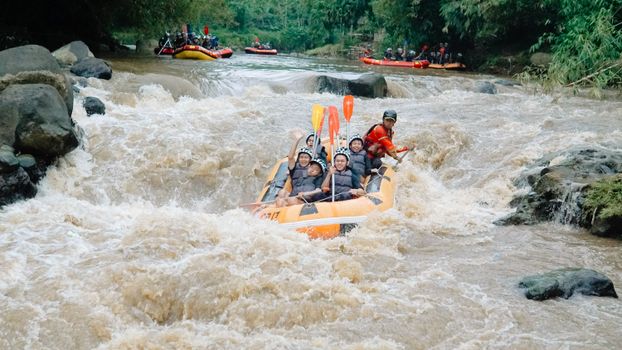
The moment we pushed off the shore, a strange calm washed over me. The rhythmic dip of paddles, the gentle current pulling us forward, the majestic, untouched wilderness unfolding around us – it was breathtaking. Then came the first ripple, growing into a small wave, then a series of splashes. "Paddle forward!" Dave yelled, his voice cutting through the rush of water. My heart pounded, but my hands instinctively gripped the paddle, digging into the water. We hit the first "real" rapid, a Class II called "Devil's Teeth." Water exploded over the bow, drenching me from head to toe. I gasped, then shrieked, then… I laughed. A deep, guttural, joyful laugh I hadn't realized I was capable of.
That first splash was a baptism. It washed away not just the river water, but also a layer of my self-imposed limitations. From that moment on, I wasn't just observing the river; I was part of it. I was paddling, I was laughing, and I was, for the first time in a long time, truly alive.
The Magic of the Main Salmon: Idaho's "River of No Return" (Class II-III)
The Main Salmon River, affectionately known as the "River of No Return" (a nod to the fact that early miners and trappers could only go downstream), is an absolute gem for beginner rafters. It's often cited as one of the best multi-day wilderness trips in the U.S., and for good reason. It offers a perfect blend of exhilarating rapids and long, tranquil stretches where you can simply float, soak in the sun, and marvel at the untouched beauty of the Frank Church-River of No Return Wilderness.
Our trip was a five-day, four-night adventure, and it was pure magic. Each day brought new wonders. We navigated dozens of Class II and III rapids – enough to get your heart pumping and soak you completely, but never so intense that they felt truly dangerous with an experienced guide. Dave would expertly steer us through the biggest waves, sometimes spinning the raft for an extra splash, always with a mischievous grin. The "Big Water" section, with rapids like "Growler" and "Black Creek," became my personal Everest, and conquering each one felt like a monumental achievement.
But the Salmon is so much more than just rapids. We spent our mornings paddling, our afternoons hiking to natural hot springs hidden along the banks, and our evenings gathered around crackling campfires. We saw bald eagles soaring overhead, watched deer graze along the shore, and even spotted a shy black bear cub scrambling up a hillside. The nights were a symphony of crickets and the gentle murmur of the river, under a blanket of stars so thick and bright they felt close enough to touch.
The outfitters handle everything on these trips – delicious gourmet meals cooked riverside, all the camping gear (tents, sleeping bags, chairs), and even a portable toilet system to ensure Leave No Trace principles. My specific trip with "Idaho River Journeys" cost around $1800-$2200 per person for 5 days, which included all gear, food, and guides. While it sounds like an investment, it’s an all-inclusive wilderness experience unlike any other, and worth every penny for the memories and transformation it delivers.
Practical Details for the Main Salmon:
* Best Time to Go: June to early September. Early season (June) generally has higher water levels and bigger rapids, while late season (August-September) offers warmer water and air, and often more opportunities for swimming and relaxing.
* Duration: Typically 3 to 6 days.
* Outfitters: Look for reputable companies like Idaho River Journeys, OARS, or ROW Adventures.
* What to Expect: Stunning scenery, wildlife viewing, natural hot springs, delicious food, expert guides, and a true digital detox.
Roaring Through the Royal Gorge: Arkansas River, Colorado (Class III-IV)
After my transformative experience on the Salmon, I was hooked. My next adventure took me to Colorado, to the iconic Arkansas River, specifically the Royal Gorge section. This stretch is a step up in intensity from the Main Salmon, featuring some Class III and even some Class IV rapids, but it's still very much accessible for beginners when done with a professional outfitter and experienced guides. It's often done as a thrilling day trip, perfect for those who want a taste of bigger rapids without committing to a multi-day excursion.
The setting itself is awe-inspiring. You're rafting through a canyon so deep and narrow that the sheer granite walls seem to scrape the sky, with the famous Royal Gorge Bridge spanning 956 feet above you. It's an incredible feeling to look up and see tiny cars crossing hundreds of feet above, while you're battling the waves below.
My trip with "Royal Gorge Rafting" was electric from the start. Our guide, Sarah, was a powerhouse – energetic, incredibly knowledgeable, and a master at navigating the turbulent waters. She gave us a thorough briefing, emphasizing teamwork and paddle commands. The very first rapid, "Sunshine Falls," hit us like a freight train. Water crashed over the bow, and for a moment, I thought I was going to be ejected. But I held on, paddled hard, and emerged on the other side drenched, breathless, and with the biggest grin plastered across my face.
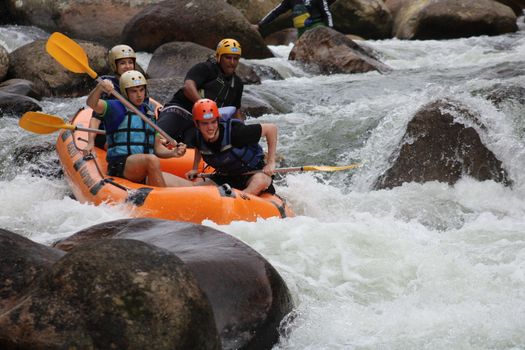
The Royal Gorge section is a series of continuous, exciting rapids. There's little time for quiet floating; it's almost constant action. "Sledgehammer," "Wall Slammer," and "Boat Eater" lived up to their names, providing heart-pounding moments of pure adrenaline. There was one moment, in the middle of "Boat Eater," where our raft dipped into a trough, and a massive wave rose up, completely enveloping us. For a split second, all I saw was white water. When we burst through, sputtering and laughing, the feeling of triumph was immense. We had navigated it, as a team, under Sarah's expert guidance.
This trip cemented my newfound love for rafting. It taught me that even bigger challenges, when approached with preparation, trust in your team, and a willingness to push yourself, are not only surmountable but incredibly rewarding.
Practical Details for the Royal Gorge, Arkansas River:
* Best Time to Go: Late May to early September. Water levels can be high in early June, offering the most intense rides.
* Duration: Typically half-day or full-day trips.
* Outfitters: Royal Gorge Rafting, Echo Canyon River Expeditions, Arkansas River Tours are popular and reputable choices.
* Estimated Price: Half-day trips usually range from $80-$120 per person; full-day trips $120-$180.
* What to Expect: High-adrenaline rapids, stunning canyon scenery, and the unique experience of rafting under the Royal Gorge Bridge.
Beyond the Rapids: What Rafting Taught Me About Life
The physical thrill of rafting is undeniable, but the true transformation for me happened on a deeper level. These rivers, especially the Main Salmon with its multi-day immersion, became powerful metaphors for life itself.
- Embracing the Flow: You can't fight the river. You have to learn to work with it. This taught me a profound lesson about acceptance and adaptability. Some rapids are unavoidable; the best strategy is to prepare, paddle hard, and trust the process. How often do we resist life's inevitable currents instead of finding our rhythm within them?
- The Power of Teamwork: In a raft, you are literally all in the same boat. Every paddle stroke, every lean, every command from the guide requires coordination and trust. I learned to rely on others and to be reliable for them. This camaraderie, forged in the face of exhilarating challenges, is something I now actively seek in all areas of my life.
- Living in the Moment: When you're hurtling through a rapid, there's no room for worrying about your to-do list or yesterday's regrets. Your mind is entirely focused on the present – the paddle, the wave, the guide's voice. This forced mindfulness was incredibly liberating and something I strive to carry into my daily life.
- Conquering Fear: Each rapid was a small victory over my own apprehension. I realized that fear is often just a signal that something exciting and growth-inducing is on the horizon. By leaning into discomfort, I discovered an inner strength I never knew I possessed. This newfound courage has translated into taking on new challenges at work, speaking up more, and generally saying "yes" to life more often.
- Reconnecting with Nature: There's something incredibly grounding about being completely immersed in the wilderness. Away from screens and concrete, the sheer majesty of the mountains, the purity of the river, and the vastness of the sky put everything into perspective. It reminded me how small my worries are in the grand scheme of things and how vital it is to protect these incredible places.
Your First Adventure: Practical Tips for Beginner Rafting
Ready to take the plunge? Here’s everything you need to know to plan your own life-changing rafting adventure:
1. Choosing an Outfitter: Your Most Important Decision
* Reputation & Safety: This is paramount. Look for companies with excellent reviews, a long history, and clear safety certifications (e.g., licensed by state parks, American Outdoors Association). Don't hesitate to call and ask about their guide training, safety record, and equipment maintenance.
* Beginner-Friendly Trips: Ensure they offer trips specifically designated for novices or families. They will use more stable rafts and assign guides experienced with first-timers.
* Trip Inclusions: What's included in the price? Gear (PFD, helmet, paddle), transportation, meals (for multi-day trips), professional photos?
* Group Size: Smaller groups often mean more personalized attention from guides.
2. What to Pack: Comfort and Safety First
* Swimsuit/Quick-Dry Clothes: You will get wet. Avoid cotton, which stays wet and can make you cold. Synthetic materials are best.
* Water Shoes: Essential for protecting your feet from rocks and staying secure in the raft. Old sneakers or river sandals with secure straps work well. No flip-flops!
* Sun Protection: Sunscreen (reapply often!), hat (with a chin strap!), sunglasses (with a retainer strap!). The sun reflects off the water, intensifying its rays.
* Waterproof Bag (Dry Bag): For personal items you want to keep dry (phone, camera, wallet, extra layers). Outfitters usually provide space for these.
* Change of Clothes: For after the trip. You'll be grateful for something warm and dry.
* Water Bottle: Stay hydrated!
* Medications: If you have any, bring them in a waterproof container.
3. Safety First: Listen to Your Guide!
* Pre-Trip Briefing: Pay close attention to your guide's safety talk. They'll cover everything from paddle commands to what to do if you fall out.
* Wear Your PFD (Personal Flotation Device): Keep it on and properly fitted at all times while on the water. It's your lifeline.
* Hold On: When hitting big rapids, listen for the "hold on!" command and grip the T-grip of your paddle (or the safety lines) firmly.
* Basic Swimming Ability: While your PFD will keep you afloat, basic swimming skills are important for navigating yourself back to the raft or shore if you fall out.
* Stay Hydrated & Fueled: Rafting is physical. Eat a good breakfast and drink plenty of water.
4. Booking & Budget: Plan Ahead
* Book in Advance: Especially for popular rivers or peak season (summer), trips can fill up quickly.
* Off-Peak Deals: Consider shoulder seasons (late spring/early fall) for potentially lower prices and fewer crowds.
* Group Discounts: If you're going with friends, ask about group rates.
* What's Included vs. Extras: Some outfitters charge extra for wetsuit rentals, photos, or gratuities for guides. Factor these into your budget.
5. Capturing the Moment: Go Pro or Pro Photos?
* Waterproof Camera/GoPro: If you want to capture your own footage, invest in a waterproof camera or a GoPro with proper mounts. Make sure it's securely attached to you or the raft.
* Outfitter Photographers: Many companies have professional photographers positioned at the biggest rapids to capture epic shots. These can be pricey but often yield incredible, high-quality memories.
The River Awaits Your Story
My journey from a nervous novice to an enthusiastic river rat was one of the most unexpected and profoundly rewarding experiences of my life. It wasn't just about the rapids; it was about the self-discovery, the camaraderie, and the raw, unadulterated joy of living fully in the moment.
You don't need a lifetime of outdoor experience, nor do you need to be an adrenaline junkie. All you need is a willingness to try, an open mind, and a trusted outfitter to guide you. The rivers I've mentioned – the Main Salmon and the Arkansas River (Royal Gorge) – are fantastic starting points, but there are countless other beginner-friendly rivers around the world waiting to reveal their magic.
So, what are you waiting for? Stop watching from the shore. Dive in. Paddle hard. Laugh loud. And let the river change your life forever.
Have you ever tried rafting? Or are you planning your first trip? Share your thoughts, fears, or favorite river memories in the comments below! And don't forget to share this post with anyone who needs a little push to embrace their next big adventure!
---