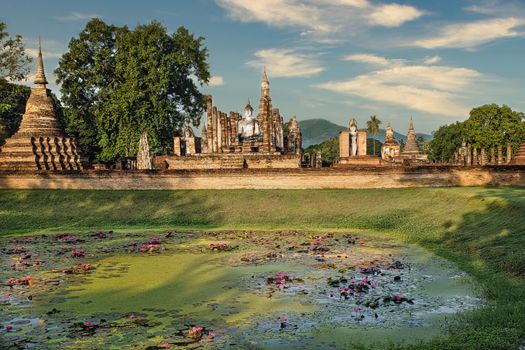
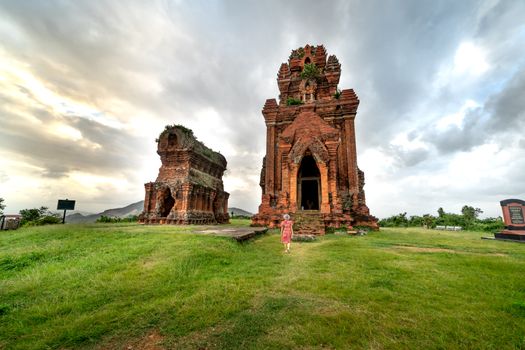
The Hook: A Whisper of Incense and Ancient Stone
I stepped off the overnight train, the air thick with the scent of jasmine and diesel, and felt it instantly – that primal pull of something ancient, something more. The morning mist still clung to the rice paddies, and somewhere in the distance, a lone gong chimed. This wasn't the bustling gateway to Angkor; this was the prelude to a different kind of awe, a quieter, more profound encounter with history etched in stone. While Angkor Wat is undeniably magnificent, its magnetic pull has, for years, drawn throngs that can sometimes dilute the magic. But for those of us seeking the truly sublime, the whisper of forgotten gods and the silent testament of human devotion, there are other sanctuaries waiting. And in February 2026, the stars (and weather patterns) align for an exploration of temples that rival, and in many ways, surpass the grandeur of Cambodia's icon.
Beyond the Horizon: Angkor's Unsung Cousins
The world is a vast canvas of spiritual architecture, and while Angkor Wat occupies a significant brushstroke, it's far from the only masterpiece. For February 2026, I've curated a list of destinations that offer not just visual splendor, but an immersive experience that resonates deeper, often with fewer fellow travelers to interrupt the reverie. These are places where the stones still hum with stories, where the air is alive with devotion, and where the sheer scale and artistry will leave you speechless.
1. Borobudur: The Mandala of the Mind (Indonesia)
Picture this: a colossal Buddhist monument, a UNESCO World Heritage site, rising from the lush plains of Java. Borobudur isn't just a temple; it's a three-dimensional mandala, a journey through Buddhist cosmology. As I ascended its nine stacked platforms, each adorned with thousands of intricately carved relief panels, I felt like I was walking through the pages of a sacred text.
The Magic of February:
February in Java offers a sweet spot – the tail end of the rainy season means fewer crowds, but the landscape is vibrantly green. The humidity is manageable, and the occasional morning mist adds an ethereal quality to the sunrise.
Pro-Tip:
Arrive for sunrise. The view from the top, with the sun painting the sky in hues of orange and pink over the surrounding volcanoes, is nothing short of divine. The silence, broken only by the distant calls of birds, is profound.
Insider Insight:
Don't just rush to the top. Take your time on each level. The narrative panels depict the life of Buddha and Buddhist teachings. Running your hand over the cool stone, feeling the worn edges from centuries of pilgrims, connects you to the past in a tangible way. The scent of volcanic earth after a morning shower is intoxicating.
2. Bagan: A Sea of Pagodas (Myanmar)
Imagine a plain stretching as far as the eye can see, dotted with over 2,000 ancient Buddhist temples and pagodas, each with its own unique silhouette against the sky. Bagan is a breathtaking spectacle, a testament to the devotion of a bygone era.
The Magic of February:
February in Bagan is perfection. Dry, sunny days with cooler evenings make exploring the vast temple complex a dream. The light is crisp, ideal for photography, and the air is free of the heavy humidity of other months.
Pro-Tip:
Rent an e-bike. This allows you to explore at your own pace, discovering hidden temples off the main paths. Climb to the top of a permitted temple just before sunset – the panoramic view of thousands of pagodas bathed in golden light is an unforgettable sight.
Insider Insight:
Look for the temples with intricate stucco work and well-preserved murals. The smaller, less-visited temples often hold the most intimate and awe-inspiring details. The taste of sweet, strong Burmese tea from a roadside stall is a welcome refreshment after a morning of exploration. The subtle scent of sandalwood from incense offerings permeates the air in many of the active temples.
3. Prambanan: The Hindu Masterpiece (Indonesia)
While Borobudur is a Buddhist marvel, its Hindu counterpart, Prambanan, is equally, if not more, visually dramatic. Dedicated to the Trimurti – Brahma, Vishnu, and Shiva – this 9th-century complex features soaring, intricately carved spires that pierce the Javanese sky.
The Magic of February:
Similar to Borobudur, February offers pleasant weather for exploring Prambanan. The lush greenery surrounding the temples is at its peak, providing a stunning contrast to the grey stone.
Pro-Tip:
Visit both at sunrise and sunset. The way the light plays on the carved reliefs changes dramatically, revealing new details and moods. Don't miss the Ramayana ballet performance held in an open-air theatre with Prambanan as a dramatic backdrop – it's a cultural immersion you won't forget.
Insider Insight:
The sheer scale of the central Shiva temple is overwhelming. Notice the depictions of gods, goddesses, and mythical creatures in the detailed carvings. The aroma of local cooking wafts from nearby villages, adding another sensory layer to your visit.
4. Shwedagon Pagoda: The Golden Icon (Myanmar)
While Bagan offers ancient ruins, Yangon's Shwedagon Pagoda is a living, breathing spiritual heart. This magnificent stupa, gilded with real gold and studded with diamonds, is one of the most sacred Buddhist sites in Myanmar.
The Magic of February:
February in Yangon is comfortably dry and warm, perfect for spending hours exploring the sprawling pagoda complex. The evenings are particularly pleasant for soaking in the atmosphere.
Pro-Tip:
Visit at night. The pagoda is brilliantly illuminated, and the atmosphere is electric with pilgrims chanting and offering prayers. It's a deeply moving experience. Take your shoes off at the entrance and feel the cool marble beneath your feet.
Insider Insight:
Each corner of the pagoda has something unique – small shrines, ancient bells, and images of Buddha. Observe the locals as they make their offerings and prayers; it's a window into their faith. The air is thick with the sweet scent of incense and the murmur of prayers.
5. Hwae San Soe Temple & Kyaik Pun Pagoda: The Four-Faced Buddha (Myanmar)
For something truly unique and less frequented, venture to Bago, Myanmar, to witness the incredible Kyaik Pun Pagoda. Its most striking feature is the colossal statue of the Four-Faced Buddha, seated with his back against a central pillar, facing the four cardinal directions. This is a sight that stays with you. Nearby, the less-visited Hwae San Soe offers a more serene, almost meditative, experience amidst smaller stupas and pagodas.
The Magic of February:
February in Bago is ideal. The weather is dry and pleasant, allowing for comfortable exploration of these unique spiritual sites.
Pro-Tip:
Combine your visit to Bago with a trip to Kyaik Pun. The sheer scale and unique design of the Four-Faced Buddha are unlike anything you'll see elsewhere. Hwae San Soe offers a chance for quiet contemplation amidst ancient structures.
Insider Insight:
The feeling of being watched by the four serene faces of Buddha at Kyaik Pun is powerful. At Hwae San Soe, take time to appreciate the subtle details of the smaller stupas and the quiet reverence of the few visitors. The gentle breeze carrying the scent of local blossoms is a calming presence.
Quick Facts: Your February 2026 Temple Adventure Planner
| Destination | Estimated Cost (USD) | Best Time to Visit (February) | How to Get There |
| :---------------------- | :------------------- | :---------------------------- | :-------------------------------------------------------------------------------------------------------------- |
| Borobudur, Indonesia | $500 - $1200 (flights extra) | Early Feb (less rain) | Fly into Yogyakarta (JOG), then hire a driver or take a local bus. |
| Bagan, Myanmar | $700 - $1500 (flights extra) | Mid-Feb (dry and sunny) | Fly into Nyaung U (NYU) airport, then e-bike or taxi. |
| Prambanan, Indonesia | $500 - $1200 (flights extra) | Early Feb (less rain) | Fly into Yogyakarta (JOG), then hire a driver or take a local bus. |
| Shwedagon Pagoda, Myanmar | $700 - $1500 (flights extra) | Mid-Feb (dry and sunny) | Fly into Yangon (RGN), then taxi. |
| Bago, Myanmar | $700 - $1500 (flights extra) | Mid-Feb (dry and sunny) | Day trip from Yangon by private car or bus. |
Note: Costs are estimates for a 7-day trip, excluding international flights, and can vary based on accommodation and activity choices.
The Art of Immersion: Beyond the Stone
What makes these temples truly "more impressive" than Angkor Wat, especially in February 2026, isn't just their scale or artistry, but the experience they offer. It's the scent of frangipani blossoms mingling with the earthy aroma of ancient stones. It's the gentle chime of bells carried on the breeze, the taste of sweet local tea offered by a smiling vendor, and the feeling of cool marble underfoot as you tread where pilgrims have walked for centuries.
These are places where you can still find moments of profound solitude, where the whispers of history are not drowned out by the clamor of crowds. In February, the weather is your ally, the landscapes are vibrant, and the spiritual energy of these sites is palpable.
Your February 2026 Journey Awaits
Angkor Wat is a wonder, no doubt. But the world is brimming with spiritual sanctuaries that offer a similar, if not more profound, sense of awe. In February 2026, step off the well-trodden path and discover these secret temples. Let the ancient stones speak to you, let the golden light wash over you, and let the profound peace of these sacred places transform your journey.