Remember that feeling? The one where you’re scrolling through Instagram, seeing picture-perfect beaches, ancient ruins, or majestic mountains, and then you arrive, only to find yourself elbow-to-elbow with a thousand other hopeful photographers? Yeah, I know that feeling all too well. It was a particularly scorching July in Rome a few years back, trying to get a decent shot of the Colosseum amidst a sea of selfie sticks, that I had my epiphany: there had to be another way. A way to experience the magic of summer travel without the relentless crowds, the inflated prices, and the feeling that you’re just another cog in the mass tourism machine.
That quest became my obsession, and over the years, I’ve unearthed some truly spectacular places – destinations that don't just offer a respite from the throngs, but genuinely blow your mind with their untouched beauty, unique cultures, and sheer sense of adventure. These aren’t just "less crowded" alternatives; they are destinations that stand proudly on their own, offering experiences you'll treasure long after the tan fades.
So, if your soul craves genuine exploration, breathtaking landscapes, and the sweet sound of silence instead of tourist chatter, then pack your bags (and your sense of wonder). It's time to discover summer destinations that will redefine your travel expectations.
1. Albania: Europe's Untamed Riviera Meets Balkan Peaks
Forget the overcrowded coasts of Italy and Croatia. Just across the Adriatic, Albania is rising, quietly, as one of Europe’s last truly untouched summer secrets. This Balkan gem offers a stunning coastline that rivals its more famous neighbors, alongside dramatic mountains, ancient history, and a vibrant culture, all at a fraction of the cost and with a fraction of the crowds.
My Albanian Revelation:
I first stumbled upon Albania on a whim, drawn by whispers of pristine beaches and rugged mountains. My first stop was Dhermi, a charming village nestled on a hillside overlooking the Ionian Sea. Instead of wall-to-wall resorts, I found quaint guesthouses, family-run tavernas serving the freshest seafood, and beaches like Gjipe Canyon that required a short hike to reach, rewarding me with crystal-clear turquoise waters and blissful solitude. One afternoon, I rented a small boat from a local fisherman for about €30 and spent hours exploring hidden coves, swimming in water so clear I could see every pebble on the seabed. It felt like my own private slice of paradise.
Beyond the Beach:
But Albania isn't just about the coast. Venture inland, and the landscape transforms into the majestic Albanian Alps. The Valbona Valley National Park, often reached by a scenic ferry ride across Lake Koman (a journey that feels like a fjord cruise), offers some of the most spectacular hiking in Europe. My favorite memory is the epic Valbona-Theth hike, a challenging but incredibly rewarding trek through traditional villages, past towering peaks, and across lush meadows. Staying in a family-run guesthouse in Theth, sharing homemade raki and stories with my hosts, was an experience steeped in authentic hospitality. Expect to pay around €25-€40 a night for guesthouses, and delicious meals are often included or cost less than €10.
Practical Tips:
* Getting There: Fly into Tirana (TIA) and rent a car, or take buses to coastal towns like Sarandë or Himarë.
* Best Time: June and September offer warm weather with fewer crowds than peak August.
* Must-Do: Explore the ancient city of Butrint, hike in Valbona, relax on the beaches of Himarë or Dhërmi, and try the local byrek (savory pastry).
* Budget: Albania is incredibly budget-friendly. Expect to spend €30-€60 per day for accommodation, food, and local transport.
2. Faroe Islands: Where Dramatic Cliffs Meet Mythical Landscapes
If your idea of a mind-blowing summer involves dramatic, windswept landscapes, cascading waterfalls, and an almost otherworldly sense of peace, then the Faroe Islands should be at the top of your list. Located in the North Atlantic between Norway and Iceland, this self-governing archipelago of 18 volcanic islands is a haven for hikers, photographers, and anyone seeking raw, untamed nature.
My Faroese Fairytale:
My first glimpse of the Faroe Islands was from the plane window – jagged green peaks rising abruptly from a churning, deep blue sea, shrouded in a mystical mist. It was like flying into a fantasy novel. Driving along the winding roads, I was constantly pulling over, unable to resist capturing the sight of turf-roofed houses clinging to hillsides, majestic sea stacks, and countless sheep outnumbering the human population. The weather is famously unpredictable, but that's part of its charm. One moment, I was hiking in bright sunshine on the island of Vágar, gazing at the optical illusion of Lake Sørvágsvatn appearing to hover above the ocean; the next, a dramatic cloudburst swept in, making the landscape even more atmospheric.
The highlight for me was the hike to Kallur Lighthouse on Kalsoy island. The ferry ride itself was an adventure, and the walk along the narrow ridge to the lighthouse felt like walking on the edge of the world. Standing there, with puffins nesting on the cliffs below and the vast Atlantic stretching out before me, was an intensely humbling and exhilarating experience. This isn't a place for sunbathing; it's a place for feeling truly alive and connected to nature.
Practical Tips:
* Getting There: Fly direct to Vágar Airport (FAE) from Copenhagen, Reykjavik, or other European cities.
* Best Time: June-August offers the mildest weather and longest daylight hours, perfect for hiking. Expect temperatures around 10-15°C (50-59°F).
* Must-Do: Hike to Lake Sørvágsvatn (the "floating lake"), visit the village of Gasadalur and its iconic waterfall, take a boat trip to see puffins (late May-August), and explore the capital Tórshavn.
* Accommodation: Hotels can be pricey (starting €150/night), but guesthouses and Airbnbs offer good value (from €80-€120/night). Renting a car is essential for exploration (around €60-€100/day).
* Respect Nature: Stick to marked trails, close gates behind you (to keep sheep in!), and leave no trace.
3. Slovenian Alps: Triglav National Park's Serene Beauty
When people think of Slovenia, they often picture Lake Bled. And while Bled is undeniably beautiful, its popularity, especially in summer, means crowds. For a truly mind-blowing, crowd-free experience amidst stunning alpine scenery, head deeper into the Julian Alps, specifically to the serene shores of Lake Bohinj and the vast expanse of Triglav National Park.
My Slovenian Serenity:
After a quick stop at Bled (just to see what the fuss was about), I drove 30 minutes west to Lake Bohinj, and it was like stepping into a different world. The vibe instantly shifted from bustling tourism to peaceful tranquility. Bohinj is larger, wilder, and surrounded by towering peaks that reflect perfectly in its pristine waters. I rented a kayak for about €15 for a few hours and paddled across the lake, the only sounds being the gentle dip of my paddle and the chirping of birds. It was pure bliss.
From Bohinj, the options for adventure are endless. I spent a day hiking to Savica Waterfall, a majestic cascade that feeds the lake, and another day exploring the trails around Vogel ski resort (which offers incredible panoramic views in summer via cable car for around €20 return). My most memorable experience was a multi-day hike deeper into Triglav National Park, staying in mountain huts. The air was crisp, the views of the limestone peaks were breathtaking, and the only company I had were chamois and fellow hikers who shared my appreciation for the quiet majesty of the mountains. Prices for mountain huts are incredibly reasonable, often €20-€30 per night, and they serve hearty, delicious meals.
Practical Tips:
* Getting There: Fly into Ljubljana (LJU), then take a bus or rent a car to Lake Bohinj (around 1.5 hours drive).
* Best Time: June to September for hiking, kayaking, and pleasant weather.
* Must-Do: Hike around Lake Bohinj, take the cable car up Vogel for panoramic views, visit Savica Waterfall, and explore the trails of Triglav National Park.
* Activities: Kayaking, paddleboarding, swimming, hiking, canyoning, and paragliding are all popular.
* Food: Don't miss local specialties like kranjska klobasa (sausage) and štruklji (dumplings).
4. Kyrgyzstan: The Nomadic Heart of Central Asia
Prepare to have your perception of summer travel completely shattered. Kyrgyzstan, a landlocked nation in Central Asia, is a true adventurer's paradise, offering a glimpse into nomadic culture amidst some of the world's most spectacular and least-visited mountain landscapes. If you crave authenticity, vast open spaces, and genuine human connection, this is your summer calling.
My Kyrgyz Odyssey:
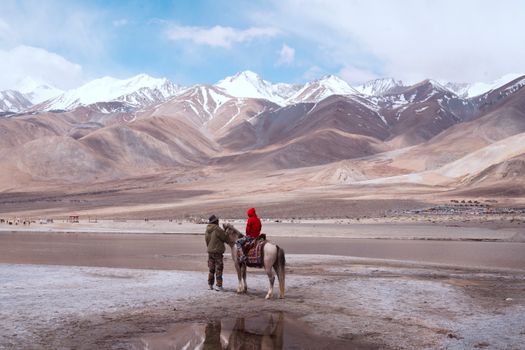
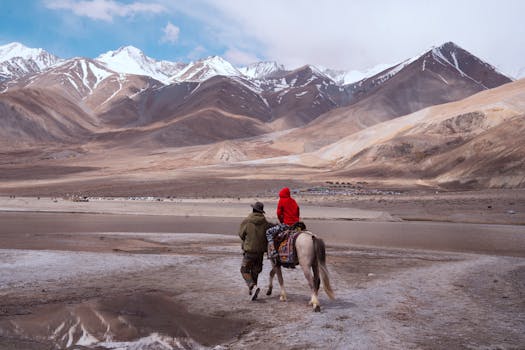
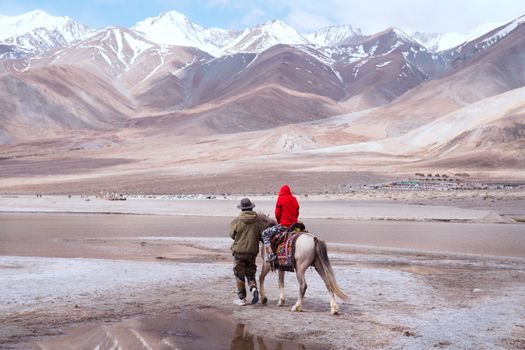
Landing in Bishkek, the capital, felt like stepping into a different era. But the real magic begins once you leave the city behind. My journey took me to Lake Issyk-Kul, the world's second-largest high-altitude lake. While there are some resorts, I opted for a yurt stay on the southern shore near Bokonbaevo. Waking up in a traditional yurt, with the vast expanse of the lake shimmering under the morning sun and the Tian Shan mountains as a backdrop, was an indescribable feeling. I spent days horseback riding through verdant valleys (about $20-30 for a half-day), learning about eagle hunting from local families, and simply soaking in the profound silence.
The real "blow your mind" moment came in the Jyrgalan Valley. This former mining village has transformed into an ecotourism hub, offering incredible multi-day treks and horse treks where you might not see another tourist for days. I embarked on a 3-day horse trek, sleeping in remote shepherd yurts, sharing meals of beshbarmak (noodles with meat) and kumis (fermented mare's milk) with nomadic families. The hospitality was overwhelming, the landscapes – rolling green hills, alpine lakes, snow-capped peaks – were breathtaking, and the sense of freedom was intoxicating. This isn't luxury travel, but it's rich in experience. Yurt stays are typically $20-40 per person per night, including meals.
Practical Tips:
* Getting There: Fly into Manas International Airport (FRU) in Bishkek. Many nationalities can enter visa-free for up to 60 days.
* Best Time: June to September for warm weather, clear mountain passes, and yurt camp availability.
* Must-Do: Horse trekking, staying in a yurt, exploring Lake Issyk-Kul, visiting Jyrgalan Valley, and experiencing traditional nomadic culture.
* Language: Russian is widely spoken, and some English in tourist areas. Learning a few basic Kyrgyz phrases will go a long way.
* Connectivity: Be prepared for limited Wi-Fi outside major towns. Embrace the digital detox!
5. Newfoundland & Labrador, Canada: Icebergs, Whales & Wild Edges
For a summer experience that combines rugged natural beauty, unique cultural charm, and incredible wildlife encounters without the crowds of Canada's more famous national parks, look no further than Newfoundland & Labrador. This Atlantic province offers a wild, untamed edge of the world feel, where icebergs drift past ancient fishing villages and whales breach against a backdrop of dramatic cliffs.
My Newfoundland Narrative:
I'd always heard whispers of Newfoundland's raw beauty, but nothing prepared me for the reality. My journey began in St. John's, a colorful, quirky capital city with a vibrant arts scene. But the true adventure began as I drove along the Irish Loop, a scenic coastal route. There, in late May/early June, I witnessed my first iceberg – a colossal, shimmering blue-white sculpture, slowly drifting along "Iceberg Alley." It was a moment of profound awe, feeling so small yet so connected to the power of nature. I booked a whale-watching tour from Bay Bulls (around CAD$60-80), and within minutes, we were surrounded by humpbacks, their massive tails slapping the water, their blowholes spouting mist into the crisp air.
Further north, Gros Morne National Park, a UNESCO World Heritage site, blew my mind. Its diverse landscapes, from barren tablelands (an exposed mantle of the earth!) to deep fjords, felt utterly unique. I hiked the iconic Tablelands trail, feeling like I was on another planet, and took a boat tour through the stunning Western Brook Pond Fjord (CAD$70-85), marveling at waterfalls cascading down sheer cliffs. The local "Newfie" hospitality is legendary – friendly, full of stories, and quick with a joke. I even experienced a "Screech-in," a fun tradition involving a shot of Newfoundland rum and kissing a codfish! (Totally optional, but highly recommended for a laugh).
Practical Tips:
* Getting There: Fly into St. John's (YYT) or Deer Lake (YDF) for Gros Morne. Renting a car is highly recommended.
* Best Time: May-June for icebergs and early whale season; July-August for warmer weather and peak whale season.
* Must-Do: Iceberg viewing (May-July), whale watching (June-August), explore Gros Morne National Park, visit L'Anse aux Meadows (Viking settlement), and experience a Screech-in.
* Accommodation: B&Bs, guesthouses, and cabins are popular, ranging from CAD$100-200/night.
* Weather: Be prepared for changeable weather – layers are key, even in summer.
6. São Tomé and Príncipe: Africa's Untouched Chocolate Islands
For the ultimate off-the-beaten-path summer escape, where pristine beaches meet lush volcanic rainforests and a unique blend of African and Portuguese culture, São Tomé and Príncipe is a true revelation. These two volcanic islands, located in the Gulf of Guinea off the coast of West Africa, are often called "Africa's Galapagos" for their incredible biodiversity and untouched nature. Forget mass tourism; this is slow travel at its most rewarding.
My Island Discovery:
São Tomé and Príncipe wasn't even on my radar until a friend mentioned it as "the place where time stands still." Intrigued, I booked a flight, and from the moment I landed, I understood. The air was thick with the scent of tropical flowers and cocoa. My first few days were spent exploring São Tomé, the larger island. I rented a 4x4 (around €60-€80/day) and ventured south, past crumbling roças (old colonial cocoa plantations) that whispered tales of a bygone era. I visited a working cocoa plantation, learning about the bean-to-bar process and, of course, sampling some of the world's finest chocolate.
The beaches here are simply breathtaking – often completely deserted, framed by palm trees and the deep blue Atlantic. Praia Jale, known for its sea turtle nesting, offered a surreal sunset experience. My absolute favorite was a day trip to the smaller, even more pristine island of Príncipe. A short, scenic flight (around €150 return) takes you to this UNESCO Biosphere Reserve, where the rainforest is denser, the peaks more dramatic, and the sense of isolation is profound. I hiked to a hidden waterfall, swam in a natural pool, and felt completely immersed in nature. Accommodation ranges from charming guesthouses (€50-€80/night) to eco-resorts (€150+).
Practical Tips:
* Getting There: Fly into São Tomé International Airport (TMS). TAP Air Portugal offers direct flights from Lisbon.
* Best Time: June-September is the dry season, offering sunniest weather and calmer seas.
* Must-Do: Visit a cocoa plantation, explore the south of São Tomé, relax on deserted beaches, snorkel/dive, and take a trip to Príncipe Island.
* Currency: Dobra (STD), but Euros are widely accepted in tourist areas.
* Pace: Embrace the slow pace of life. Things operate on "leve-leve" (slowly, slowly) time.
Ready to Redefine Your Summer?
There you have it – six destinations that promise to rewrite your summer travel story. No more battling crowds, no more frantic searches for an empty patch of sand. These are places where the adventure is real, the beauty is unspoiled, and the memories you make will be genuinely your own.
From the rugged peaks of Albania to the dramatic cliffs of the Faroes, the serene lakes of Slovenia, the nomadic heart of Kyrgyzstan, the wild coast of Newfoundland, and the untouched charm of São Tomé and Príncipe – each offers a unique, mind-blowing escape from the ordinary.
So, which hidden gem will you uncover this summer? Don't just dream about it; make it happen. The world is full of incredible places waiting to be explored, far from the madding crowd.
What's your ultimate crowd-free summer destination? Share your secrets in the comments below! And if this post inspired you, don't forget to share it with your fellow adventurers!
---