Say Goodbye to Summer Crowds: Your Guide to Trending, Tranquil Escapes!
Remember that time you planned your dream summer vacation, envisioning serene beaches or quaint European villages, only to find yourself shoulder-to-shoulder with thousands of other tourists? Yeah, me too. My last trip to a "secret" cove in the Mediterranean turned into a battle for a patch of sand, complete with a soundtrack of competing selfie sticks and a distinct lack of genuine charm. It was then I vowed: never again would I let peak season crowds dictate my summer adventures.
The good news? The travel world is vast, and while some spots are perpetually popular, an exciting wave of destinations is emerging – offering breathtaking beauty, rich culture, and authentic experiences without the overwhelming crowds. These aren't just obscure corners of the map; they're places gaining buzz for their unique appeal, still largely untouched by mass tourism, and perfectly poised for your next unforgettable summer escape.
So, if you're ready to ditch the queues, embrace genuine discovery, and capture truly Instagram-worthy moments that aren't photobombed by strangers, then buckle up. Your guide to the best trending, crowd-free summer destinations starts now!
1. Albania's Riviera: Europe's Untamed Coastal Gem
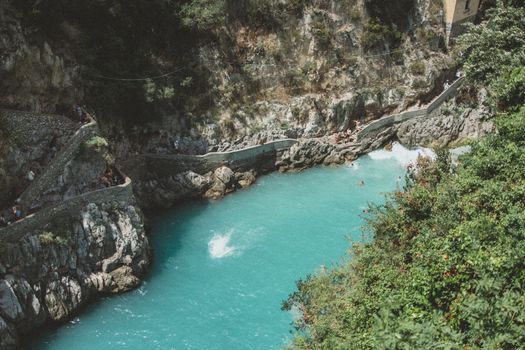
When you think "European summer beach holiday," your mind probably jumps to Greece, Italy, or Croatia. And while those are undeniably beautiful, they often come with a side of sardine-can crowds. Enter Albania's Riviera, a stretch of coastline boasting turquoise waters, dramatic cliffs, and charming villages that feels like the Mediterranean of 30 years ago – still wild, wonderfully affordable, and increasingly accessible.
My first visit to Albania was a revelation. I remember driving south from Vlorë, the winding coastal road revealing one stunning vista after another. The water wasn't just blue; it was a kaleidoscope of aquamarine, sapphire, and emerald.
Why it's trending (and still crowd-free):
Albania is finally stepping into the spotlight, shedding its enigmatic past to reveal a welcoming culture and pristine natural beauty. It's affordable, authentic, and offers a genuine sense of discovery that's hard to find in Western Europe anymore.
What to do & where to go:
* Ksamil: Often dubbed the "Maldives of Europe," Ksamil offers small, incredibly picturesque islands accessible by swimming or short boat rides. The beaches here are powdery white, and the water is impossibly clear. While it's one of Albania's more popular spots, visiting outside of peak August weekends or heading to a slightly less central beach will still give you plenty of space.
* Dhërmi & Himara: These towns offer a more laid-back vibe with beautiful beaches, excellent seafood restaurants, and stunning sunsets. Dhërmi has a vibrant nightlife scene without being overwhelming, while Himara is perfect for families or those seeking quieter relaxation.
* Gjirokastër & Berat: Don't miss these UNESCO World Heritage cities inland. Gjirokastër, the "Stone City," is a fascinating labyrinth of cobblestone streets and Ottoman-era houses, while Berat, the "City of a Thousand Windows," offers similar historical charm and incredible views.
* Llogara Pass: This mountain pass offers some of the most spectacular coastal views in Europe. Stop at a roadside restaurant for fresh grilled lamb and soak it all in.
Practical Tips:
* Getting there: Fly into Tirana (TIA) and rent a car for the ultimate road trip flexibility, or take a bus to coastal towns. Ferries also connect Albania with Corfu, Greece.
* Accommodation: Expect charming guesthouses, boutique hotels, and increasingly, stylish Airbnbs. Prices are significantly lower than in neighboring countries. A decent double room can be found for €30-€60/night.
* Food: Albanian cuisine is a delicious blend of Mediterranean and Balkan influences. Expect fresh seafood, grilled meats, salads, and incredible pastries. A hearty meal with drinks can cost as little as €10-€15 per person.
* Best time to visit: June and September offer perfect weather with fewer crowds than July and August.
Instagram Moment:
A drone shot (if you have one!) over the Ksamil islands, or a classic sunset silhouette over the Ionian Sea from a cliffside restaurant in Dhërmi.
2. Slovenia's Julian Alps: A Fairytale of Mountains & Emerald Waters
Forget the Swiss Alps and their hefty price tags. Slovenia’s Julian Alps are a true hidden gem, offering breathtaking scenery, crystal-clear rivers, and pristine national parks. While Lake Bled is deservedly famous, the rest of this small, green country remains surprisingly uncrowded, particularly in the stunning Triglav National Park.
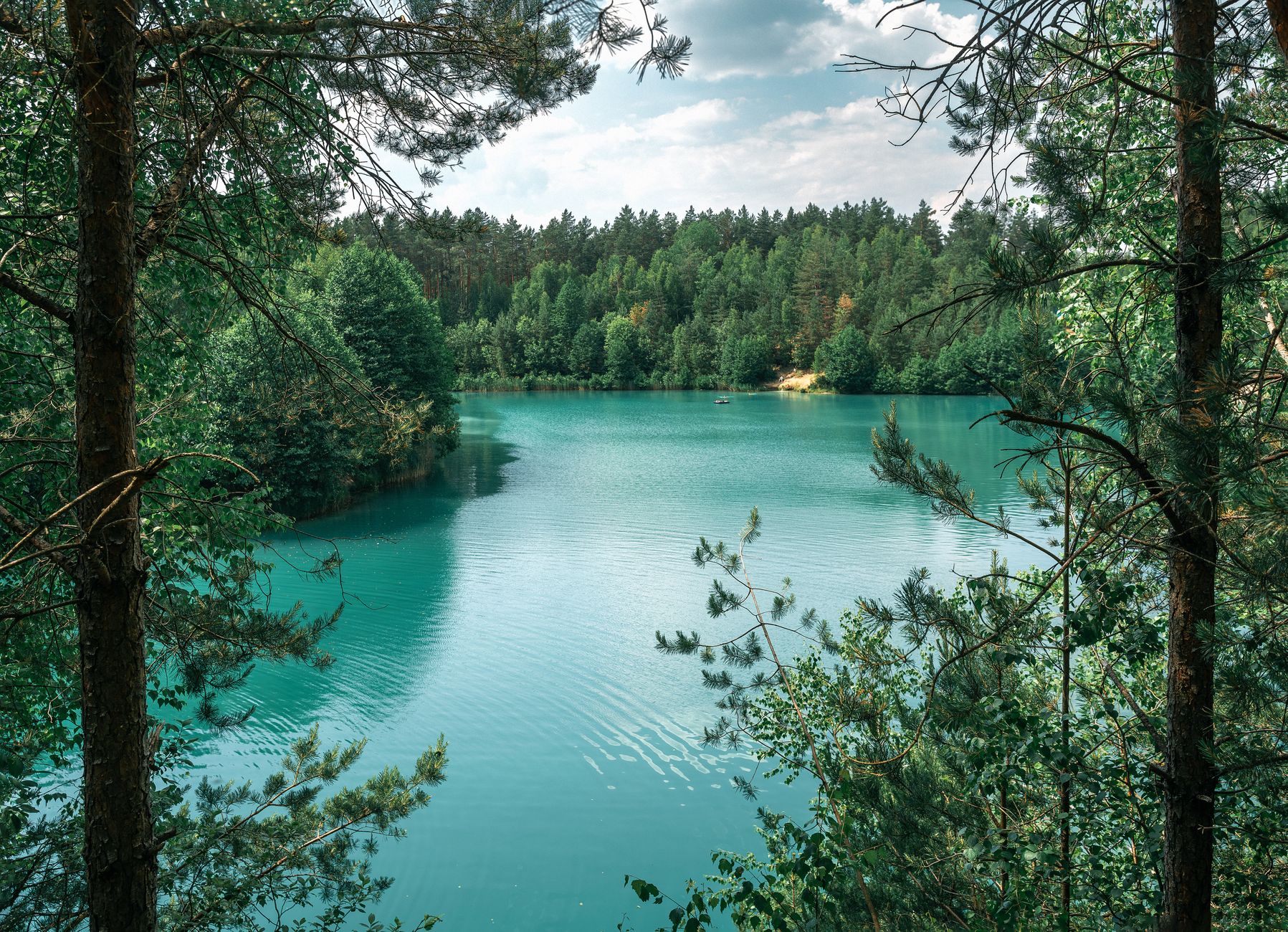
My most vivid memory of Slovenia is kayaking down the Soča River. The water was an unreal emerald green, so clear you could see every pebble on the riverbed. The towering peaks of the Alps loomed above, and the only sounds were the gentle paddle strokes and the chirping of birds. It felt like stepping into a postcard.
Why it's trending (and still crowd-free):
Slovenia consistently ranks high for safety and sustainability. Its commitment to preserving its natural beauty, coupled with a growing reputation for outdoor adventure, makes it appealing to conscious travelers seeking active escapes. While Bled sees tourists, the wider Julian Alps region offers vast swathes of untouched wilderness.
What to do & where to go:
* Lake Bohinj: A larger, wilder, and significantly less crowded alternative to Lake Bled. Rent a rowboat, hike along its shores, or take a cable car up Vogel mountain for panoramic views of the Julian Alps.
* Soča Valley: Home to the stunning emerald-green Soča River, this valley is a paradise for outdoor enthusiasts. Go white-water rafting, kayaking, canyoning, or simply hike along the Soča Trail, stopping at natural pools and waterfalls.
* Vršič Pass: Slovenia's highest mountain pass offers 50 hairpin bends and incredible views. It’s a fantastic scenic drive with numerous hiking opportunities.
* Kranjska Gora: A charming alpine village perfect as a base for exploring the northern Julian Alps. It offers excellent hiking, cycling, and access to Lake Jasna.
Practical Tips:
* Getting there: Fly into Ljubljana (LJU). Renting a car is highly recommended to explore the Alps at your own pace. Slovenia has excellent, well-maintained roads.
* Accommodation: From cozy guesthouses and family-run hotels to rustic mountain huts (koča) for hikers, there's a range of options. Expect €50-€100/night for a comfortable stay.
* Food: Hearty alpine cuisine, often featuring local cheeses, cured meats, stews, and delicious strudels. Don't miss štruklji (rolled dumplings). A good meal will cost €15-€25.
* Best time to visit: June to September for hiking and water activities. The weather is generally warm and sunny, but expect cooler evenings in the mountains.
Instagram Moment:
A serene morning shot of Lake Bohinj reflecting the surrounding mountains, or an action shot of you kayaking on the emerald Soča River.
3. The Azores, Portugal: Europe's Volcanic Wonderland in the Atlantic
Imagine lush green landscapes, dramatic volcanic craters, steaming hot springs, and whales breaching in the distance. Now imagine all of this without the overwhelming throngs of tourists you'd find in mainland Portugal. Welcome to The Azores, a Portuguese archipelago located in the mid-Atlantic, gaining traction as an eco-tourism haven.
My visit to São Miguel, the largest island, felt like stepping onto another planet. Hiking around the Sete Cidades caldera, with its twin blue and green lakes, was an otherworldly experience. Later, soaking in the thermal pools of Furnas, surrounded by tropical foliage, was pure bliss. It's rugged, wild, and utterly captivating.
Why it's trending (and still crowd-free):
Direct flights from North America and Europe are becoming more common, making these remote islands more accessible. Their commitment to sustainable tourism and focus on nature-based activities appeals to travelers looking for adventure and tranquility. While gaining popularity, the sheer size and diverse offerings of the nine islands still ensure plenty of space.
What to do & where to go:
* São Miguel: The "Green Island" is the most developed and offers the most variety. Explore the iconic Sete Cidades crater lakes, soak in the thermal pools of Furnas (don't miss the Cozido das Furnas, a stew cooked underground by volcanic heat!), and hike to stunning viewpoints like Miradouro da Boca do Inferno.
* Whale & Dolphin Watching: The Azores are one of the world's best spots for marine life, with resident sperm whales and various dolphin species. Tours depart from several islands.
* Pico Island: Home to Mount Pico, Portugal's highest peak. Hike to the summit for an incredible sunrise view, or explore the island's unique UNESCO-listed vineyards built into volcanic rock.
* Flores & Corvo: These westernmost islands are incredibly remote and wild, offering dramatic waterfalls, lush valleys, and a true sense of escape.
Practical Tips:
* Getting there: Fly directly to Ponta Delgada (PDL) on São Miguel from several European and North American cities. Inter-island flights are available, or take ferries between closer islands.
* Accommodation: Charming guesthouses, boutique hotels, and rural tourism accommodations. Expect €60-€120/night.
* Food: Fresh seafood is king! Try lapas (limpets), grilled fish, and the unique Cozido das Furnas. Local cheeses are also excellent. Meals generally range from €15-€25.
* Best time to visit: June to September offers the best weather for hiking and water activities, and it's peak whale-watching season. Even in summer, the climate is mild, rarely getting uncomfortably hot.
Instagram Moment:
The iconic view of the blue and green lakes from Miradouro da Vista do Rei on São Miguel, or a dramatic shot of Mount Pico rising above the clouds.
4. Tohoku Region, Japan: Authentic Culture & Natural Beauty Beyond the Crowds
Most first-time visitors to Japan flock to Tokyo, Kyoto, and Osaka. And while these cities are incredible, they are undeniably crowded. For a summer escape that offers a deeper dive into Japanese culture, stunning natural landscapes, and a profound sense of tranquility, look north to the Tohoku Region. This northern part of Honshu island is a testament to Japan's resilience and beauty.
My journey through Tohoku was a revelation. I remember visiting Matsushima Bay, one of Japan's "Three Great Views," expecting crowds but finding a serene panorama of pine-clad islands. Later, soaking in a traditional ryokan (inn) in Ginzan Onsen, a magical hot spring town, I felt like I'd stepped back in time. The warmth of the people and the authenticity of the experience were truly unforgettable.
Why it's trending (and still crowd-free):
Tohoku is actively promoting itself as an off-the-beaten-path destination, emphasizing its unique festivals, pristine nature, and traditional charm. It appeals to repeat visitors to Japan and those seeking a more immersive, less touristy experience.
What to do & where to go:
* Matsushima Bay: Explore this scenic bay dotted with hundreds of pine-covered islands. Take a boat cruise, visit Zuiganji Temple, and enjoy fresh oysters.
* Ginzan Onsen: A picturesque hot spring town straight out of a Ghibli movie, especially enchanting at dusk when the gas lamps illuminate the wooden ryokans. Book a stay at a traditional ryokan for the full experience.
* Hirosaki Castle: One of Japan's most beautiful original castles, surrounded by stunning gardens. While famous for cherry blossoms, it's beautiful year-round.
* Tadami Line: Often called "the most romantic railway line in the world," this scenic route offers breathtaking views, especially of the train crossing the iconic bridge over the Tadami River.
* Mount Zao: Famous for its "snow monsters" in winter, but in summer, it offers fantastic hiking, volcanic crater lakes (like Okama Crater), and lush alpine flora.
* Aomori Nebuta Festival (early August): If you don't mind a bit of a crowd for an incredible cultural experience, this vibrant festival with huge illuminated floats is worth planning around.
Practical Tips:
* Getting there: The Tohoku Shinkansen bullet train connects Tokyo to major cities like Sendai and Aomori. A Japan Rail Pass can be very cost-effective.
* Accommodation: From modern hotels in cities like Sendai to traditional ryokans in onsen towns. A ryokan stay with dinner and breakfast can range from ¥15,000-¥30,000 (€90-€180) per person.
* Food: Tohoku boasts incredible local specialties like gyutan (grilled beef tongue) in Sendai, fresh seafood, wanko soba (all-you-can-eat noodles) in Iwate, and delicious sake. Expect €10-€25 for a good meal.
* Best time to visit: June to early July offers pleasant weather before the peak heat and humidity of August. September is also lovely, with cooler temperatures.
Instagram Moment:
The magical, gas-lit streets of Ginzan Onsen at twilight, or a perfectly framed shot of the Tadami Line train crossing its iconic bridge.
5. Kyrgyzstan: Central Asia's Mountain Paradise for the Adventurous Soul
If your idea of avoiding crowds means truly getting off the grid and immersing yourself in breathtaking wilderness and nomadic culture, then Kyrgyzstan is your dream summer destination. This landlocked Central Asian nation is a tapestry of towering Tian Shan mountains, vast alpine lakes, and rolling pastures dotted with yurts.
My trek through the Jyrgalan Valley was an absolute highlight. Days were spent hiking through meadows bursting with wildflowers, nights under a blanket of stars so bright I felt like I could touch them, all while staying in traditional yurts. The hospitality of the Kyrgyz people, sharing kumis (fermented mare's milk) and stories, made it an incredibly authentic and soul-stirring experience.
Why it's trending (and still crowd-free):
Kyrgyzstan is gaining recognition among adventure travelers and those seeking truly unique cultural experiences. Its visa-free policy for many nationalities and affordable travel costs make it accessible, yet its remote nature ensures it remains far from mass tourism.
What to do & where to go:
* Issyk-Kul Lake: The world's second-largest alpine lake, often called the "Pearl of Central Asia." Enjoy swimming, relaxing on its shores, or exploring the surrounding canyons and hot springs. Karakol is a great base for exploring the eastern shore.
* Trekking & Horse Riding: The Tian Shan mountains offer endless opportunities for multi-day treks and horse-riding expeditions. Popular areas include Altyn Arashan, Jyrgalan Valley, and Ala Archa National Park (near Bishkek).
* Yurt Stays: Immerse yourself in nomadic culture by staying in a traditional yurt. Many community-based tourism (CBT) initiatives offer these experiences, including meals and cultural activities.
* Song-Kul Lake: A stunning high-alpine lake where you can truly experience nomadic life, staying in yurts and interacting with shepherds.
* Bishkek & Osh: Explore the capital Bishkek for its Soviet-era architecture and bustling markets, and visit Osh, one of Central Asia's oldest cities, with its vibrant bazaar and Sulaiman-Too Sacred Mountain.
Practical Tips:
* Getting there: Fly into Manas International Airport (FRU) in Bishkek. From there, marshrutkas (shared taxis/vans) are the primary mode of inter-city transport, or you can hire private taxis.
* Accommodation: In cities, you'll find guesthouses and hotels (€20-€60). In rural areas, CBT homestays and yurt camps are the best options, often including meals for around €20-€40 per person per night.
* Food: Hearty, meat-centric cuisine with influences from Russia and other Central Asian countries. Try beshbarmak (noodles with meat), laghman (noodles with vegetables and meat), and manty (dumplings). Meals are incredibly affordable, often €5-€10.
* Best time to visit: June to September for trekking and mountain activities. July and August are warmest, but nights in the mountains can still be cool.
Instagram Moment:
A panoramic shot of a yurt camp nestled in a vast green valley with snow-capped mountains in the background, or a candid photo of you riding a horse through an alpine meadow.
6. Puglia, Italy (Salento Peninsula): Sun, Sea & Trulli Without the Tuscan Crush
Italy in summer usually means battling crowds in Rome, Florence, or along the Amalfi Coast. But head south to Puglia, specifically the Salento Peninsula, and you'll discover a different Italy – one of sun-baked white towns, stunning Adriatic and Ionian beaches, ancient olive groves, and unique trulli houses, all with a more relaxed pace and fewer tourists.
My most cherished memory from Puglia was cycling through endless olive groves, the ancient trees twisted into sculptures by time, eventually arriving at a secluded beach with absolutely nobody else in sight. The water was crystalline, and the only sound was the gentle lapping of waves. Later, I savored an orecchiette pasta dish in a local trattoria in Lecce, feeling completely at ease, far from the tourist rush.
Why it's trending (and still crowd-free):
Puglia has been quietly attracting savvy travelers seeking an authentic Italian experience at a more accessible price point. While its popularity is growing, the region is large enough, and its tourism infrastructure spread out, meaning you can still find plenty of tranquil spots, especially outside of August.
What to do & where to go:
* Lecce: The "Florence of the South," this baroque masterpiece city is a joy to wander. Admire its intricate architecture, explore its Roman amphitheater, and enjoy the vibrant evening passeggiata.
* Otranto: A charming coastal town with a stunning cathedral, a medieval castle, and beautiful beaches. It's lively but not overwhelming.
* Polignano a Mare & Monopoli: Iconic seaside towns with dramatic cliff-top settings. While Polignano's main beach can get busy, explore its labyrinthine old town and hidden coves. Monopoli offers a more local, authentic feel with its picturesque fishing harbor.
* Alberobello: Home to the iconic trulli houses (UNESCO World Heritage site). While it attracts visitors, explore the lesser-known Rione Aia Piccola district for a more authentic experience, or stay overnight in a trullo for a unique stay.
* Beaches of Salento: Discover incredible beaches along both the Adriatic and Ionian coasts. Favorites include Pescoluse (the "Maldives of Salento"), Punta Prosciutto, and Torre dell'Orso. Rent a car and explore!
Practical Tips:
* Getting there: Fly into Bari (BRI) or Brindisi (BDS). Renting a car is essential for exploring Puglia's diverse offerings and reaching its best beaches.
* Accommodation: Stay in a masseria (restored farmhouse), a charming B&B, or rent a trullo. Expect €70-€150/night for a lovely stay.
* Food: Puglia is the "breadbasket of Italy" and famous for its simple, fresh, and delicious "cucina povera." Think fresh pasta (especially orecchiette), olive oil, vegetables, seafood, and incredible local wines. A fantastic meal will cost €20-€35.
* Best time to visit: June and September offer warm, sunny weather perfect for the beach, with significantly fewer crowds than July and August.
Instagram Moment:
A vibrant shot of the white-washed streets of Ostuni or Lecce, contrasting with colorful bougainvillea, or a dramatic photo of Polignano a Mare's cliffside houses against the turquoise Adriatic.
---
Your Summer Adventure Awaits!
The world is full of incredible places, and while it's easy to fall into the trap of visiting the same old hotspots, the real magic often lies just beyond the well-trodden path. These trending destinations offer a chance to connect with local cultures, immerse yourself in stunning natural beauty, and create memories that truly stand out – all without the stress of overwhelming crowds.
So, which hidden gem will be your next summer escape? Whether it's the Albanian coast, the Slovenian Alps, the volcanic Azores, the spiritual heart of Tohoku, the wild mountains of Kyrgyzstan, or the sun-drenched charm of Puglia, a world of authentic adventure awaits.
Don't just dream it, plan it!
Share your favorite crowd-free summer destinations in the comments below, or tell us which of these spots has captured your imagination. And if this post has inspired you, be sure to share it with your fellow travel enthusiasts! Let's make this summer about discovery, not crowds.
---