Beyond the Beaten Path: Unearth Your Own Underground Epic – Self-Guided Caves That Will Blow Your Mind!
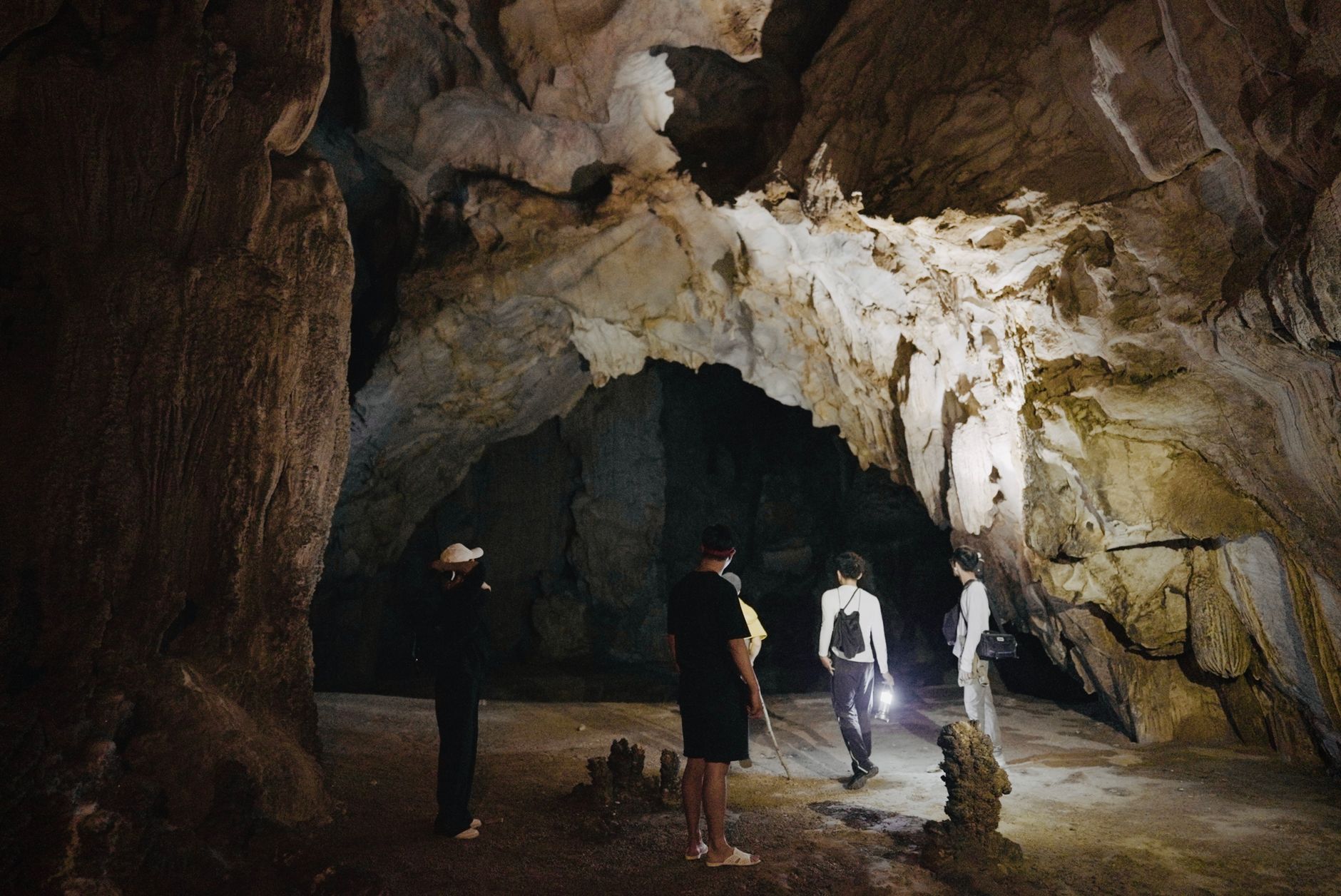
The air grew heavy, thick with the scent of damp earth and ancient stone. My headlamp beam sliced through the absolute darkness, revealing glistening walls and intricate formations that seemed to breathe with a life of their own. Every drip echoed, every whisper of wind felt like a secret. There was no guide, no group, just me and the silent, majestic underworld stretching before me. That moment, deep within a lava tube in the Pacific Northwest, was when I truly understood the profound magic of self-guided cave exploration.
It's an experience that transcends a typical tourist attraction. It's raw, personal, and utterly exhilarating. While guided tours have their place, there’s an unparalleled sense of discovery when you navigate the subterranean world on your own terms. You set the pace, linger where you wish, and feel a primal connection to the earth's hidden artistry.
At Tripsora, we're all about empowering you to find those unforgettable, authentic adventures. So, if you're ready to ditch the crowds and delve into the earth's spectacular secrets, grab your headlamp – because I'm about to share some mind-blowing self-guided cave systems that will redefine your idea of adventure!
Why Go Self-Guided? The Freedom of the Underworld
Before we descend into the specifics, let's talk about why choosing a self-guided cave experience is so transformative:
- Pace Yourself: No rushing past formations, no waiting for slow groups. You can spend minutes admiring a single stalactite or power through a long tunnel – it's entirely up to you.
- Deeper Immersion: Without a guide narrating every detail, your senses sharpen. You notice the subtle sounds, the changes in temperature, the intricate textures. It becomes a more meditative, personal journey.
- Cost-Effective: Many self-guided caves have lower (or even no!) entry fees compared to their guided counterparts. This is a win for budget-conscious adventurers.
- Authenticity: There's a certain thrill in knowing you're navigating a natural wonder, trusting your own instincts and preparation. It feels more like true exploration.
- Photography Freedom: Want to set up a tripod for that perfect long-exposure shot? Go for it! No pressure from a tour group to keep moving.
But with great freedom comes great responsibility. Self-guided caving requires preparation, respect for nature, and a strong dose of common sense.
Essential Gear & Safety First: Your Underground Expedition Checklist
Safety is paramount when exploring caves, especially without a dedicated guide. Don't let the allure of adventure overshadow the need for careful planning.
- Lighting is King (and Queen!): This is non-negotiable. You need at least two independent light sources per person. A primary headlamp (hands-free is crucial!) with fresh batteries, and a backup flashlight. Better yet, a third, small emergency light source. Test them before you go!
- Sturdy Footwear: Think hiking boots with good ankle support and excellent grip. Caves are often wet, muddy, and uneven.
- Appropriate Clothing: Layers are best. Caves maintain a constant, cool temperature (often 45-55°F or 7-13°C), regardless of the outside weather. Long pants and a long-sleeved shirt protect against scrapes and cold. You'll likely get dirty, so don't wear your best clothes!
- Water & Snacks: Hydration is key, even if you don't feel like you're exerting yourself much. A small, high-energy snack can be a lifesaver.
- Small First-Aid Kit: Band-aids, antiseptic wipes, pain relievers, and any personal medications.
- Navigation: While many self-guided caves are well-marked, a basic compass or a downloaded offline map on your phone can be useful. Know the cave's layout if possible.
- Tell Someone Your Plans: Always inform a reliable person (friend, family, park ranger) exactly where you're going and when you expect to return. Stick to your plan.
- Respect the Cave: Do not touch formations (oils from your skin damage them), do not litter, and pack out everything you pack in. Stick to marked paths to protect delicate ecosystems. Leave no trace.
- Know Your Limits: If a passage looks too narrow, too slippery, or too dangerous, turn back. There's no shame in prioritizing your safety.
Now, with our safety briefing complete, let's dive into some of the most incredible self-guided cave systems you can explore!
North American Wonders: From Lava Tubes to Limestone Halls
North America offers an abundance of opportunities for self-guided subterranean exploration, from ancient volcanic tunnels to vast limestone caverns.
1. Ape Cave, Gifford Pinchot National Forest, Washington, USA
My first truly self-guided cave experience was at Ape Cave, and it remains one of my favorites. Located near Mount St. Helens, this is the third-longest continuous lava tube in North America, stretching over 2.5 miles (4 km). It's a geological marvel formed by ancient lava flows.
- The Experience: Ape Cave offers two main sections. The lower cave, about 0.75 miles (1.2 km) long, is relatively easy, with a fairly flat dirt floor. It's perfect for families and first-timers. The upper cave, however, is where the adventure truly begins. It's a rugged, 1.5-mile (2.4 km) trek that involves scrambling over lava falls, navigating tight squeezes, and encountering truly monumental formations. I remember crawling over the "Meatball," a huge lava formation, feeling like an astronaut exploring a new planet. The silence, punctuated only by the drip of water, was profound.
- Practical Details:
- Location: Gifford Pinchot National Forest, near Cougar, Washington. About 2 hours from Portland, Oregon.
- Entry Fee: A Northwest Forest Pass ($5/day or annual pass) is required to park.
- Gear: ABSOLUTELY bring multiple bright headlamps (or rent lanterns from the visitor center during peak season, but having your own is better). Sturdy shoes, warm layers, and water are essential.
- Time Commitment: Allow 1-2 hours for the lower cave, and 2-3 hours for the upper cave (or longer if you really want to explore).
- Instagram-worthy: The entrance is stunning, and the deep, dark interior with your headlamp beam cutting through creates dramatic shots.
2. Lava Beds National Monument, California, USA
If you loved Ape Cave, or just want more lava tube action, head south to Lava Beds National Monument in northern California. This incredible park boasts over 700 caves, and around two dozen are developed for self-guided exploration!
- The Experience: What I love about Lava Beds is the variety. You can explore everything from massive, cathedral-like caves to tight, challenging squeezes. The park even loans out lanterns for free at the visitor center (though, again, bring your own reliable headlamp!). I spent a full day here, popping in and out of different caves, each with its own unique character. Mushpot Cave is a great starter, with interpretive signs. Sentinel Cave offers a longer, more adventurous loop. And for those seeking a challenge, Catacombs Cave is a narrow, winding experience that will test your agility. The geological history here is palpable, and the sheer number of accessible caves is unparalleled.
- Practical Details:
- Location: Northern California, near the Oregon border.
- Entry Fee: National Park entrance fee ($25/vehicle for 7 days, or America the Beautiful Pass).
- Gear: Headlamps (multiple!), sturdy shoes, and warm layers are a must. The visitor center provides lanterns if needed.
- Time Commitment: You could spend days here! Allow at least a half-day to explore a few different caves.
- Instagram-worthy: The contrast of the stark volcanic landscape above ground with the dark, intricate caves below makes for unique photos.
European Subterranean Secrets: Ancient Beauty on Your Own Terms
Europe, with its rich history and diverse landscapes, also offers some fantastic self-guided cave experiences where you can connect with ancient geological and human stories.
3. Smoo Cave, Durness, Scotland
Nestled on the rugged north coast of Scotland, Smoo Cave isn't just a cave; it's a geological spectacle combining a sea cave and a freshwater cave, with a stunning waterfall inside. While a small boat tour operates deeper into the cave during summer, the main chamber and the walk to it are entirely self-guided and breathtaking.
- The Experience: My visit to Smoo Cave was unforgettable. The walk down the winding path to the cave entrance offers dramatic coastal views. As you step inside the massive, cathedral-like main chamber, you're immediately struck by its sheer size – one of the largest sea caves in Britain. A wooden walkway leads you further inside, where a powerful waterfall cascades into a deep pool, creating an ethereal mist. You can explore this main chamber freely, marveling at the unique rock formations and the interplay of light and shadow. The sound of the waterfall is immense, a powerful reminder of nature's force.
- Practical Details:
- Location: Durness, Sutherland, Scottish Highlands. Part of the North Coast 500 route.
- Entry Fee: Free! (Boat tour further in has a small fee, weather permitting).
- Gear: Good walking shoes, waterproof jacket (from waterfall spray), and warm layers are recommended. A headlamp isn't strictly necessary for the main chamber but useful for seeing details.
- Time Commitment: Allow 1-2 hours to walk down, explore the main chamber, and enjoy the surroundings.
- Instagram-worthy: The cave entrance, the massive main chamber, and especially the waterfall within make for incredibly dramatic and moody photographs. #SmooCaveMagic
4. Keshcorran Caves, County Sligo, Ireland
For a taste of ancient history and a truly wild, self-guided adventure, the Keshcorran Caves in County Sligo, Ireland, are a must-visit. These are not 'show caves' but rather a series of natural limestone caves dotting the side of the mystical Keshcorran mountain.
- The Experience: My hike up to the Keshcorran Caves felt like stepping into a legend. The walk itself offers panoramic views of the surrounding countryside. There are over 16 caves, some quite large, others smaller crevices, all freely accessible. These caves have a rich history, believed to be associated with ancient Irish mythology and archaeological finds of prehistoric animals. I spent hours clambering into different openings, imagining ancient inhabitants and the creatures that once roamed here. It’s a raw, unadorned experience – no paved paths, no railings, just you and the ancient earth. You'll need to use your hands and feet to navigate some of the entrances.
- Practical Details:
- Location: Near Ballymote, County Sligo, Ireland.
- Entry Fee: Free!
- Gear: Sturdy hiking boots, warm layers, and a good headlamp are essential, especially if you plan to go beyond the immediate entrances. Bring water and snacks.
- Time Commitment: Allow 2-4 hours, including the hike up and down, and exploring several caves.
- Instagram-worthy: The views from the mountain are spectacular, and the cave entrances themselves, often framed by lush greenery, are very photogenic.
Asia & Oceania's Hidden Depths: Tropical Thrills & Ancient Myths
From sacred temple caves to complex limestone systems, Asia and Oceania offer unique opportunities to explore caves independently, often infused with local culture and breathtaking natural beauty.
5. Jenolan Caves, NSW, Australia (Self-Guided Options: Nettle Cave & Imperial Cave)
Jenolan Caves, located in the Blue Mountains of New South Wales, is one of the oldest cave systems in the world. While many of its spectacular caves are guided, they thoughtfully offer excellent self-guided options, perfect for the independent explorer.
- The Experience: My visit to Jenolan was a highlight of my Australian trip. I opted for the self-guided Imperial Cave and Nettle Cave. The Imperial Cave is a fantastic choice, offering a challenging yet rewarding journey through a long, winding passage. You follow a well-marked path, but the feeling of being in control of your exploration, with only the ambient lighting and your headlamp to guide you, is incredible. The formations are exquisite, with sparkling crystals and dramatic chambers. The Nettle Cave is a shorter, fascinating experience, a 'dry' cave that showcases the power of water erosion and unique stalactites. It’s a great introduction to the area's geology. The entire Jenolan area is stunning, with a beautiful river and impressive limestone cliffs.
- Practical Details:
- Location: Jenolan Caves Road, Jenolan, NSW, Australia. About 3 hours drive west of Sydney.
- Entry Fee: Self-guided cave tickets are AUD $35-42 per adult (prices vary slightly by cave and season). You can purchase tickets online or at the visitor center.
- Gear: Comfortable walking shoes (some stairs), light jacket (caves are cool), and a water bottle. While the caves have some internal lighting, a small headlamp is always a good idea for details or in case of power fluctuations.
- Time Commitment: Each self-guided cave takes approximately 1-1.5 hours to explore.
- Instagram-worthy: The dramatic cave entrances, the intricate formations, and the stunning Blue Mountains scenery around Jenolan make for incredible photo opportunities.
6. Tham Khao Luang Cave, Phetchaburi, Thailand
Stepping into Tham Khao Luang Cave in Thailand is like entering a sacred, natural cathedral. This isn't just a cave; it's a revered temple site, and you're free to explore its magnificent chambers and discover its hidden Buddha statues at your own pace.
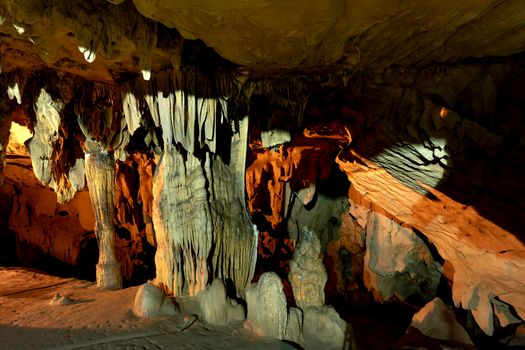
- The Experience: My visit to Tham Khao Luang was a truly spiritual and visually stunning experience. After descending a series of steps, you enter a vast, sun-drenched chamber where a golden reclining Buddha image rests, bathed in natural light filtering through an opening in the cave ceiling. The cave is home to over 170 Buddha statues, some large, some tiny, tucked into nooks and crannies. You can wander freely, taking in the intricate stalactites and stalagmites that frame the religious artifacts. The atmosphere is serene and awe-inspiring. Local macaque monkeys often greet you at the entrance, adding a touch of playful chaos to the sacred space.
- Practical Details:
- Location: Phetchaburi, Thailand. About 2 hours drive southwest of Bangkok.
- Entry Fee: Free, though a small donation for maintenance is appreciated.
- Gear: Comfortable shoes (steps can be slippery), modest clothing (as it's a temple), and a camera. A headlamp isn't strictly necessary as there's natural light and some electric lighting, but can help illuminate darker corners.
- Time Commitment: 1-2 hours to explore thoroughly and soak in the atmosphere.
- Instagram-worthy: The natural light beams illuminating the Buddha statues are absolutely breathtaking and create magical photo opportunities. #ThailandCaves #SacredSpaces
Latin America's Labyrinthine Journeys: Cenotes and Beyond
Latin America, particularly Mexico's Yucatán Peninsula, offers a completely different kind of self-guided cave experience: exploring the mystical cenotes.
7. Yucatán Cenotes, Mexico
The Yucatán Peninsula is dotted with thousands of cenotes – natural sinkholes that expose groundwater. These freshwater pools, often found within spectacular cave systems, are perfect for self-guided swimming, snorkeling, and diving.
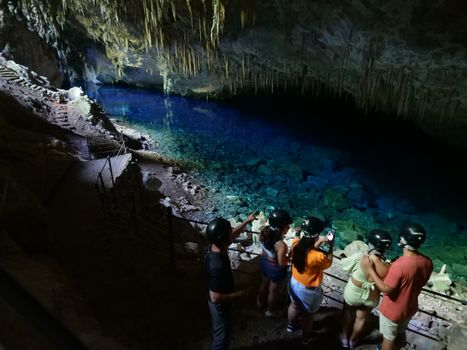
- The Experience: My first dive into a cenote was nothing short of magical. The water was crystal clear, cool, and utterly inviting. Many cenotes, like Cenote Azul near Playa del Carmen or Gran Cenote near Tulum, are open for independent exploration. You can swim through intricate passages, marvel at the stalactites hanging above and below the water, and feel the ancient energy of these sacred Mayan sites. Some are open-air, like natural swimming holes, while others are deep, dark caverns requiring a snorkel and mask (or even dive gear for the more adventurous). The feeling of swimming through a subterranean river, with beams of sunlight piercing the water, is an experience you'll never forget.
- Practical Details:
- Location: Throughout the Yucatán Peninsula, Mexico. Popular clusters near Tulum, Playa del Carmen, and Mérida.
- Entry Fee: Varies widely, from 50 MXN to 300 MXN per person, depending on the cenote and its facilities.
- Gear: Swimsuit, towel, snorkel and mask (often available for rent), biodegradable sunscreen (to protect the delicate ecosystem), and water shoes. For darker cenotes, a waterproof headlamp is a game-changer.
- Time Commitment: You can spend anywhere from an hour to a full day exploring different cenotes.
- Instagram-worthy: Underwater shots in the crystal-clear water, sunlight beams piercing through cave openings, and the lush jungle surroundings make for stunning photos. #CenoteLife #YucatanAdventure
Beyond the Mainstream: Finding Your Own Underground Oasis
The caves listed above are fantastic starting points, but the world is full of lesser-known, truly wild, and often free-to-explore caves. How do you find them?
- Local Knowledge: Ask locals! Park rangers, hotel staff, or even fellow travelers might know about hidden gems.
- National Parks & Forests: Many national parks and forests have undeveloped caves that are open to the public for self-exploration. Check park websites or visitor centers for regulations and safety information.
- Online Forums & Caving Clubs: Dedicated caving communities often share information about accessible caves, though be mindful that some wild caves require advanced skills and gear.
- Google Maps & Satellite View: Sometimes, a keen eye on satellite imagery can reveal potential cave entrances in remote, rocky areas. Always cross-reference with local knowledge and safety warnings.
Remember, the more remote and undeveloped a cave, the more critical your preparation and safety precautions become.
Ready to Descend into Adventure?
There’s a profound beauty and thrill in exploring the earth’s hidden depths, especially when you’re the one charting your course. Self-guided cave exploration isn't just about seeing amazing formations; it's about connecting with nature on a deeper level, testing your limits, and creating truly unforgettable memories.
So, pack your headlamp, lace up your boots, and get ready to be blown away by the incredible, accessible cave systems waiting for your independent discovery. Which underground adventure will you embark on first?
Share your favorite self-guided cave experiences in the comments below! And don't forget to tag Tripsora in your epic cave photos – we can't wait to see your adventures!
---