The Whispers of Spring: Unlocking Nature's Best-Kept Floral Secrets
The air hums with a different kind of energy in spring, doesn't it? A promise of renewal, a vibrant reawakening. Most travelers chase the obvious: the iconic cherry blossoms of Kyoto, the endless tulip fields of Holland, or California’s widely publicized superblooms. And while those are undeniably beautiful, there’s a whole other world of floral magic happening right under our noses – a world so rare, so fleeting, that locals often guard its secrets with a quiet fierceness.
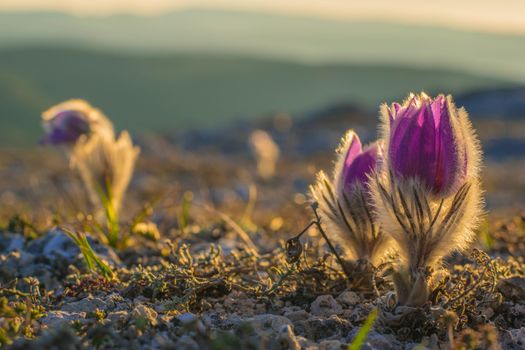
I learned this lesson years ago, quite by accident, while hiking a lesser-known trail in the Pacific Northwest. I was aiming for a waterfall, but a flash of impossible purple caught my eye. Tucked away in a mossy crevice, sheltered by ancient cedars, was a cluster of flowers I’d never seen before, their petals like delicate stained glass. A local trail runner, pausing to catch his breath, saw me admiring them. He simply smiled, a knowing glint in his eye, and said, "They only show their faces for a few weeks a year. Most people just walk right past." That moment ignited a new passion in me: to seek out these ephemeral wonders, these "secret blooms" that offer a glimpse into nature's most intimate artistry.
This isn't about trespassing or exploiting fragile ecosystems. It's about respectful discovery, a deeper connection to the natural world, and understanding why these treasures are so cherished. It's about finding that once-in-a-lifetime photo op, not because it's trending, but because it’s genuinely rare and breathtaking. Ready to trade the tourist hordes for true botanical wonder? Let's dive into some of the world's most incredible, yet often overlooked, spring bloom experiences.
Why Do Locals Keep These Blooms a Secret? Beyond Just Protecting a Spot
Before we unveil these floral marvels, it’s crucial to understand why some of these locations remain off the mainstream tourist radar. It’s not always about selfishness; often, it’s about preservation, cultural heritage, and ecological fragility.
- Ecological Protection: Many rare flowers are incredibly delicate, susceptible to trampling, picking, or even the subtle changes in soil pH caused by increased human traffic. Over-tourism can devastate an entire habitat in a single season. Locals who understand the ecosystem's balance become its most ardent protectors.
- Cultural Significance: For indigenous communities or long-standing rural populations, certain blooms hold deep cultural, medicinal, or spiritual significance. Their locations are sacred, and sharing them widely might dilute their meaning or expose them to disrespect.
- The Joy of Solitude: Part of the magic of witnessing something truly rare is the silence, the solitude, the feeling of personal discovery. When a spot becomes an Instagram hotspot, that tranquility is often lost, replaced by crowds, noise, and sometimes, litter.
- Avoiding Exploitation: Rare plants can be valuable to collectors or even poachers. Keeping locations discreet helps prevent illegal harvesting and trade.
Our goal as responsible travelers is to appreciate these reasons and approach our search for secret blooms with respect, curiosity, and a commitment to leave no trace.
The Ghost Orchid of the Florida Everglades: Nature's Elusive Phantom
Imagine a flower so rare, so ethereal, it seems to defy reality. The Ghost Orchid (Dendrophylax lindenii) is precisely that. This leafless, rootless orchid clings to the bark of specific cypress trees deep within the swamps of Southwest Florida, its ghostly white petals resembling a frog in mid-leap, glowing against the dark, humid backdrop. It blooms primarily from June to August, but the window for finding it, especially during the drier spring months when access is easier, requires immense patience and local knowledge.
My own quest for the Ghost Orchid was less about finding a specific flower and more about experiencing the incredible, primeval Fakahatchee Strand Preserve State Park – the "Amazon of North America." I booked a guided swamp walk with a local naturalist, a grizzled veteran named Clyde, who had spent decades navigating the cypress domes. He didn't promise an orchid sighting, only an immersion. We waded through knee-deep water, the air thick with the scent of cypress and decay, serenaded by unseen birds and buzzing insects. Clyde taught me to look for the tiny, almost invisible roots clinging to the bark, the tell-tale sign of an orchid’s presence even when not in bloom.
Then, on a particularly humid afternoon in late May, just as the first hints of summer heat were setting in, Clyde stopped. He pointed, not with a finger, but with his chin. There, high on an ancient cypress, almost camouflaged, was a single, perfect Ghost Orchid, its petals unfurling. It wasn't fully open, but the promise was there. It was like spotting a mythical creature – a moment of pure, unadulterated awe.
Practical Tips:
* Location: Fakahatchee Strand Preserve State Park, near Copeland, Florida. This is its most famous habitat.
* Best Time to Look: While actual blooms are late spring to late summer, the best time for a swamp walk to search for them (and learn about their habitat) is typically March-May when water levels are lower and temperatures are more forgiving.
* Access: You absolutely need a local guide for a swamp walk. Contact the Friends of Fakahatchee or the Big Cypress Swamp Welcome Center (near Ochopee) for guided tours. Expect to pay around $50-$100 for a guided walk.
* What to Bring: Long pants, closed-toe shoes (that will get wet!), bug spray, water, binoculars, and an open mind.
* Respect: Do NOT touch or disturb the orchids. Stay on designated paths or follow your guide's instructions precisely. This plant is endangered and protected.
Japan's Blue Sea of Nemophila: Beyond Hitachi Seaside Park
When people think of Nemophila (Baby Blue Eyes) in Japan, they instantly picture the sprawling, iconic fields of Hitachi Seaside Park. And yes, they are stunning. But imagine discovering a smaller, more intimate field, equally breathtaking, without the shoulder-to-shoulder crowds. That's the secret many Japanese locals cherish.
My friend, a Kyoto resident named Akari, insisted we take a day trip "somewhere special" one spring. After a bullet train ride and a local bus, we found ourselves in a quaint, rural town, its name I promised not to widely disclose. The town was celebrating its annual "Aoi Matsuri" (Blue Festival), a small local event. We followed handwritten signs through winding country roads, past rice paddies and traditional farmhouses, until we reached it: a gentle hillside, bathed in an impossibly vibrant sea of cerulean Nemophila. It wasn't as vast as Hitachi, but its intimacy was its charm. There were only a handful of other visitors, mostly elderly couples with picnic baskets, and a few local photographers.
The air was filled with the gentle hum of bees, and the distant sound of a temple bell. We spent hours there, picnicking on local pastries, taking photos, and simply soaking in the tranquility. It felt like stumbling into a dream, a private slice of spring heaven. Akari explained that many smaller towns cultivate these flowers, not for mass tourism, but for their own community's enjoyment and as a quiet offering to nature.
Practical Tips:
* Location: While I can't give away Akari's secret spot, the key is to look for smaller, prefectural parks or local festivals outside major cities. Research "Nemophila Matsuri" (Nemophila Festival) for lesser-known regions like Saitama, Tochigi, or even rural areas of Kansai.
* Best Time: Mid-April to early May is typically peak Nemophila season, but it varies by region and year.
* How to Find Them: Use Japanese search engines (Google Translate helps!) for "ネモフィラ 祭り" (Nemophila Matsuri) + specific prefectures or smaller towns. Look for local tourism boards' websites, not just national ones. Ask hotel staff or local train station attendants for "local flower spots."
* Etiquette: Always stay on designated paths. Avoid touching or picking the flowers. Support local businesses in the area.
The Desert's Ephemeral Canvas: Anza-Borrego's True Superbloom Secrets
Everyone talks about California's "superblooms," those rare explosions of wildflowers that transform arid landscapes into vibrant carpets. But after the initial viral photos hit, popular spots become overwhelmed. The real magic of a desert superbloom lies in finding the hidden pockets, the quiet canyons where the flowers haven't been trampled, and the silence allows you to truly appreciate their resilience. Anza-Borrego Desert State Park, California's largest state park, is renowned for its blooms, but knowing where to go makes all the difference.
I was in Anza-Borrego during a particularly spectacular superbloom year. The main roads were packed, and popular spots like Borrego Palm Canyon were bustling. But I had done my research, poring over ranger reports and local hiking forums. I focused on the less-traveled washes and canyons, driving my high-clearance vehicle deep into the park. My destination: a remote section of Henderson Canyon and a specific wash near the "Badlands" area, a place often overlooked for its more famous neighbors.
The drive was bumpy, dusty, and lonely. But then, as I rounded a bend in the wash, the desert floor ahead erupted in color: fields of golden poppies, purple sand-verbenas, and delicate white desert lilies stretching as far as the eye could see. There was no one else around. I spent hours there, walking slowly, marveling at the intricate patterns, the buzzing insects, the sheer tenacity of life in such a harsh environment. The air was thick with the sweet, earthy scent of wildflowers. It felt like I had discovered a secret garden in the middle of nowhere. The quiet was profound, broken only by the chirping of birds and the gentle rustle of the wind.
Practical Tips:
* Location: Anza-Borrego Desert State Park, Borrego Springs, California. Focus on specific washes and less-traveled trails. Good starting points for deeper exploration (after checking with rangers) include sections of Henderson Canyon, Borrego Badlands overlooks, or the areas around Font's Point.
* Best Time: Superblooms are unpredictable, typically occurring after significant winter rains (January-February) and peaking late February to early April. Always check the Anza-Borrego Desert State Park wildflower updates (their website is excellent) before you go.
* Access: A high-clearance 4WD vehicle is highly recommended for accessing the truly remote spots. Many washes are sandy and require careful driving.
* What to Bring: Plenty of water (more than you think!), sun protection, a detailed map, and a full tank of gas. Cell service is spotty.
* Respect: Stay on marked trails or within washes. Do NOT walk on the flowers. Take only photos, leave only footprints. Be prepared for desert conditions and potential flash floods.
Andean Treasure: The Puya Raimondii's Century Bloom in Peru
Now for something truly extraordinary, a bloom that makes the Ghost Orchid seem commonplace. The Puya Raimondii, often called the "Queen of the Andes," is a giant bromeliad that grows for 80-100 years, sometimes even longer, before sending up a colossal flower spike that can reach 30-50 feet tall, bearing thousands of creamy white and green flowers. It blooms only once, then dies, scattering millions of seeds for the next generation. Witnessing this is like seeing a once-in-a-lifetime comet.
My journey to see the Puya Raimondii was one of the most challenging and rewarding of my life. From Huaraz, Peru, the gateway to the Cordillera Blanca, I hired a local guide and a driver for a multi-day trip into the high Andean valleys near Huascarán National Park. We ascended to altitudes over 13,000 feet, the air thin and crisp. The landscape was breathtakingly stark – rocky peaks, glacial lakes, and then, dotting the hillsides, the distinctive rosettes of the Puya.
We spent a day hiking through a valley specifically known for its Puya population. My guide, Mateo, pointed out plants of varying ages. Finally, on a distant ridge, like sentinels guarding the mountains, stood several Puya Raimondii with their magnificent flower spikes reaching for the sky. They were colossal, almost alien in appearance, a testament to decades of patient growth culminating in a single, spectacular burst of life. The sheer scale and the knowledge of their century-long wait made the sight incredibly moving. Mateo shared local legends about the plant, its importance to the Andean ecosystem, and the conservation efforts to protect it. It was a profound connection to the ancient rhythm of the Andes.
Practical Tips:
* Location: High Andean valleys in Peru, particularly within or near Huascarán National Park (e.g., around the Pastoruri Glacier road, or more remote areas accessible from Huaraz). There are also populations in Bolivia.
* Best Time: Blooms are sporadic, as individual plants bloom at different times. General blooming season is usually late spring to early summer (May-July), but it's highly variable.
* Access: This requires a dedicated trip with a local guide and driver, often involving multiple days and significant altitude. Acclimatization in Huaraz is crucial. Expect to pay $100-$200+ per day for a guide/driver, depending on group size and duration.
* What to Bring: Warm layers (temperatures drop significantly at altitude), sun protection (UV is intense), plenty of water, altitude sickness medication if needed, and sturdy hiking boots.
* Respect: Stay on designated trails. Do not disturb the plants. Support local guides and communities.
The Secret Wildflower Meadows of the Pacific Northwest: Alpine Delights
The Pacific Northwest is famous for its lush forests and dramatic coastlines, but come late spring and early summer, its alpine meadows burst into a riot of color that many tourists miss, focusing instead on peak season hikes. These aren't just patches of flowers; these are entire mountainsides transformed into natural botanical gardens, often only accessible after the snowmelt.
My favorite "secret" wildflower discovery was in a less-traveled section of Olympic National Park, specifically a higher-elevation trail that requires a bit of a scramble. I had read a local blog post about a specific window in late June when the avalanche lilies, lupines, and Indian paintbrushes would be at their peak, just as the last snow patches were melting. I hiked up with a friend, navigating lingering snowfields and muddy patches.
As we broke through the tree line, the world opened up. Before us stretched a vast, rolling meadow, awash in purples, yellows, and reds. Avalanche lilies, delicate white bells, dotted the melting snow. Bright blue lupines stood tall, while scarlet Indian paintbrushes added fiery accents. The air was cool and crisp, carrying the sweet scent of nectar. We sat on a rocky outcrop, simply absorbing the view, the silence broken only by marmots whistling in the distance. It was a panorama of pure, untamed beauty, a testament to the brief, vibrant life that thrives in these harsh, high-altitude environments. This wasn't a curated garden; it was wild, raw, and utterly magnificent.
Practical Tips:
* Location: High-elevation meadows in national parks and forests across Washington and Oregon. Think Olympic National Park (lesser-known trails off Hurricane Ridge or Staircase), North Cascades National Park (specific alpine lakes trails), or the Columbia River Gorge (higher elevation trails away from the popular waterfalls).
* Best Time: Late June to early August, depending on snowmelt and elevation. Always check park ranger reports for specific trail conditions and bloom forecasts.
* Access: Most require moderate to strenuous hiking. Some trailheads might be gravel roads.
* What to Bring: Layers (weather changes quickly), waterproof gear, sturdy hiking boots, bear spray (it's bear country!), plenty of water, and a detailed map.
* Respect: Stay on trails to protect fragile alpine ecosystems. Pack out everything you pack in. Be aware of wildlife.
How YOU Can Find Your Own Secret Blooms (Respectfully & Responsibly)
The thrill of discovering these hidden gems is immense, but it comes with a responsibility. Here's how you can embark on your own secret bloom quest while being a respectful and sustainable traveler:
- Become a Local Sherlock Holmes:
- Local Forums & Blogs: Search for regional hiking groups, botanical societies, or local nature blogs. Often, passionate locals share information with a small, trusted community.
- Park Rangers & Botanical Gardens: These experts are treasure troves of information. Visit visitor centers, call park offices, or consult local botanical garden staff. They often know about unique local flora and can guide you to less-traveled areas.
- Off-Season Visits: Visit a region slightly before or after peak season. You might catch early or late blooms, and locals are often more relaxed and willing to share insights when tourist numbers are lower.
- Local Libraries & Bookstores: Look for regional field guides or local history books that might mention unique flora.
- Learn the Lingo & the Flora:
- Familiarize yourself with the specific rare flowers of a region you're visiting. What are their habitat requirements? When do they typically bloom? This knowledge helps you know what to look for and where.
- Embrace Patience & Persistence:
- Finding secret blooms isn't about instant gratification. It requires research, planning, and often, multiple attempts. The reward is in the journey and the unexpected discoveries.
- Practice Impeccable Leave No Trace Principles:
- Stay on Trails: This is paramount. Even stepping a few feet off a path can damage fragile plant life and soil.
- Pack It In, Pack It Out: Leave absolutely no trash, not even organic matter like fruit peels.
- Do NOT Pick Flowers: It's illegal in many protected areas, and it deprives others of the beauty, and the plant of its ability to reproduce.
- Respect Wildlife: Observe from a distance.
- Be Prepared: Carry adequate supplies, know your limits, and be self-sufficient.
- Share Responsibly:
- If you find a truly unique, sensitive spot, consider the impact of sharing its exact location widely. Instead of geotagging, share the region or the type of experience, encouraging others to do their own respectful discovery. The magic is in the quest, not just the destination.
Conclusion: The Unspoken Beauty of the World
My journey to discover these hidden spring blooms has taught me that the most profound beauty often lies in the quiet, the ephemeral, and the overlooked. It's in the delicate resilience of a Ghost Orchid, the serene blue of a local Nemophila field, the tenacious burst of a desert superbloom, the ancient majesty of a Puya Raimondii, or the vibrant tapestry of an alpine meadow. These are not just flowers; they are stories, ecosystems, and whispers of nature's profound artistry.
They remind us that the world is still full of wonders waiting to be discovered, not just consumed. So, this spring, I challenge you to look beyond the obvious. Do your research, pack your sense of adventure, and embark on a quest for a secret bloom. You might just find yourself witnessing a truly once-in-a-lifetime spectacle, forging a deeper connection with our planet, and earning a knowing smile from a local who recognizes a fellow seeker of authentic beauty.
What secret bloom are you dreaming of discovering? Share your thoughts in the comments below, and let's inspire each other to explore more responsibly and deeply!
---