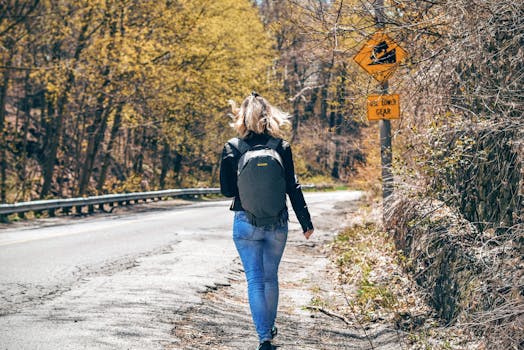
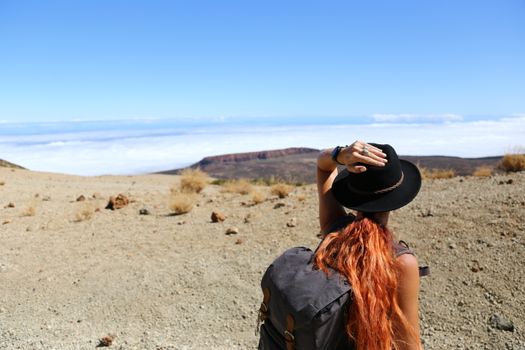
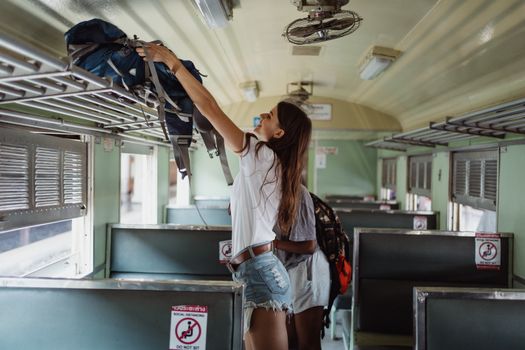
The first time I landed in Bangkok, completely alone, with nothing but a backpack and a crumpled printout of my hostel booking, a wave of exhilarating freedom washed over me. Followed almost immediately by a tiny tremor of "What have I gotten myself into?" It was 2012, and while the internet was a thing, comprehensive solo travel safety blogs like this one weren't quite the powerhouse they are today. My "safety hacks" back then mostly involved clutching my passport, trying not to look lost (spoiler: I looked very lost), and hoping for the best.
Fast forward to last year, navigating the bustling souks of Marrakech solo. My phone was charged, a VPN was active, my live location was discreetly shared with my sister back home, and I was armed with a few key Arabic phrases and an unshakeable confidence built on years of experience and, crucially, a whole new arsenal of modern safety strategies. The difference? Night and day.
Solo travel isn't just a trend; it's a transformative journey into self-discovery, resilience, and unparalleled freedom. But with that freedom comes a responsibility to yourself – to be prepared, to be aware, and to be smart. Gone are the days of just "winging it." Today, safety isn't about fear; it's about empowerment through knowledge. It's about leveraging technology, cultural intelligence, and your own intuition to create unforgettable, secure experiences.
So, if you’re ready to embark on your next great adventure, or perhaps just dreaming of your first, lean in. I’ve compiled the absolute best, trending solo travel safety hacks from experts – and my own hard-won lessons – that will have you traversing the globe with confidence, ready for anything.
1. The Digital Guardian Angel: Your Smart Tech & App Arsenal
Let’s be real: your smartphone is more than just a camera and a social media portal; it's your most powerful safety tool. But are you using it to its full potential? This isn't just about Google Maps anymore; it's about a sophisticated network of digital safeguards.
The Hack:
Proactive Location Sharing & Emergency Apps
This is paramount. Before you even step foot out of your accommodation, make it a habit to share your live location with a trusted friend or family member. Apps like WhatsApp's Live Location feature or Apple's Find My Friends (or Google's equivalent) are non-negotiable. Set a time limit for sharing, or keep it on constantly if you feel comfortable. My sister, bless her heart, has tracked me from the back alleys of Hanoi to the mountain trails of Patagonia. It gives both of us peace of mind.
Beyond passive tracking, consider active personal safety apps. bSafe allows you to invite friends to be your "guardians," triggering an alarm or live streaming video to them if you feel unsafe. Noonlight (US-centric, but similar apps exist globally) connects you to emergency services with a simple button press. These aren't for paranoia; they're for peace of mind in a worst-case scenario.
Actionable Tip:
Download offline maps (Google Maps allows this!) for your destination before you lose signal. Carry a fully charged portable power bank (at least 10,000mAh) at all times. I swear by my Anker PowerCore – it's saved me from being stranded without navigation countless times. And for public Wi-Fi, always use a VPN like NordVPN or ExpressVPN to protect your data from prying eyes. It’s a small subscription for massive security.
Anecdote:
During a particularly confusing bus transfer in rural Cambodia, my phone died. Panic started to set in. Luckily, I had an offline map downloaded, and my power bank revived my phone just enough to guide me to the correct connection point. Without it, I would have been utterly lost and potentially vulnerable. It taught me that preparedness isn't just smart; it's essential.
2. The Art of Blending In: Mastering Local Savvy & Cultural Intelligence
Nothing screams "tourist" louder than a bright Hawaiian shirt in a conservative religious site or fumbling with a huge camera in a crowded market. Blending in isn't about erasing your identity; it's about respecting local customs and making yourself less of an obvious target.
The Hack:
Dress the Part, Speak a Little, Observe a Lot
Before you travel, research local dress codes, especially for religious sites or conservative areas. In places like Istanbul or parts of Morocco, women might feel more comfortable covering shoulders and knees. I always pack a versatile scarf – it's a fashion accessory, a sun shield, and a modest cover-up all in one.
Learn a few key phrases in the local language: "Hello," "Thank you," "Please," "Excuse me," "No, thank you," and "Where is the police/hospital?" Even a broken attempt shows respect and can de-escalate minor situations. In Rome, a simple "Permesso!" (Excuse me!) when navigating crowds makes a world of difference.
Most importantly, practice observational skills. Before you pull out your phone for directions, pause. Look around. Notice how locals are moving, what they're doing. Are they on their phones? Are they making eye contact? In some cultures, direct eye contact can be seen as aggressive; in others, avoiding it can signal weakness. Pay attention to your surroundings, not just your screen.
Actionable Tip:
Spend an hour researching local scams common in your destination. Knowledge is power. If someone approaches you with a too-good-to-be-true offer for a "free tour" or a "special tea ceremony," your radar should immediately go up. In Paris, the "gold ring" scam is notorious; in Barcelona, the "bird poop" distraction. Knowing these helps you dismiss them instantly.
Anecdote:
In a bustling market in Cartagena, Colombia, I saw a woman deftly pickpocket a tourist who was completely engrossed in haggling over a souvenir. She wasn't aggressive; she was just incredibly smooth. My takeaway? Keep your valuables out of sight, zipped up, and always be aware of the space directly around you, especially in crowded areas. A cross-body bag worn to the front is my go-to.
3. Intuition is Your GPS: Trusting Your Gut & Situational Awareness
This is perhaps the most underrated safety hack, and it's 100% free. Your gut feeling is a primal warning system, honed over millennia. Ignoring it can be a costly mistake.
The Hack:
Listen to Your Inner Voice – It's Rarely Wrong
That little prickle on the back of your neck, the feeling that something isn't quite right, the sudden urge to change directions – listen to it. It's your brain processing hundreds of subtle cues you might not even consciously register. If a street feels too dark, an alley too quiet, a person's vibe off, or a situation just "feels wrong," remove yourself. Immediately. No apologies, no explanations needed. Your safety is paramount.
Practicing situational awareness means being fully present. It means not walking around with headphones blaring or constantly glued to your phone. It means knowing who is around you, what's happening on the street, and identifying potential exits. Think of it as a low-level, constant scan of your environment.
Actionable Tip:
Learn to say "no" firmly and without guilt. Whether it's to an insistent vendor, a stranger offering unsolicited help, or an invitation that makes you feel uneasy, "No, thank you" (or "No, gracias/merci/etc.") is a complete sentence. You don't owe anyone an explanation. If someone is persistent, walk away. If they follow, duck into a busy shop or restaurant.
Anecdote:
I was once invited to a "local art exhibition" by a friendly stranger in Rome. Something about his overly eager demeanor and insistence on taking me "right now" just felt off. My gut screamed "scam." I politely but firmly declined, claiming I had a prior engagement. Later, I researched similar scams and found that these often lead to overpriced, low-quality art sales or worse. Trusting that internal alarm saved me time, money, and potential discomfort.
4. The Power of Connection: Strategic Socializing & Support Networks
Solo doesn't mean isolated. In fact, some of the best safety nets come from strategically connecting with others.
The Hack:
Build Your Temporary Tribe & Leverage Shared Experiences
Hostels, especially those with good reviews for solo travelers, are fantastic for this. Common areas, organized activities, and shared dorms naturally foster connections. I’ve met incredible travel buddies in hostel common rooms in Lisbon, sharing tips, splitting taxi fares, and even planning joint day trips. There's safety in numbers, and a buddy for an evening stroll can make all the difference.
Consider joining reputable local tours or day trips. Not only do you get to see incredible sights, but you're also with a group, often led by a local guide who knows the area inside out. Websites like GetYourGuide or Viator offer a huge selection of vetted tours.
For women, there are fantastic women-only travel groups online (e.g., "Girls LOVE Travel" on Facebook) where you can ask for advice, find travel buddies, and get real-time safety updates from other women on the ground. These communities are incredibly supportive.
Actionable Tip:
Always inform someone back home of your itinerary, even if it's just a general idea of where you'll be. If you're going off-grid for a hike, tell them your exact route and expected return time. Check in regularly. Also, make sure your emergency contacts (both local and international) are easily accessible on your phone, perhaps even on your lock screen with an "ICE" (In Case of Emergency) label.
Anecdote:
While hiking alone in the Dolomites, I twisted my ankle. It wasn't severe, but enough to make walking painful. Thankfully, I had told my hostel reception my planned route and estimated return. When I didn't show up by a certain time, they checked in on me. Before they could mobilize a search, a passing group of hikers (who I’d briefly chatted with earlier that day) helped me slowly make my way back. The combination of informing someone and connecting with others was a lifesaver.
5. The Unseen Shield: Preparation & Practicalities
Before you even book your flight, a little planning goes a long way in fortifying your safety. This isn't the glamorous part of travel, but it's the most crucial.
The Hack:
Bulletproof Your Documents & Finances
Travel insurance is non-negotiable.
I repeat: NON-NEGOTIABLE. This isn't just for medical emergencies; it covers lost luggage, trip cancellations, and even emergency evacuation. Companies like World Nomads or SafetyWing are popular among solo travelers for their comprehensive plans. Think of it as your invisible safety net.
Make multiple copies of your passport, visa, flight tickets, and insurance details. Keep one digital copy on your phone (password-protected), one in the cloud (Google Drive/Dropbox), and a physical copy separate from your main documents. I even leave a copy with my emergency contact back home. If your passport goes missing, having these copies dramatically speeds up the replacement process at your embassy.
When it comes to money, diversify. Don't carry all your cash in one place. Use a discreet money belt or neck pouch for your main stash of cash and one backup credit/debit card. Keep a small amount of "daily" cash and one card in an easily accessible but secure wallet. I also carry a "dummy wallet" with a small amount of local currency and expired cards. If mugged, you can hand that over without losing your essentials.
Actionable Tip:
Register your trip with your country's embassy or consulate. For US citizens, it's the Smart Traveler Enrollment Program (STEP). This allows the embassy to contact you in an emergency (natural disaster, civil unrest) and helps them assist you if you lose your passport or get into trouble.
Anecdote:
My wallet was pickpocketed in a crowded market in Vietnam. It was a gut-wrenching moment. But because I had distributed my cash, had a backup card hidden, and copies of my documents stored digitally and physically, the impact was minimized. I lost some cash and one card, but my trip wasn't derailed, and I could swiftly cancel the card and access my backup funds. It was a stark reminder that even the most careful traveler can be targeted, but preparedness makes all the difference.
6. Mind Over Matter: Mental Resilience & Self-Defense Basics
Your greatest asset isn't your physical strength, but your mental fortitude. Projecting confidence and knowing how to de-escalate situations can be more effective than any gadget.
The Hack:
Project Confidence, Understand De-escalation, & Know Your Boundaries
Walk with purpose. Head up, shoulders back, making appropriate eye contact. Even if you're internally panicking, projecting an air of confidence makes you less of a perceived target. Criminals often look for those who appear vulnerable or lost.
While I'm not suggesting you become a martial arts master overnight, knowing a few basic self-defense moves can boost your confidence. More importantly, understand de-escalation techniques. If confronted, try to maintain a calm demeanor, use a firm voice, and avoid direct confrontation if possible. The goal is to remove yourself from the situation, not to "win" an argument or fight.
Understand your personal boundaries and stick to them. It's okay to decline an invitation, to leave a situation that makes you uncomfortable, or to simply say "no" to persistent advances. Your comfort and safety come first.
Actionable Tip:
Research local laws regarding self-defense tools. While a personal alarm (like a small, loud siren) is generally acceptable, carrying pepper spray or a knife might be illegal and could land you in more trouble than it's worth. Always err on the side of caution. Your voice and your feet are usually your best defense.
Anecdote:
In a hostel bar in Berlin, a persistent stranger wouldn't take no for an answer. Instead of getting flustered, I calmly but firmly stated, "I'm not interested, please leave me alone." When he didn't, I locked eyes with the bartender, who immediately stepped in. Projecting that firm boundary, combined with knowing when to seek assistance, was key. It's about being assertive, not aggressive.
---
The Journey Awaits: Explore Safely, Live Fully
Solo travel is an incredible gift you give yourself – an opportunity to grow, to challenge your perceptions, and to truly connect with the world on your own terms. These trending safety hacks aren't meant to instill fear; quite the opposite. They are tools of empowerment, designed to equip you with the knowledge and confidence to embrace every moment of your journey safely and fully.
From smart tech in your pocket to the intuition in your gut, and the connections you forge along the way, modern solo travel safety is a multi-layered approach that prioritizes your well-being without sacrificing an ounce of adventure.
So, what are you waiting for? Bookmark this guide, start planning, and get ready to write your own incredible solo travel story. The world is waiting, and you're ready for it.
What are YOUR go-to solo travel safety hacks? Share your wisdom in the comments below! Let's build a community of confident, safe adventurers!
---