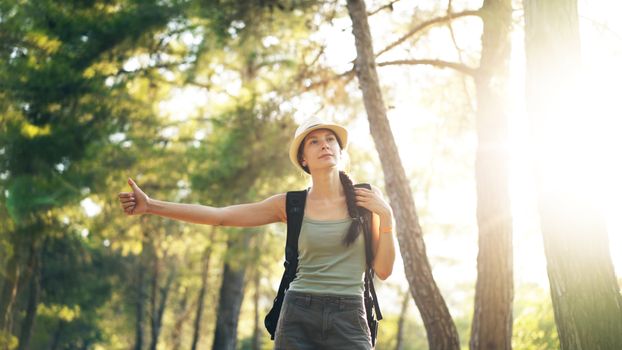
The sun dipped below the horizon, painting the sky in fiery oranges and purples over the ancient rooftops of Rome. I was alone, perched on a wall near the Colosseum, feeling that exhilarating rush of freedom that only solo travel can bring. My phone buzzed – a notification from an influencer I followed, posing perfectly in front of the very monument I was admiring, captioning about her "spontaneous, carefree adventure." A pang of something – not envy, but perhaps a knowing smile – crossed my face. Because while her photo was flawless, I knew the reality behind those picture-perfect moments often left out a crucial, less glamorous, but infinitely more important detail: safety.
My own solo journey wasn't always a filtered dream. There was the time in Marrakech when a seemingly friendly local tried to lead me down a dark alley, or the near-miss with a pickpocket in a crowded Barcelona market. These weren't "Instagrammable" moments, but they were powerful lessons. They taught me that while influencers inspire us with their wanderlust, they rarely delve into the nitty-gritty of how they stay safe – or, more accurately, how you can.
That's why I'm here. As a seasoned solo traveler and a Tripsora blogger, I've gathered the most practical, actionable, and often overlooked solo travel safety hacks that the experts swear by, and that most influencers simply don't put in their reels. This isn't about fear-mongering; it's about empowerment. It's about giving you the tools to navigate the world with confidence, so your adventures are truly spontaneous and carefree, not just edited to look that way. Let's dive in.
---
1. The Digital Cloak & Dagger: Master Your Pre-Trip Reconnaissance
Before you even book your flight, your safety journey begins online. Forget just checking out pretty photos of your destination; you need to become a digital detective. This is where you build your invisible shield.
Beyond the Tourist Traps: Deep Dive Research
Influencers show you the best photo spots, but rarely the safest neighborhoods or common local scams.
* Government Travel Advisories: Start with your home country's official travel advisories (e.g., U.S. State Department, UK Foreign Office). They offer objective, up-to-date warnings about political instability, crime rates, and health risks. They might not be Instagram-friendly, but they're life-friendly.
* Local Expat Forums & Facebook Groups: Search for "Expats in [Destination City]" groups. These communities are goldmines of real-time, ground-level information. They'll tell you which areas to avoid, common scams targeting tourists, reputable taxi services, and even local etiquette that can prevent misunderstandings. I learned about a common "friendly local offering directions" scam in Hanoi from an expat group that saved me a lot of hassle.
* "Dark Tourist" Reviews: While not strictly about safety, looking up reviews of less-trafficked areas or even slightly edgy tours can sometimes reveal hidden dangers or areas to avoid, even if you don't plan on visiting them.
* Crime Maps: Many major cities have online crime maps. A quick search can show you areas with higher incidence of petty theft or more serious crimes. Avoid booking accommodation in these zones, even if they're cheaper.
Your Digital Fortress: Tech Hacks for Security
* VPN is Your Best Friend: Public Wi-Fi is a hacker's playground. Invest in a reputable VPN (Virtual Private Network) like ExpressVPN or NordVPN (around $6-13/month). It encrypts your internet connection, protecting your banking details, emails, and personal information from prying eyes. Trust me, you don't want your credit card stolen while trying to upload that perfect sunset shot.
* Offline Maps & eSIMs: Download Google Maps (or Maps.me) for your destination before you leave. You'll have navigation even without data. An eSIM (like Airalo or Holafly, typically $15-40 for 1-2 weeks in Europe/Asia) provides local data without needing a physical SIM, allowing you to stay connected and call for help if needed, without relying on spotty Wi-Fi. My eSIM saved me when I got utterly lost in the backstreets of Kyoto and needed to hail a taxi using an app.
* "Burner" Social Media: For meeting people on the road (especially if you're using apps like Bumble BFF or Couchsurfing), consider setting up a secondary, more private Instagram or Facebook profile. Don't give out your primary, personal accounts until you've established trust. This limits how much personal info a new acquaintance can immediately dig up.
Financial Fortification:
* Notify Your Bank: Always, always, always notify your bank and credit card companies of your travel dates and destinations. Otherwise, they might flag international transactions as fraud and freeze your cards, leaving you stranded.
* Multiple Payment Methods: Carry at least two different credit/debit cards from different banks, and keep them in separate places. A money belt, a hidden pocket, and your main wallet. Have some local currency, but not too much. I usually split my cash into three stashes: a small amount in my wallet, a larger amount in a hidden pouch, and emergency funds in my main backpack.
* Travel Insurance: This is non-negotiable. It's not just for medical emergencies; it covers lost luggage, trip cancellations, and even theft. Companies like World Nomads or SafetyWing are popular with solo travelers. A basic policy can cost anywhere from $30-$100 for a few weeks, a small price for peace of mind.
---
2. Blending In, Not Standing Out: Master the Art of the Chameleon
Influencers often dress to impress, standing out in vibrant, eye-catching outfits. But for solo travelers, especially women, blending in is a superpower. The less you look like an obvious tourist, the less you become a target.
Dress the Part:
* Observe Local Fashion: Before you even pack, do a quick Google image search for "street style [destination city]" or check out local fashion blogs. You don't need to buy a whole new wardrobe, but understanding the general aesthetic (e.g., conservative in the Middle East, more casual in Southeast Asia, stylish in Europe) helps.
* Modesty is Your Friend: In many parts of the world, revealing clothing can attract unwanted attention or be considered disrespectful. Pack versatile layers, scarves (which can also double as head coverings for religious sites), and comfortable, modest attire. I learned this the hard way in a small village in Thailand, where my shorts felt very out of place.
* Avoid Flashy Logos & Jewelry: That designer handbag or expensive watch might look great in a photo, but it screams "target" to petty thieves. Leave the bling at home.
Body Language: Speak Volumes Without Words:
* Confident Stride: Walk with purpose, even if you're completely lost. Head up, shoulders back. Don't slouch or look overly timid. Appearing confident often makes you less approachable for trouble.
* "Busy" Face: Avoid making prolonged eye contact with strangers, especially in crowded areas or if you feel uncomfortable. Look like you're heading somewhere important, checking your phone (even if it's off), or simply observing your surroundings.
* The "Fake Call" Trick: If someone is bothering you or you feel uneasy, pull out your phone, put it to your ear, and pretend to have an important conversation. Speak loudly and clearly, mentioning a name or a meeting point. This often deters potential harassers. I've used this countless times, especially late at night in crowded train stations.
Share Your Itinerary (Discreetly):
* The Trusted Contact: Share your daily itinerary (even if it's just "walking around [neighborhood]") with one or two trusted friends or family members back home. Check in with them regularly. If you go off-grid for too long, they know to check on you.
* Hostel/Hotel Check-in: Inform the front desk or hostel staff if you're going on a day trip or plan to be out late. It's a small extra layer of awareness.
---
3. The Power of the Pouch: Your Money & Valuables Safely Stashed
Influencers often flaunt their latest tech and accessories. While I love my gadgets too, keeping them secure – and your money even more so – is paramount.
The Decoy Wallet & Hidden Stashes:
* Decoy Wallet: Carry a "decoy wallet" in your main bag or pocket with a small amount of cash (enough for a meal or a taxi) and perhaps an expired credit card. If you're mugged, hand over the decoy. It's a small price to pay to keep your main funds safe.
* Money Belt/Neck Pouch: This is an oldie but a goodie for a reason. Wear it under your clothes, against your skin. This is where your main stash of cash, passport, and primary credit cards go. Don't access it in public; duck into a restroom or a quiet corner. I bought a slim money belt for about $15 on Amazon, and it's been my constant companion.
* Hidden Pockets: Some travel pants or jackets come with hidden zippered pockets. These are fantastic for an extra card or some emergency cash.
* Hotel Safe (Use with Caution): If your accommodation has a safe, use it for your passport and any large amounts of cash you don't need for the day. However, always double-check its security. Some budget hostel safes are notoriously flimsy.
ATM Smart Practices:
* Daylight & Busy Areas: Only use ATMs during daylight hours and in well-lit, busy areas, ideally inside a bank or a reputable store. Avoid isolated street ATMs, especially at night.
* Check for Skimmers: Before inserting your card, give the card slot a wiggle. Look for anything loose, sticky, or out of place. Skimmers (devices that steal your card info) are often poorly attached.
* Cover Your PIN: Always cover the keypad with your other hand when entering your PIN. Even if no one is directly behind you, hidden cameras can record it.
* Withdraw Larger Amounts (Less Frequently): Instead of small, frequent withdrawals, take out slightly larger amounts to reduce your exposure to ATM risks.
---
4. Navigating the Night: Staying Safe After Sundown
The night brings a different vibe, and with it, different safety considerations. While influencers are out enjoying vibrant nightlife, they might not highlight the careful planning that goes into getting home safely.
Transportation: Your Golden Rule:
* Trusted Ride-Sharing Apps: Use reputable ride-sharing apps like Uber, Grab (Southeast Asia), Bolt (Europe/Africa), or local equivalents. Always check that the license plate, car model, and driver's photo match what the app shows before getting in. Share your trip details with a friend.
* Pre-Booked Taxis: If ride-sharing isn't available, ask your hotel/hostel to call a reputable taxi for you. Agree on the fare before you start the journey, or ensure the meter is running. Avoid hailing unmarked taxis on the street, especially late at night. In Medellín, Colombia, I always used an app, even though street taxis were cheaper, because the security was worth the extra few dollars.
* Public Transport: During the day, public transport is generally safe. At night, assess the situation. Are there still plenty of people around? Is the station well-lit? If you feel uneasy, opt for a ride-share.
Social Situations & Your Limits:
* Drink Spiking Awareness: Never leave your drink unattended. If someone offers to buy you a drink, watch the bartender prepare it. Always carry your own drink back from the bar. If you feel unwell or disoriented after a drink, seek help immediately from trusted staff or a friend.
* Know Your Limits: It's tempting to let loose, but when you're solo, you're your only protector. Be mindful of your alcohol intake and avoid illicit substances. Your judgment is your best defense.
* Meeting New People: While meeting fellow travelers is one of the joys of solo travel, always arrange first meetings in public, well-lit places. If you feel uncomfortable, don't hesitate to leave. Trust your gut – it's rarely wrong. I met some incredible people in a hostel common room in Lisbon, but I always made sure our initial interactions were public and during the day.
---
5. Tech as Your Travel Guardian: Smart Gadgets & Apps
Beyond the perfect camera and editing apps, there's a whole world of tech designed to keep you safe. These are the unsung heroes of solo travel.
Essential Gadgets:
* Personal Safety Alarm: These small, keychain-sized devices emit a piercingly loud siren (130+ dB) when activated. They're excellent for deterring attackers and drawing attention. They cost about $10-20 on Amazon.
* Portable Door Lock: A small, inexpensive device ($10-15) that adds an extra layer of security to any door, even if it has a lock. Perfect for hostels, guesthouses, or budget hotels where you might not fully trust the existing lock. I use mine religiously in hostels – it gives me immense peace of mind.
* Power Bank: A fully charged phone is a lifeline. Invest in a high-capacity power bank (20,000mAh or more, around $30-50) to ensure your phone, and all your safety apps, are always operational.
Lifesaving Apps:
* Emergency Contact Apps: Many phones have built-in emergency features (e.g., iPhone's Emergency SOS, Android's Personal Safety app) that can alert contacts and emergency services with your location. Set these up before you leave.
* Translation Apps: Google Translate or iTranslate (offline mode!) can be invaluable for communicating in an emergency or simply asking for directions.
* "What3words": This app assigns a unique three-word address to every 3-meter square on Earth. If you're lost or in trouble in an area without clear street names, it can pinpoint your exact location for emergency services.
* Local Emergency Numbers: Save the local emergency numbers (police, ambulance, fire) in your phone's contacts. A quick Google search for "[country name] emergency numbers" will give you these.
---
6. Mindset is Your Main Muscle: Trust Your Gut & Set Boundaries
The most powerful safety tool you possess isn't an app or a gadget; it's your intuition. Influencers project an image of effortless confidence, but true confidence comes from trusting your inner voice.
The Unspoken Language of Intuition:
* Listen to Your Gut: If a situation, a person, or an offer feels "off," it probably is. Your subconscious picks up on subtle cues that your conscious mind might miss. Don't second-guess it. Just remove yourself from the situation. There was one time in Rome where a group of men were overly persistent in trying to get me to buy something. My gut screamed "no," and I walked away quickly, even though they seemed friendly. Better safe than sorry.
* Avoid Being "Polite": Many solo travelers, especially women, are conditioned to be polite. In a potentially unsafe situation, politeness can be a liability. You are not obligated to engage with anyone who makes you uncomfortable. A firm "No, thank you" or simply walking away is perfectly acceptable.
Setting Clear Boundaries:
* "No" is a Complete Sentence: You don't owe anyone an explanation for declining an invitation, a drink, or a conversation. "No" is enough.
* Confident Communication: If someone is being overly persistent or making you feel uneasy, use a strong, clear voice to state your boundaries. "I'm not interested," "Please leave me alone," or "I need to go."
* Recognize Common Scams:
* "Friendly Local" Scam: Someone overly friendly offering to show you around, then leading you to a shop where you're pressured to buy.
* "Help Me Translate" Scam: Someone asks for your help translating, distracts you, and a confederate pickpockets you.
* "Spilled Drink" Scam: Someone "accidentally" spills something on you, offering to help clean it, while another person pickpockets you.
* "Free Gift" Scam: Being given a "free" item (e.g., a flower, a bracelet) and then aggressively pressured for payment.
* Over-friendly Kids: Groups of children can be expert pickpockets. Be wary in crowded areas.
---
7. The Post-Adventure Check-In: Reflect & Learn
Even the most prepared traveler can encounter unexpected situations. The final, often overlooked, safety hack is to reflect and learn from every experience.
Self-Care & Processing:
* Journal Your Experiences: Not just the good ones, but the challenging ones too. What made you feel unsafe? What did you do? What would you do differently? This helps you process emotions and refine your safety strategies.
* Talk to Trusted Friends/Family: Sharing your experiences, both positive and negative, can be cathartic and provide new perspectives.
* Don't Let Fear Win: While it's crucial to be aware and prepared, don't let the fear of "what if" paralyze you. The goal of these hacks is to empower you to enjoy your travels, not to make you paranoid. Acknowledge the risks, mitigate them, and then immerse yourself in the adventure.
---
Conclusion: Your Adventure, Unfiltered and Unfettered
Solo travel is an incredible journey of self-discovery, resilience, and unparalleled freedom. It allows you to write your own story, without anyone else's edits. While Instagram influencers paint a beautiful, often aspirational, picture, the true magic of solo travel lies in the unfiltered, real-world experiences – and the confidence that comes from knowing you can handle whatever comes your way.
These safety hacks aren't about dimming your wanderlust; they're about igniting it with wisdom. They're the secret sauce that allows you to confidently chase sunsets in Santorini, navigate bustling markets in Bangkok, or hike ancient trails in Peru, knowing you've got your own back.
So, go forth, explore, and create those truly unforgettable, safe, and utterly authentic memories. And next time you see that perfectly posed influencer shot, remember the layers of preparation that really make an adventure carefree.
What are YOUR go-to solo travel safety hacks? Share your wisdom in the comments below! Let's build a community of empowered, safe solo travelers. And if you found these tips useful, don't keep them to yourself – share this post with your fellow wanderlusters!
---