Ice Hotels: How to Not Just Survive, But Thrive in a Frozen Masterpiece (Secrets Locals Don't Want You to Know!)
The biting wind whipped around me, snow crunching underfoot as I stood before a towering structure of pure, sculpted ice. My breath plumed in the sub-zero air, and a shiver, not entirely from the cold, ran down my spine. "You're going to sleep in there?" my friend had asked, a mix of awe and horror in her voice. "Are you crazy? You'll freeze!"
And for a long time, that was my exact assumption too. Ice hotels. They sound like the setting for a survival reality show, not a luxurious travel experience. A place where only the most hardcore adventurers dare to tread, emerging frostbitten but triumphant. But oh, how wrong I was!
My first night in an ice hotel wasn't about survival; it was about wonder. It was about falling asleep under a ceiling of carved ice, bathed in ethereal light, feeling strangely cocooned and utterly safe. It was about waking up refreshed, not frozen, ready for a hot lingonberry juice and another day of arctic magic. It was about discovering that these frozen marvels aren't just architectural feats; they're surprisingly comfortable, incredibly inspiring, and packed with secrets even some locals might not fully appreciate for their tourist appeal.
This isn't just a guide; it's your insider pass to debunking the myths, embracing the chill, and conquering the ice hotel experience like a seasoned arctic explorer. Because trust me, once you go, you'll wonder why you waited so long. And you'll have stories the "locals" (who probably sleep in heated cabins every night) won't believe.
Debunking the Myths: It's Not as Cold as You Think (Or Is It?)
Let's get this straight: yes, it's cold. You're sleeping in a building made entirely of ice and snow, after all. But here's the first secret: it's not as cold as the outside air, and it's certainly not as cold as your fridge.
Most ice hotels maintain an internal temperature of a steady -5°C to -8°C (23°F to 18°F). Why this specific range? Because it's cold enough to keep the structure solid, but warm enough that the humidity from your breath doesn't immediately freeze into icicles on your eyelashes. The thick walls of snow and ice act as excellent insulators, keeping the interior surprisingly stable, even when external temperatures plummet to -30°C or lower. Think of it like a giant, natural igloo – one of humanity's oldest and most effective cold-weather shelters.
My personal revelation:
I remember stepping from the biting -20°C ( -4°F) outside into the lobby of the Icehotel in Jukkasjärvi, Sweden, and feeling... a sense of calm. The air was crisp, still, and surprisingly mild compared to the ferocious wind outside. It was like stepping into a giant, silent refrigerator, but one that felt strangely inviting. The air was dry, which makes a huge difference in how cold feels. No damp chill seeping into your bones. This subtle temperature regulation is the first "secret" to surviving – it's designed for your comfort, not just for the ice to stand.
The Arctic Artistry: More Than Just Beds of Ice
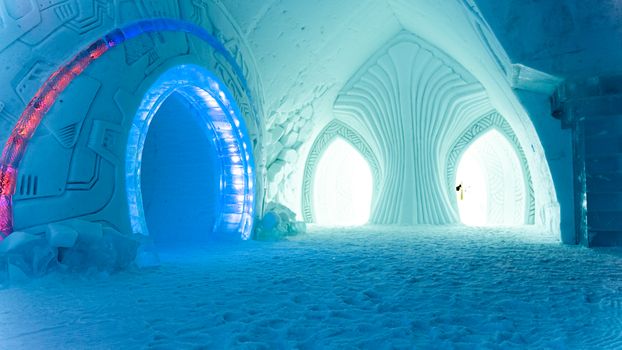
To call an ice hotel merely a "hotel" is like calling the Mona Lisa just a "painting." These are living, breathing art installations, meticulously crafted by artists from around the globe. Each year, many ice hotels are rebuilt from scratch, offering a completely new experience with fresh themes, sculptures, and room designs.
Imagine sleeping in a room where the walls depict a frozen forest, a galaxy of stars, or mythical creatures, all carved with breathtaking precision from solid ice. The beds aren't just blocks of ice; they're often sculpted bases topped with thick mattresses, reindeer hides, and expedition-grade thermal sleeping bags. The entire experience is a feast for the senses: the soft glow of embedded LED lighting reflecting off crystal-clear ice, the absolute silence save for the occasional creak of settling ice, the unique smell of clean, cold air.
Instagram-worthy moments abound:
From the moment you step into the ice bar, sipping a colourful cocktail from a glass made of ice (yes, really!), to exploring an ice chapel where couples exchange vows, every corner is a photo opportunity. My jaw literally dropped when I saw the "Art Suites" at Icehotel Jukkasjärvi – one was a giant, frozen chess set, another a room that felt like being inside a diamond. These aren't just places to sleep; they are immersive art galleries that you get to inhabit.
Your Arctic Survival Kit: What to Pack (and What Not To)
This is where the "locals don't want tourists to know" really comes into play. They probably assume you know how to dress for the arctic, but many don't! Proper layering is your absolute best friend. Forget fashion; think function.
What to Pack (The Essentials):
- Thermal Base Layers (Wool or Synthetic): This is your foundation. Think merino wool or high-quality synthetics that wick moisture away from your skin. Pack at least two sets – one for daytime activities, one clean, dry set for sleeping.
- Mid-Layers (Fleece or Down Vest/Jacket): Add warmth over your base layer. A good fleece jacket or a lightweight down vest is perfect.
- Outer Layer (Waterproof and Windproof Jacket & Pants): This is your shield against the elements. A proper ski jacket and insulated snow pants are non-negotiable for daytime activities.
- Warm Hat (Beanie or Trapper Hat): Most heat escapes through your head. A good hat is crucial.
- Warm Gloves or Mittens: Mittens are generally warmer than gloves as your fingers share warmth. Consider a thinner pair of liner gloves for dexterity.
- Wool Socks: Multiple pairs! Again, clean, dry socks for sleeping are key. Avoid cotton, which retains moisture.
- Waterproof, Insulated Boots: Think Sorel, Columbia, or similar brands, rated for extreme cold. You'll be walking in snow.
- Swimsuit (for Sauna!): Many ice hotels have fantastic saunas – a must-do for warming up!
- Small Daypack: For carrying essentials during the day.
- Portable Power Bank: Cold drains batteries quickly. Keep your phone and camera charged.
What NOT to Pack (or How to Use It):
- Cotton Clothing: Cotton absorbs moisture and loses its insulating properties when wet. Avoid it for base layers and socks.
- Excessive Luggage: You won't be taking your big suitcase into your ice room. Most hotels have heated changing rooms and lockers for your main luggage. You'll only bring your sleeping essentials.
- Your Own Sleeping Bag: Unless it's an extreme expedition bag, the hotel will provide specialized, ultra-warm bags (often rated to -20°C or more) that are designed for the conditions. Trust them!
My packing hack:
For sleeping, I wore a clean, dry set of merino wool thermals (top and bottom), fresh wool socks, and a light beanie. I slipped into the provided expedition sleeping bag on top of the reindeer hides. It was snug, warm, and shockingly comfortable. The key is dry layers. Any moisture from the day's activities will make you cold.
Top Ice Hotels You Must Experience (and How to Afford Them)
While the concept of an ice hotel might seem exclusive, there are options for various budgets and travel styles. Here are some of the best:
- Icehotel Jukkasjärvi, Sweden: The original, the pioneer, the legend. Located 200km north of the Arctic Circle, it's rebuilt every year with a new theme and exquisite art suites.
- Experience: Unparalleled artistry, iconic ice bar, and the option to stay in the year-round ICEHOTEL 365 (powered by solar panels in summer). Offers dog sledding, northern lights tours, and more.
- Price: Luxury. Expect to pay from €300-€700+ per night for an ice room, depending on the room type (standard ice room vs. art suite) and season. Warm rooms are also available.
- Tip: Book well in advance, especially for Art Suites. Consider combining an ice room night with a night in a warm cabin for balance.
- Hotel de Glace, Quebec, Canada: The only ice hotel in North America, offering a unique blend of European artistry and Canadian charm, just outside Quebec City.
- Experience: Stunning architecture, ice chapel, grand ice slide, and themed suites. Often features elaborate sculptures and a vibrant party atmosphere at the ice bar.
- Price: Mid-range to luxury. From CAD $250-$600+ per night. Packages often include a warm hotel room for showering/changing and breakfast.
- Tip: Easily accessible from a major city, making it a great option for those who want a taste of the arctic without venturing too far north.
- Snowhotel Kirkenes, Norway: A more intimate experience in Eastern Finnmark, close to the Russian border. Known for its snow domes and proximity to unique arctic activities.
- Experience: Each room is individually decorated with snow and ice sculptures. Beyond the ice hotel, they offer a year-round "gamme" (traditional Norwegian hut) village, a king crab safari, husky sledding, and snowmobile tours. They also have a reindeer park!
- Price: Mid-range to luxury. From €250-€500+ per night. Often includes breakfast and access to the sauna.
- Tip: Their king crab safari is legendary! It's an incredible culinary and cultural experience. Combine a night in the snow hotel with a night in a warm gamme for variety.
- Arctic SnowHotel & Glass Igloos, Rovaniemi, Finland: Near Santa Claus Village, this hotel offers a fantastic combination of ice rooms and glass igloos for Northern Lights viewing.
- Experience: Beautifully carved ice rooms, an ice restaurant, and the famous glass igloos. Perfect for families visiting Santa and chasing the Aurora.
- Price: Mid-range to luxury. From €200-€500+ for an ice room, glass igloos can be more.
- Tip: If Northern Lights are your priority, book a glass igloo for at least one night.
Affordability Secret:
Consider visiting during the shoulder seasons (early December or late March) when prices might be slightly lower, or look for packages that combine an ice room with a warm room for less than two nights in an ice room. Also, some ice hotels offer "day visits" where you can explore the art without staying overnight, a great budget-friendly option.
Beyond the Bed: Activities to Warm Your Soul (and Body)
Sleeping in an ice hotel is just one part of the adventure. The surrounding arctic wilderness offers a playground of activities that will warm you from the inside out and create unforgettable memories.
- Northern Lights Hunting: You're in the prime zone! Many hotels offer guided tours, or you can simply step outside on a clear night. My first glimpse of the Aurora Borealis dancing across the sky, painting it in electric greens and purples, was pure magic. It's a humbling, awe-inspiring experience that makes the cold utterly irrelevant.
- Husky Sledding: Feel the thrill as a team of powerful huskies pulls you through snow-covered forests. It's exhilarating, surprisingly peaceful, and a fantastic way to experience the landscape. You often get to meet the dogs and learn about their training.
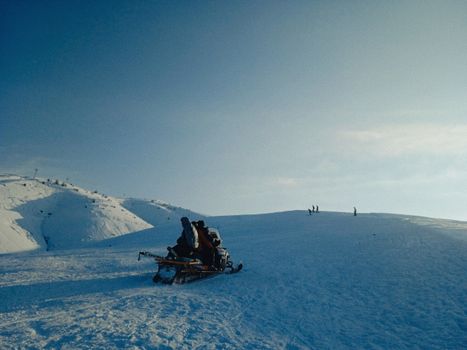
- Snowmobiling: For the adrenaline junkies, snowmobiling through the vast, silent wilderness offers a different kind of thrill and allows you to cover more ground.
- Reindeer Sledding & Sami Culture: Experience a more traditional, slower pace with reindeer sledding, and learn about the indigenous Sami people and their fascinating culture.
- Ice Sculpting Workshops: Ever wanted to try your hand at carving? Many hotels offer workshops where you can create your own mini ice masterpiece.
- Sauna & Hot Tubs: After a day of arctic adventures, nothing beats the warmth of a traditional Finnish sauna or an outdoor hot tub under the stars. This is a non-negotiable part of the "survival" strategy – a proper warm-up!
My favorite memory:
After a thrilling husky ride, we stripped down to our swimsuits and plunged into a steaming outdoor hot tub, the snow falling softly around us. The contrast was incredible, and the feeling of warmth seeping into my bones while looking up at a sky full of stars (and almost seeing the Aurora!) was utterly blissful.
Insider Tips & Tricks: Sleep Like a Local (and Wake Up Refreshed)
This is the ultimate "locals don't want tourists to know" section – the nitty-gritty details that make all the difference between a good night's sleep and a restless chill.
- Embrace the "Warm Room" Concept: Most ice hotels have an adjacent heated building with changing rooms, lockers for your main luggage, showers, and toilets. This is your base camp. You only bring your overnight essentials (thermals, socks, hat, phone, charger) into the ice room. Use the warm room to change, shower, and get ready for bed.
- The "Pre-Bedtime Warm-Up": Before heading to your ice room, spend some time in the sauna or have a hot drink. Getting into your sleeping bag already warm makes a huge difference.
- The "Bathroom Break Strategy": Yes, the bathrooms are in the warm building. So, go before you get into your sleeping bag. And if you need to go in the middle of the night, just bundle up, make the quick dash, and get back into your warm bag. It's part of the adventure!
- Dry, Dry, DRY: I cannot stress this enough. Your sleeping layers must be completely dry. Change into a fresh set of thermals and socks just before bed. Even a slight dampness from sweat will make you cold.
- Don't Overdress in the Sleeping Bag: It sounds counterintuitive, but too many layers inside the expedition sleeping bag can restrict blood flow and make you colder. Stick to your thermal base layers, socks, and a light hat. Let the bag do its job.
- Use the Liner: Most expedition sleeping bags come with a thin liner. Use it! It adds warmth, keeps the bag cleaner, and feels softer against your skin.
- Keep Your Head Warm: A warm hat is essential. If your head is cold, your whole body will feel cold.
- Protect Your Electronics: Your phone and camera batteries will drain rapidly in the cold. Keep them in your sleeping bag with you or in a pocket close to your body to preserve their charge.
- Hydrate: Drink plenty of water (and hot drinks) throughout the day. Dehydration can make you feel colder.
- Enjoy the Silence: The thick ice and snow walls create an incredible soundproofing effect. Embrace the profound silence; it's incredibly peaceful and conducive to a deep sleep.
My insider hack:
I brought a small, soft hot water bottle (the type meant for aches and pains, not a huge one) and filled it with hot water from the warm building just before bed. Tucked into my sleeping bag, it was a little burst of comforting warmth that lasted for hours and made falling asleep even cozier. Pure luxury in the ice!
Conclusion: Your Frozen Fantasy Awaits!
Stepping out of the ice hotel on my final morning, I felt a sense of quiet triumph. Not because I had "survived" some harrowing ordeal, but because I had embraced an experience that so many shy away from, and found it to be utterly magical. The crisp arctic air, the ethereal glow of the ice, the silence, the adventure – it all combined into one of the most unique and memorable journeys of my life.
So, are ice hotels just for the brave? Absolutely not. They're for the curious, the adventurous, and anyone seeking a truly unique escape from the ordinary. With the right preparation, a sense of wonder, and these insider tips, you won't just survive; you'll thrive in a frozen fantasy that will leave you with stories for a lifetime.
Don't let the myths keep you from this incredible adventure. Start planning your ice hotel escape today! Which frozen masterpiece will you conquer first?
Share your ice hotel dreams in the comments below! Have you been? What were your tips? We want to know! And don't forget to share this post with your fellow wanderlusters – they deserve to know these secrets too!
---