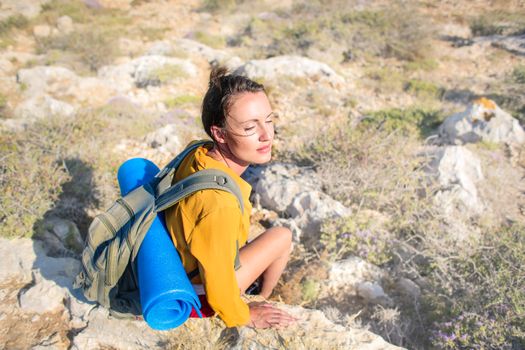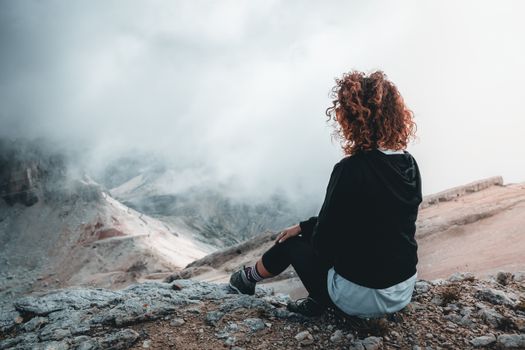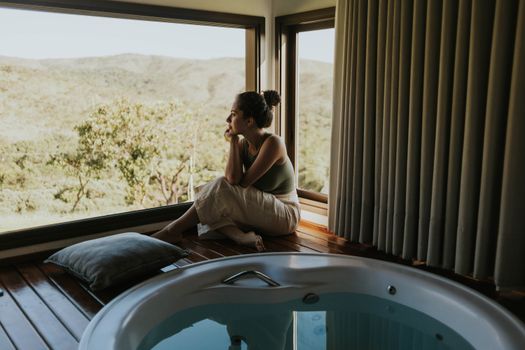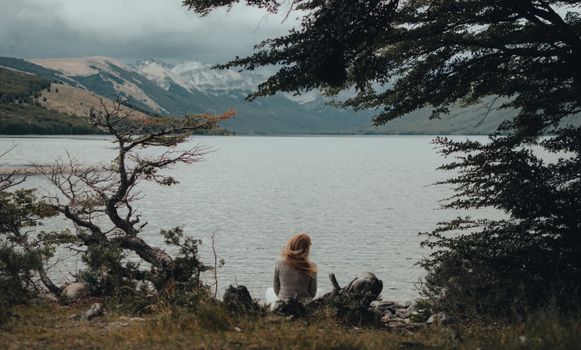
Autumn is an excellent season for stepping away. The air is cooler, the light is soft and tourist crowds in many places are thinner than in summer. For a first solo retreat, those conditions help. There is less pressure to be busy, and nature itself seems to slow down.
This guide is written for someone who has never done a retreat and is slightly unsure about it. It walks through the full experience: choosing a place, understanding what a day looks like, dealing with nerves, and coming home with something useful. It makes no promises of life-altering change, only a realistic picture of what a thoughtful trip can offer.
Why autumn works well
There are practical and emotional reasons that autumn suits a retreat.
- Comfortable weather. In many temperate regions, mild days and crisp evenings make walking and sitting outdoors pleasant.
- Fewer crowds. After the summer peak, many destinations are calmer, and accommodation can be easier to find.
- Seasonal beauty. Changing leaves, harvest foods and wood smoke give the season a reflective feel.
- A natural pause. Autumn often feels like the moment between a busy summer and a hectic year-end, which makes it a good time to check in with yourself.
Of course, conditions differ around the world. In the southern hemisphere, the same months are spring, and in tropical regions the key issue is rainy versus dry season. Always check the local climate for your dates.
Decide what kind of trip you want
A retreat does not need a formal program. Here are three common formats for beginners.
The organized program
You join a scheduled retreat with a teacher or host, such as a yoga weekend or a mindfulness course. Structure is provided, meals are often included and you meet other participants. This is the easiest option if you value guidance.
The hybrid stay
You book a guesthouse or lodge that offers optional activities, such as morning classes, guided walks or spa treatments, but with no obligation. You can join in or have a quiet day.
The fully self-guided retreat
You rent a cabin, farmhouse or small room, bring a plan and design the days yourself. This offers privacy and low cost, but requires some self-discipline, and it can feel lonely at first.
If you are nervous, the organized or hybrid options are gentler starting points.
Choosing a destination
Think about travel time. A retreat should not start with a grueling journey. Many people find that somewhere within a few hours of home works well, since it keeps cost and fatigue down.
Settings that suit the season include:
- Forest and mountain lodges, where trails and fireplaces make for cozy days.
- Coastal towns out of season, with long beach walks and quieter streets.
- Vineyard and farm regions, where harvest time brings food and gentle scenery.
- Lakes and national parks, which offer calm water and well-marked paths.
- Small villages with a monastery or retreat house, some of which welcome guests for quiet stays. Check their rules and expectations in advance.
Look for a place with some natural beauty, easy transport, a reliable phone signal in case of emergency, and a village within reach for supplies.
A sample rhythm for a three-day retreat
It can help to picture your days. This is only an example, which you can adjust.
Morning.
Wake without an alarm if you can. Drink something warm, stretch lightly, and spend twenty minutes sitting quietly or writing a few pages in a journal.
Late morning.
Take a walk. A slow hour outdoors without headphones is a good way to shift your attention.
Midday.
Eat unhurried, ideally without your phone. Simple food is fine.
Afternoon.
Rest, read, nap or do something creative. Leave a gap with no plan.
Evening.
A short walk before dusk, then a light supper, a warm bath or shower, and an early night.
The goal is not to fill every hour. Allow yourself to be slightly bored. Boredom is often where new thoughts appear.
Common worries and how to handle them
"What if I get lonely?"
Loneliness can show up on the first evening. It usually eases. Plan a call with a friend if you need it, or choose a program with communal meals.
"What if I run out of things to do?"
Bring a few small activities, such as a book, sketchbook or trail map, but resist overpacking your schedule.
"Is it safe to travel alone?"
In general, solo travel is safe with ordinary precautions. Tell someone your plans, book accommodation with good reviews, arrive before dark, and keep your phone charged.
"What if I feel emotional?"
It is common for feelings to surface when life slows down. Let them be. If they become overwhelming, reach out to someone you trust or a professional.
"What if it feels pointless?"
The first day often feels awkward. Give it time before judging.
Safety and logistics
A few practical points apply to any solo trip.
- Share your address and itinerary with a friend or family member.
- Check road, trail and weather conditions, since autumn storms and early darkness can affect safe travel.
- Carry a charged phone, a small first-aid kit and any personal medications.
- Choose well-marked trails and tell someone where you are walking, particularly in remote areas.
- Keep travel documents and cards separate from each other.
- Have travel or health insurance suitable for your destination. This is general guidance, so check the details of any policy.
Packing list
Keep it simple.
- Warm layers, a waterproof jacket and sturdy shoes.
- Soft clothing for the evenings.
- A notebook, pen and a paperback.
- A flask for hot drinks and a refillable water bottle.
- A torch or headlamp, because evenings come early.
- A small bag of snacks.
- Any comfort items, such as a favorite tea or a blanket.
Leave behind work laptops and unnecessary gadgets. If you must bring your phone, consider putting it in airplane mode for stretches of the day.
Setting an intention without pressure
Many people find it helpful to choose a gentle theme for their time away. This is not a goal to achieve, only a direction for your attention. Examples include:
- Rest, with no productivity targets.
- Reflection on a decision you have been postponing.
- Creative play, with no need for results.
- Reconnection with nature or with your own preferences.
Write your intention on the first page of your journal. If it changes during the trip, that is fine.
Three example retreat plans
Seeing how different trips might unfold can make the idea concrete. These are illustrations, not prescriptions.
The cabin weekend.
Rent a small cabin in a forested region within a couple of hours of home. Bring groceries for simple meals, a stack of paperbacks and a journal. Spend the days walking, reading and cooking, and the evenings by the fire or under a blanket. The cost is mostly the rental and food, and the main skill involved is allowing time to pass without filling it.
The coastal off-season stay.
Choose a seaside town after the summer crowds have gone. Many cafes and guesthouses stay open, and the long, empty beach is ideal for slow walks. Add a morning swim or a coastal path hike if the weather allows. Check that the shops and restaurants you hope to use are open, because some places close for the season.
The monastery or retreat house guest stay.
Some religious communities and retreat houses welcome visitors for quiet days. They usually have clear rules about silence, meals and schedules, and they ask for respect more than any particular belief. Contact them well ahead, read their guidelines, and go with an open mind.
Each of these suits a different personality. If you like structure, the retreat house may feel comforting. If you want freedom, the cabin is better. If you want easy movement and fresh air, choose the coast.
Bringing it home
Coming home can feel jarring. The following steps make the transition easier.
- Build in a buffer day before returning to work, if possible.
- Review your notes. Underline anything that surprised you or that you want to act on.
- Pick two small changes, such as an earlier bedtime or a weekly walk.
- Protect the habit by putting it in your calendar.
- Share your experience with someone, which makes it more real.
- Plan the next small retreat, even if it is just an afternoon at a local park.
Real change tends to come from repeated small acts, not a single trip. The retreat is simply a place to start.
Budget notes
A first retreat does not have to be expensive. Self-guided stays in the off-season can be modest, while organized programs vary a great deal depending on location and what is included. Shared rooms, shorter stays and nearby destinations all reduce cost. Compare what is included, such as meals, teaching and transfers, rather than looking only at the headline price. Always check cancellation terms, since weather and life can interrupt plans.
Frequently asked questions
How long should a first solo retreat be?
Two to four nights is plenty for a first time. It is long enough to settle but short enough to feel manageable.
Should I go silent?
Not necessarily. Silence can be rewarding but is not required. Start with a gentle program and decide later whether to try a more intensive one.
Is it better to go with a group program or alone?
Group programs provide structure and company, while self-guided retreats offer freedom. Pick the one that matches your comfort level.
Will a retreat fix my problems?
It can give you perspective and rest, but it is not a cure. Treat it as one tool among many.
Summary
An autumn retreat can be a calm, affordable and rewarding first step into solo travel. Choose a format that suits your comfort, pick a destination that is easy to reach, plan a gentle daily rhythm, and prepare for common worries such as loneliness and boredom. Keep safety basics in mind, set a modest intention, and bring a few small habits home. You do not need to change your life in a weekend. You only need to give yourself time and see what you notice.