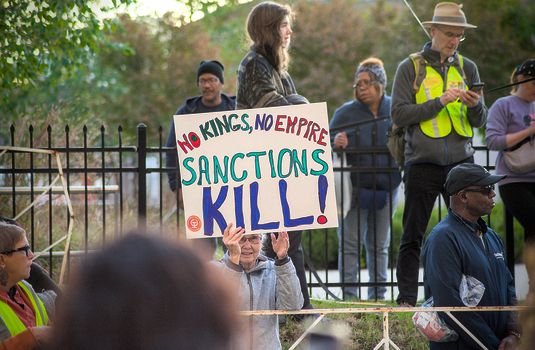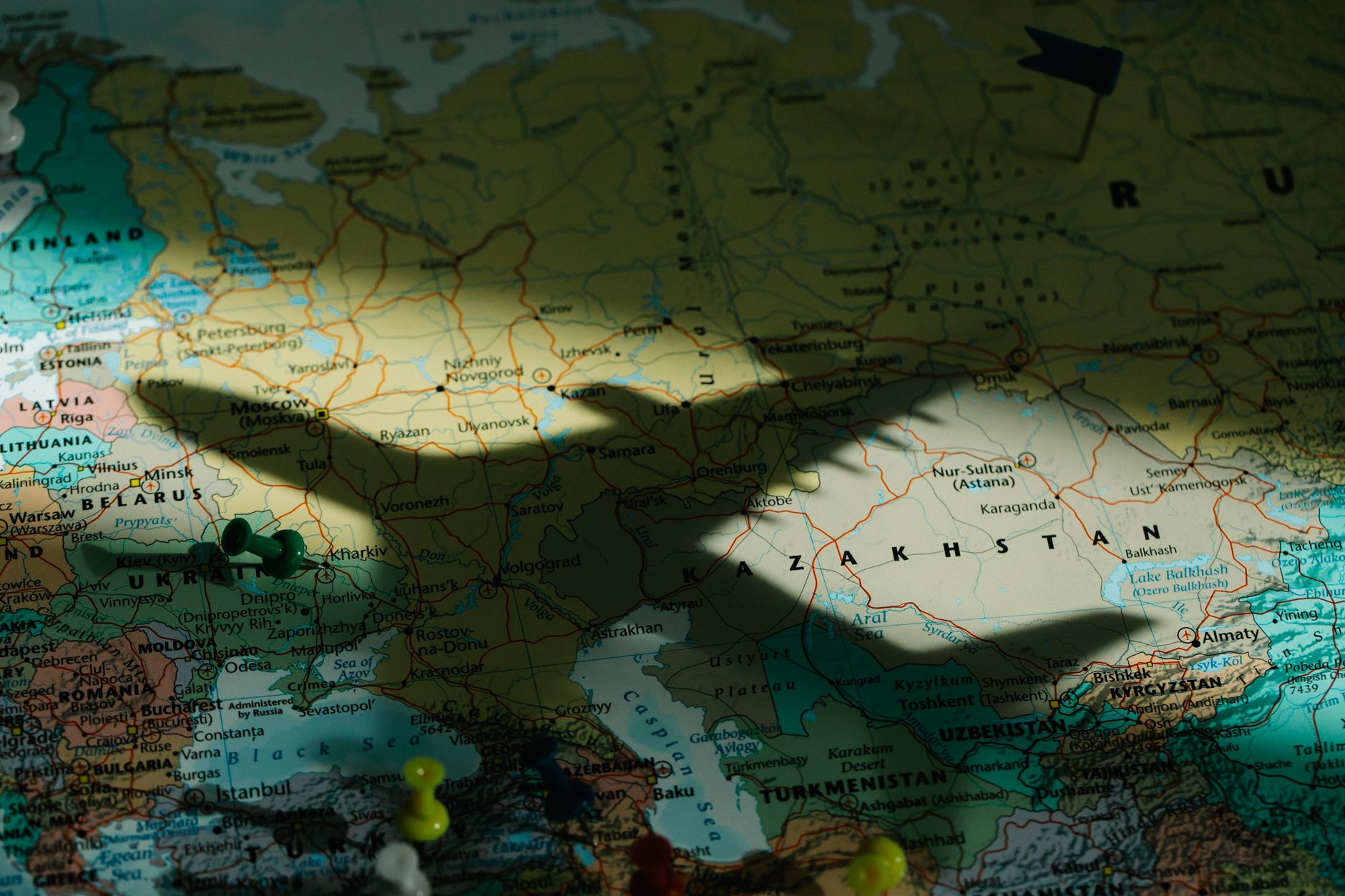
When sanctions against a country or organization are eased or lifted, news coverage often focuses on the opportunities that may follow, including new flights, business contacts and tourism. Those developments can be real, but sanctions are rarely a simple switch. They are usually made up of many separate measures, some of which are removed while others remain, and they may apply differently to individuals, companies, financial institutions and goods. Travelers should not assume that a change in headlines means that every type of visit, payment or transaction is now permitted. This guide explains how to check the rules and why careful planning starts with official sources.
Why Sanctions Are Not All or Nothing
Sanctions regimes are typically built from several instruments, including restrictions on trade, financial transactions, travel, specific individuals or sectors, and certain types of equipment or services. Easing one measure does not necessarily remove the others. For example, a government may permit some categories of trade while keeping restrictions on particular goods, entities or banks. Timelines can also vary, with some changes taking effect immediately and others phased in over months.
Because of this complexity, a general statement that sanctions have been lifted is not enough to plan a trip. You need to know which measures apply to your nationality, your method of payment, the services you will use and any organizations you plan to deal with.
Checking Official Sources
Start with the official sanctions guidance published by the relevant government authorities. In many countries, this is provided by a finance or treasury department, a foreign ministry or a dedicated sanctions office. The guidance often includes lists of restricted persons, frequently asked questions and explanations of what is permitted. Read the full legal text if you can, or the official summary, and note the date it was published or updated. Government travel advisories should also be checked, as they can highlight security and entry issues that sanctions alone do not address.
Be cautious about third-party summaries, which may be out of date or incomplete. If something is unclear, consider asking a qualified legal adviser or the relevant authority for clarification.
Banking, Payments and Currency
Financial restrictions are one of the most practical issues for travelers. Banks and card providers may apply their own risk controls, which can be stricter than the legal requirements. Some transactions may be blocked, delayed or declined, even when they are technically permitted. Check with your bank before you travel, ask whether your cards will work, and find out whether any restrictions apply to transfers or withdrawals. Carry a backup payment method and a limited amount of cash in an appropriate currency, while recognizing that cash may also be subject to controls.
Insurance and Medical Cover
Travel insurance policies often exclude or limit cover in countries where a government advises against travel, and some insurers apply exclusions related to sanctions. Read the policy carefully, confirm in writing whether your destination is covered, and check whether emergency repatriation would be included. If your policy is uncertain, consider whether the trip is worth the additional risk.
Entry Requirements and Travel Restrictions
Sanctions changes do not automatically alter visa rules, passport requirements or border procedures. Entry and exit requirements are set by immigration authorities and may apply separately. Check the official foreign ministry or embassy guidance for your nationality, and verify whether you need a visa, a transit permit or a special authorization. Some routes may be restricted for certain types of passport or may require additional documentation, so confirm the details shortly before you travel.
Staying Within the Rules
Travelers and businesses can face serious consequences for breaching sanctions, including penalties and legal action, even if the breach was unintentional. Keep records of bookings, payments and communications, and avoid arrangements that could involve restricted persons or entities. If an offer seems unusually attractive or the terms are unclear, pause and check before proceeding. Remember that the responsibility for compliance usually rests with the person making the transaction.
Practical tips
Before planning, identify the sanctions measures that apply to your nationality and your intended activities. Check current government advisories and entry requirements, and confirm your bank's policies in writing where possible. Review your travel insurance for exclusions. Keep documents in one place, including receipts and booking confirmations. Allow extra time for payments and bookings, which may take longer if extra checks are needed. If you have doubts, seek guidance from a qualified adviser before committing money or making firm plans.
Changes to sanctions can shape travel possibilities, but they require careful reading rather than quick assumptions. Official guidance, banking checks, insurance review and entry requirements all need to be confirmed for the specific trip you have in mind. Planning with this level of care protects travelers from avoidable problems and helps keep activities within the law.