The Dawn Chorus is Louder Here: A New Era of Travel
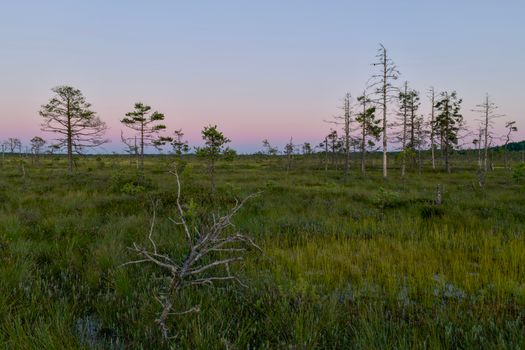
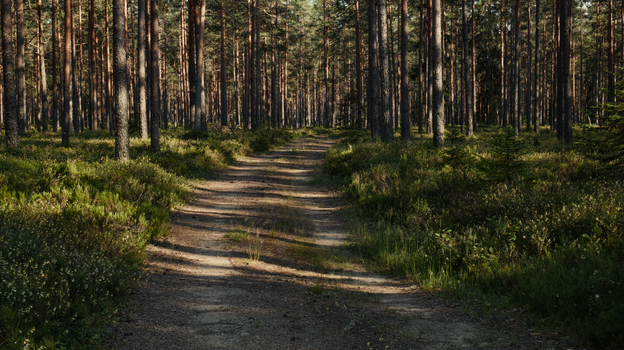
I stepped off the morning train at Billingshurst, shook off the stale, conditioned air of London, and immediately inhaled the sharp, sweet scent of crushed wild mint and wet clay. There was no gentle transition. Within twenty minutes, I was standing in a thicket of tangled dog-wood and bramble, listening to a sound I hadn't realized was missing from my life: a dawn chorus so dense, so layered, and so deafeningly loud that it felt less like a forest and more like a crowded cathedral.
This wasn’t a remote corner of the Amazon. I was in Sussex, England, at the Knepp Estate—a former intensive dairy farm turned legendary rewilding success story.
For decades, travel has been extractive. We turn up, we consume a landscape, we take our photos, and we leave behind a carbon footprint and a handful of loose change. But a quiet revolution is happening. According to recent data from the World Travel & Tourism Council and Rewilding Europe, nature-based tourism is growing at a rate of 15% annually. More importantly, data shows that well-managed eco-tourism in rewilded areas generates up to three times more local jobs than traditional agriculture, turning conservation from a charity case into an economic powerhouse.
Rewilding isn’t about wrapping nature in bubble wrap and keeping humans out. It’s about stepping back, letting natural processes drive the ecosystem, and reintroducing the keystone species—from apex predators to industrious rodents—that keep the planet breathing.
If you want your next journey to leave the earth better than you found it, here are five world-class rewilding projects you can visit, experience, and actively support right now.
---
1. Knepp Wildland: The Lowland Pioneer (Sussex, England)
The Vision: Letting Go of the Plow
Twenty-five years ago, Sir Charlie Burrell and Isabella Tree realized their 3,500-acre farm on heavy Sussex clay was financially unsustainable. They made a radical decision: they pulled up the fences, sold the machinery, and let nature take the wheel. Today, Knepp is the poster child for lowland European rewilding.
```
"Knepp isn’t a manicured English garden; it’s a gloriously chaotic jungle of scrub, brambles, and free-roaming ancient beasts."
```
Instead of human management, Knepp uses free-roaming herbivores to shape the landscape. Old English longhorn cattle act as ancient aurochs, Exmoor ponies mimic wild horses, and Tamworth pigs root through the soil like wild boars, creating seedbeds for dormant flora.
The Data
Recent ecological surveys at Knepp have recorded astonishing biodiversity spikes. The estate is now home to the UK’s largest population of purple emperor butterflies, and it has seen a 15% year-on-year increase in nesting pairs of critically endangered common nightingales and turtle doves.
Pro-Tip for Visitors
Book a "Yurt Pitch" in the southern block during late May. At 10:30 PM, head to the old oak grove near the hammer pond. Bring a red-light headlamp (white light disrupts the fauna) and sit silently. You will hear the purring, mechanical churr of male nightjars performing their ancient mating flights—a sound that has vanished from 90% of the British countryside.
---
2. Iberá National Park: The Wetland Resurrection (Corrientes, Argentina)
The Vision: Re-establishing the Apex Predators
In northeastern Argentina, the Iberá Wetlands—a massive labyrinth of lagoons, swamps, and floating islands—were once severely degraded by cattle ranching and intensive poaching. Enter Tompkins Conservation (now Rewilding Argentina). Over two decades, they bought up massive tracts of land, donated them back to the Argentine state, and began one of the most ambitious multi-species reintroduction programs on Earth.
This is true "trophic rewilding." The goal is to bring back the entire food web, from the bottom up, culminating in the return of the ecosystem's crown jewel: the jaguar.
The Data
According to the 2023 Rewilding Argentina Impact Report, over 150,000 hectares have been fully restored. Key species like the giant anteater, the pampas deer, the green-winged macaw, and the giant otter have been successfully reintroduced. Crucially, more than 15 wild-born jaguar pups now roam the wetlands freely—the first to do so in the region in over 70 years.
Pro-Tip for Visitors
Access the park via the remote portal of Portal Carambola. Skip the large motorized tour boats. Instead, hire a local guide from the Asociación de Guías de Iberá for a traditional canoa a botador (a wooden canoe propelled by a long pole). This silent method allows you to glide within arm's reach of three-meter-long caimans and family groups of capybaras without causing them stress.
---
3. Alladale Wilderness Reserve: The Caledonian Rebirth (Scottish Highlands)
The Vision: Reversing the "Wet Desert" Myth
The Scottish Highlands look romantic in paintings, but those barren, heather-clad hills are actually ecological deserts—the result of centuries of overgrazing by sheep and red deer, combined with systemic deforestation. At Alladale, owner Paul Lister is working to bring back the ancient Caledonian Forest.
Since 2003, the reserve has focused on restoring the delicate balance of the glen. This means planting millions of native trees, restoring damaged peatlands, and breeding the highly endangered Scottish wildcat.
The Data
Alladale has successfully planted over 1 million native trees, including Scots pine, rowan, birch, and hazel. Peatland restoration on the reserve has successfully locked in thousands of tonnes of carbon, with recent soil-carbon data showing a marked stabilization in run-off water quality in the River Carron.
Pro-Tip for Visitors
Skip the main lodge and book the off-grid Ghilas Cottage. It sits deep in the glen, powered by a micro-hydro system. Wake up at 6:00 AM, hike to the top of the ridge overlooking Glen Alladale, and look for the herd of reintroduced European bison. Bring high-quality binoculars; they blend seamlessly into the birch woods.
---
4. Greater Côa Valley: The Mediterranean Wildlife Corridor (Northern Portugal)
The Vision: Rewilding the Abandoned Lands
As rural populations migrated to cities, vast swathes of agricultural land in northern Portugal were abandoned. Rewilding Portugal saw this not as a tragedy, but as an opportunity. They are working to create a 120,000-hectare wild corridor connecting the Douro river valley with the Serra da Estrela mountains.
By introducing wild grazers like Sorraia horses and Tauros (bovine giants bred to match the ecological niche of the extinct aurochs), they are reducing the risk of catastrophic forest fires while restoring the natural oak forests.
The Data
The restoration of natural grazing patterns has reduced dry fuel loads (undergrowth) by up to 40% in key pilot zones, significantly lowering wildfire intensity. Furthermore, the return of prey species has supported the natural recovery of the Iberian wolf and the endangered Egyptian vulture.
Pro-Tip for Visitors
The best way to support this project is by booking through the European Safari Company, which directly funds local conservation. Stay at the Vale de Madeira eco-lodge. Ask the host to arrange a session at the private vulture-watching hide. Position yourself before dawn; watching dozens of griffon and black vultures descend onto the rocky crags as the sun breaks over the granite cliffs is a visceral, prehistoric experience.
---
5. Marker Wadden: The Engineered Archipelago (Markermeer, Netherlands)
The Vision: Creating Land from Silt
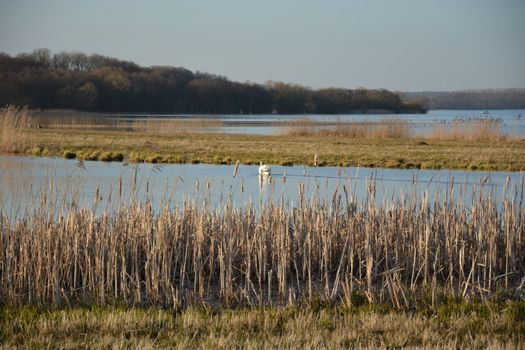
The Netherlands is famously engineered, so it makes sense that Dutch rewilding involves building new land from scratch. The Markermeer was once a sterile, silt-choked lake, cut off from the sea by dykes. To fix this, Natuurmonumenten constructed Marker Wadden: a cluster of five artificial islands built entirely from sand, clay, and silt dredged from the lake bed.
This is a masterclass in ecological engineering. The islands have created shallow water zones, marshes, and mudflats where fish can spawn and birds can feed, bringing a dead lake back to life.
The Data
Within five years of completion, Marker Wadden has transformed into a bird sanctuary of global importance. Monitoring data shows over 170 bird species have colonized the islands, including breeding colonies of common terns, pied avocets, and black-headed gulls. Fish biomass in the surrounding waters has increased by over 300%.
Pro-Tip for Visitors
Only one of the five islands is open to the public, accessible via a ferry from Lelystad. Rent one of the four highly sustainable, off-grid cabins managed by Landal GreenParks on the island. Once the last day-tripper ferry departs at 4:00 PM, you will have the entire archipelago to yourself. Walk the wooden boardwalks at dusk to witness the spectacular murmurations of starlings over the reed beds.
---
What the Data Says: Why Your Visit Matters
Critics of eco-tourism often point to travel's carbon footprint. However, recent conservation data paints a complex picture. When you visit a verified rewilding project, your financial footprint does three things that carbon offsets cannot:
- Funds Direct Land Acquisition: Many projects use tourism revenue to purchase adjacent agricultural land, expanding wildlife corridors.
- Mitigates Human-Wildlife Conflict: By hiring local guides, former poachers or farmers who lost livestock to predators are employed as wildlife guardians. At Iberá, local tourism jobs pay up to 40% more than traditional ranching work.
- Demonstrates Economic Viability: Governments are more likely to protect wild spaces when data proves that live wildlife generates more regional GDP than timber, beef, or mineral extraction.
---
Quick Facts: Planning Your Rewilding Adventure
| Project Name | Location | Est. Daily Cost (USD) | Best Time to Visit | Key Wildlife to Spot | How to Get There |
| :--- | :--- | :--- | :--- | :--- | :--- |
| Knepp Wildland | Sussex, UK | $80 - $250 (Camping to Glamping) | May to July | Nightingales, Purple Emperors, Tamworth Pigs | Train from London Victoria to Billingshurst, then a 10-minute taxi. |
| Iberá National Park | Corrientes, Argentina | $150 - $450 (Eco-lodges) | September to November | Jaguars, Giant Otters, Capybaras | Flight to Corrientes or Posadas, followed by a 4x4 transfer. |
| Alladale Wilderness | Scottish Highlands | $200 - $600 (Lodge / Cottages) | June to September | Scottish Wildcats, Red Squirrels, Bison | Train to Ardgay, then a pre-arranged transfer to the glen. |
| Greater Côa Valley | Northern Portugal | $100 - $300 (Guesthouses) | April to June / Sept to Oct | Iberian Wolves, Sorraia Horses, Vultures | Fly to Porto, rent a car, and drive 2.5 hours east to Figueira de Castelo Rodrigo. |
| Marker Wadden | Flevoland, Netherlands | $120 - $250 (Ferry + Cabin) | May to August | Avocets, Common Terns, Spoonbills | Train to Lelystad Centrum, then catch the Natuurmonumenten ferry from the harbor. |
---
The Rewilder’s Code: How to Travel Responsibly
If you are going to visit these delicate, recovering ecosystems, you must travel with intention.
- Leave No Trace 2.0: It’s not just about packing out your trash. It’s about biosecurity. Scrub your boots before entering a new reserve to avoid introducing invasive plant seeds or soil pathogens like Chytrid fungus.
- Keep Wildlife Wild: Never feed or approach animals. In rewilded areas, animals must maintain their natural fear of humans to survive outside reserve boundaries.
- Spend Locally: Stay in community-run guesthouses, buy your food from local village markets, and always hire local guides. If the local community doesn't benefit from the wild land, the project will eventually fail.
- Embrace the Messiness: Rewilding isn't a zoo. You might not see a wolf, a jaguar, or even a beaver. Understand that the joy lies in witnessing a functional, chaotic, and self-willed ecosystem doing its work.
---